Blog

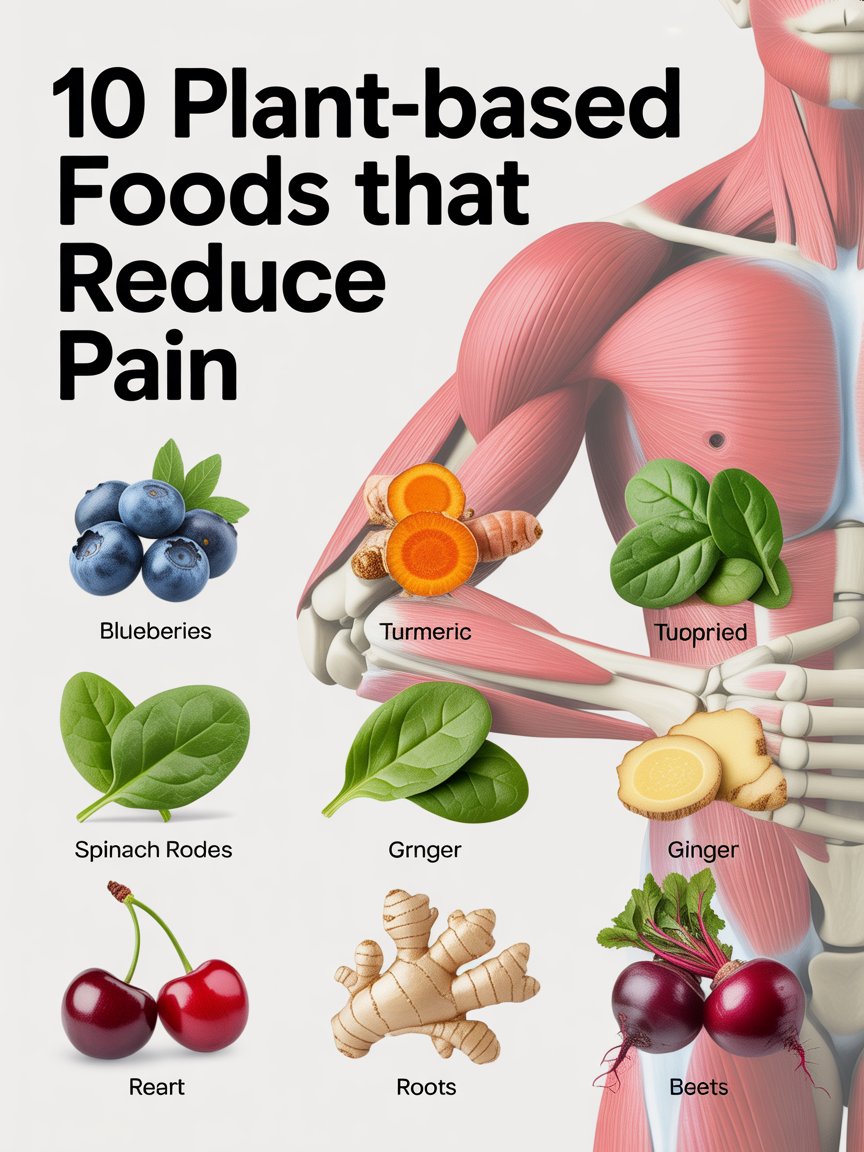
  • 10 Plant-Based Foods That Reduce Pain

    10 Plant-Based Foods That Reduce Pain

    10 Plant-Based Foods That Reduce Pain

    A plant-based diet rich in whole, nutrient-dense foods can help reduce inflammation, support gut health, and ease chronic pain symptoms. Many plant foods contain antioxidants, fiber, and natural anti-inflammatory compounds that may be especially helpful for conditions like fibromyalgia. Here are ten powerful plant-based foods that can support pain relief.


    1. Spinach

    Spinach is packed with magnesium and antioxidants.

    It helps relax muscles, reduce inflammation, and support overall nerve function.


    2. Blueberries

    Blueberries are rich in antioxidants called flavonoids.

    These compounds help fight oxidative stress and may reduce pain sensitivity.


    3. Oats

    Oats provide fiber and steady-release energy.

    They help stabilize blood sugar and support digestive health, which is linked to inflammation control.


    4. Bananas

    Banana contain potassium and vitamin B6.

    They support muscle function and help reduce fatigue and cramps.


    5. Lentils

    Lentils are rich in protein, fiber, and iron.

    They help improve energy levels and reduce inflammation naturally.


    6. Avocados

    Avocado are full of healthy fats and antioxidants.

    They support joint health and help reduce inflammatory responses.


    7. Chia Seeds

    Chia seeds are high in omega-3 fatty acids and fiber.

    They help reduce inflammation and support digestive balance.


    8. Broccoli

    Broccoli contains sulforaphane, a powerful anti-inflammatory compound.

    It supports detoxification and helps protect cells from damage.


    9. Sweet Potatoes

    Sweet potato are rich in beta-carotene and fiber.

    They provide steady energy and help reduce inflammation in the body.


    10. Walnuts

    Walnuts are a plant-based source of omega-3 fatty acids.

    They support brain health and may help reduce chronic pain.


    Final Thoughts

    Plant-based foods offer powerful natural support for reducing pain and inflammation. By incorporating a variety of colorful, nutrient-rich foods into your diet, you can help your body heal, improve energy levels, and support long-term wellness in a gentle and sustainable way.
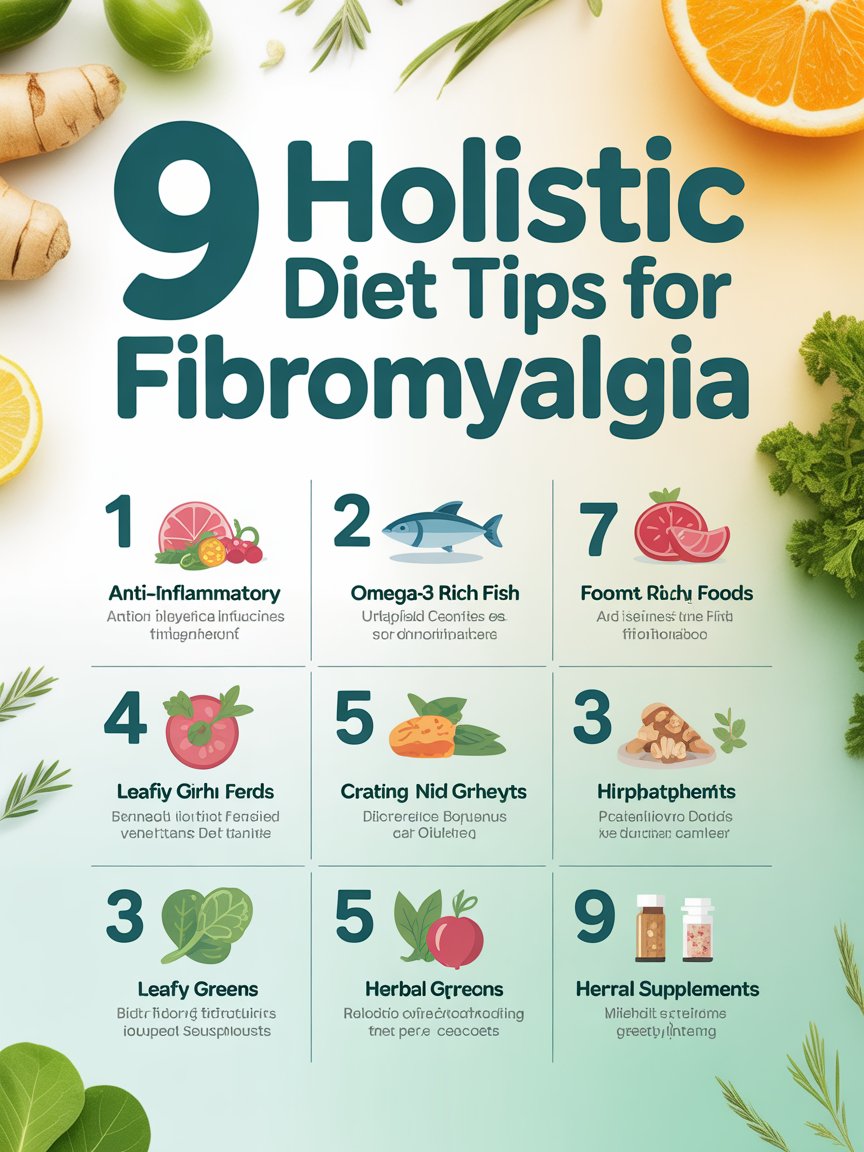

  • 9 Holistic Diet Tips for Fibromyalgia

    9 Holistic Diet Tips for Fibromyalgia

    9 Holistic Diet Tips for Fibromyalgia

    A holistic approach to eating focuses on nourishing the whole body—mind, digestion, energy, and inflammation levels. For people living with fibromyalgia, small, consistent dietary shifts can help reduce flare-ups, improve energy, and support overall balance. Here are nine holistic diet tips to guide your daily routine.


    1. Eat Whole, Unprocessed Foods

    Focus on natural foods like Oats, vegetables, fruits, and lean proteins.

    Whole foods provide essential nutrients without additives that may increase inflammation and discomfort.


    2. Prioritize Anti-Inflammatory Ingredients

    Include foods such as Spinach and other leafy greens.

    These foods help reduce inflammation and support muscle and nerve health.


    3. Balance Every Meal

    Try to include protein, healthy fats, and complex carbohydrates in each meal.

    Balanced meals help stabilize blood sugar and maintain steady energy levels.


    4. Support Gut Health Daily

    Include probiotic-rich foods like Yogurt in your diet.

    A healthy gut can improve digestion, immunity, and even mood regulation.


    5. Stay Hydrated

    Drink enough water throughout the day.

    Proper hydration helps reduce fatigue, headaches, and muscle discomfort.


    6. Limit Inflammatory Foods

    Reduce intake of Sugar and processed foods.

    These can trigger inflammation, worsen fatigue, and increase pain sensitivity.


    7. Listen to Your Body

    Pay attention to how foods like Gluten or dairy affect you.

    Identifying personal triggers helps you make better long-term dietary choices.


    8. Eat Regular, Small Meals

    Avoid long gaps between meals to maintain stable energy.

    Small, frequent meals can help prevent fatigue and blood sugar crashes.


    9. Include Healthy Fats

    Add foods like Avocado to your diet.

    Healthy fats support brain function, hormone balance, and reduce inflammation.


    Final Thoughts

    Holistic eating is about balance, awareness, and consistency—not restriction. By making mindful food choices and paying attention to your body’s responses, you can better manage fibromyalgia symptoms and improve your overall quality of life over time.

  • 8 Healing Herbs and Foods for Pain

    8 Healing Herbs and Foods for Pain

    8 Healing Herbs and Foods for Pain

    Natural herbs and whole foods can play a powerful role in reducing pain and supporting overall wellness—especially for those managing chronic conditions like fibromyalgia. Many of these options contain anti-inflammatory compounds, antioxidants, and nutrients that help calm the body and support healing. Here are eight healing herbs and foods to include in your routine.


    1. Turmeric

    Turmeric is well known for its strong anti-inflammatory properties.

    Its active compound, curcumin, may help reduce joint pain and improve mobility when used regularly.


    2. Ginger

    Ginger is a natural remedy for both pain and digestion.

    It can help reduce muscle soreness, inflammation, and nausea.


    3. Garlic

    Garlic has powerful antioxidant and anti-inflammatory effects.

    It supports the immune system and may help reduce chronic pain over time.


    4. Green Tea

    Green tea is rich in antioxidants that help fight inflammation.

    It also contains calming compounds that support relaxation and mental clarity.


    5. Blueberries

    Blueberries are packed with antioxidants.

    They help protect cells from damage and reduce inflammation linked to pain.


    6. Spinach

    Spinach is rich in magnesium and essential nutrients.

    It supports muscle relaxation and helps ease tension and discomfort.


    7. Salmon

    Salmon provides omega-3 fatty acids that reduce inflammation.

    These healthy fats support joint health and may help decrease pain levels.


    8. Olive Oil

    Olive oil is a healthy fat with anti-inflammatory benefits.

    It supports overall wellness and can be easily added to daily meals.


    Final Thoughts

    Incorporating healing herbs and foods into your diet can provide natural support for pain relief. These ingredients work gently with your body to reduce inflammation, improve recovery, and promote balance. Consistent use, combined with a healthy lifestyle, can help you feel more comfortable and in control each day.

  • 10 Natural Food Remedies for Fibromyalgia

    10 Natural Food Remedies for Fibromyalgia

    10 Natural Food Remedies for Fibromyalgia

    Managing fibromyalgia naturally often starts with what you eat. Certain foods can help reduce inflammation, support the nervous system, improve digestion, and boost energy levels. By including these natural remedies in your daily diet, you may experience better symptom control and overall comfort.


    1. Fatty Fish for Inflammation

    Salmon and other fatty fish are rich in omega-3 fatty acids.

    These healthy fats help reduce inflammation and may ease joint and muscle pain.


    2. Leafy Greens for Muscle Support

    Spinach is packed with magnesium and antioxidants.

    It helps relax muscles, reduce cramps, and support overall body function.


    3. Berries for Antioxidants

    Blueberries are rich in antioxidants that fight oxidative stress.

    They help protect cells and reduce inflammation linked to chronic pain.


    4. Yogurt for Gut Health

    Yogurt contains probiotics that support digestion.

    A healthy gut can reduce inflammation and improve overall well-being.


    5. Turmeric for Pain Relief

    Turmeric has powerful anti-inflammatory properties.

    It may help reduce pain and improve mobility when used regularly.


    6. Nuts and Seeds for Healthy Fats

    Almonds and seeds provide healthy fats and magnesium.

    They support nerve function and help reduce inflammation.


    7. Bananas for Energy and Muscle Function

    Banana are rich in potassium and vitamin B6.

    They help reduce fatigue and support proper muscle function.


    8. Oats for Steady Energy

    Oats provide complex carbohydrates and fiber.

    They help maintain stable energy levels and prevent fatigue crashes.


    9. Ginger for Digestion and Pain

    Ginger supports digestion and has anti-inflammatory effects.

    It may help reduce muscle pain and soothe the digestive system.


    10. Olive Oil for Healthy Fats

    Olive oil is a natural anti-inflammatory fat.

    It supports heart health and helps reduce overall inflammation in the body.


    Final Thoughts

    Natural food remedies can be a powerful way to support your body when living with fibromyalgia. By incorporating these nutrient-rich foods into your daily routine, you can help reduce pain, improve energy, and promote overall balance. Small, consistent dietary changes can lead to meaningful improvements over time.

  • 7 Easy Cooking Tips for Pain Relief

    7 Easy Cooking Tips for Pain Relief

    7 Easy Cooking Tips for Pain Relief

    Cooking while managing chronic pain or fibromyalgia can feel overwhelming, but a few simple strategies can make it much easier. By reducing effort and focusing on nourishing choices, you can prepare meals that support your body without adding stress. Here are seven practical cooking tips for pain relief.


    1. Keep Ingredients Simple

    Stick to basic, whole foods like Oats, vegetables, and lean proteins.

    Simple ingredients reduce prep time and help you avoid additives that may increase inflammation.


    2. Prep in Advance on Better Days

    Use higher-energy days to wash, chop, or cook in batches.

    Having ready-to-use ingredients makes it easier to prepare meals when pain levels are high.


    3. Choose One-Pot or One-Pan Meals

    Cooking everything in one pot or pan reduces effort and cleanup.

    Meals like soups, stews, and stir-fries are quick and convenient.


    4. Use Frozen and Pre-Cut Foods

    Frozen vegetables like Spinach are just as nutritious as fresh ones.

    They save time and energy while still providing important nutrients.


    5. Cook in Batches

    Prepare larger portions and store leftovers for later.

    Meals like Lentils soup can be reheated easily on low-energy days.


    6. Keep Quick Snacks Ready

    Have easy options like Banana, yogurt, or nuts available.

    This ensures you stay nourished even when cooking feels too difficult.


    7. Stay Hydrated While Cooking

    Drink enough water and include soothing beverages like Herbal tea.

    Proper hydration supports energy levels and helps reduce fatigue and discomfort.


    Final Thoughts

    Cooking with chronic pain doesn’t have to be complicated. By simplifying your approach and planning ahead, you can reduce strain while still preparing nourishing meals. Small adjustments in how you cook can make a big difference in your comfort and overall well-being.

  • 10 Lazy-Day Recipes for Fibromyalgia

    10 Lazy-Day Recipes for Fibromyalgia

    10 Lazy-Day Recipes for Fibromyalgia

    On days when fibromyalgia symptoms flare up, even basic cooking can feel like too much. Lazy-day recipes are all about simplicity, minimal prep, and maximum nourishment. These meals are quick, gentle on the body, and designed to support energy and reduce discomfort.


    1. Banana Oat Bowl

    Prepare Oats with warm water or milk and top with Banana.

    This comforting meal provides steady energy and is easy to digest.


    2. Yogurt with Honey and Nuts

    Mix Yogurt with a drizzle of honey and a handful of nuts.

    It’s a no-cook option that supports gut health and provides protein.


    3. Peanut Butter Banana Toast

    Spread peanut butter on toast and add slices of Banana.

    This quick recipe delivers balanced energy with minimal effort.


    4. Egg and Spinach Scramble

    Cook Eggs with Spinach for a simple meal.

    It’s rich in protein and nutrients that support muscle health.


    5. Smoothie with Berries

    Blend Blueberries with milk or yogurt.

    This easy drink is packed with antioxidants and is gentle on digestion.


    6. Avocado Crackers

    Top crackers with mashed Avocado.

    This snack-meal provides healthy fats and keeps you feeling full.


    7. Tuna Salad Bowl

    Mix Tuna with simple ingredients and enjoy as a bowl or with bread.

    It provides protein and omega-3s that help reduce inflammation.


    8. Lentil Soup (Leftovers)

    Reheat a bowl of Lentils soup for a warm meal.

    It’s filling, nutritious, and requires almost no effort.


    9. Baked Potato with Yogurt

    Top a baked potato with Yogurt for a simple twist.

    It’s easy to prepare and supports digestion and energy.


    10. Apple with Almond Butter

    Slice an Apple and pair it with almond butter.

    This quick option provides fiber, healthy fats, and natural sweetness.

  • 9 Minimal Effort Meals for Chronic Pain

    9 Minimal Effort Meals for Chronic Pain

    9 Minimal Effort Meals for Chronic Pain

    When living with chronic pain or fibromyalgia, cooking can feel exhausting. That’s why minimal-effort meals are so important—they provide nourishment without draining your energy. These simple meals use basic ingredients and easy preparation methods to support steady energy, reduce inflammation, and improve comfort.


    1. Overnight Oats

    Combine Oats with milk or yogurt and let it sit overnight.

    In the morning, add fruit for a ready-to-eat meal that supports digestion and steady energy.


    2. Boiled Eggs with Fruit

    Eggs can be boiled in advance for quick meals.

    Pair with an Apple or banana for a balanced mix of protein and fiber.


    3. Yogurt and Banana Bowl

    A bowl of Yogurt topped with Banana is quick and filling.

    It supports gut health and provides gentle energy without effort.


    4. Tuna Wrap

    Use Tuna with a whole grain wrap and simple seasoning.

    This meal is rich in protein and omega-3s that help reduce inflammation.


    5. Rice and Steamed Vegetables

    Serve Brown rice with pre-cooked or steamed vegetables.

    This simple combination provides steady energy and is easy on digestion.


    6. Avocado Toast

    Spread Avocado on whole grain bread.

    It’s a quick, nutrient-rich option that supports heart health and reduces inflammation.


    7. Smoothie with Spinach and Fruit

    Blend Spinach with fruits like berries or banana.

    This easy drink is rich in antioxidants and gentle on the stomach.


    8. Lentil Soup (Batch Cooked)

    Prepare Lentils soup in advance for multiple meals.

    It’s high in fiber and protein, helping support energy and reduce inflammation.


    9. Cheese and Crackers (Moderation)

    Pair simple crackers with a small portion of cheese.

    This quick snack-meal provides protein and energy when cooking feels difficult.

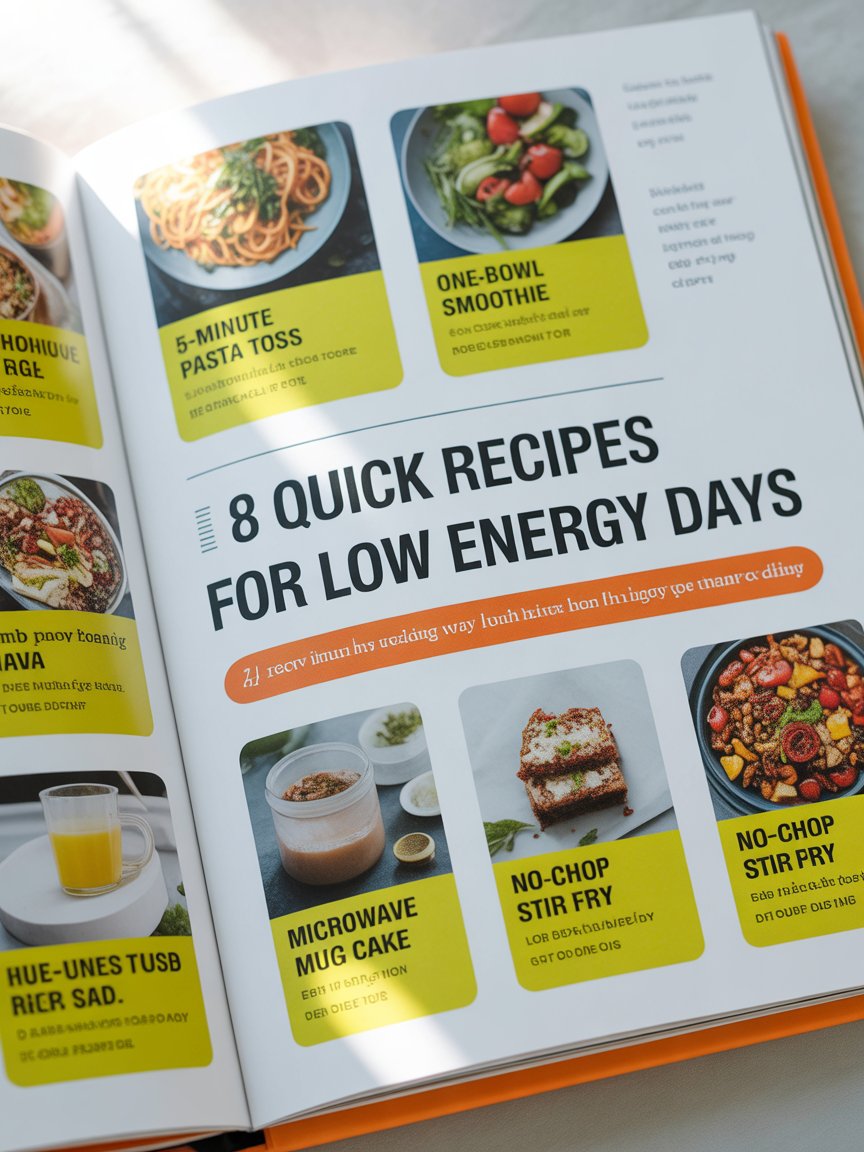
  • 8 Quick Recipes for Low Energy Days

    8 Quick Recipes for Low Energy Days

    8 Quick Recipes for Low Energy Days

    On days when your energy is low, simple meals that require minimal effort can make a big difference. These quick recipes are easy to prepare, gentle on the body, and packed with nutrients to help support energy and reduce discomfort.


    1. Banana Oat Bowl

    Mix Oats with warm milk or water and top with sliced Banana.

    This quick meal provides steady energy and is easy to digest.


    2. Yogurt and Berry Cup

    Combine Yogurt with Blueberries or any fruit you have.

    It’s a no-cook option that supports gut health and provides natural sweetness.


    3. Egg Toast

    Cook Eggs and serve on whole grain toast.

    This simple recipe offers protein and helps keep you full longer.


    4. Peanut Butter Banana Sandwich

    Spread peanut butter on bread and add slices of Banana.

    It’s quick, filling, and provides a good balance of nutrients.


    5. Smoothie with Spinach

    Blend Spinach with milk and fruit for a quick drinkable meal.

    It’s easy on digestion and packed with vitamins and minerals.


    6. Avocado Crackers

    Top crackers with mashed Avocado.

    This snack-meal provides healthy fats and sustained energy.


    7. Lentil Soup (Leftovers)

    Reheat a bowl of Lentils soup for a quick, nourishing meal.

    It’s rich in protein and fiber, helping support energy levels.


    8. Baked Potato with Yogurt

    Top a baked potato with Yogurt for a simple twist.

    It’s filling, easy to prepare, and gentle on the stomach.


    Final Thoughts

    Low-energy days call for simple, practical solutions. Quick recipes like these help you stay nourished without spending too much time or effort in the kitchen. Keeping ingredients on hand and preparing basics in advance can make these meals even easier when you need them most.

  • 10 Easy Meals for Painful Days

    10 Easy Meals for Painful Days

    10 Easy Meals for Painful Days

    On days when pain and fatigue are high, cooking can feel overwhelming. Simple, nourishing meals that require minimal effort can help you stay fueled without adding stress. These easy meal ideas are gentle on the body, quick to prepare, and supportive of energy and pain relief.


    1. Oatmeal with Banana

    A warm bowl of Oats topped with Banana is quick and comforting.

    It provides steady energy and is easy to digest on low-energy days.


    2. Yogurt with Fruit

    Yogurt mixed with fresh fruit makes a no-cook meal.

    It supports gut health and offers protein and natural sweetness.


    3. Egg Scramble with Spinach

    Cook Eggs with Spinach for a simple, nutrient-rich dish.

    It helps support muscle function and keeps you feeling full.


    4. Peanut Butter Banana Toast

    Spread peanut butter on whole grain toast and add sliced Banana.

    This meal is quick, filling, and provides balanced energy.


    5. Lentil Soup

    A bowl of Lentils soup is easy to prepare in batches.

    It’s rich in protein and fiber, helping support digestion and energy.


    6. Brown Rice with Vegetables

    Serve Brown rice with simple steamed vegetables.

    This gentle meal supports digestion and provides steady fuel.


    7. Smoothie with Spinach and Berries

    Blend Spinach with Blueberries and milk.

    It’s quick, easy to drink, and packed with antioxidants.


    8. Avocado Toast

    Mash Avocado on toast for a simple, satisfying meal.

    It provides healthy fats that support energy and reduce inflammation.


    9. Baked Potato with Olive Oil

    A baked potato topped with Olive oil is filling and low-effort.

    It offers steady energy and is easy on the stomach.


    10. Tuna Salad Wrap

    Tuna mixed with simple ingredients and wrapped in flatbread is quick to assemble.

    It provides protein and omega-3s that help support pain relief.


    Final Thoughts

    On painful days, keeping meals simple can make a big difference. Easy, nourishing options help you stay energized without adding extra strain. Preparing a few ingredients in advance can also make these meals even more convenient when you need them most.

  • 7 Low-Cost Foods That Improve Health

    7 Low-Cost Foods That Improve Health

    7 Low-Cost Foods That Improve Health

    Eating healthy doesn’t have to be expensive. Many affordable foods are packed with essential nutrients that support energy, digestion, and overall well-being. By including these budget-friendly options in your daily routine, you can improve your health without overspending.


    1. Oats

    Oats are one of the most affordable and nutritious staples.

    They are rich in fiber, support heart health, and provide long-lasting energy throughout the day.


    2. Bananas

    Banana are inexpensive and widely available.

    They offer potassium, vitamin B6, and natural energy, helping reduce fatigue and support muscle function.


    3. Eggs

    Eggs are a budget-friendly source of high-quality protein.

    They support muscle repair, brain health, and sustained energy levels.


    4. Lentils

    Lentils are rich in protein, fiber, and iron.

    They support digestion, improve energy, and are very cost-effective for regular meals.


    5. Spinach (Fresh or Frozen)

    Spinach is packed with vitamins, minerals, and antioxidants.

    Frozen spinach is often cheaper and lasts longer while still offering the same health benefits.


    6. Apples

    Apple are affordable, easy to store, and nutrient-rich.

    They provide fiber and antioxidants that support digestion and overall wellness.


    7. Yogurt

    Yogurt is a low-cost probiotic food.

    It helps maintain gut health, improve digestion, and support the immune system.


    Final Thoughts

    Improving your health doesn’t require expensive foods or complicated diets. Simple, low-cost staples can provide the nutrients your body needs to function at its best. By making smart, consistent choices, you can build a healthy lifestyle that fits your budget.