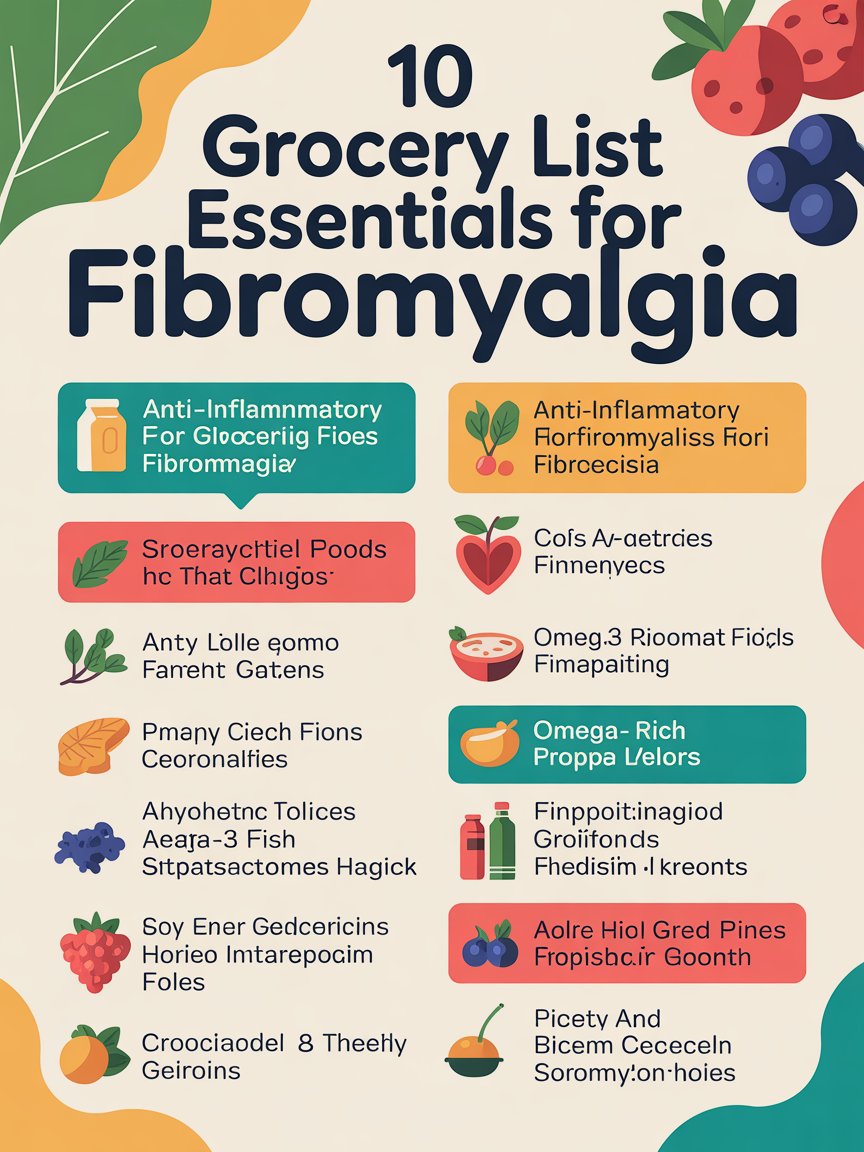
10 Grocery List Essentials for Fibromyalgia
Introduction: Why Diet Matters for Fibromyalgia
Living with fibromyalgia often involves managing symptoms such as chronic pain, fatigue, and brain fog. While there is no single diet that cures fibromyalgia, eating nutritious foods can help reduce inflammation, improve energy levels, and support overall health. A well-planned grocery list can make it easier to prepare balanced meals that nourish the body and support symptom management.
1. Fresh Leafy Greens
Leafy greens such as spinach, kale, and lettuce are rich in vitamins, minerals, and antioxidants. These nutrients help support the immune system and may reduce inflammation in the body. Including leafy greens in salads, smoothies, or cooked dishes can provide essential nutrients that support overall well-being.
2. Fatty Fish
Fatty fish such as salmon, mackerel, and sardines are excellent sources of omega-3 fatty acids. Omega-3s are known for their anti-inflammatory properties and may help reduce muscle pain and joint stiffness. Eating fatty fish a few times a week can be beneficial for people with fibromyalgia.
3. Whole Grains
Whole grains like oats, quinoa, and brown rice provide fiber and steady energy. Unlike refined grains, whole grains help stabilize blood sugar levels and prevent sudden energy crashes. This can be especially helpful for people dealing with fibromyalgia-related fatigue.
4. Fresh Fruits
Fruits such as berries, apples, oranges, and bananas are packed with vitamins and antioxidants. These natural compounds help protect cells from damage and may reduce inflammation. Fruits also provide natural sweetness without the need for processed sugars.
5. Nuts and Seeds
Nuts and seeds such as almonds, walnuts, chia seeds, and flaxseeds contain healthy fats, protein, and fiber. They also provide magnesium, which may help support muscle function and relaxation. Adding a small handful of nuts or seeds to meals or snacks can boost nutritional value.
6. Lean Protein Sources
Protein is essential for maintaining muscle strength and repairing tissues. Lean protein sources such as chicken, turkey, eggs, tofu, and beans are good choices. Including protein in each meal may help maintain steady energy levels throughout the day.
7. Healthy Cooking Oils
Healthy oils such as olive oil and avocado oil contain beneficial fats that support heart health and reduce inflammation. These oils can be used for cooking, salad dressings, or drizzling over vegetables. Choosing healthy fats instead of processed oils can make meals more nutritious.
8. Anti-Inflammatory Spices
Certain spices have natural anti-inflammatory properties. Turmeric, ginger, and cinnamon are commonly used to add flavor and potential health benefits to meals. These spices can be added to soups, smoothies, oatmeal, or tea.
9. Low-Fat Dairy or Dairy Alternatives
Dairy products such as yogurt and milk provide calcium and protein that support bone health. For those who are sensitive to dairy, alternatives such as almond milk, soy milk, or oat milk can be good substitutes. Choosing options with added calcium and vitamin D may offer additional benefits.
10. Hydrating Foods and Drinks
Staying hydrated is important for overall health and energy levels. Water, herbal teas, and water-rich foods such as cucumbers and watermelon can help maintain proper hydration. Adequate hydration may help reduce fatigue and improve overall body function.
Leave a Reply