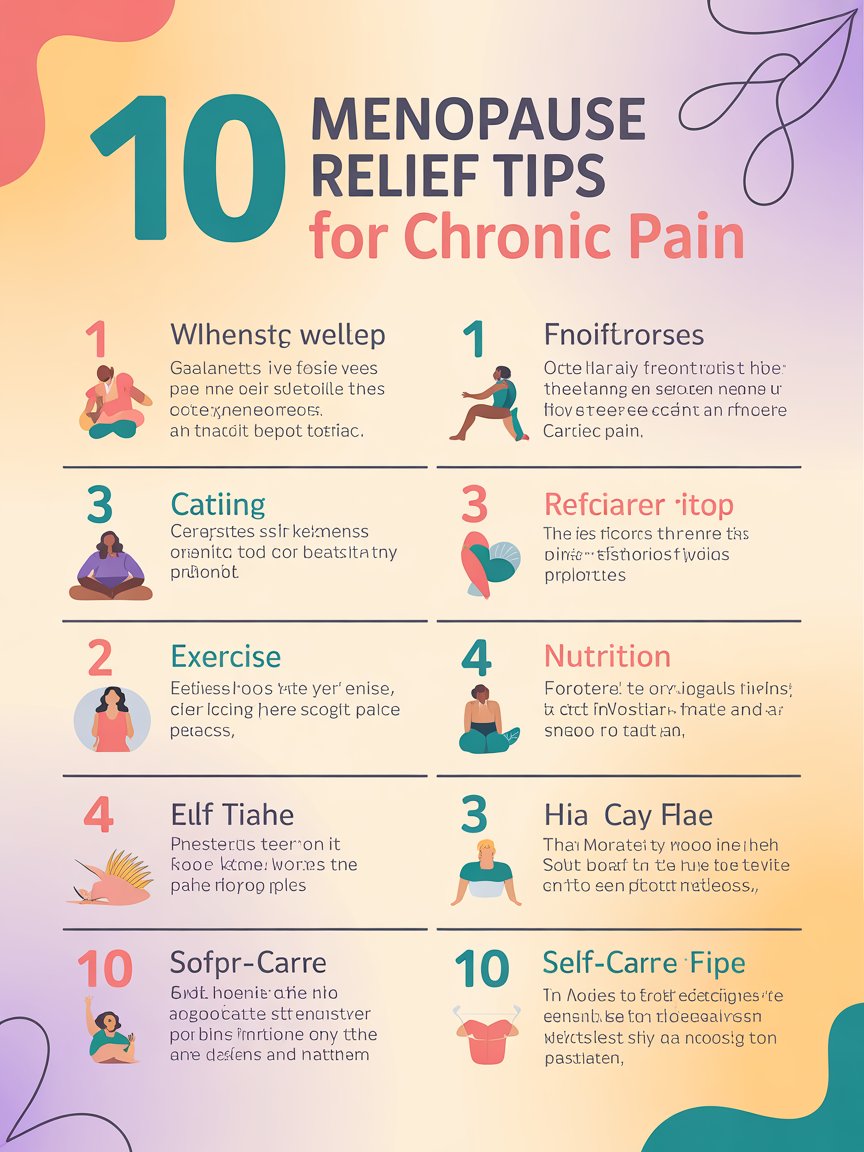
10 Menopause Relief Tips for Chronic Pain
Menopause is a natural phase of life, but for those living with chronic pain conditions, it can bring added challenges. Hormonal changes—especially the decline in estrogen—can increase pain sensitivity, disrupt sleep, and affect mood. These shifts may worsen symptoms and make daily life more difficult.
The good news is that there are practical ways to manage both menopause symptoms and chronic pain. With the right strategies, you can improve comfort, support your body, and maintain a better quality of life. Below are ten helpful tips for managing menopause-related discomfort alongside chronic pain.
1. Stay Physically Active
Gentle Movement Matters
Low-impact exercises like walking, stretching, or yoga can help reduce stiffness and improve flexibility.
Support Pain Relief
Regular movement boosts circulation and may ease muscle and joint pain.
2. Focus on a Balanced Diet
Nourish Your Body
Eating a diet rich in fruits, vegetables, whole grains, and lean protein supports overall health.
Reduce Inflammation
Anti-inflammatory foods may help reduce pain and improve energy levels.
3. Prioritize Quality Sleep
Establish a Routine
Going to bed and waking up at consistent times can improve sleep quality.
Create a Restful Space
A cool, dark, and quiet bedroom can help reduce nighttime discomfort and improve rest.
4. Manage Stress Effectively
Reduce Emotional Triggers
Stress can worsen both menopausal symptoms and chronic pain.
Practice Relaxation
Deep breathing, meditation, and mindfulness can help calm the body and mind.
5. Stay Hydrated
Support Body Functions
Drinking enough water helps regulate temperature and supports joint health.
Reduce Discomfort
Proper hydration may help minimize fatigue and muscle tension.
6. Use Heat Therapy
Soothe Aching Muscles
Warm baths or heating pads can help relax tight muscles and reduce pain.
Improve Comfort
Heat can be especially helpful for stiffness and joint discomfort.
7. Dress in Layers
Manage Hot Flashes
Wearing layers makes it easier to adjust to sudden temperature changes.
Stay Comfortable
Light, breathable fabrics can help reduce discomfort during the day and night.
8. Maintain a Healthy Weight
Reduce Joint Strain
Extra weight can increase pressure on joints and worsen pain.
Improve Mobility
Maintaining a healthy weight can support movement and reduce discomfort.
9. Limit Caffeine and Sugar
Avoid Triggers
Caffeine and sugar can worsen hot flashes, sleep problems, and energy crashes.
Promote Stability
Reducing these may help improve sleep and overall well-being.
10. Seek Professional Support
Get Expert Guidance
A healthcare provider can help you explore treatment options tailored to your needs.
Consider Therapy Options
Counseling or support groups can help you cope with emotional and physical changes.
Conclusion
Managing menopause alongside chronic pain can be challenging, but it is possible with the right approach. By focusing on healthy habits such as regular exercise, balanced nutrition, stress management, and good sleep, you can reduce discomfort and improve your overall quality of life.
Every journey through menopause is unique, so it’s important to listen to your body and seek support when needed. With patience and consistent care, you can navigate this phase with greater comfort and confidence.
Leave a Reply