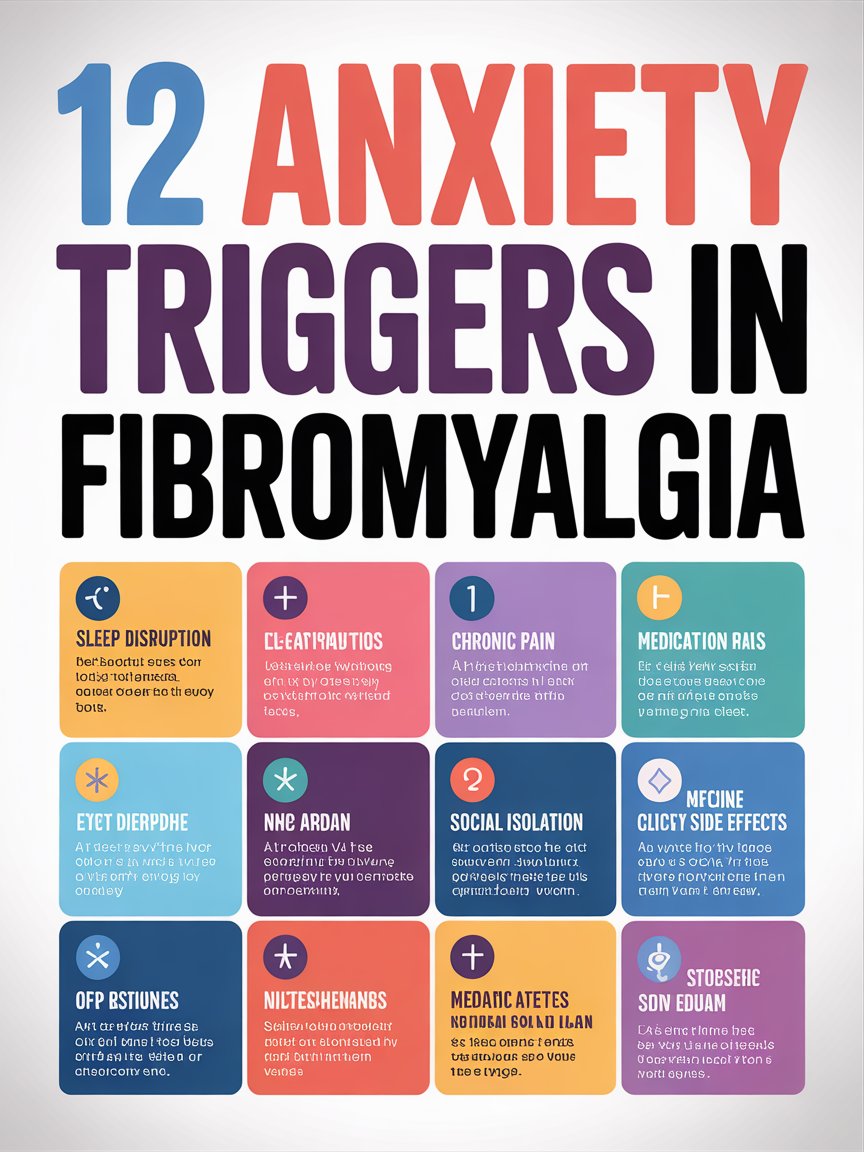
. Understanding Anxiety in Fibromyalgia
Living with Fibromyalgia often involves not only physical symptoms like pain and fatigue but also emotional challenges. Anxiety is common among patients and can intensify pain perception. Identifying triggers is essential to managing both anxiety and fibromyalgia effectively.
2. Trigger 1: Chronic Pain Fluctuations
Unpredictable pain flare-ups can cause worry about daily functioning. The fear of worsening symptoms or being unable to complete tasks often increases anxiety levels.
3. Trigger 2: Fatigue and Low Energy
Persistent fatigue can make even simple tasks feel overwhelming, triggering feelings of helplessness and stress that contribute to anxiety.
4. Trigger 3: Poor Sleep Quality
Sleep disturbances are common in fibromyalgia and can worsen cognitive function and mood. Lack of restorative sleep increases irritability and anxiety during the day.
5. Trigger 4: Work or Financial Pressure
Managing fibromyalgia while fulfilling work or financial responsibilities can be stressful. Concerns about productivity, deadlines, or medical costs often heighten anxiety.
6. Trigger 5: Social Isolation
Limited energy and physical limitations may reduce social interactions. Feeling isolated or misunderstood by others can contribute to feelings of anxiety and depression.
7. Trigger 6: Sensory Overload
Fibromyalgia patients are often sensitive to light, sound, and touch. Overstimulating environments such as busy streets, loud gatherings, or bright lights can trigger anxious responses.
8. Trigger 7: Medical Appointments
Frequent doctor visits, tests, and uncertainty about diagnosis or treatment can cause stress and anxiety. Worrying about test results or effectiveness of therapies adds emotional burden.
9. Trigger 8: Cognitive Difficulties (Fibro Fog)
Memory lapses, concentration problems, and mental fatigue can lead to frustration and self-doubt, triggering anxiety about performance and daily functioning.
10. Trigger 9: Weather Changes
Cold, damp, or extremely hot weather may exacerbate pain and stiffness, creating anticipatory anxiety about physical discomfort during certain seasons.
11. Trigger 10: Overcommitment
Trying to maintain normal routines or overestimating personal energy can lead to physical exhaustion and emotional stress, increasing anxiety levels.
12. Trigger 11: Medication Side Effects
Some medications used to manage fibromyalgia symptoms may cause nervousness, insomnia, or mood changes, which can contribute to heightened anxiety.
13. Trigger 12: Uncertainty About the Future
Living with a chronic condition brings uncertainty regarding symptom progression, treatment effectiveness, and lifestyle limitations. This uncertainty often fuels anxiety and worry.
14. Coping Strategies for Anxiety
Identifying triggers is the first step in managing anxiety. Techniques like deep breathing, mindfulness meditation, gentle exercise, and counseling can help patients reduce stress and cope more effectively.
15. Integrating Anxiety Management Into Fibromyalgia Care
Addressing anxiety alongside physical symptoms is essential for holistic fibromyalgia care. By recognizing triggers and applying coping strategies, patients can improve both emotional well-being and pain management.
Leave a Reply