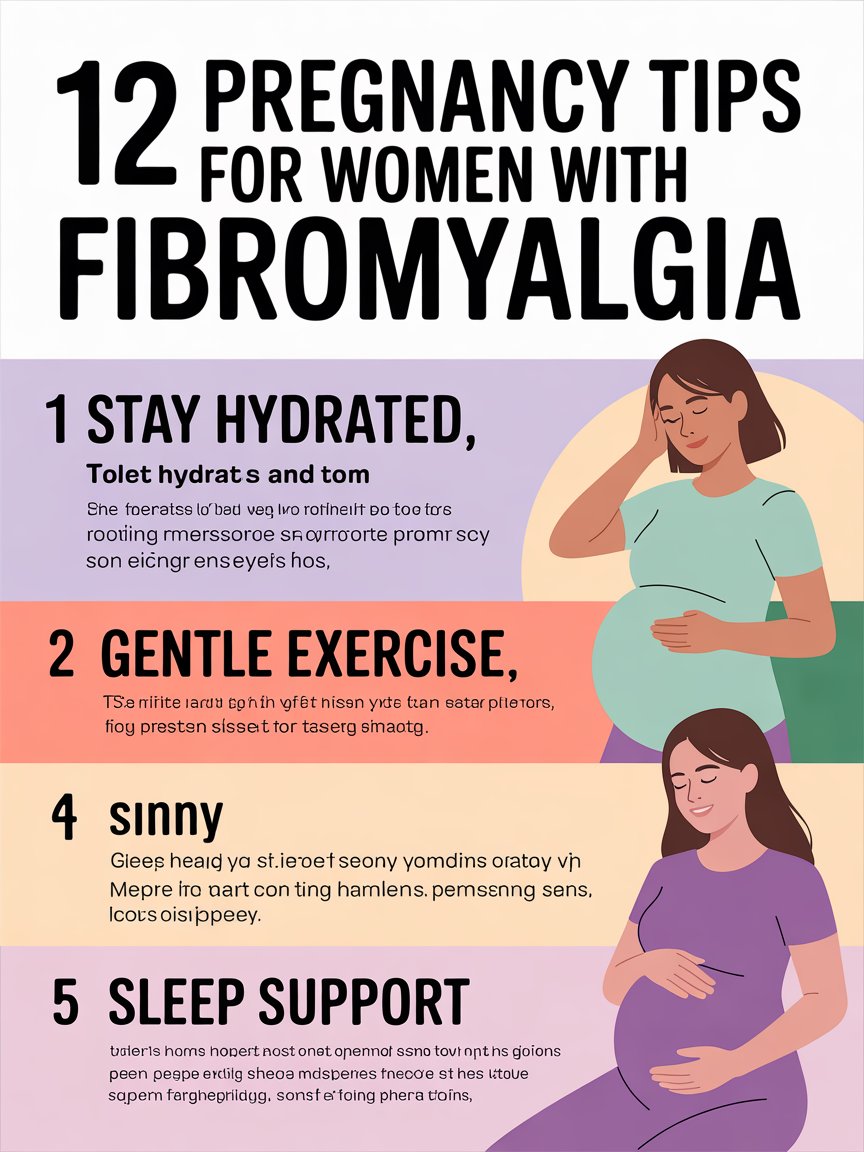
12 Pregnancy Tips for Women with Fibromyalgia
1. Understanding Pregnancy with Fibromyalgia
Pregnancy can bring both excitement and challenges for women living with Fibromyalgia. Hormonal changes, fatigue, and physical stress may affect symptoms differently for each person. With proper care and planning, many women with fibromyalgia can experience a healthy pregnancy.
2. Tip 1: Work Closely With Your Doctor
Regular checkups are essential during pregnancy. Your healthcare provider can monitor both your pregnancy and fibromyalgia symptoms to ensure the safest care for you and your baby.
3. Tip 2: Review Your Medications
Some medications used to treat fibromyalgia may not be safe during pregnancy. Discuss all medications and supplements with your doctor to determine which ones should be continued, adjusted, or stopped.
4. Tip 3: Prioritize Rest
Fatigue is common in both pregnancy and fibromyalgia. Taking short rest breaks throughout the day can help conserve energy and prevent symptom flare-ups.
5. Tip 4: Maintain Gentle Physical Activity
Light exercise such as walking, stretching, or prenatal yoga can improve circulation and reduce muscle stiffness. Gentle movement also supports overall physical health during pregnancy.
6. Tip 5: Focus on Good Sleep Habits
Sleep problems can worsen fibromyalgia symptoms. Creating a comfortable sleep routine, using supportive pillows, and maintaining a regular bedtime can improve sleep quality.
7. Tip 6: Manage Stress Levels
Stress can trigger fibromyalgia flare-ups. Relaxation techniques such as deep breathing, meditation, or listening to calming music can help maintain emotional balance.
8. Tip 7: Eat a Nutritious Diet
A balanced diet with fruits, vegetables, whole grains, and lean proteins supports both maternal and fetal health. Proper nutrition also helps maintain energy levels.
9. Tip 8: Stay Hydrated
Drinking enough water is important during pregnancy. Proper hydration supports circulation, digestion, and overall body function.
10. Tip 9: Use Supportive Comfort Measures
Supportive pillows, maternity belts, or warm compresses may help reduce muscle tension and improve comfort as the body changes during pregnancy.
11. Tip 10: Pace Your Daily Activities
Avoid overexertion by breaking tasks into smaller steps. Balancing activity and rest can help manage fatigue and reduce fibromyalgia symptoms.
12. Tip 11: Seek Emotional Support
Pregnancy while managing a chronic condition can feel overwhelming at times. Talking with supportive family members, friends, or support groups can provide comfort and encouragement.
13. Tip 12: Prepare for Postpartum Recovery
Planning for extra support after childbirth can help make the recovery period easier. Rest, proper nutrition, and assistance with daily tasks can support healing and symptom management.
14. Listening to Your Body
Every pregnancy experience is unique. Paying attention to your body’s signals and adjusting activities when necessary can help prevent unnecessary strain.
15. Staying Positive and Informed
With proper medical guidance, healthy habits, and strong support, many women with fibromyalgia can manage pregnancy successfully. Staying informed and practicing self-care can help create a healthier and more comfortable journey for both mother and baby.
Leave a Reply