1. Understanding Fibromyalgia and Gender Differences
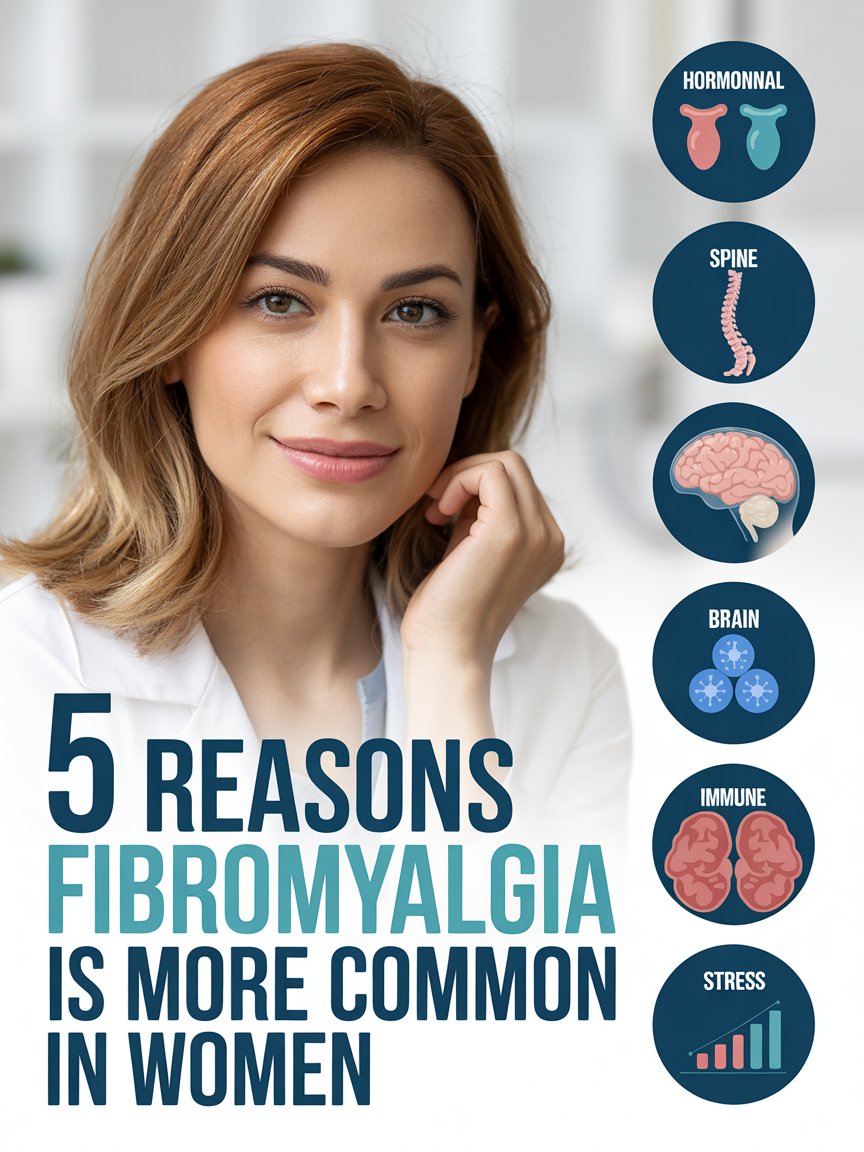
Fibromyalgia is a chronic condition that causes widespread pain, fatigue, and sensitivity. Research shows that women are diagnosed with fibromyalgia far more often than men, and certain biological and social factors may explain why.
2. Reason 1: Hormonal Differences
Hormones like estrogen and progesterone influence pain perception and the nervous system. Fluctuations in these hormones—especially during menstrual cycles, pregnancy, or menopause—may make women more sensitive to pain, increasing the risk of fibromyalgia.
3. Reason 2: Immune System Differences
Women generally have stronger immune responses than men. While this can protect against infections, it may also increase susceptibility to inflammation-related conditions, which can contribute to fibromyalgia symptoms.
4. Reason 3: Stress Response Variations
Women and men respond differently to stress. Chronic stress can worsen pain perception and fatigue, and studies suggest that women may experience stronger physical and emotional effects from stress, contributing to fibromyalgia development.
5. Reason 4: Differences in Pain Processing
Research shows that women often process pain signals differently in the brain and spinal cord. This heightened pain sensitivity may make women more prone to conditions like fibromyalgia.
6. Reason 5: Societal and Lifestyle Factors
Women often carry multiple responsibilities, including work, family care, and household tasks, which can increase stress and fatigue. Long-term physical and emotional strain may contribute to the higher prevalence of fibromyalgia in women.
7. Recognizing the Pattern
Understanding why fibromyalgia is more common in women can help with early recognition and treatment. Awareness of risk factors and triggers may support better symptom management.
8. Importance of Early Diagnosis
Women experiencing persistent widespread pain, fatigue, or cognitive issues should consult a healthcare professional. Early diagnosis allows for targeted care and lifestyle adjustments to reduce symptom severity.
9. Hormone Management and Fibromyalgia
For some women, addressing hormonal changes through medical guidance or lifestyle strategies can help manage pain, improve sleep, and reduce fatigue.
10. Stress Reduction Strategies
Incorporating stress management techniques such as mindfulness, yoga, or deep breathing can support women in reducing fibromyalgia symptoms linked to chronic stress.
11. Supporting Physical Health
Regular gentle exercise, adequate rest, and balanced nutrition can help women maintain energy levels and manage fibromyalgia symptoms more effectively.
12. Mental Health Support
Emotional well-being is closely tied to fibromyalgia management. Counseling, support groups, or talking with loved ones can reduce anxiety and improve coping strategies.
13. Lifestyle Adjustments
Pacing daily activities, using ergonomic tools, and prioritizing self-care can make a significant difference in managing fibromyalgia for women.
14. Personalized Treatment Approaches
Because fibromyalgia affects each person differently, women may benefit from personalized care plans that consider hormonal, physical, and emotional factors.
15. Conclusion
Fibromyalgia’s higher prevalence in women is influenced by a combination of biological, hormonal, and social factors. Understanding these reasons can empower women to seek early intervention and adopt strategies to manage symptoms effectively, improving overall quality of life.
Leave a Reply