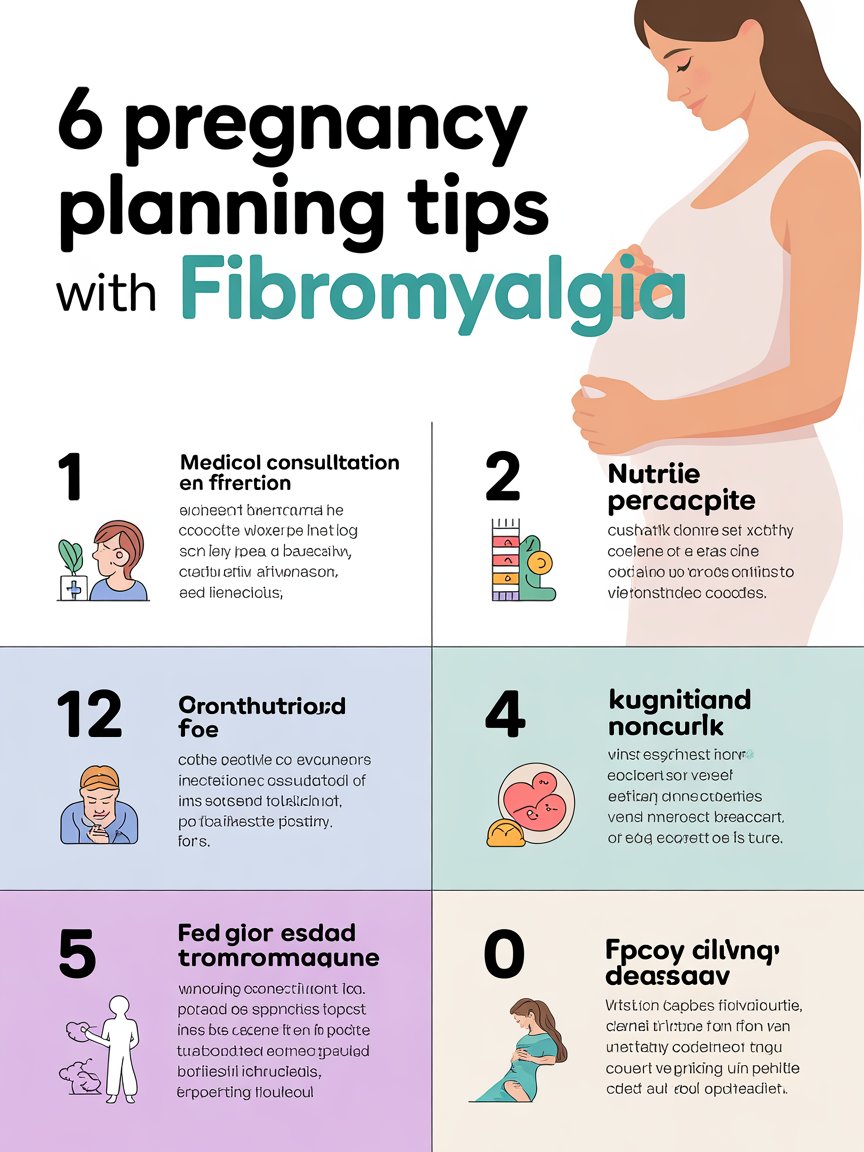
6 Pregnancy Planning Tips with Fibromyalgia
Planning a pregnancy while living with fibromyalgia requires careful thought, preparation, and support. Although fibromyalgia does not prevent pregnancy, its symptoms—such as pain, fatigue, and sleep disturbances—can make the journey more challenging. With the right approach, many individuals successfully manage their condition and experience a healthy pregnancy.
Understanding how to prepare both physically and emotionally can make a significant difference. Below are six important tips to help you plan for pregnancy while managing fibromyalgia.
1. Consult Your Healthcare Provider Early
Discuss Your Plans
Before trying to conceive, talk openly with your doctor about your fibromyalgia and pregnancy goals.
Review Medications
Some medications used to manage fibromyalgia may not be safe during pregnancy, so adjustments may be needed.
Create a Care Plan
A personalized plan can help you manage symptoms safely before and during pregnancy.
2. Optimize Your Physical Health
Build Strength and Energy
Gentle exercise, such as walking or stretching, can improve stamina and reduce stiffness.
Focus on Nutrition
A balanced diet supports overall health and prepares your body for pregnancy.
Maintain a Healthy Weight
This can help reduce strain on your body and improve pregnancy outcomes.
3. Manage Stress Effectively
Reduce Emotional Strain
Stress can trigger fibromyalgia flare-ups and affect overall well-being.
Practice Relaxation
Techniques like deep breathing, meditation, or yoga can help calm the mind and body.
Create a Support System
Having emotional support from family or friends can make the process easier.
4. Improve Sleep Habits
Prioritize Rest
Good sleep is essential for managing fibromyalgia symptoms and overall health.
Establish a Routine
Going to bed and waking up at consistent times can improve sleep quality.
Create a Comfortable Environment
A quiet, dark, and cool bedroom can support better rest.
5. Plan for Symptom Management
Expect Changes
Symptoms may improve, worsen, or stay the same during pregnancy—it varies for each person.
Track Your Symptoms
Keeping a journal can help you and your doctor understand patterns and triggers.
Prepare for Flare-Ups
Have a plan in place for managing pain and fatigue safely.
6. Build a Strong Support Network
Seek Professional Guidance
Working with healthcare providers who understand fibromyalgia can be very helpful.
Lean on Loved Ones
Family and friends can provide emotional and practical support during pregnancy.
Consider Support Groups
Connecting with others who have similar experiences can offer encouragement and advice.
Conclusion
Pregnancy planning with fibromyalgia may require extra care, but it is absolutely possible with the right preparation. By consulting your healthcare provider, managing stress, improving sleep, and building a support system, you can create a healthier and more comfortable journey.
Every experience is unique, so listening to your body and staying informed will help you make the best decisions for yourself and your future baby. With proper planning and support, you can approach pregnancy with confidence and peace of mind.
Leave a Reply