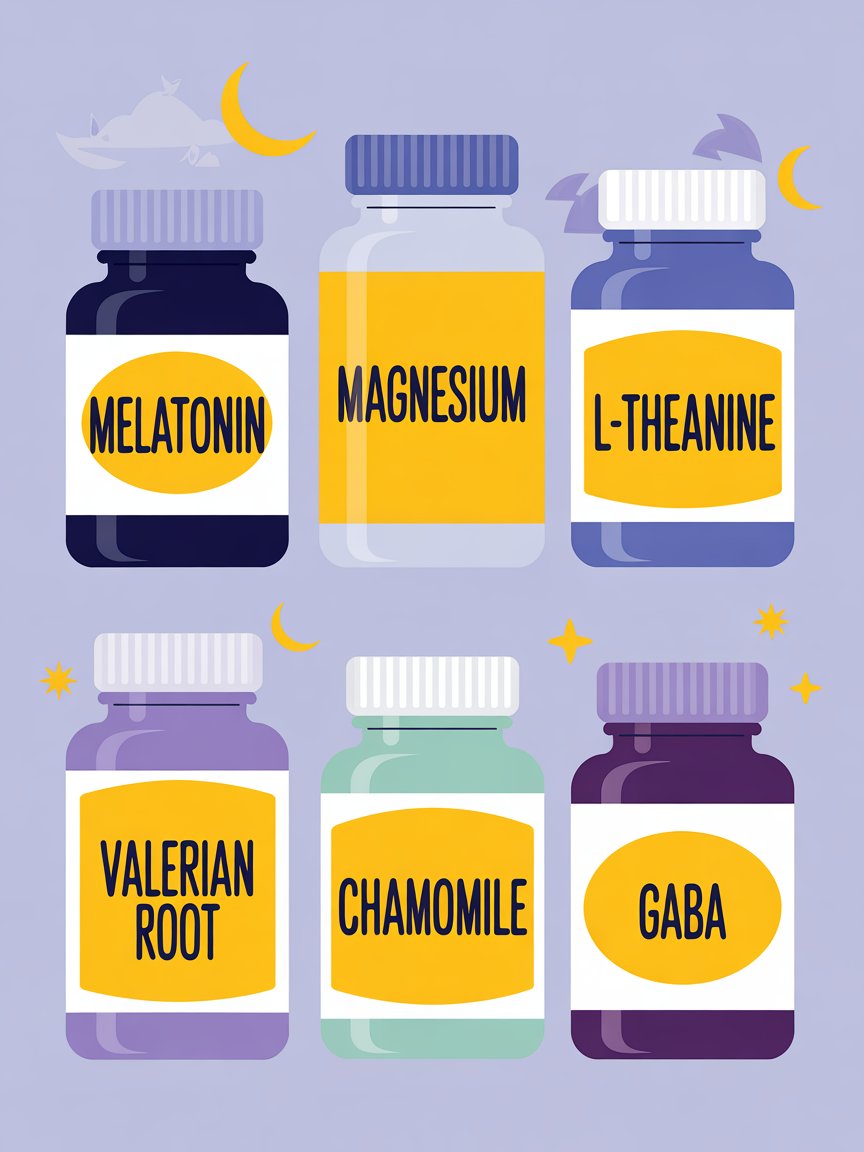
6 Supplements That Support Better Sleep
Getting quality sleep is essential for physical and mental health. While healthy habits like a consistent bedtime routine and limiting screen time are the foundation of good sleep, some supplements may also help support relaxation and better rest. Certain nutrients and natural compounds can influence hormones and neurotransmitters involved in the sleep cycle.
Below are six supplements commonly associated with improved sleep support.
1. Melatonin
Regulates the Sleep-Wake Cycle
Melatonin is a natural hormone produced by the body that helps control the circadian rhythm, which tells the body when it is time to sleep and wake up.
Helpful for Sleep Timing Issues
Melatonin supplements are often used for jet lag, shift work sleep problems, or delayed sleep schedules.
2. Magnesium
Promotes Relaxation
Magnesium helps regulate neurotransmitters that influence sleep and relaxation in the nervous system.
Supports Muscle Calmness
Some studies suggest magnesium may help people fall asleep more easily and improve sleep quality, especially if they have low magnesium levels.
3. L-Theanine
Encourages Mental Relaxation
L-theanine is an amino acid found in tea leaves that may promote relaxation without causing drowsiness.
Reduces Stress Before Bed
It may help calm the mind and reduce nighttime stress, making it easier to fall asleep.
4. Valerian Root
Traditional Herbal Sleep Aid
Valerian root is an herbal supplement that has been used for centuries to support sleep and relaxation.
Supports Calm Brain Activity
It may work by increasing GABA activity in the brain, which can help reduce nervous tension and support sleep onset.
5. Ashwagandha
Helps Manage Stress
Ashwagandha is an adaptogenic herb that helps the body manage stress and anxiety.
Supports Relaxation
By reducing stress hormones, it may help create a calmer state that supports better sleep.
6. Vitamin D
Supports Circadian Rhythm
Vitamin D plays a role in regulating sleep patterns and overall circadian rhythm.
Linked to Sleep Quality
Research has found associations between vitamin D deficiency and poor sleep quality in some individuals.
Conclusion
Certain supplements may help support better sleep by promoting relaxation, regulating sleep hormones, and reducing stress. Melatonin, magnesium, L-theanine, valerian root, ashwagandha, and vitamin D are among the most commonly used options.
However, supplements should be used carefully and ideally after consulting a healthcare professional. Good sleep habits—such as maintaining a consistent sleep schedule, reducing evening screen time, and creating a calm bedtime routine—remain the most effective foundation for healthy sleep.
Leave a Reply