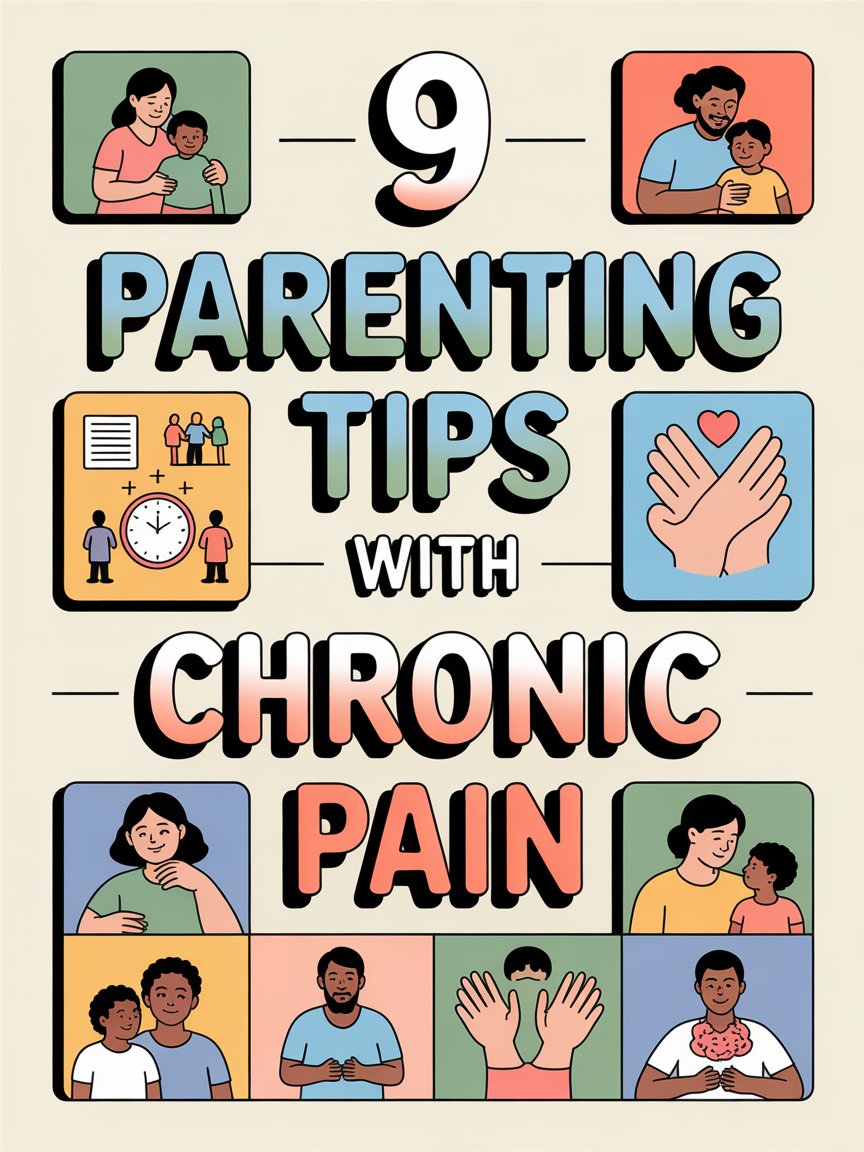
Understanding the Challenges of Parenting with Chronic Pain
Chronic pain can affect physical stamina, mood, and concentration. Some days may feel manageable, while others may bring intense discomfort or fatigue. Parents may worry about not being able to keep up with their children’s needs, but focusing on quality time rather than constant activity can make a meaningful difference.
Children are often more understanding than parents expect. Honest communication and simple adjustments to routines can help families adapt in positive ways.
1. Prioritize the Most Important Tasks
When living with chronic pain, energy can be limited. Prioritizing essential tasks helps conserve energy for the things that matter most.
Focus on activities that support your child’s well-being, such as meals, homework, and emotional connection. Less important chores can be postponed, simplified, or delegated when possible.
2. Create Simple Daily Routines
Consistent routines make parenting easier and reduce stress for both parents and children. When children know what to expect during the day, there is less pressure to constantly organize activities.
Simple routines for meals, homework, and bedtime can create structure while allowing flexibility on days when pain levels are higher.
3. Accept Help from Family and Friends
Many parents with chronic pain feel pressure to do everything themselves. However, accepting help can make a significant difference in managing daily responsibilities.
Family members, friends, or neighbors may be willing to assist with tasks such as school pickups, grocery shopping, or childcare during flare-ups. Allowing support can help reduce stress and preserve energy.
4. Plan Low-Energy Activities with Your Children
Spending time together does not always require physically demanding activities. Quiet, low-energy activities can still create strong family bonds.
Reading books, watching movies, doing puzzles, drawing, or playing board games are meaningful ways to connect with children while conserving energy.
5. Teach Children About Your Condition
Age-appropriate communication can help children understand why their parent sometimes needs rest. Explaining that chronic pain affects the body but does not change the love you have for them can reassure children.
This understanding can also encourage empathy and patience within the family.
6. Break Tasks into Smaller Steps
Large tasks can feel overwhelming when dealing with chronic pain. Breaking activities into smaller steps makes them more manageable.
For example, instead of cleaning the entire house at once, focus on one room or one task at a time. Taking short breaks between tasks helps prevent exhaustion and pain flare-ups.
7. Use Energy-Saving Strategies
Energy conservation is important for parents with chronic pain. Using tools and strategies that simplify daily work can help reduce strain on the body.
Examples include meal prepping, using grocery delivery services, keeping frequently used items within easy reach, and organizing the home to reduce unnecessary movement.
8. Practice Self-Care Without Guilt
Parents often put their children’s needs before their own, but self-care is essential when living with chronic pain. Taking time to rest, stretch, or relax helps the body recover and maintain energy levels.
Self-care also improves emotional health, allowing parents to remain patient, calm, and present with their children.
9. Focus on Quality Time Instead of Quantity
Parenting is not measured by how many activities you can do in a day. Children value love, attention, and connection more than constant entertainment.
Even short moments of focused attention—such as listening to your child’s story, sharing a laugh, or reading together—can strengthen your relationship.
Building a Supportive Family Environment
Creating a family culture of understanding and cooperation can make daily life easier. Encouraging teamwork within the household allows everyone to contribute in small ways, which reduces pressure on the parent experiencing chronic pain.
Children often feel proud when they can help with simple responsibilities.
Managing Difficult Days
There will be days when chronic pain becomes more intense. Preparing for these moments can help reduce stress. Having easy meals prepared, quiet activities ready, and a backup support system can make difficult days more manageable.
Being gentle with yourself during these times is important.
Teaching Resilience and Empathy
Children raised in families that manage chronic challenges often develop strong empathy and resilience. They learn patience, kindness, and the value of supporting others.
These lessons can positively shape their emotional development and relationships.
Leave a Reply