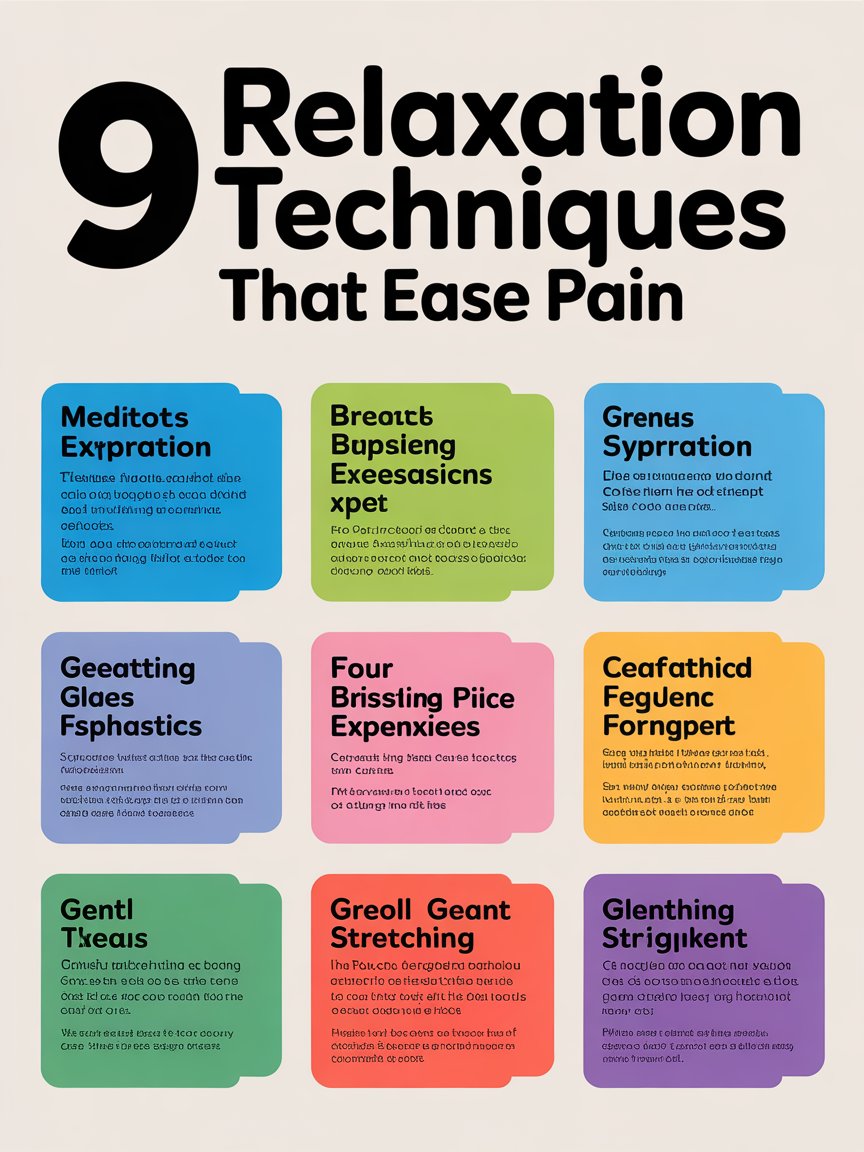
1. Understanding the Connection Between Relaxation and Pain
Chronic pain conditions like Fibromyalgia often become worse when the body is tense or stressed. Relaxation techniques help calm the nervous system, reduce muscle tension, and improve the body’s natural ability to manage discomfort.
2. Why Relaxation Matters for Pain Management
When the body relaxes, stress hormones decrease and blood flow improves. This process can reduce pain sensitivity and promote a feeling of calm, making relaxation techniques an important part of pain management.
3. Technique 1: Deep Breathing
Deep breathing is one of the simplest ways to relax the body. Slowly inhaling through the nose and exhaling through the mouth helps lower heart rate, reduce stress, and ease muscle tension that contributes to pain.
4. Technique 2: Progressive Muscle Relaxation
Progressive muscle relaxation involves tightening and then releasing different muscle groups in the body. This technique helps people recognize areas of tension and encourages full-body relaxation.
5. Technique 3: Mindfulness Meditation
Mindfulness meditation focuses on being present in the moment without judgment. Practicing mindfulness regularly can help reduce stress, improve emotional balance, and lower the perception of pain.
6. Technique 4: Gentle Stretching
Gentle stretching relaxes tight muscles and improves flexibility. Slow stretching exercises can increase circulation and relieve stiffness, which is particularly helpful for people dealing with chronic pain.
7. Technique 5: Guided Imagery
Guided imagery involves imagining peaceful scenes such as beaches, forests, or mountains. Visualizing calming environments can shift attention away from pain and promote relaxation.
8. Technique 6: Listening to Calming Music
Soft music can influence mood and reduce stress levels. Listening to relaxing music may help slow breathing, reduce anxiety, and create a soothing environment that eases discomfort.
9. Technique 7: Warm Baths or Heat Therapy
Warm baths or heating pads can help relax muscles and improve blood circulation. Heat therapy often provides temporary relief from stiffness and pain, especially before bedtime.
10. Technique 8: Yoga and Gentle Movement
Yoga combines breathing, stretching, and relaxation. Practicing gentle yoga poses can reduce tension, increase flexibility, and support both physical and mental relaxation.
11. Technique 9: Aromatherapy
Aromatherapy uses essential oils such as lavender or chamomile to create a calming atmosphere. Pleasant scents may help reduce stress and encourage relaxation, which can indirectly ease pain.
12. Creating a Relaxation Routine
Practicing relaxation techniques regularly can make them more effective. Setting aside time each day for relaxation allows the body to recover from stress and reduces the likelihood of pain flare-ups.
13. Combining Techniques for Better Results
Using more than one relaxation technique—such as deep breathing with gentle stretching—can enhance pain relief. Different methods work for different individuals, so experimenting may help find the most effective approach.
14. Listening to Your Body
Everyone experiences pain differently. Paying attention to how the body responds to relaxation techniques can help determine which methods provide the most relief and comfort.
15. Making Relaxation Part of Daily Life
Incorporating relaxation practices into everyday routines can significantly improve quality of life. By managing stress and tension, people living with fibromyalgia or chronic pain can experience greater comfort and emotional balance.
Leave a Reply