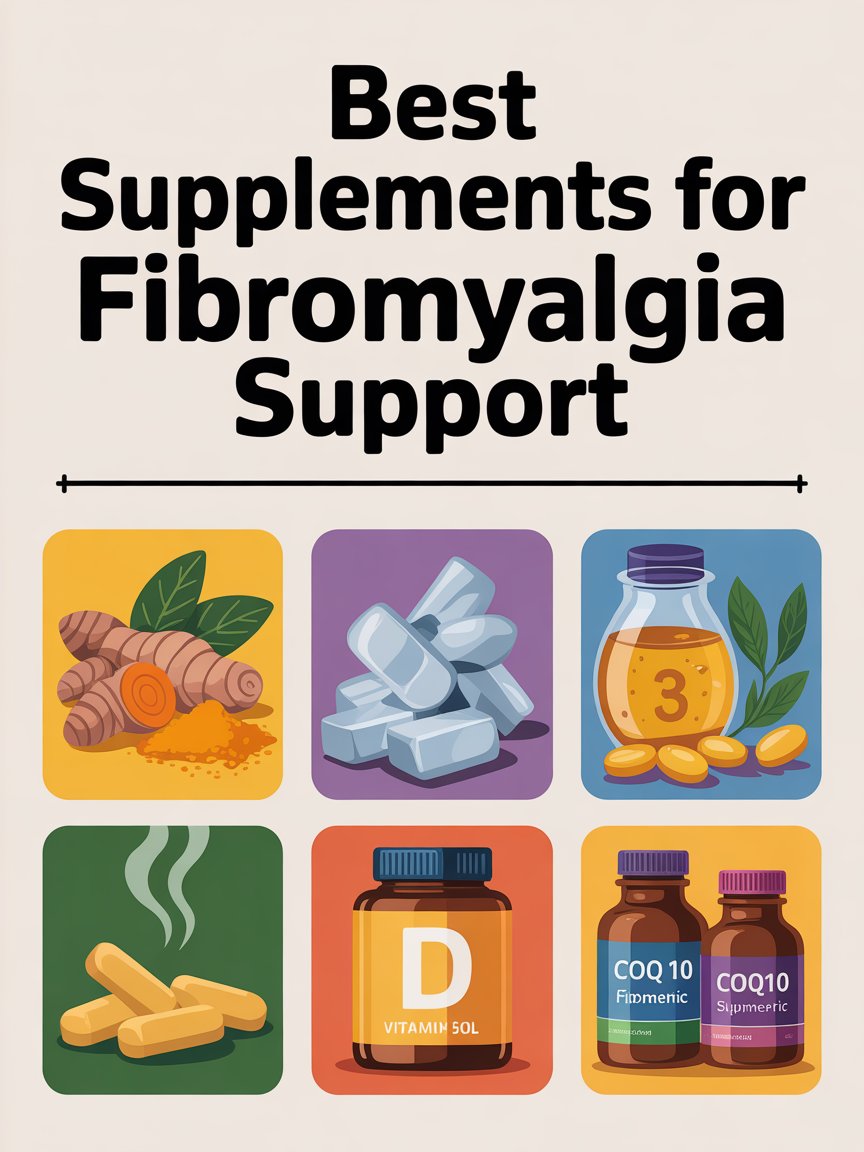
Best Supplements for Fibromyalgia Support
Fibromyalgia is a chronic condition characterized by widespread pain, fatigue, sleep disturbances, and cognitive difficulties. While there is no cure, many people explore supplements as part of a comprehensive management plan. Certain vitamins, minerals, and natural compounds may help reduce symptoms and improve overall well-being when used alongside medical care.
Below is a detailed guide to some of the best supplements that may support people living with fibromyalgia.
1. Vitamin D for Muscle and Immune Support
Vitamin D plays a crucial role in bone health, muscle function, and immune regulation. Low vitamin D levels have been linked to increased musculoskeletal pain and fatigue.
For individuals with fibromyalgia, correcting a deficiency may help reduce pain intensity and improve mood. Always test levels before supplementing, as excessive intake can cause complications.
2. Magnesium for Muscle Relaxation
Magnesium is essential for muscle relaxation and nerve function. Some research suggests that magnesium deficiency may contribute to muscle cramps and heightened pain sensitivity.
Supplementing with magnesium—often in forms like magnesium citrate or glycinate—may help ease muscle stiffness and promote better sleep.
3. Coenzyme Q10 for Energy Production
Coenzyme Q10 (CoQ10) is a powerful antioxidant involved in cellular energy production. Since fatigue is a major symptom of fibromyalgia, improving mitochondrial function may offer benefits.
Some small studies indicate that CoQ10 supplementation may reduce fatigue and pain levels in certain individuals.
4. Omega-3 Fatty Acids for Inflammation
Omega-3 fatty acids, commonly found in fish oil, support heart health and help regulate inflammation. Although fibromyalgia is not classified as an inflammatory condition, inflammation may still contribute to discomfort.
Omega-3 supplements may help improve mood and reduce joint stiffness.
5. B-Complex Vitamins for Nerve Health
B vitamins, especially B12 and B6, are essential for nerve function and energy metabolism. Deficiencies can worsen fatigue and neurological symptoms.
A balanced B-complex supplement may support cognitive clarity and reduce symptoms like brain fog.
6. Melatonin for Better Sleep
Sleep disturbances are common in fibromyalgia. Melatonin, a hormone that regulates the sleep-wake cycle, may help improve sleep quality.
Better sleep can indirectly reduce pain sensitivity and improve daytime energy levels.
7. 5-HTP for Mood and Pain Regulation
5-Hydroxytryptophan (5-HTP) is a precursor to serotonin, a neurotransmitter involved in mood and pain perception.
Some evidence suggests that 5-HTP supplementation may help improve sleep, reduce anxiety, and decrease pain intensity in certain individuals.
8. SAM-e for Mood and Joint Comfort
S-adenosyl-L-methionine (SAM-e) supports mood regulation and joint health. It has been studied for both depression and chronic pain conditions.
Some people with fibromyalgia report improvements in pain and morning stiffness with SAM-e supplementation.
9. Acetyl-L-Carnitine for Energy and Nerve Function
Acetyl-L-carnitine supports mitochondrial energy production and nerve health. Because fibromyalgia often involves fatigue and nerve-related discomfort, this supplement may provide supportive benefits.
Some studies suggest improvements in fatigue and cognitive function with its use.
10. Turmeric (Curcumin) for Natural Pain Relief
Curcumin, the active compound in turmeric, has antioxidant and anti-inflammatory properties.
Although fibromyalgia is complex, some individuals find curcumin helpful for reducing general body discomfort and supporting joint mobility.
11. Iron for Fatigue (If Deficient)
Iron deficiency can worsen fatigue and weakness. Testing iron levels is important before supplementation.
If a deficiency is present, correcting it may significantly improve energy and reduce overlapping symptoms.
12. Zinc for Immune and Nerve Support
Zinc plays a role in immune health and nerve signaling. Low levels have been observed in some people with chronic pain conditions.
Supplementing zinc under medical supervision may contribute to improved overall health.
13. Probiotics for Gut Health
Gut health may influence inflammation, mood, and immune balance. Some research suggests that people with fibromyalgia may experience digestive disturbances.
Probiotics may help improve gut function and support mental well-being through the gut-brain connection.
14. Herbal Adaptogens for Stress Management
Adaptogenic herbs like ashwagandha and rhodiola may help the body cope with stress.
Since stress can trigger fibromyalgia flare-ups, supporting stress resilience may indirectly reduce symptom severity.
15. Important Safety Considerations
Before starting any supplement, consult a healthcare provider. Supplements can interact with medications or cause side effects.
A personalized approach is best. Supplements work most effectively when combined with lifestyle strategies such as gentle exercise, balanced nutrition, stress management, and proper sleep.
Leave a Reply