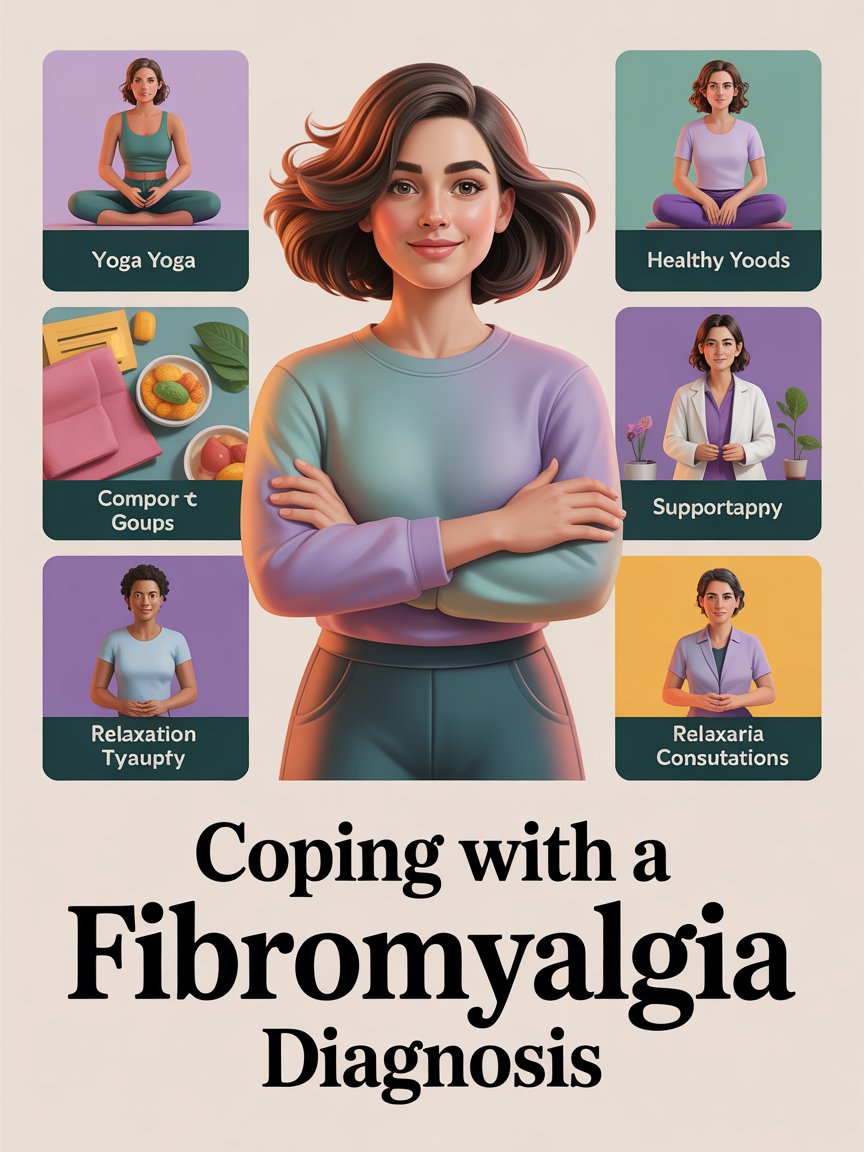
Coping With a Fibromyalgia Diagnosis
Receiving a fibromyalgia diagnosis can bring a mix of emotions—relief, confusion, fear, and even frustration. After months or years of unexplained symptoms, finally having a name for your condition can feel validating. At the same time, knowing that fibromyalgia is a chronic condition may feel overwhelming. Learning how to cope emotionally and practically is an important step toward living well.
1. Understanding What Fibromyalgia Is
Fibromyalgia is a chronic condition characterized by widespread pain, fatigue, sleep disturbances, and cognitive difficulties. It affects how the brain and nervous system process pain signals.
Recognizing that fibromyalgia is a real and medically acknowledged condition can help ease doubts or self-blame that often follow diagnosis.
2. Allowing Yourself to Process Emotions
It is normal to experience grief after a chronic illness diagnosis. You may mourn the loss of your previous energy levels or lifestyle.
Giving yourself permission to feel sadness, anger, or uncertainty is part of the healing process. Emotional acceptance takes time.
3. Educating Yourself About the Condition
Knowledge can reduce fear. Learning about fibromyalgia from reliable sources helps you understand what to expect.
Understanding concepts like central sensitization empowers you to make informed decisions about treatment and self-care.
4. Building a Support System
Sharing your diagnosis with trusted family members and friends can reduce feelings of isolation.
Consider joining support groups—either in person or online—where others living with fibromyalgia share coping strategies and encouragement.
5. Working Closely With Healthcare Providers
Developing a good relationship with your healthcare provider is essential. Open communication ensures your concerns are heard and addressed.
Treatment plans may include medication, physical therapy, counseling, or lifestyle adjustments tailored to your needs.
6. Setting Realistic Expectations
Fibromyalgia symptoms often fluctuate. Some days will feel manageable, while others may be more difficult.
Setting realistic goals helps prevent disappointment and reduces the “push and crash” cycle that can worsen symptoms.
7. Prioritizing Rest and Sleep
Quality sleep is crucial for symptom management. Establishing consistent bedtime routines and creating a calming sleep environment can improve rest.
Better sleep may help reduce pain intensity and daytime fatigue.
8. Practicing Gentle Movement
Although it may seem counterintuitive, light physical activity can help manage symptoms.
Low-impact exercises such as walking, stretching, or yoga can improve flexibility and boost mood when done gradually.
9. Managing Stress Effectively
Stress is a known trigger for fibromyalgia flare-ups. Incorporating stress-reduction techniques like deep breathing, meditation, or journaling can make a difference.
Small daily relaxation practices can improve both emotional and physical well-being.
10. Addressing Mental Health
Living with chronic pain can increase the risk of anxiety or depression. Seeking counseling or therapy can provide valuable coping tools.
Mental health support is not a sign of weakness—it is an important part of comprehensive care.
11. Adjusting Daily Routines
You may need to modify your daily activities to conserve energy. Breaking tasks into smaller steps and scheduling rest periods can prevent exhaustion.
Learning to pace yourself allows you to remain productive without triggering severe flare-ups.
12. Communicating Your Needs
Explaining fibromyalgia to others may feel challenging. Clear communication about your limitations and needs can reduce misunderstandings.
Advocating for yourself at work or home is part of managing the condition effectively.
13. Focusing on Nutrition and Hydration
A balanced diet supports overall health and energy levels. Staying hydrated and eating whole, nutrient-dense foods can contribute to better symptom control.
While no specific diet cures fibromyalgia, healthy habits support your body’s resilience.
14. Celebrating Small Achievements
Chronic illness often requires redefining success. Completing daily tasks, attending appointments, or practicing self-care are meaningful accomplishments.
Recognizing progress builds confidence and encourages continued effort.
15. Embracing a Long-Term Perspective
Coping with fibromyalgia is an ongoing journey. Symptoms may change over time, but many people find effective strategies that significantly improve their quality of life.
With education, support, and consistent self-care, living well with fibromyalgia is possible. Acceptance does not mean giving up—it means adapting with strength, patience, and compassion toward yourself.
Leave a Reply