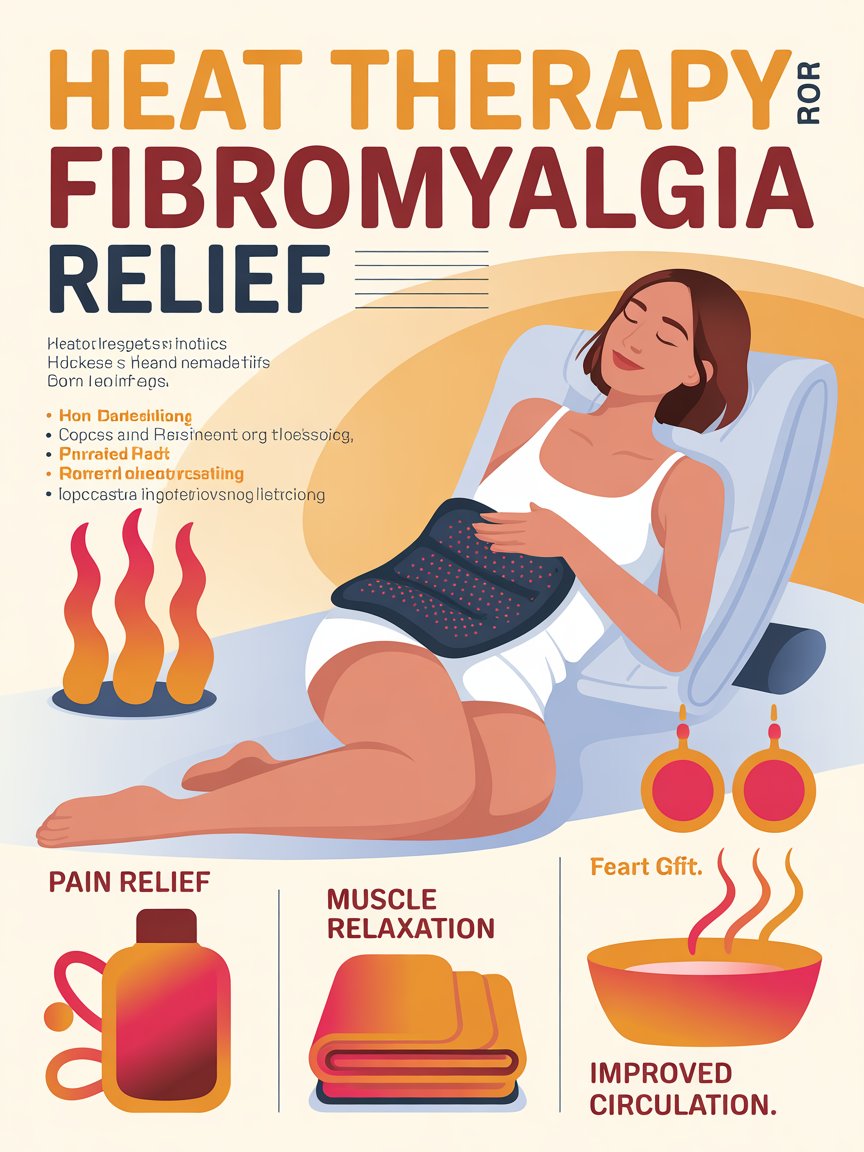
Heat Therapy for Fibromyalgia Relief
Living with fibromyalgia often means managing persistent muscle pain, stiffness, and fatigue. Among the many self-care strategies available, heat therapy stands out as one of the simplest and most effective tools for relief. Applying warmth to sore areas can help relax muscles, improve circulation, and reduce discomfort without medication.
This guide explains how heat therapy works and how to use it safely for fibromyalgia relief.
1. Why Heat Helps Fibromyalgia Pain
Fibromyalgia pain is linked to heightened sensitivity in the nervous system. When muscles become tense or stiff, pain can intensify.
Heat helps by relaxing tight muscles and calming nerve signals. The soothing sensation can reduce the perception of pain and promote comfort.
2. How Heat Improves Blood Flow
Warmth causes blood vessels to expand, increasing circulation to affected areas. Improved blood flow delivers oxygen and nutrients to muscles.
This process can reduce stiffness and help the body recover from minor strains or daily tension.
3. Easing Morning Stiffness
Many people with fibromyalgia wake up feeling stiff and achy. Applying heat in the morning can make movement easier.
A warm shower or heating pad before starting the day can gently loosen muscles and improve flexibility.
4. Heating Pads for Targeted Relief
Electric or microwaveable heating pads provide direct warmth to specific areas like the neck, shoulders, or lower back.
Use moderate heat for 15–20 minutes at a time. Avoid falling asleep with a heating pad to prevent burns.
5. Warm Baths and Soaks
Soaking in a warm bath can provide full-body relief. The combination of heat and buoyancy helps relax muscles and reduce pressure on joints.
Adding Epsom salts may enhance relaxation, though individual experiences vary.
6. Heated Blankets for Whole-Body Comfort
Heated blankets are helpful during colder months when symptoms may worsen.
They offer gentle, consistent warmth that can ease widespread discomfort while resting.
7. Moist Heat vs. Dry Heat
Moist heat, such as warm towels or steam, may penetrate tissues more deeply than dry heat.
Both methods can be effective, so personal preference and comfort should guide your choice.
8. Heat Before Gentle Exercise
Applying heat before stretching or light activity can prepare muscles for movement.
Warm muscles are more flexible and less prone to strain, making exercise sessions more comfortable.
9. Reducing Stress With Warmth
Stress often worsens fibromyalgia symptoms. Heat therapy encourages relaxation and can calm the nervous system.
Taking time for a warm bath or shower may serve as both physical and emotional self-care.
10. Managing Sleep Disturbances
Sleep problems are common in fibromyalgia. A warm bath before bedtime can help signal the body to relax.
As body temperature gradually cools after bathing, it may promote deeper, more restful sleep.
11. When to Use Heat Carefully
Although heat is generally safe, it should not be used on areas with swelling, open wounds, or reduced sensation.
Always test the temperature before applying heat to avoid burns or skin irritation.
12. Combining Heat With Other Therapies
Heat therapy works well alongside other treatments such as gentle stretching, massage, or relaxation exercises.
A comprehensive approach often provides better symptom control than relying on a single method.
13. Using Portable Heat Options
Portable heat wraps and patches allow relief while staying active.
These options can be helpful for managing discomfort during work or travel.
14. Recognizing Personal Triggers
Some individuals may find that extreme heat aggravates fatigue. Monitoring how your body responds is important.
Adjust temperature and duration based on comfort levels.
15. Making Heat Therapy Part of Your Routine
Consistency can maximize benefits. Incorporating heat therapy into your daily or weekly routine may help stabilize symptoms.
Whether it’s a morning shower, evening bath, or heating pad session, regular use can contribute to ongoing comfort and relaxation.
Leave a Reply