Fibromyalgia and Migraines
1. Introduction to the Connection
Fibromyalgia and Migraine are two chronic conditions that frequently occur together. Many individuals diagnosed with fibromyalgia also report recurring migraine attacks. Understanding the link between them can help improve symptom management and overall quality of life.
2. What Is Fibromyalgia?
Fibromyalgia is a long-term disorder characterized by widespread musculoskeletal pain, fatigue, sleep disturbances, and cognitive difficulties. It is closely associated with abnormal pain processing in the central nervous system. Symptoms often fluctuate in intensity over time.
3. What Are Migraines?
Migraines are more than just severe headaches. They are neurological events that can include throbbing head pain, nausea, sensitivity to light and sound, and sometimes visual disturbances known as aura. Migraine attacks can last for hours or even days.
4. Shared Nervous System Sensitivity
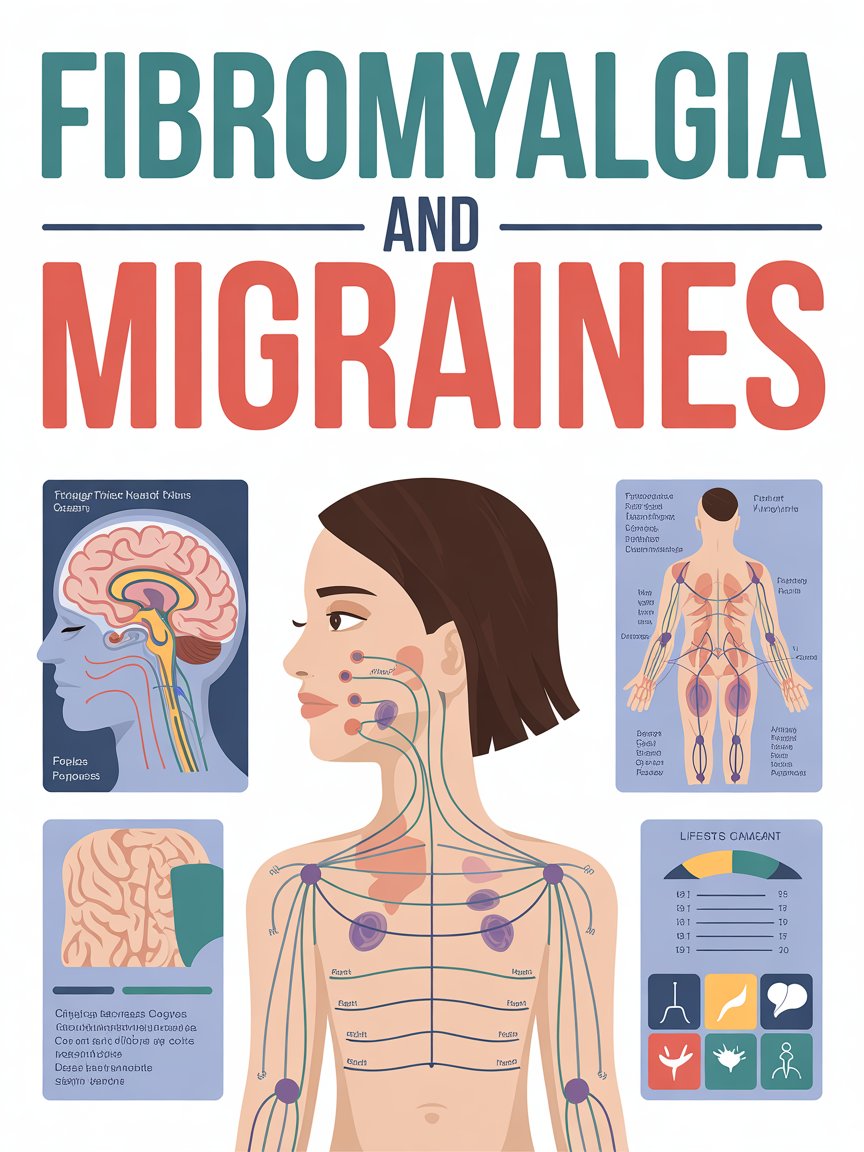
Both conditions involve heightened sensitivity within the nervous system. Central sensitization plays a major role, meaning the brain amplifies pain signals more than usual. This shared mechanism may explain why they commonly coexist.
5. The Role of Neurotransmitters
Chemical messengers such as serotonin are involved in both fibromyalgia and migraines. Imbalances in these neurotransmitters can influence pain perception and mood. This overlap further strengthens the connection between the two conditions.
6. Increased Sensory Sensitivity
People with fibromyalgia often experience sensitivity to light, sound, and touch. These same sensitivities are common migraine triggers. When combined, they can intensify discomfort during flare-ups.
7. Fatigue and Migraine Triggers
Chronic fatigue, a hallmark of fibromyalgia, may increase migraine frequency. Poor sleep and exhaustion can act as powerful migraine triggers. Managing energy levels is therefore essential for reducing attacks.
8. Stress as a Common Factor
Stress is a well-known trigger for both fibromyalgia flare-ups and migraine episodes. Emotional strain can heighten nervous system reactivity. Learning stress-management techniques may benefit both conditions.
9. Hormonal Influences
Hormonal fluctuations, particularly in women, can influence both fibromyalgia symptoms and migraine frequency. Changes during menstrual cycles, pregnancy, or menopause may worsen symptoms. Tracking patterns can help identify triggers.
10. Impact on Daily Functioning
When fibromyalgia and migraines occur together, daily activities may become more challenging. Pain, nausea, and fatigue can limit work, social interactions, and physical activity. Planning and pacing are often necessary.
11. Sleep Disturbances and Their Effect
Sleep problems are common in fibromyalgia and can worsen migraines. Interrupted or non-restorative sleep increases pain sensitivity. Prioritizing good sleep hygiene is critical for symptom control.
12. Treatment Overlap
Some medications used to treat migraines may also help manage fibromyalgia symptoms. Certain antidepressants and nerve-regulating medications can reduce pain frequency. Treatment plans should always be personalized by a healthcare provider.
13. Lifestyle Adjustments
Regular gentle exercise, balanced nutrition, and hydration can help stabilize both conditions. Avoiding known migraine triggers, such as certain foods or bright lights, may also reduce flare-ups. Consistency in daily habits is key.
14. Keeping a Symptom Journal
Tracking headaches, pain levels, sleep patterns, and stress can reveal important connections. A symptom journal helps identify patterns and triggers. This information supports more effective medical guidance.
15. Living Well With Both Conditions
Although managing fibromyalgia and migraines together can be challenging, proactive strategies make a difference. With proper medical support, stress management, and lifestyle adjustments, many individuals find better control over their symptoms. Understanding the connection between these conditions empowers people to take informed steps toward improved well-being.
Leave a Reply