1. Understanding Fibromyalgia and Joint Pain
Fibromyalgia is a chronic condition that causes widespread pain throughout the body. While fibromyalgia is mainly known for muscle pain and tenderness, many people also experience joint pain. This discomfort can affect daily activities and overall quality of life.
2. How Fibromyalgia Affects Pain Perception
Fibromyalgia affects how the brain and nervous system process pain signals. The body becomes more sensitive to pain, a condition often called heightened pain sensitivity. Because of this, normal sensations in joints may feel more painful than they actually are.
3. Common Joints Affected
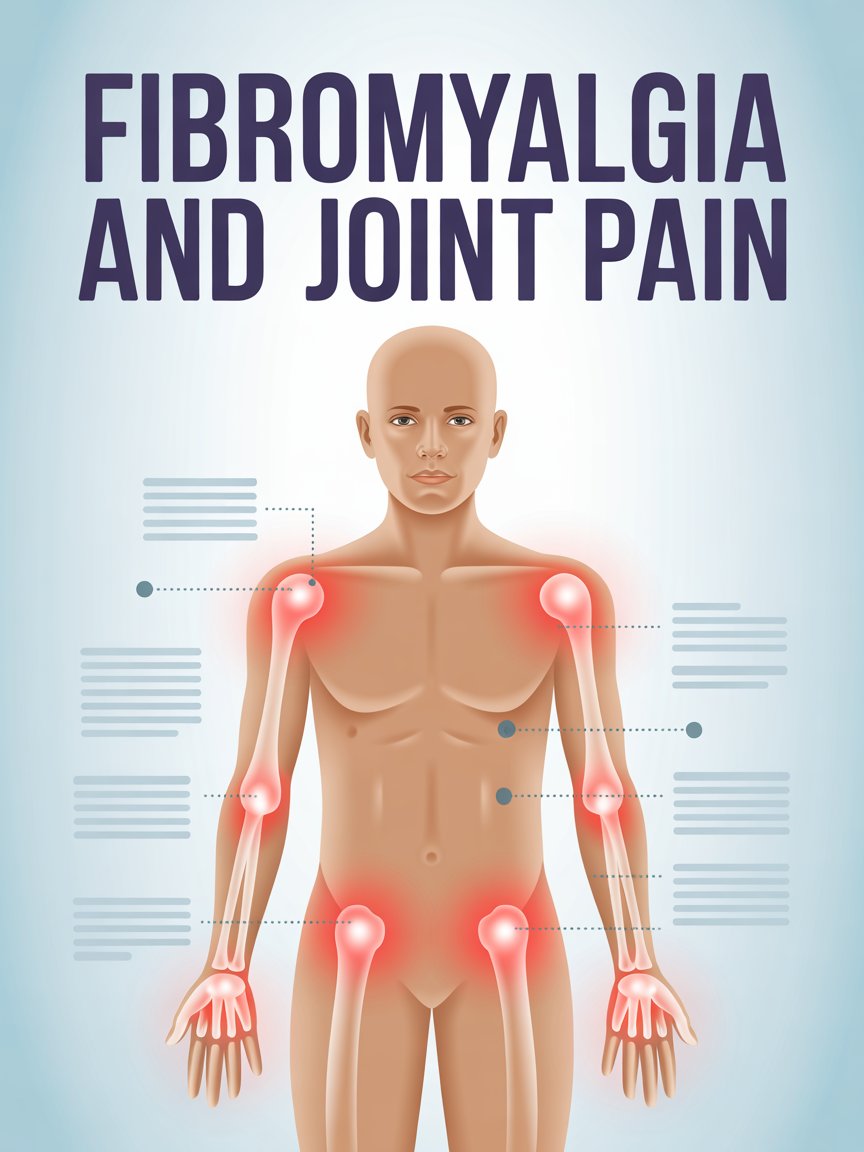
People with fibromyalgia often report pain in several joints, including the knees, shoulders, hips, elbows, and wrists. The discomfort may move from one joint to another. This shifting pain pattern is common in fibromyalgia.
4. Difference Between Joint Pain and Joint Damage
Unlike conditions such as arthritis, fibromyalgia does not usually cause damage or inflammation in the joints themselves. The pain comes from how the nervous system processes signals rather than structural joint problems. This is why imaging tests often appear normal.
5. Joint Stiffness and Morning Discomfort
Many fibromyalgia patients experience stiffness in their joints, especially in the morning. This stiffness can make it difficult to move comfortably after waking up. Gentle movement and stretching often help reduce this discomfort.
6. The Role of Muscle Tension
Muscle tension surrounding the joints can contribute to joint pain in fibromyalgia. Tight muscles may place extra pressure on nearby joints. Relaxing muscles can help reduce the strain on these areas.
7. Fatigue and Its Impact on Joint Pain
Fatigue is another major symptom of fibromyalgia. When the body is constantly tired, muscles and joints may feel weaker and more sensitive. This can make joint pain feel more noticeable throughout the day.
8. Weather Changes and Joint Sensitivity
Some people with fibromyalgia notice that their joint pain worsens during weather changes. Cold temperatures, humidity, or sudden shifts in weather can increase stiffness and discomfort. This sensitivity can make certain seasons more challenging.
9. Importance of Gentle Movement
Staying active is important for maintaining joint flexibility. Low-impact exercises such as walking, stretching, or swimming can help keep joints mobile. Regular movement may reduce stiffness and improve overall comfort.
10. Using Heat for Joint Relief
Heat therapy can be helpful for relieving joint pain. Warm baths, heating pads, or warm compresses can relax muscles and improve circulation around joints. Many fibromyalgia patients find warmth soothing for painful areas.
11. Maintaining Good Posture
Poor posture can put extra pressure on joints and increase discomfort. Maintaining proper posture while sitting, standing, or working can help reduce strain. Supportive chairs and ergonomic workspaces can also be beneficial.
12. Managing Stress to Reduce Pain
Stress can intensify fibromyalgia symptoms, including joint pain. When stress levels rise, muscles tend to tighten and increase discomfort. Relaxation techniques such as meditation or deep breathing may help manage stress.
13. Healthy Lifestyle Habits
Healthy habits can support joint health and overall well-being. Balanced nutrition, regular sleep, and gentle physical activity can all help reduce fibromyalgia symptoms. These habits also improve energy levels and resilience.
14. When to Seek Medical Advice
If joint pain becomes severe or changes suddenly, it is important to consult a healthcare professional. Doctors can rule out other conditions that may cause joint damage. Proper evaluation ensures the correct treatment approach.
15. Managing Joint Pain in Daily Life
Although fibromyalgia-related joint pain can be challenging, many strategies can help manage it. Regular movement, stress management, and healthy routines can reduce discomfort over time. With proper care and awareness, individuals with fibromyalgia can maintain a more comfortable and active lifestyle.
Leave a Reply