Best Relaxation Techniques for Fibromyalgia
1. Understanding Relaxation and Fibromyalgia
Fibromyalgia is a chronic condition that often causes widespread pain, fatigue, sleep disturbances, and increased stress levels. Because the nervous system is highly sensitive, relaxation techniques can help calm the body and reduce discomfort. Learning effective relaxation methods can play an important role in managing daily symptoms.
2. Deep Breathing Exercises
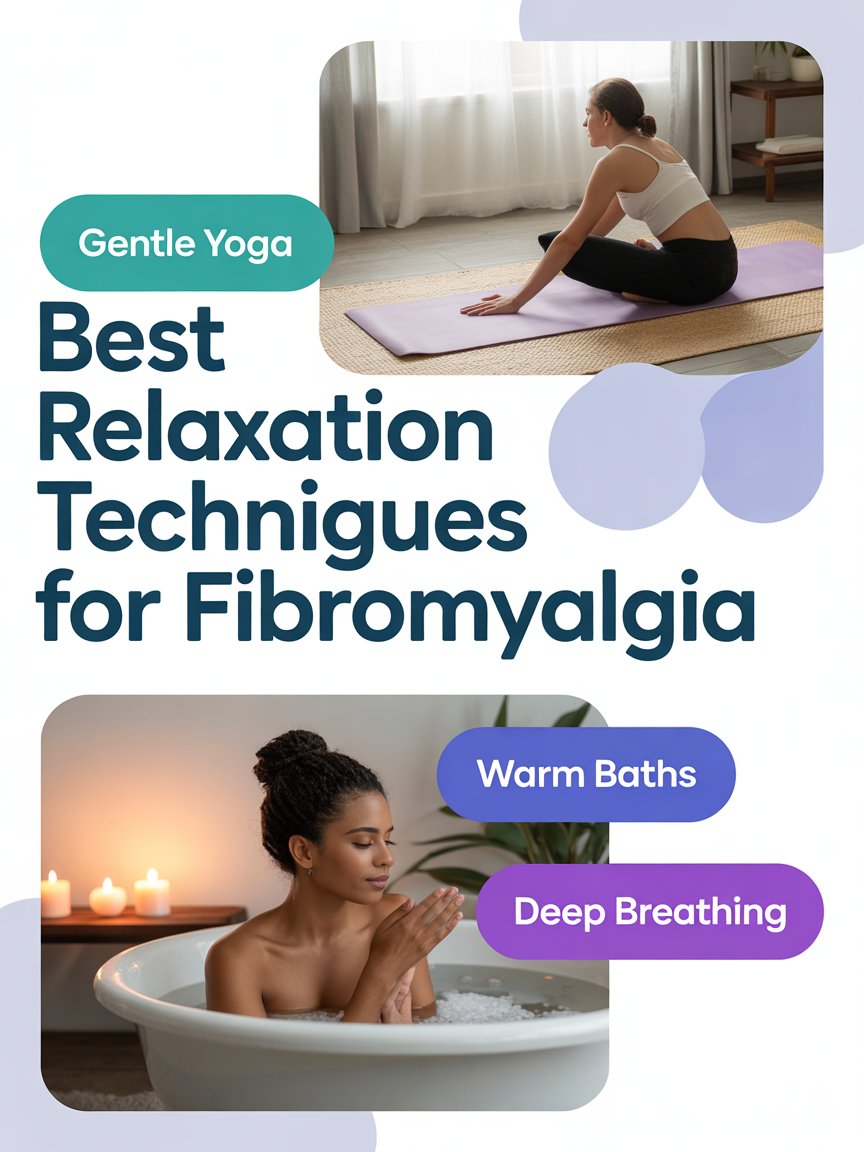
Deep breathing is one of the simplest and most effective relaxation techniques. Slow, controlled breathing helps calm the nervous system and reduce tension. Practicing deep breathing for a few minutes each day can help decrease stress and promote relaxation.
3. Meditation for Mental Calm
Meditation encourages the mind to focus and relax. This practice helps reduce mental stress, which can worsen fibromyalgia symptoms. Even short meditation sessions can help quiet the mind and improve emotional balance.
4. Progressive Muscle Relaxation
Progressive muscle relaxation involves slowly tightening and then relaxing different muscle groups. This technique helps release built-up tension in the body. For fibromyalgia patients, it can help reduce muscle stiffness and promote a sense of calm.
5. Gentle Stretching
Stretching exercises help relax tight muscles and improve flexibility. Gentle stretching routines can reduce muscle tension and increase circulation. This technique is especially helpful when practiced regularly.
6. Mindfulness Practices
Mindfulness focuses on staying present in the current moment. By paying attention to breathing, sensations, or surroundings, individuals can reduce stress and anxiety. Mindfulness practices help calm the nervous system and improve emotional well-being.
7. Warm Baths and Heat Therapy
Warm baths or heating pads can relax tense muscles and reduce pain. Heat therapy improves blood circulation and soothes sore areas. Many fibromyalgia patients find warmth comforting during stressful or painful moments.
8. Listening to Calming Music
Music can have a powerful effect on mood and relaxation. Soft, calming music can help reduce stress and promote a peaceful state of mind. Listening to relaxing music before bedtime may also improve sleep quality.
9. Guided Relaxation
Guided relaxation involves listening to calming instructions that help the body relax. These sessions often include visualization and breathing exercises. Guided relaxation can help individuals release tension and focus on positive mental images.
10. Spending Time in Nature
Natural environments can have a calming effect on the mind and body. Walking in a park or spending time outdoors can reduce stress and improve mood. Nature can provide a peaceful setting that encourages relaxation.
11. Practicing Gentle Yoga
Gentle yoga combines slow movements, stretching, and breathing techniques. This practice helps relax the body while improving flexibility and balance. Many fibromyalgia patients benefit from yoga because it supports both physical and mental relaxation.
12. Journaling for Emotional Release
Writing in a journal can help individuals express thoughts and emotions. This practice can relieve mental stress and provide clarity about personal challenges. Journaling can also help identify stress triggers that affect fibromyalgia symptoms.
13. Creating a Relaxation Routine
Setting aside time each day for relaxation can improve long-term stress management. A regular routine may include meditation, stretching, or quiet activities. Consistency helps the body learn how to relax more easily.
14. Reducing Environmental Stress
Creating a calm environment at home can support relaxation. Soft lighting, comfortable furniture, and quiet surroundings can reduce sensory overload. A peaceful environment helps the nervous system remain balanced.
15. Making Relaxation a Daily Habit
Relaxation techniques are most effective when practiced regularly. Incorporating these practices into daily life can help reduce stress and manage fibromyalgia symptoms more effectively. Over time, consistent relaxation habits can improve overall comfort and quality of life.
Leave a Reply