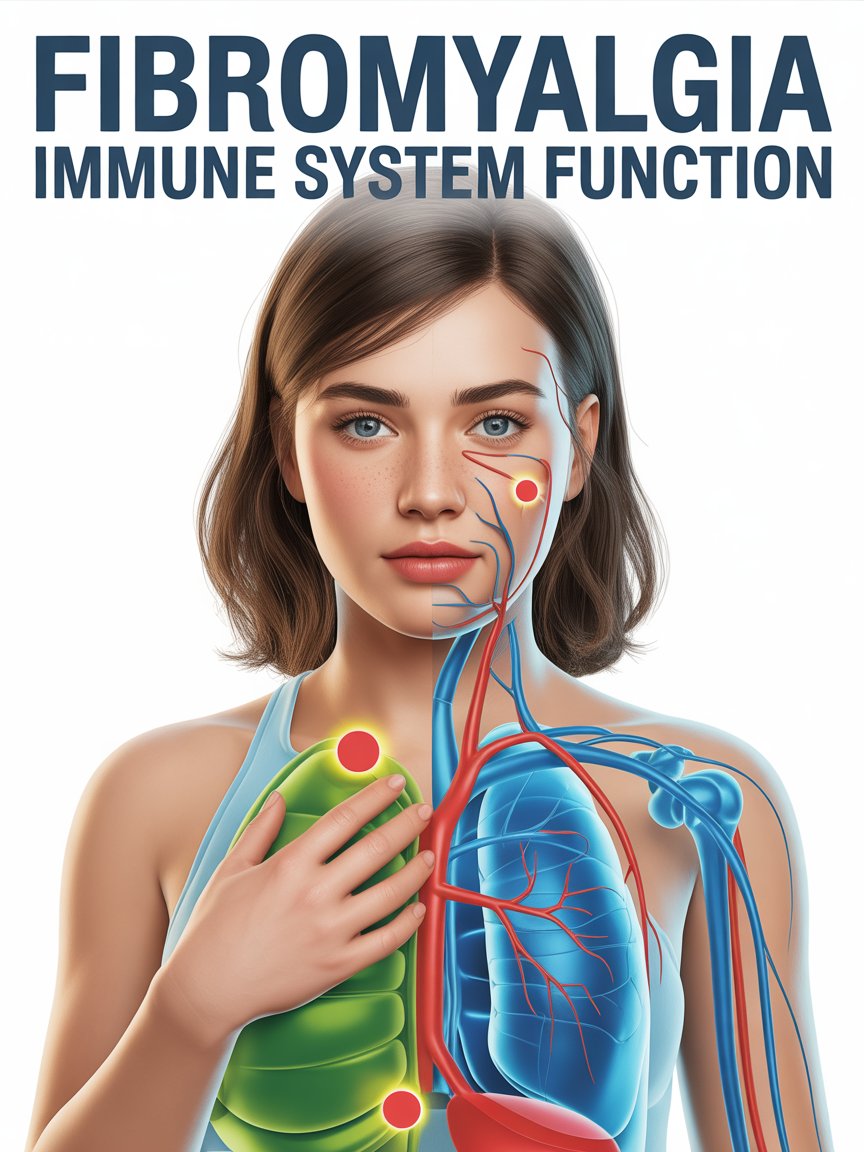
Fibromyalgia and Immune System Function
1. Introduction to Fibromyalgia and the Immune System
Fibromyalgia is a long-term condition that causes widespread pain, fatigue, sleep problems, and cognitive difficulties. While fibromyalgia is mainly linked to how the brain and nervous system process pain, researchers have also explored possible connections with the immune system.
Some people with fibromyalgia experience symptoms that resemble immune system activity, such as inflammation-like pain, sensitivity, and frequent fatigue. This has led scientists to investigate whether immune responses play a role in the condition.
2. Understanding the Immune System
The immune system is the body’s defense network against infections, viruses, and harmful substances. It includes cells, tissues, and organs that work together to protect the body.
When the immune system functions normally, it identifies threats and fights them effectively. However, when it becomes overactive or dysregulated, it can contribute to chronic health conditions.
3. Is Fibromyalgia an Autoimmune Disease?
Many people wonder whether fibromyalgia is an autoimmune disorder. Currently, it is not classified as an autoimmune disease like Rheumatoid Arthritis or Lupus.
Autoimmune diseases occur when the immune system attacks the body’s own tissues. In fibromyalgia, there is no clear evidence that this type of immune attack occurs, although immune system involvement may still exist.
4. Nervous System and Immune System Interaction
The nervous system and immune system communicate closely with each other. In fibromyalgia, the nervous system becomes more sensitive to pain signals.
This heightened sensitivity may influence how the immune system reacts, possibly leading to increased inflammation signals or immune activity in the body.
5. Low-Grade Inflammation
Some studies suggest that people with fibromyalgia may experience low-grade inflammation. Unlike severe inflammation seen in autoimmune diseases, this type is subtle and difficult to detect.
Low-level inflammation may contribute to fatigue, muscle pain, and overall discomfort.
6. Immune System Cells and Fibromyalgia
Researchers have studied certain immune cells, such as cytokines and antibodies, in people with fibromyalgia. Cytokines are small proteins that help regulate inflammation and immune responses.
Imbalances in these immune signals may influence how pain and fatigue are experienced.
7. Increased Sensitivity to Illness
Some individuals with fibromyalgia report that they become sick more easily or take longer to recover from infections.
While this does not necessarily mean the immune system is weak, it may indicate that the body’s stress response and immune activity are affected by the condition.
8. Fibromyalgia and Chronic Stress
Chronic stress can strongly affect immune system function. Stress hormones can disrupt the body’s balance and increase inflammation.
Because fibromyalgia symptoms are often worsened by stress, managing emotional and physical stress can support immune health.
9. Sleep and Immune Health
Poor sleep is a common symptom of fibromyalgia and can also weaken immune responses. Lack of restorative sleep may increase fatigue and reduce the body’s ability to recover from illness.
Improving sleep quality may help support both immune function and symptom management.
10. The Role of Diet and Nutrition
Healthy nutrition plays an important role in maintaining immune system balance. Diets rich in fruits, vegetables, whole grains, and healthy fats support overall health.
Certain nutrients such as vitamins, antioxidants, and minerals help the immune system function properly.
11. Exercise and Immune Support
Gentle physical activity can support both the immune system and fibromyalgia symptom control. Activities like walking, stretching, and swimming improve circulation and reduce stress.
Regular movement may also help reduce inflammation and improve energy levels.
12. Gut Health and the Immune System
A large portion of the immune system is connected to the digestive system. Some people with fibromyalgia also experience digestive issues such as Irritable Bowel Syndrome.
Maintaining good gut health through balanced nutrition and hydration may help support immune balance.
13. Managing Immune-Related Symptoms
Although fibromyalgia is not primarily an immune disorder, supporting immune health can still improve overall well-being. Healthy habits such as proper sleep, stress management, and regular activity are beneficial.
These lifestyle strategies can help reduce symptom intensity and improve daily functioning.
14. Ongoing Research on Fibromyalgia
Scientists continue to study the relationship between fibromyalgia and immune system activity. New research is exploring how inflammation, immune cells, and nervous system sensitivity interact.
These studies may lead to better understanding and improved treatment options in the future.
15. Living Well With Fibromyalgia
Fibromyalgia is a complex condition involving many body systems, including the nervous and immune systems. While it is not considered an autoimmune disease, immune function may still influence symptoms.
By focusing on healthy lifestyle habits and working closely with healthcare providers, individuals with fibromyalgia can better manage symptoms and support their overall health.
Leave a Reply