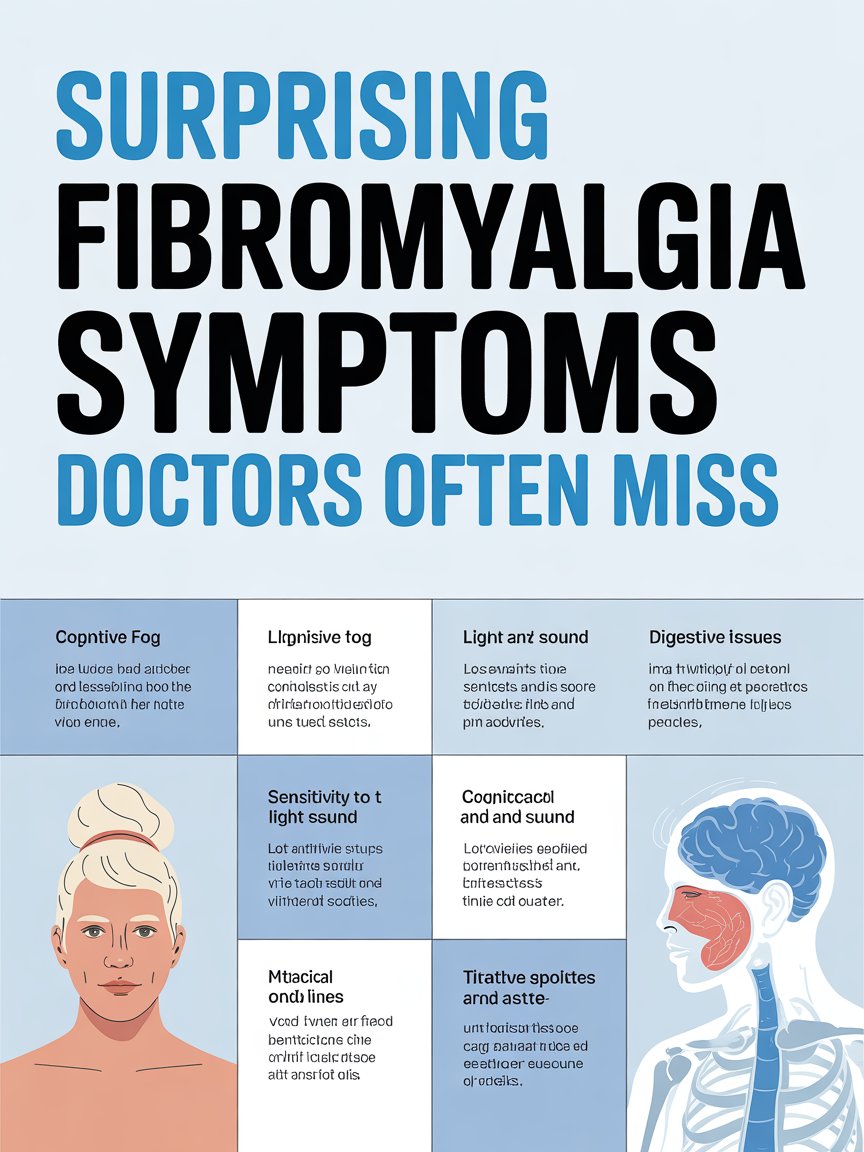
Surprising Fibromyalgia Symptoms Doctors Often Miss
1. Understanding Hidden Fibromyalgia Symptoms
Fibromyalgia is a complex condition that affects pain perception, fatigue, and overall quality of life. While widespread pain and fatigue are well-known, some symptoms are subtle and often overlooked by healthcare professionals. Recognizing these hidden signs can help patients receive a more comprehensive diagnosis and care plan.
2. Cognitive Difficulties (“Brain Fog”)
Many people with fibromyalgia experience memory problems, trouble concentrating, and difficulty processing information. These cognitive issues, often called “brain fog,” can significantly affect work and daily life but are sometimes dismissed as stress or aging.
3. Heightened Sensory Sensitivity
Women and men with fibromyalgia may become unusually sensitive to light, sound, touch, or even temperature changes. This sensory sensitivity is often missed during routine examinations but can cause major discomfort in everyday environments.
4. Digestive Problems
Symptoms such as bloating, constipation, diarrhea, or irritable bowel syndrome (IBS) often accompany fibromyalgia. These issues may be overlooked or treated separately, even though they can be linked to the condition.
5. Frequent Headaches or Migraines
Recurring headaches, tension headaches, or migraines are sometimes associated with fibromyalgia but can be attributed to unrelated causes. These headaches often worsen during symptom flare-ups.
6. Tingling and Numbness
Some individuals experience tingling, numbness, or “pins and needles” sensations in the hands, arms, legs, or feet. These neurological-like symptoms are frequently missed because they can resemble other nerve disorders.
7. Unexplained Fatigue
Extreme fatigue that does not improve with rest is a hallmark of fibromyalgia, yet it is often underestimated by doctors. Patients may feel worn out after minimal activity, which can affect work, family life, and hobbies.
8. Mood Changes
Depression, anxiety, or irritability can develop alongside fibromyalgia. Emotional symptoms may be seen as separate from the physical condition, leading to underdiagnosis of the overall syndrome.
9. Sleep Disturbances
Non-restorative sleep, difficulty staying asleep, or frequent awakenings are common but often overlooked. Poor sleep worsens pain, fatigue, and cognitive issues, creating a cycle of discomfort.
10. Muscle Stiffness
Muscle stiffness, particularly in the morning, may be subtle but persistent. Doctors may dismiss it as normal aging or a minor musculoskeletal issue.
11. Jaw and Facial Pain
Some patients experience jaw tension or temporomandibular joint (TMJ) discomfort that is not immediately linked to fibromyalgia. Facial pain can add to headaches and overall discomfort.
12. Sensitivity to Medications
People with fibromyalgia may react more strongly to certain medications, including painkillers or antidepressants. Side effects may appear exaggerated, complicating treatment plans.
13. Temperature Sensitivity
Some patients feel overly sensitive to heat or cold. Even minor changes in room temperature or weather can trigger discomfort, which is often dismissed as unrelated.
14. Subtle Skin Sensitivity
Fibromyalgia can cause mild skin tenderness or heightened sensitivity to touch. Patients may feel itching or discomfort from clothing or bedding, which is frequently overlooked.
15. Recognizing the Full Spectrum
Because fibromyalgia symptoms are diverse and sometimes subtle, patients need to track their experiences carefully. Understanding hidden symptoms can improve communication with doctors, guide effective treatment, and lead to better symptom management and quality of life.
Leave a Reply