1. Understanding the Link Between Stress and Chronic Pain
Chronic pain, such as that experienced in Fibromyalgia, is often worsened by stress. When the body is stressed, muscles tighten, inflammation can increase, and the nervous system becomes more sensitive to pain. Managing stress effectively is essential to reducing discomfort and improving overall well-being.
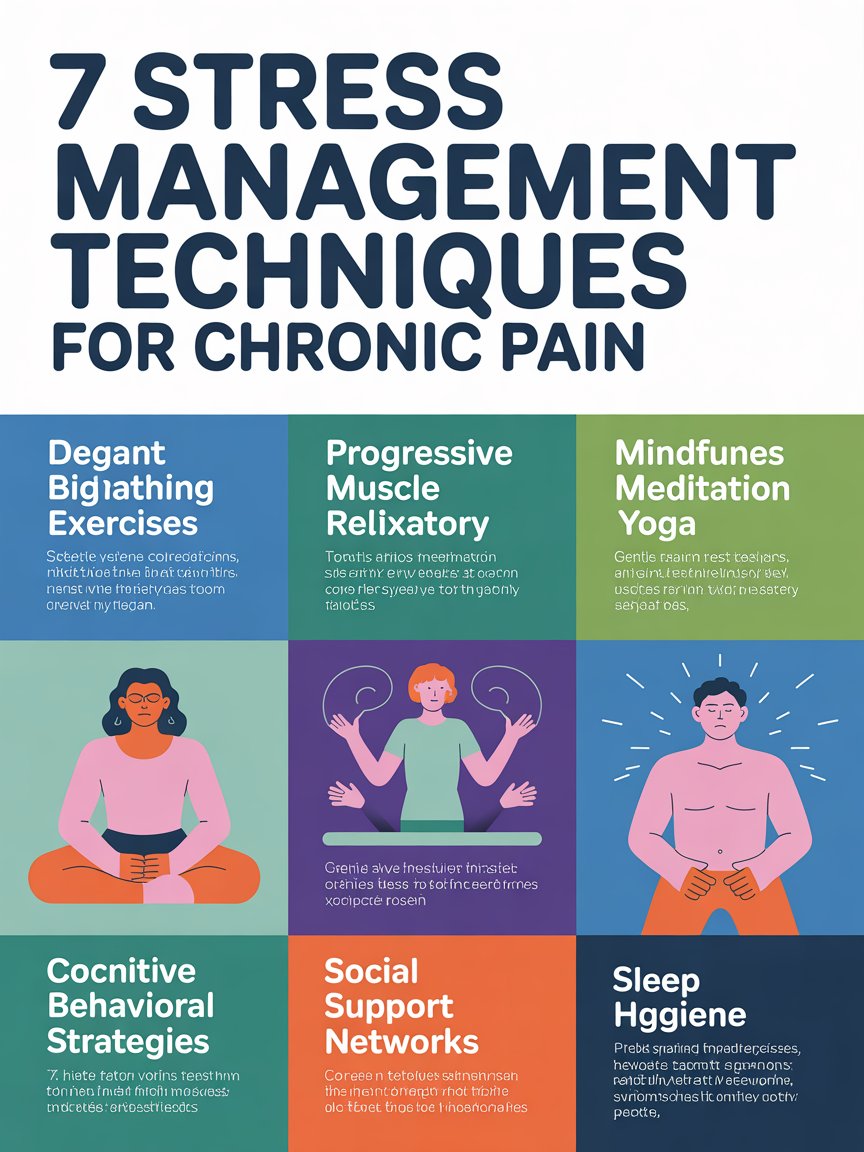
2. Technique 1: Deep Breathing Exercises
Deep breathing helps activate the body’s relaxation response. By inhaling slowly through the nose and exhaling through the mouth, muscles can relax, heart rate decreases, and pain perception may be reduced. Practicing deep breathing several times a day can help manage both stress and pain.
3. Technique 2: Progressive Muscle Relaxation
Progressive muscle relaxation involves tensing a muscle group for a few seconds and then slowly releasing it. This technique helps reduce muscle tension and increases awareness of areas that may be holding stress, which can alleviate chronic pain symptoms.
4. Technique 3: Mindfulness Meditation
Mindfulness meditation teaches individuals to focus on the present moment without judgment. By paying attention to sensations, thoughts, and emotions, people with chronic pain can reduce stress, decrease the emotional impact of pain, and improve coping skills.
5. Technique 4: Gentle Physical Activity
Low-impact exercises such as walking, swimming, or yoga can reduce stress by releasing endorphins, improving circulation, and relaxing muscles. Regular gentle movement can also improve mood and help manage pain over time.
6. Technique 5: Guided Imagery
Guided imagery involves visualizing calming or positive scenes to distract the mind from pain. Listening to guided imagery recordings or imagining peaceful settings can reduce stress and shift focus away from discomfort.
7. Technique 6: Journaling
Writing about thoughts and feelings can help process stress and reduce emotional tension. Keeping a daily journal allows individuals to identify pain triggers, track patterns, and release negative emotions in a safe way.
8. Technique 7: Social Support and Talking Therapy
Connecting with supportive friends, family, or support groups provides emotional relief and practical advice. Talking therapies, including counseling or Cognitive Behavioral Therapy (CBT), help patients develop coping strategies for stress and chronic pain.
9. Combining Techniques for Maximum Effect
Stress management is most effective when multiple techniques are combined. For example, pairing deep breathing with gentle movement or journaling with mindfulness meditation can provide both physical and emotional relief.
10. Creating a Daily Routine
Incorporating stress management into a daily routine ensures consistent practice. Setting aside specific times for relaxation, exercise, and self-care strengthens the body’s resilience against chronic pain flare-ups.
11. Monitoring Stress Triggers
Identifying personal stress triggers, such as fatigue, work pressure, or social situations, allows individuals to prepare or avoid them. Awareness of triggers can reduce the frequency and intensity of pain episodes.
12. Using Environmental Supports
A calming environment—quiet spaces, soothing music, or aromatherapy—can enhance stress reduction techniques. Small adjustments at home or work can help maintain relaxation throughout the day.
13. Practicing Patience and Self-Compassion
Managing chronic pain and stress is a gradual process. Practicing patience and self-compassion helps prevent frustration, which itself can worsen stress and pain.
14. Evaluating Progress
Regularly assessing which stress management techniques are most effective allows patients to focus on strategies that work best for them. Adjusting the approach over time ensures continued benefit.
15. Integrating Stress Management Into Fibromyalgia Care
Effective stress management is an essential part of comprehensive care for chronic pain and fibromyalgia. By combining relaxation, physical activity, mindfulness, and social support, individuals can reduce pain intensity, improve mood, and enhance quality of life.
Leave a Reply