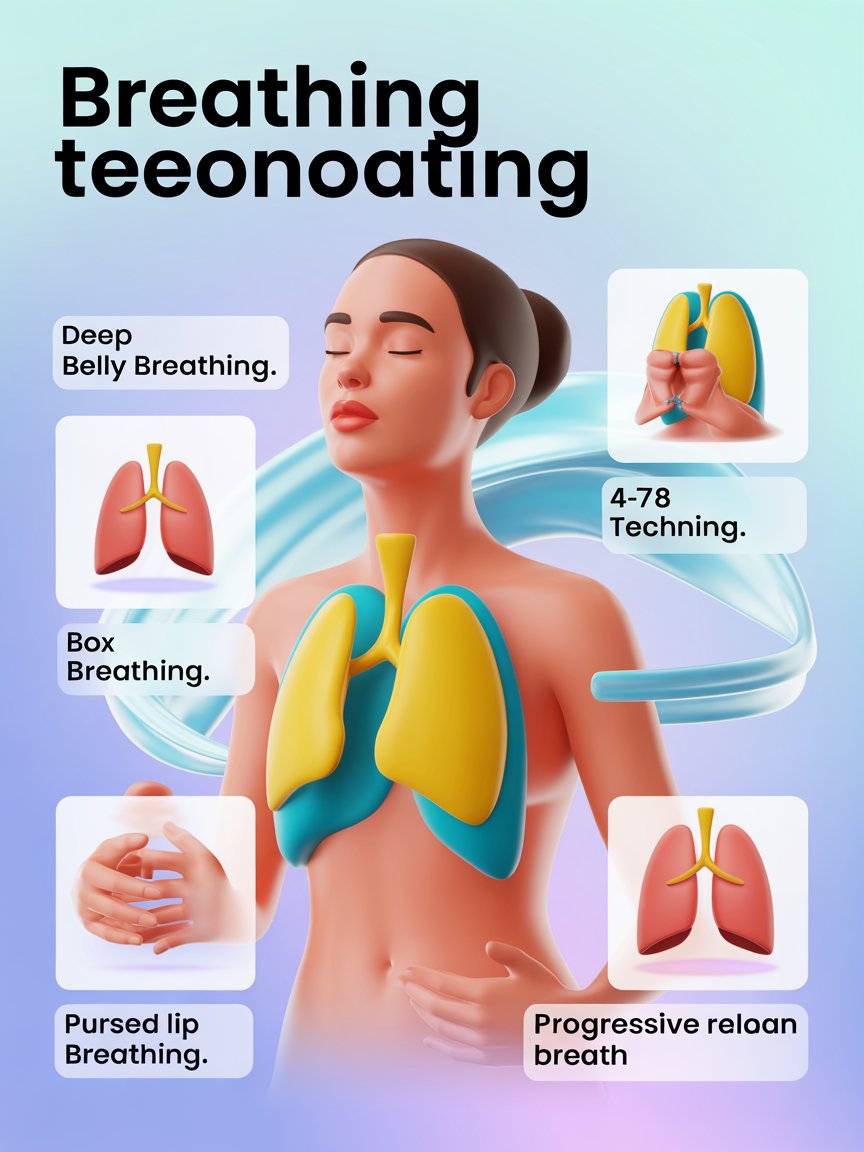
5 Breathing Exercises for Fibromyalgia
1. Understanding the Role of Breathing in Pain Relief
People living with Fibromyalgia often experience muscle tension, fatigue, and stress. Breathing exercises can help calm the nervous system, relax muscles, and reduce the intensity of pain. Practicing controlled breathing regularly can improve relaxation and overall well-being.
2. Why Breathing Exercises Help Fibromyalgia
Deep and mindful breathing increases oxygen flow to the body and brain. It also lowers stress hormones and promotes a sense of calm. For fibromyalgia patients, this can lead to reduced muscle tightness, better sleep, and improved pain control.
3. Exercise 1: Deep Belly Breathing
Deep belly breathing focuses on using the diaphragm rather than shallow chest breathing. Sit or lie comfortably, place one hand on your stomach, inhale slowly through your nose, and allow your belly to rise. Then exhale slowly through your mouth. This exercise helps relax the body and reduce tension.
4. Exercise 2: 4-7-8 Breathing Technique
The 4-7-8 method is a calming breathing pattern. Inhale quietly through your nose for 4 seconds, hold your breath for 7 seconds, and exhale slowly for 8 seconds. This exercise helps calm the mind, reduce anxiety, and promote better sleep.
5. Exercise 3: Box Breathing
Box breathing involves equal timing for each step of breathing. Inhale for 4 seconds, hold for 4 seconds, exhale for 4 seconds, and pause for 4 seconds before the next breath. This technique helps stabilize breathing patterns and reduce stress.
6. Exercise 4: Alternate Nostril Breathing
Alternate nostril breathing is commonly used in relaxation practices. Close one nostril with your finger, inhale through the other nostril, then switch sides to exhale. This pattern helps balance the body’s energy and promotes calmness.
7. Exercise 5: Slow Rhythmic Breathing
Slow rhythmic breathing involves taking long, steady breaths at a comfortable pace. Inhale slowly through the nose and exhale gently through the mouth. Keeping a steady rhythm can relax the muscles and ease pain symptoms.
8. Creating a Comfortable Environment
Breathing exercises are most effective in a quiet and comfortable space. Sitting or lying down with proper support allows the body to fully relax during the practice.
9. Practicing Regularly for Best Results
Consistency is important when using breathing exercises for pain relief. Practicing for a few minutes each day can gradually improve relaxation and help manage fibromyalgia symptoms.
10. Combining Breathing With Other Relaxation Techniques
Breathing exercises can work even better when combined with mindfulness, gentle stretching, or meditation. These practices together can strengthen the body’s relaxation response.
11. Listening to Your Body
Each person responds differently to breathing techniques. If a particular exercise feels uncomfortable, it’s best to adjust the pace or try a different method that feels more natural.
12. Using Breathing During Pain Flare-Ups
During fibromyalgia flare-ups, breathing exercises can help calm the body and reduce stress levels. Even a few minutes of slow breathing can ease tension and provide relief.
13. Improving Sleep With Breathing Exercises
Many fibromyalgia patients struggle with sleep problems. Practicing breathing exercises before bedtime can help relax the body and prepare the mind for restful sleep.
14. Supporting Emotional Well-Being
Breathing exercises not only help with physical pain but also support emotional balance. They can reduce anxiety, improve mood, and help people feel more in control of their symptoms.
15. Making Breathing Exercises a Daily Habit
Incorporating breathing exercises into daily routines can provide long-term benefits. With regular practice, individuals with fibromyalgia may experience improved relaxation, reduced pain, and a better quality of life.
Leave a Reply