1. Understanding the Importance of Self-Care
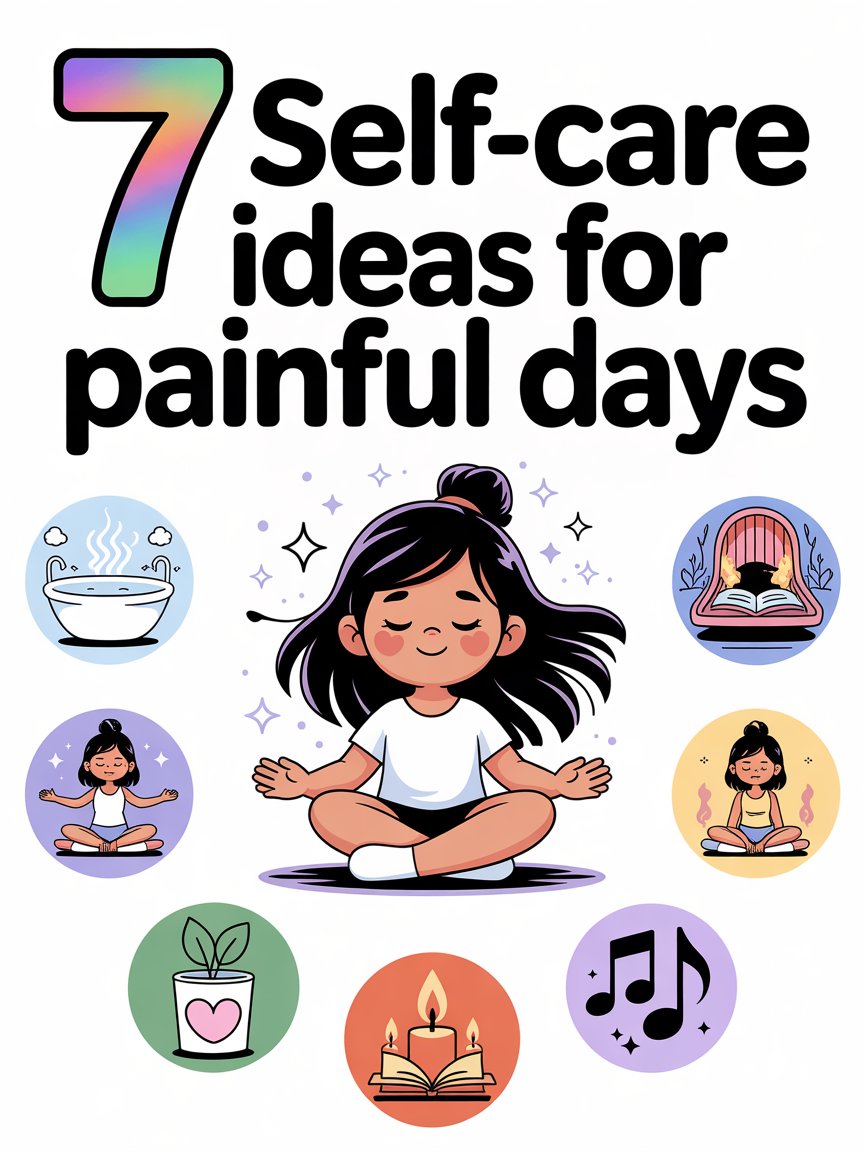
Living with chronic pain conditions such as Fibromyalgia can make some days especially challenging. During painful days, practicing self-care becomes essential. Simple self-care strategies can help reduce discomfort, restore energy, and support both physical and emotional well-being.
2. Idea 1: Rest Without Feeling Guilty
When pain levels are high, giving your body permission to rest is important. Taking short naps or lying down for a while allows the body to recover and can prevent symptoms from getting worse.
3. Idea 2: Use Gentle Heat Therapy
Applying heat through a warm bath, heating pad, or warm compress can relax tight muscles and improve blood circulation. Heat therapy is often helpful for easing stiffness and reducing pain.
4. Idea 3: Practice Gentle Stretching
Light stretching can help loosen stiff muscles and improve flexibility. Even a few slow stretches for the neck, shoulders, and back can reduce tension and provide relief.
5. Idea 4: Focus on Deep Breathing
Deep breathing exercises calm the nervous system and reduce stress. Slow breathing can help the body relax and may lower the intensity of pain during flare-ups.
6. Idea 5: Nourish Your Body With Healthy Food
Eating balanced meals and staying hydrated supports the body’s healing process. Nutritious foods can help maintain energy levels and improve overall health.
7. Idea 6: Do a Relaxing Activity
Engaging in calming activities such as reading, listening to music, or watching a favorite show can distract the mind from pain and promote relaxation.
8. Idea 7: Reach Out for Support
Talking with friends, family members, or support groups can provide emotional comfort. Sharing your experience with others who understand can make painful days feel less overwhelming.
9. Creating a Personal Self-Care Routine
Every person experiences pain differently, so it helps to create a self-care routine that suits your needs. Combining rest, gentle movement, and relaxation techniques can make difficult days easier to manage.
10. Listening to Your Body
Pay attention to how your body feels during painful days. If certain activities worsen symptoms, adjust your routine and choose gentler options that promote comfort.
11. Avoiding Overexertion
Trying to push through severe pain can sometimes lead to worse symptoms later. Balancing activity and rest is an important part of managing chronic pain.
12. Preparing for Flare-Ups
Keeping self-care tools ready—such as heating pads, comfortable pillows, or relaxation music—can help you respond quickly when pain increases.
13. Supporting Emotional Health
Painful days can also affect mood. Practicing self-compassion and acknowledging your limits can help maintain a positive mindset.
14. Small Steps Make a Difference
Even small self-care actions can have a big impact on how you feel. Gentle habits practiced regularly can improve comfort and resilience.
15. Making Self-Care a Priority
Self-care is not a luxury but a necessity when managing fibromyalgia and chronic pain. By caring for both body and mind, individuals can improve their quality of life and handle painful days more effectively.
Leave a Reply