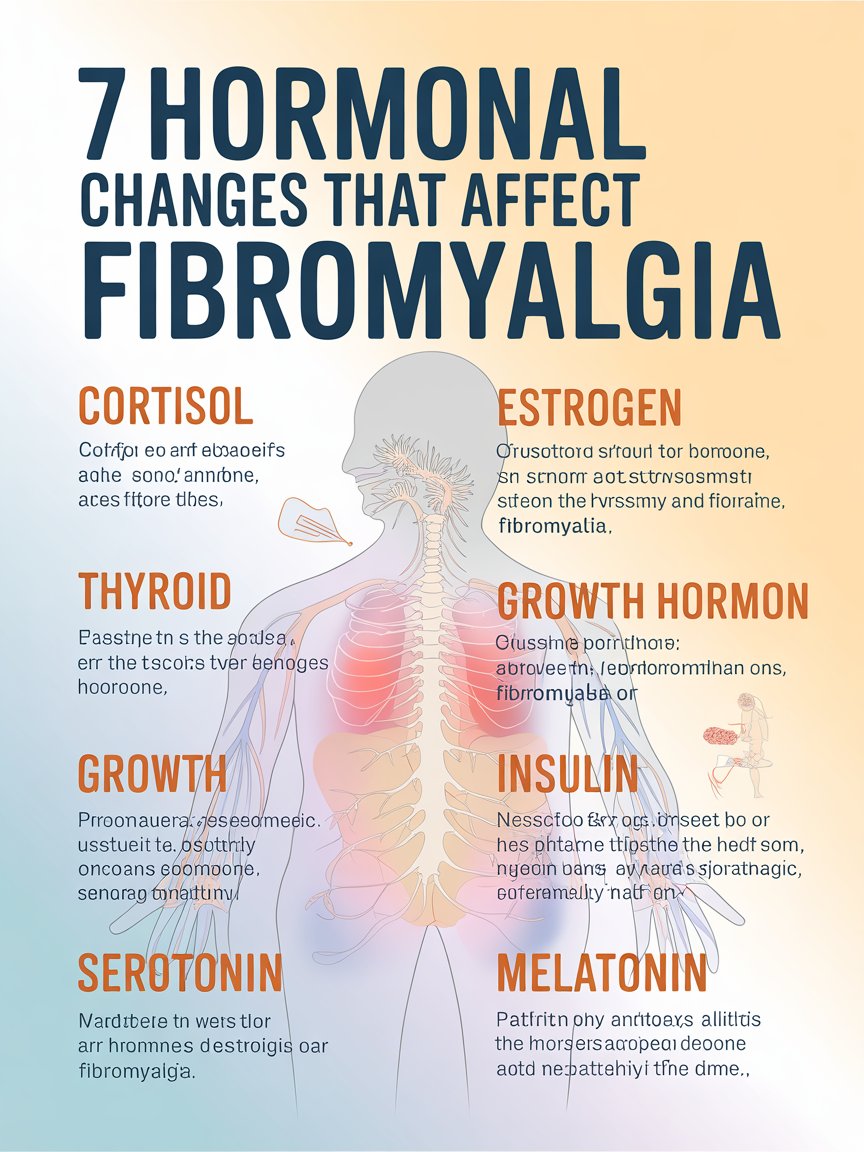
1. Understanding Hormones and Fibromyalgia
Fibromyalgia is a condition that causes widespread pain, fatigue, and sensitivity throughout the body. Hormones play an important role in how the nervous system and muscles respond to stress and pain. Changes in hormone levels can influence the severity of fibromyalgia symptoms.
2. Why Hormonal Balance Matters
Hormones regulate many body functions including sleep, mood, energy levels, and inflammation. When hormone levels fluctuate, they can trigger increased pain, fatigue, and emotional changes in people with fibromyalgia.
3. Change 1: Estrogen Fluctuations
Estrogen levels can vary throughout a woman’s life and during the monthly cycle. Low estrogen levels may increase pain sensitivity and fatigue, which can worsen fibromyalgia symptoms.
4. Change 2: Menopause
Menopause is a major hormonal transition that many women experience in midlife. The drop in estrogen and progesterone during this stage can lead to increased pain, sleep problems, and mood changes in fibromyalgia patients.
5. Change 3: Thyroid Hormone Imbalance
Thyroid hormones control metabolism and energy production. When thyroid levels are too low or too high, symptoms such as fatigue, muscle pain, and weakness may worsen in people with fibromyalgia.
6. Change 4: Cortisol and Stress Hormones
Cortisol is the body’s main stress hormone. Chronic stress can disrupt normal cortisol patterns, leading to increased inflammation, fatigue, and heightened pain sensitivity.
7. Change 5: Serotonin Levels
Serotonin helps regulate mood, sleep, and pain perception. Lower serotonin levels may contribute to depression, sleep disturbances, and increased pain sensitivity in fibromyalgia.
8. Change 6: Progesterone Fluctuations
Progesterone works alongside estrogen to maintain hormonal balance. Fluctuations in progesterone may affect mood, sleep quality, and pain tolerance.
9. Change 7: Melatonin and Sleep Hormones
Melatonin controls the body’s sleep-wake cycle. Changes in melatonin production can disrupt sleep patterns, which may worsen fatigue and pain in fibromyalgia patients.
10. Hormones and Pain Sensitivity
Hormonal changes can influence how the brain processes pain signals. When hormone levels are unbalanced, the nervous system may become more sensitive to pain stimuli.
11. Hormonal Changes During Life Stages
Hormone fluctuations occur during puberty, pregnancy, and menopause. These life stages may bring temporary changes in fibromyalgia symptoms.
12. Managing Hormonal Influences
Maintaining a healthy lifestyle can help regulate hormone levels. Balanced nutrition, regular physical activity, and stress management can support hormonal stability.
13. Importance of Medical Guidance
If hormonal changes significantly worsen symptoms, consulting a healthcare professional can help identify underlying imbalances and provide appropriate treatment options.
14. Supporting Hormonal Health
Good sleep habits, relaxation techniques, and maintaining a healthy weight can help keep hormones balanced and reduce symptom severity.
15. Living Better With Fibromyalgia
Understanding how hormones affect fibromyalgia can help individuals manage their symptoms more effectively. With the right strategies and medical support, many people can maintain a comfortable and active lifestyle despite hormonal changes.
Leave a Reply