Fibromyalgia and Anxiety Connection
1. Understanding Fibromyalgia and Anxiety Together
Fibromyalgia is a long-term condition marked by widespread pain, fatigue, and sensitivity to touch. Anxiety is a common emotional response among people living with chronic illness. When these two occur together, symptoms often feel more intense and harder to manage. Understanding their connection is the first step toward better control of daily symptoms.
2. How Anxiety Affects the Nervous System
Anxiety activates the body’s stress response, keeping the nervous system in a constant state of alert. In people with fibromyalgia, the nervous system is already more sensitive to pain signals. This heightened alertness can make normal sensations feel painful or overwhelming. As a result, anxiety can directly amplify physical discomfort.
3. Why Fibromyalgia Can Trigger Anxiety
Living with chronic pain and unpredictable flare-ups can naturally lead to worry and fear. Many people feel anxious about when the next pain episode will happen or how symptoms may affect work and relationships. This constant uncertainty creates emotional strain. Over time, the mental burden of managing fibromyalgia can develop into ongoing anxiety.
4. The Vicious Cycle of Pain and Worry
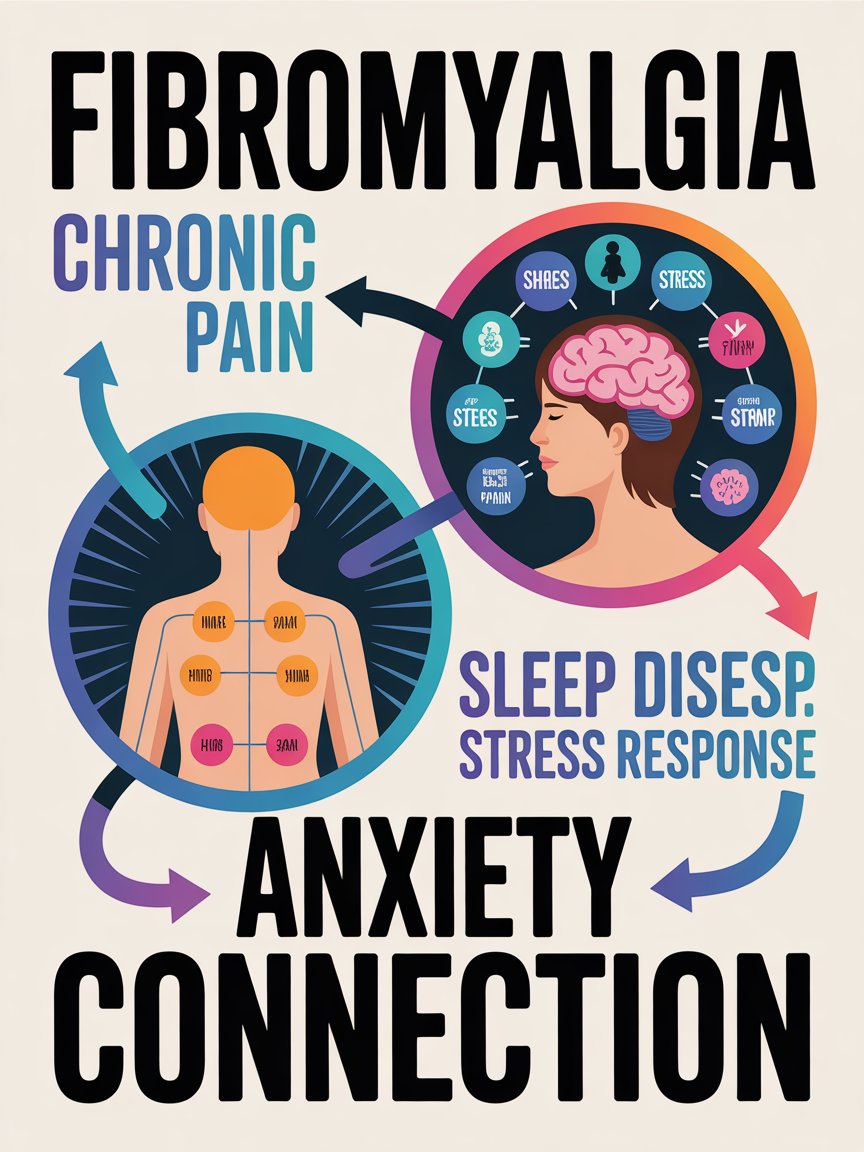
Pain increases anxiety, and anxiety increases pain—creating a self-reinforcing cycle. When people feel tense or worried, muscles tighten and pain sensitivity rises. Increased pain then leads to more fear and stress. Breaking this cycle requires addressing both physical symptoms and emotional health together.
5. The Role of Stress Hormones
Anxiety increases the release of stress hormones like cortisol and adrenaline. While these hormones are helpful in emergencies, long-term elevation can increase muscle tension and fatigue. Chronic exposure to stress hormones may also disrupt pain regulation in the brain. This hormonal imbalance contributes to stronger and more frequent flare-ups.
6. Anxiety’s Impact on Sleep Quality
Anxiety often interferes with falling asleep and staying asleep. Poor sleep is already a major challenge for people with fibromyalgia, and anxiety can make it worse. Lack of restorative sleep increases pain sensitivity and exhaustion the next day. Improving sleep habits can reduce both anxiety and pain intensity.
7. How Anxiety Worsens Brain Fog
Fibromyalgia-related brain fog can become more noticeable when anxiety is present. Worry and racing thoughts make it harder to focus, remember things, or think clearly. Mental fatigue increases when the mind is constantly stressed. Managing anxiety can help restore some mental clarity and concentration.
8. Physical Symptoms of Anxiety in Fibromyalgia
Anxiety doesn’t just affect emotions—it can cause physical symptoms like muscle tightness, headaches, and stomach discomfort. These symptoms can overlap with fibromyalgia pain, making it harder to tell them apart. The body often holds emotional stress in the muscles. Relaxing the body can ease both emotional and physical discomfort.
9. The Effect on Daily Functioning
When anxiety and fibromyalgia occur together, daily activities may feel more exhausting. Fear of triggering pain can lead to avoiding movement or social situations. Over time, this avoidance can reduce confidence and independence. Gentle exposure to activity and supportive routines can rebuild trust in the body.
10. Relaxation Techniques That Support Both Conditions
Relaxation techniques such as deep breathing, progressive muscle relaxation, and gentle stretching calm the nervous system. These methods reduce muscle tension and lower anxiety levels. Even short daily relaxation sessions can improve pain tolerance. Making relaxation a habit supports both mental and physical health.
11. Mindfulness and Emotional Awareness
Mindfulness helps people notice anxious thoughts without letting them take over. Becoming aware of emotional triggers can prevent stress from escalating into flare-ups. Mindfulness practices encourage acceptance and patience with symptoms. This mental approach reduces emotional suffering even when pain is present.
12. Cognitive Behavioral Strategies
Cognitive behavioral strategies help identify negative thought patterns that worsen anxiety and pain. Learning to reframe unhelpful thoughts can reduce emotional distress. Many people benefit from working with therapists trained in these approaches. Changing thought patterns can gradually change how the body experiences pain.
13. Lifestyle Habits That Reduce Anxiety
Healthy daily habits can lower anxiety levels and improve fibromyalgia symptoms. Regular gentle movement, balanced nutrition, and consistent sleep schedules support nervous system balance. Reducing caffeine and practicing relaxation before bed can improve sleep quality. Small lifestyle changes can create meaningful improvements over time.
14. Seeking Professional Support
Healthcare providers can help create a personalized plan to manage both fibromyalgia and anxiety. This may include therapy, stress-management techniques, or medication when appropriate. Feeling supported reduces emotional burden and improves coping skills. Professional guidance can make the journey less overwhelming.
15. Building a Balanced Mind–Body Approach
Managing fibromyalgia and anxiety works best with a combined mind–body approach. Addressing emotional health is just as important as treating physical pain. With patience, consistency, and supportive strategies, symptoms can become more manageable. Over time, this balanced approach can lead to better quality of life and improved emotional well-being.
Leave a Reply