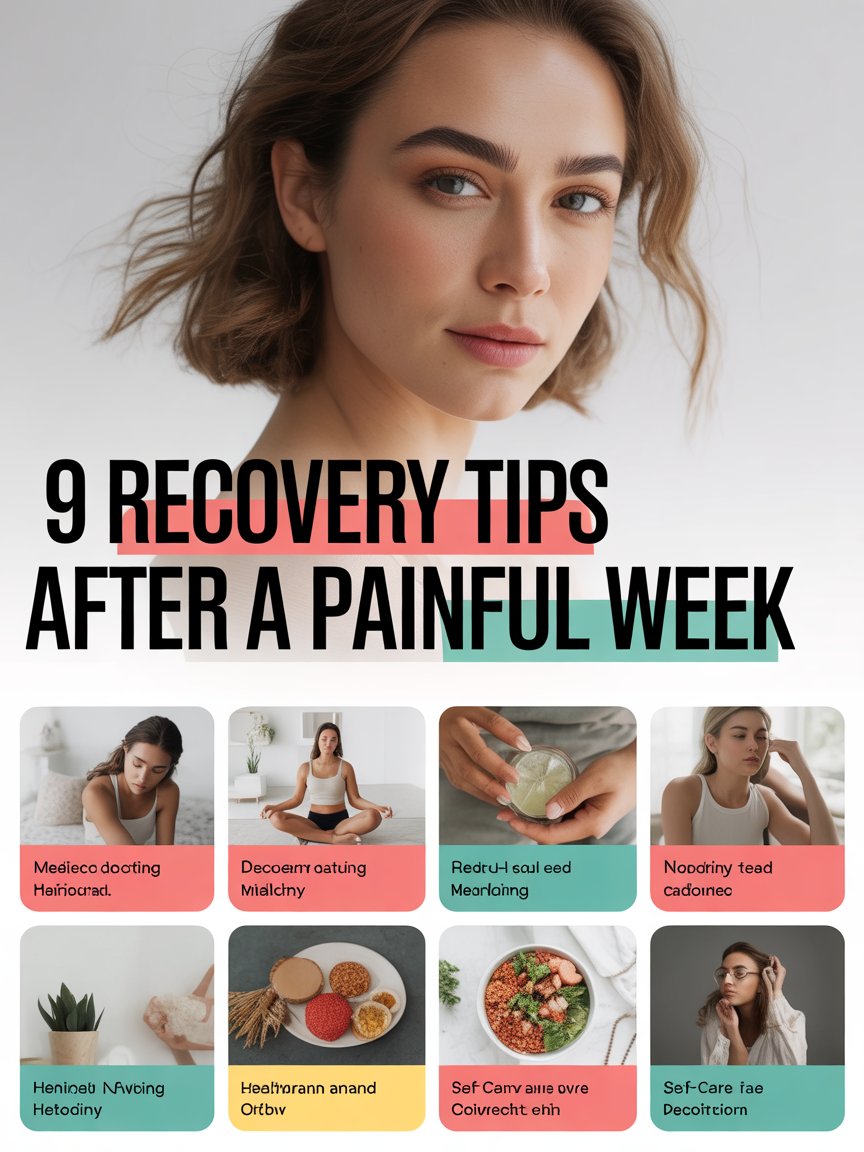
1. Understanding Post-Flare Recovery
After a difficult week of symptoms related to Fibromyalgia, the body often needs extra time to recover. Pain, fatigue, and mental fog can linger even after the worst part of a flare passes. Gentle recovery habits can help restore balance and energy.
2. 1. Give Yourself Extra Rest
Allow the Body to Recharge
After an intense week of pain, your body may still be exhausted. Prioritize restful sleep and short breaks throughout the day to help your muscles and nervous system recover.
3. 2. Ease Back Into Activity
Avoid Overdoing It
It may be tempting to catch up on everything you missed during the painful week, but doing too much too quickly can trigger another flare. Slowly return to normal activities at a comfortable pace.
4. 3. Practice Gentle Stretching
Restore Flexibility
Light stretching can help loosen muscles that became stiff during the flare. Slow movements improve circulation and gradually restore mobility without causing additional strain.
5. 4. Hydrate and Nourish Your Body
Support Internal Recovery
Drinking enough water and eating balanced meals with fruits, vegetables, lean proteins, and healthy fats can help the body regain strength after a challenging week.
6. 5. Focus on Quality Sleep
Deep Rest Supports Healing
Sleep is one of the most important recovery tools. Maintaining a consistent bedtime routine and a calm sleep environment can help the body restore energy levels.
7. 6. Reduce Stress Levels
Calm the Nervous System
Stress can prolong recovery and increase pain sensitivity. Relaxation techniques such as deep breathing, meditation, or quiet hobbies may help the body settle after a stressful flare period.
8. 7. Spend Time in Gentle Movement
Light Activity Helps Circulation
Short walks or low-impact exercises can improve circulation and mood. Even small amounts of movement can help reduce lingering stiffness and fatigue.
9. 8. Reflect on What Triggered the Painful Week
Learn From the Experience
Keeping a journal of symptoms, activities, stress levels, and sleep patterns may reveal triggers that contributed to the flare. Understanding these patterns can help prevent similar episodes in the future.
10. 9. Practice Self-Compassion
Be Kind to Yourself
Recovery takes time, and it’s important not to feel guilty for needing rest. Acknowledging your limits and giving yourself patience can support both emotional and physical healing.
11. Rebuilding Energy Gradually
Small Steps Forward
Energy levels may return slowly. Focus on manageable goals each day rather than trying to regain full productivity immediately.
12. Reconnecting With Support
Share Your Experience
Talking with family, friends, or support groups can provide encouragement. Feeling understood can ease emotional stress after a difficult week.
13. Maintaining Healthy Habits
Consistency Helps Stability
Regular sleep, balanced nutrition, hydration, and gentle activity can stabilize symptoms and make future flare recovery easier.
14. Listening to Your Body’s Signals
Your Body Knows Best
Pay attention to signs of fatigue or discomfort. Responding early with rest or relaxation may prevent symptoms from escalating again.
15. Moving Forward With Confidence
Recovery Is Part of the Journey
A painful week can be discouraging, but recovery is possible with patience and supportive habits. By caring for your body and learning from each experience, you can move forward with greater resilience and balance.
Leave a Reply