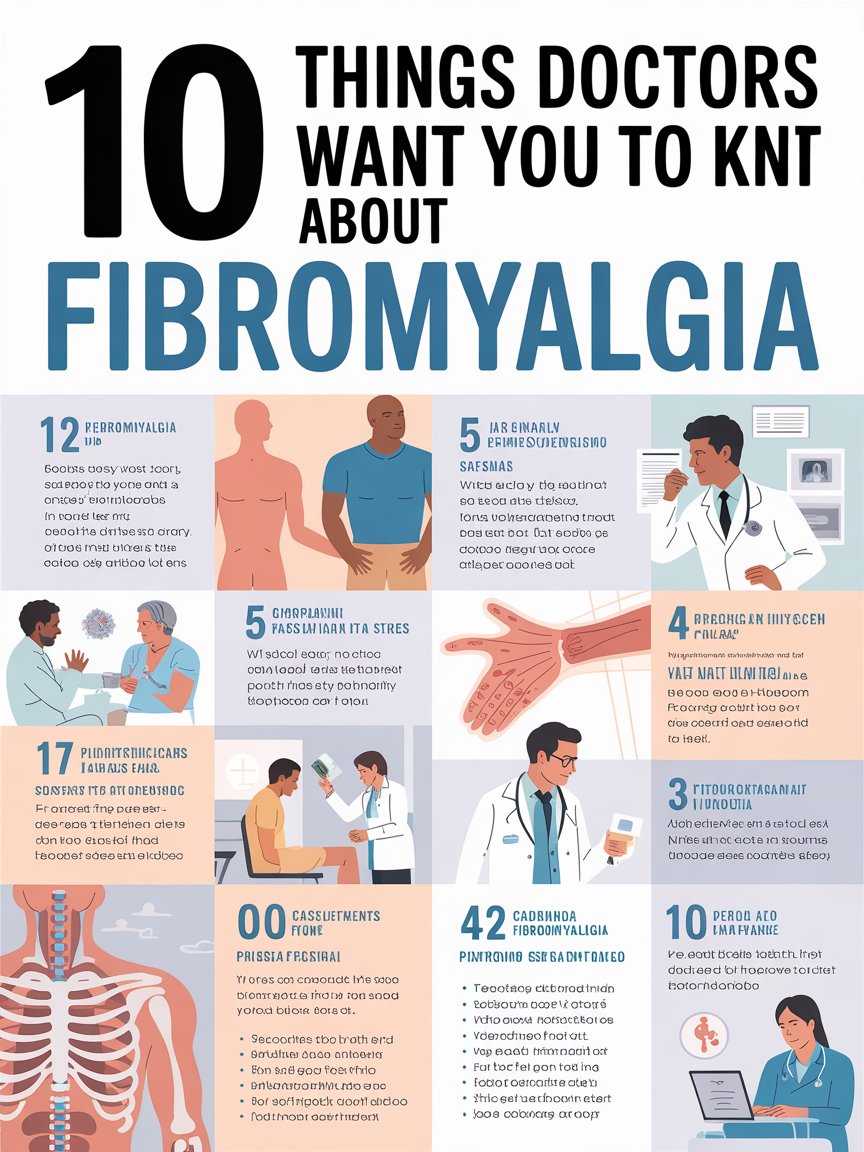
10 Things Doctors Want You to Know About Fibromyalgia
Fibromyalgia is a chronic condition that affects millions of people worldwide, yet it is often misunderstood. Symptoms such as widespread pain, fatigue, sleep disturbances, and “fibro fog” can vary widely from person to person, making diagnosis and management challenging. Doctors emphasize that understanding the condition, listening to your body, and working closely with healthcare professionals are essential for living well with fibromyalgia.
Here are ten important things doctors want patients and caregivers to know about fibromyalgia.
1. Fibromyalgia Is a Real Condition
Fibromyalgia is not “all in your head.” It is a legitimate medical condition recognized by health organizations worldwide. It involves changes in how the brain processes pain signals, leading to heightened sensitivity.
Understanding that fibromyalgia has a biological basis can help reduce stigma and validate your experience.
2. Symptoms Vary Widely
No two people experience fibromyalgia in exactly the same way. Symptoms can range from mild to severe and may fluctuate day to day. Common symptoms include chronic pain, fatigue, sleep disturbances, cognitive difficulties, and sensitivity to temperature or touch.
Doctors stress the importance of tracking your symptoms to help tailor treatments effectively.
3. Diagnosis Can Take Time
Fibromyalgia is often diagnosed after ruling out other conditions with similar symptoms, such as arthritis, thyroid disorders, or autoimmune diseases.
Patients are encouraged to be patient and persistent during the diagnostic process and to keep detailed records of symptoms to aid their doctors.
4. Treatment Is Multidimensional
There is no single cure for fibromyalgia. Treatment usually involves a combination of medications, lifestyle changes, physical therapy, exercise, and stress management techniques.
Doctors often recommend a personalized approach that addresses pain, sleep, mood, and overall quality of life.
5. Exercise Helps, but Must Be Gentle
Although pain may make movement difficult, gentle, low-impact exercise such as walking, swimming, yoga, or tai chi can reduce stiffness, improve flexibility, and boost mood.
Doctors caution against overexertion, recommending pacing and gradual increases in activity levels to avoid triggering flare-ups.
6. Sleep Is Crucial
Quality sleep is essential for managing fibromyalgia. Poor sleep can exacerbate pain, fatigue, and cognitive difficulties.
Doctors encourage establishing consistent sleep routines, creating a comfortable sleep environment, and discussing sleep disturbances with a healthcare provider if they persist.
7. Stress Can Worsen Symptoms
Stress and emotional strain can intensify pain and fatigue. Learning to manage stress through mindfulness, meditation, breathing exercises, or therapy can help reduce the frequency and severity of flare-ups.
Doctors often recommend incorporating stress management techniques into daily routines.
8. Diet Can Make a Difference
While there is no specific fibromyalgia diet, doctors often advise patients to focus on balanced nutrition. Anti-inflammatory foods, whole grains, lean proteins, and fruits and vegetables may support energy levels and reduce inflammation.
Limiting processed foods, sugar, and caffeine can also help reduce symptom fluctuations.
9. Mental Health Matters
Fibromyalgia is closely linked with anxiety, depression, and emotional fatigue. Addressing mental health is as important as managing physical symptoms.
Doctors encourage counseling, support groups, and self-care strategies to maintain emotional well-being.
10. You Are Not Alone
Living with fibromyalgia can feel isolating, but millions of people manage the condition every day. Support from healthcare providers, friends, family, and patient communities can improve coping strategies and provide emotional support.
Doctors stress the importance of reaching out for help and connecting with others who understand the challenges of fibromyalgia.
Working With Your Healthcare Team
Managing fibromyalgia requires collaboration with a healthcare team. Keeping open communication, tracking symptoms, and asking questions can help optimize treatment and improve daily life.
Doctors want patients to know that proactive management, patience, and consistency can make a meaningful difference.
The Role of Self-Advocacy
Patients are encouraged to advocate for themselves. Learning about fibromyalgia, keeping detailed symptom records, and discussing concerns openly with medical professionals empowers individuals to take control of their care.
Self-advocacy also helps doctors provide better, more personalized support.
Small Lifestyle Changes Can Add Up
Even minor adjustments in daily routines—such as pacing activities, practicing gentle exercise, improving sleep habits, and reducing stress—can have a significant impact over time.
Doctors emphasize that consistency with small, manageable changes often leads to better long-term outcomes than attempting drastic measures.
Leave a Reply