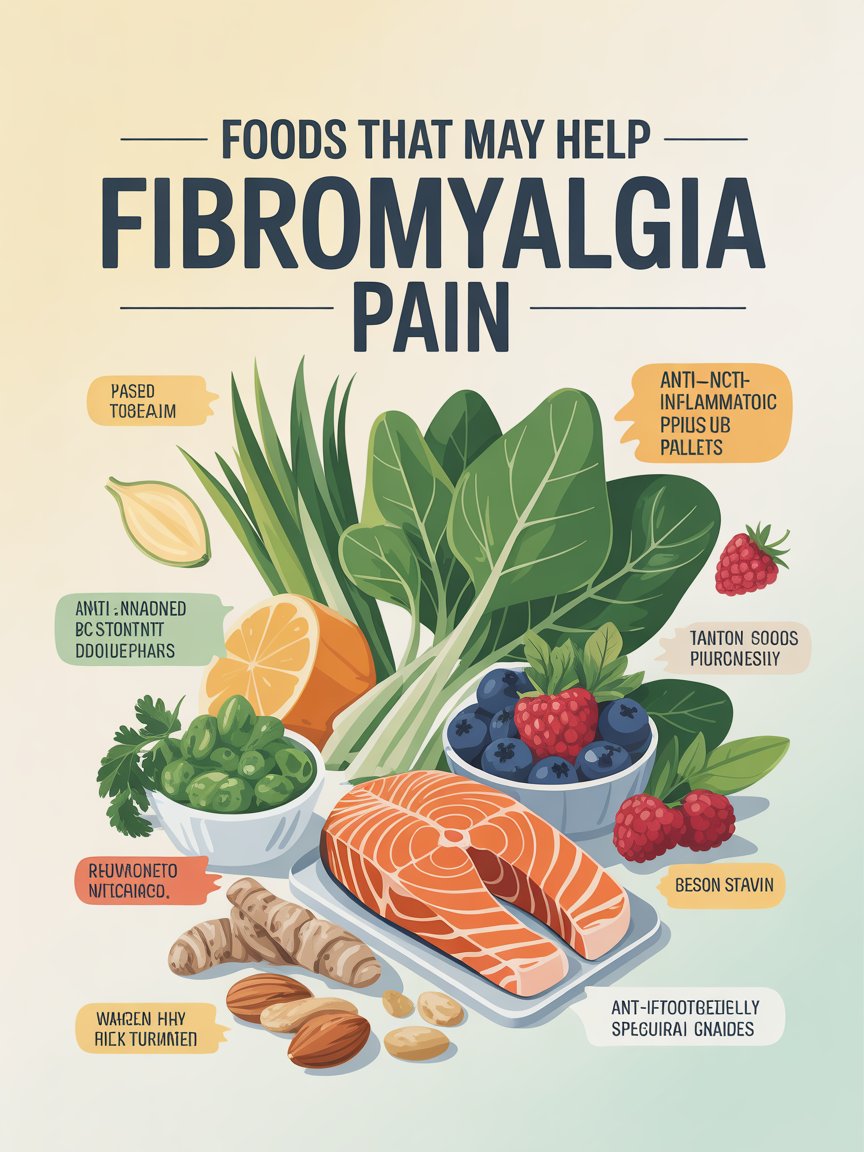
Foods That May Help Fibromyalgia Pain
1. Why Food Choices Matter for Fibromyalgia Pain
Living with fibromyalgia often means dealing with ongoing pain and sensitivity. While diet is not a cure, the foods you eat can influence inflammation, nerve signaling, and energy levels. Smart food choices may help reduce pain intensity and support overall comfort.
2. The Link Between Inflammation and Pain
How Diet Can Calm the Body
Inflammation can amplify pain signals in the nervous system. Certain nutrients help the body regulate inflammatory responses, which may ease muscle aches and joint discomfort. Choosing anti-inflammatory foods is a gentle, natural way to support pain management.
3. Fatty Fish for Natural Pain Relief
Omega-3s That Support Joint and Nerve Health
Fatty fish like salmon, sardines, and mackerel are rich in omega-3 fatty acids. These healthy fats are known to support joint comfort and may help calm overactive pain pathways when eaten regularly.
4. Colorful Vegetables for Antioxidant Support
Fighting Oxidative Stress
Vegetables such as spinach, kale, bell peppers, and carrots contain antioxidants that help protect cells from stress. Reducing oxidative stress may support muscle recovery and reduce daily soreness.
5. Berries and Fruits for Gentle Sweetness
Natural Ways to Reduce Inflammation
Berries, oranges, apples, and cherries provide vitamins and plant compounds that support immune balance. Their natural sweetness can replace sugary snacks that may worsen inflammation and fatigue.
6. Whole Grains for Steady Energy
Avoiding Energy Crashes That Worsen Pain
Whole grains like oats, brown rice, and whole wheat provide slow-release energy. Stable blood sugar helps prevent fatigue-related pain flares and supports daily activity levels.
7. Nuts and Seeds for Healthy Fats
Small Foods, Big Benefits
Almonds, walnuts, chia seeds, and flaxseeds offer healthy fats and magnesium, a mineral linked to muscle relaxation. Adding small portions to meals can support nerve and muscle comfort.
8. Lean Protein for Muscle Repair
Supporting Strength and Recovery
Protein helps repair muscle tissue and maintain strength, especially important when pain limits movement. Choose lean sources like chicken, fish, eggs, beans, lentils, and tofu to support recovery without excess saturated fat.
9. Olive Oil as an Anti-Inflammatory Fat
A Simple Swap for Cooking
Extra virgin olive oil contains compounds that support inflammation control. Using it instead of butter or refined oils may gently support pain reduction over time.
10. Herbal Teas for Comfort and Relaxation
Gentle Support for Pain and Sleep
Teas like ginger, chamomile, and turmeric can be soothing and hydrating. Some people find warm herbal teas help relax tense muscles and improve sleep quality, which indirectly supports pain management.
11. Fermented Foods for Gut Health
The Gut–Pain Connection
Yogurt, kefir, sauerkraut, and kimchi contain probiotics that support digestion. A healthier gut may improve nutrient absorption and immune balance, which can influence pain perception.
12. Magnesium-Rich Foods for Muscle Relaxation
Supporting Nerve Function Naturally
Leafy greens, nuts, seeds, and legumes provide magnesium, which supports muscle and nerve function. Adequate intake may help reduce cramps, tension, and sensitivity.
13. Vitamin D–Rich Foods for Bone and Muscle Health
Nourishing the Body From Within
Egg yolks, fortified milk, and fatty fish provide vitamin D, which supports muscle strength and bone comfort. Low vitamin D levels are common and may worsen pain and fatigue in some people.
14. Foods to Limit That May Worsen Pain
Reducing Inflammatory Triggers
Highly processed foods, excess sugar, fried foods, and artificial sweeteners may increase inflammation and pain sensitivity. Reducing these triggers can help create a calmer internal environment.
15. Building a Pain-Friendly Plate
Simple Habits for Long-Term Relief
There is no single “miracle food” for fibromyalgia pain. The most helpful approach is building balanced meals with whole foods, healthy fats, lean protein, and plenty of vegetables. Small, consistent dietary improvements can add up to meaningful symptom relief over time.
Leave a Reply