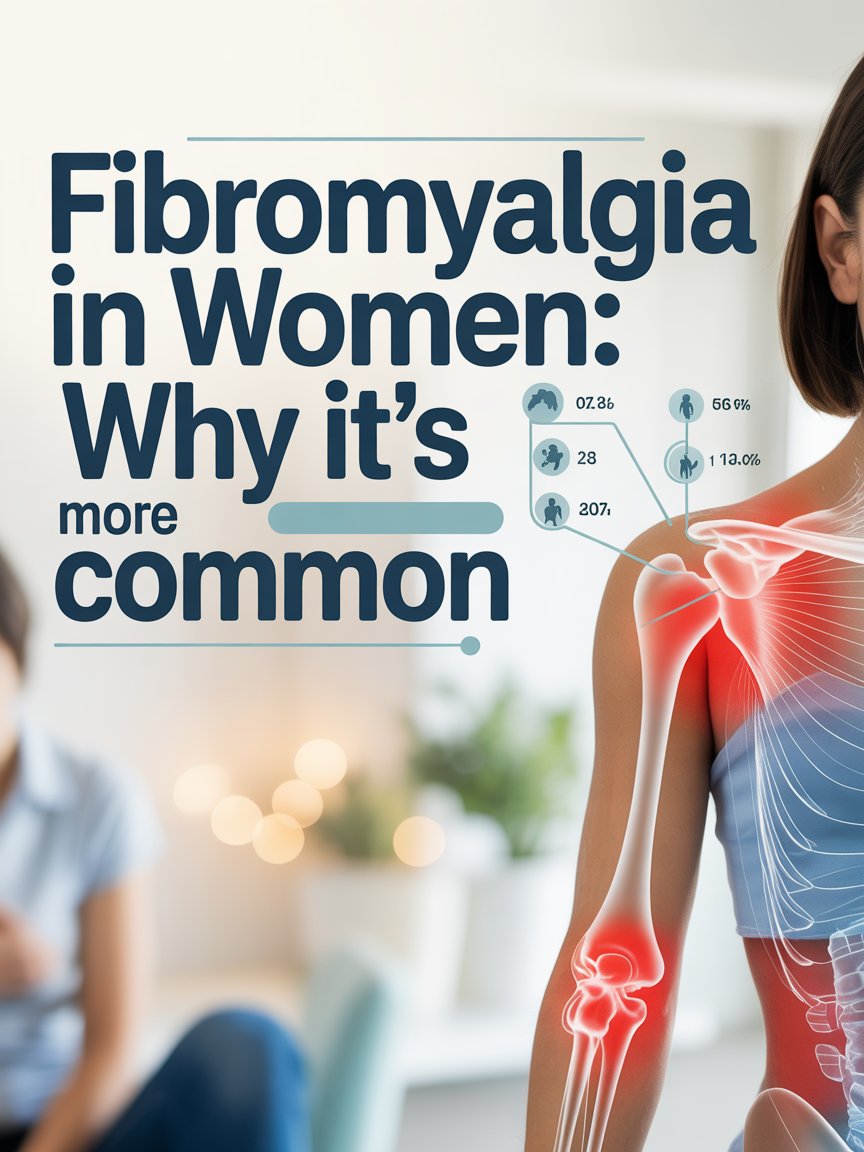
Fibromyalgia in Women: Why It’s More Common
1. Understanding Fibromyalgia and Gender Differences
Fibromyalgia is a long-term condition characterized by widespread pain, fatigue, sleep disturbances, and cognitive difficulties. Research consistently shows that women are diagnosed far more often than men. Understanding why this difference exists can help improve awareness and care.
2. How Common Is Fibromyalgia in Women?
Looking at the Statistics
Studies estimate that women make up roughly 75–90% of diagnosed cases. While men can and do develop fibromyalgia, the condition appears significantly more prevalent in women across many countries and age groups.
3. The Role of Hormones
Estrogen and Pain Sensitivity
Hormonal differences may partly explain the higher rates in women. Estrogen influences how the brain processes pain signals. Fluctuations in hormone levels during menstruation, pregnancy, and menopause may affect symptom intensity.
4. Nervous System Differences
Pain Processing Variations
Fibromyalgia is linked to changes in how the central nervous system processes pain. Some research suggests women may experience heightened pain sensitivity due to differences in neurotransmitters and nerve signaling pathways.
5. The Impact of Stress and Trauma
Emotional and Physical Stressors
Chronic stress and trauma are known triggers for fibromyalgia symptoms. Women statistically experience higher rates of certain stress-related conditions, which may increase vulnerability to developing chronic pain disorders.
6. Autoimmune and Overlapping Conditions
Higher Risk of Related Disorders
Women are more likely to develop autoimmune diseases such as Rheumatoid Arthritis and Lupus. Since fibromyalgia often overlaps with other chronic conditions, this may partly explain the gender gap.
7. Sleep Disturbances and Their Influence
The Pain–Sleep Connection
Sleep disruption plays a major role in fibromyalgia. Women are more likely to experience insomnia and restless sleep, both of which can intensify pain sensitivity and fatigue over time.
8. Differences in Immune System Response
Inflammation and Sensitivity
Women generally have stronger immune responses than men. While this can be protective, it may also contribute to increased inflammation and heightened pain perception in chronic conditions.
9. Social and Cultural Factors
Women and Health Reporting
Women may be more likely to seek medical care and report symptoms of pain and fatigue. This could contribute to higher diagnosis rates, though it does not fully explain the biological differences.
10. The Role of Mental Health
Anxiety, Depression, and Chronic Pain
Conditions such as anxiety and depression commonly coexist with fibromyalgia. Women are statistically more likely to experience these disorders, which may interact with chronic pain pathways.
11. Diagnostic Bias and Misunderstanding
Underdiagnosis in Men
Because fibromyalgia is often viewed as a “women’s condition,” men may be underdiagnosed or misdiagnosed. This perception can delay proper treatment and distort overall statistics.
12. Hormonal Life Stages and Symptom Changes
Puberty, Pregnancy, and Menopause
Many women report symptom changes during hormonal transitions. Menopause, in particular, may bring increased pain or fatigue due to shifts in estrogen levels.
13. Genetic Factors
Family Patterns and Risk
Fibromyalgia sometimes runs in families, suggesting a genetic component. Certain inherited traits related to pain sensitivity may be more strongly expressed in women.
14. Lifestyle Pressures and Caregiving Roles
The Burden of Multiple Responsibilities
Women often balance careers, caregiving, and household responsibilities. Chronic stress and physical overexertion linked to these roles may contribute to symptom development or worsening.
15. Moving Toward Better Understanding and Care
Personalized Treatment Matters
Although fibromyalgia is more commonly diagnosed in women, every individual’s experience is unique. Understanding hormonal, neurological, and social influences can lead to more tailored treatments. Increased awareness ensures that both women and men receive accurate diagnosis, compassionate care, and effective symptom management.
Leave a Reply