Author: admin

  • 10 Differences Between Fibromyalgia and Lupus

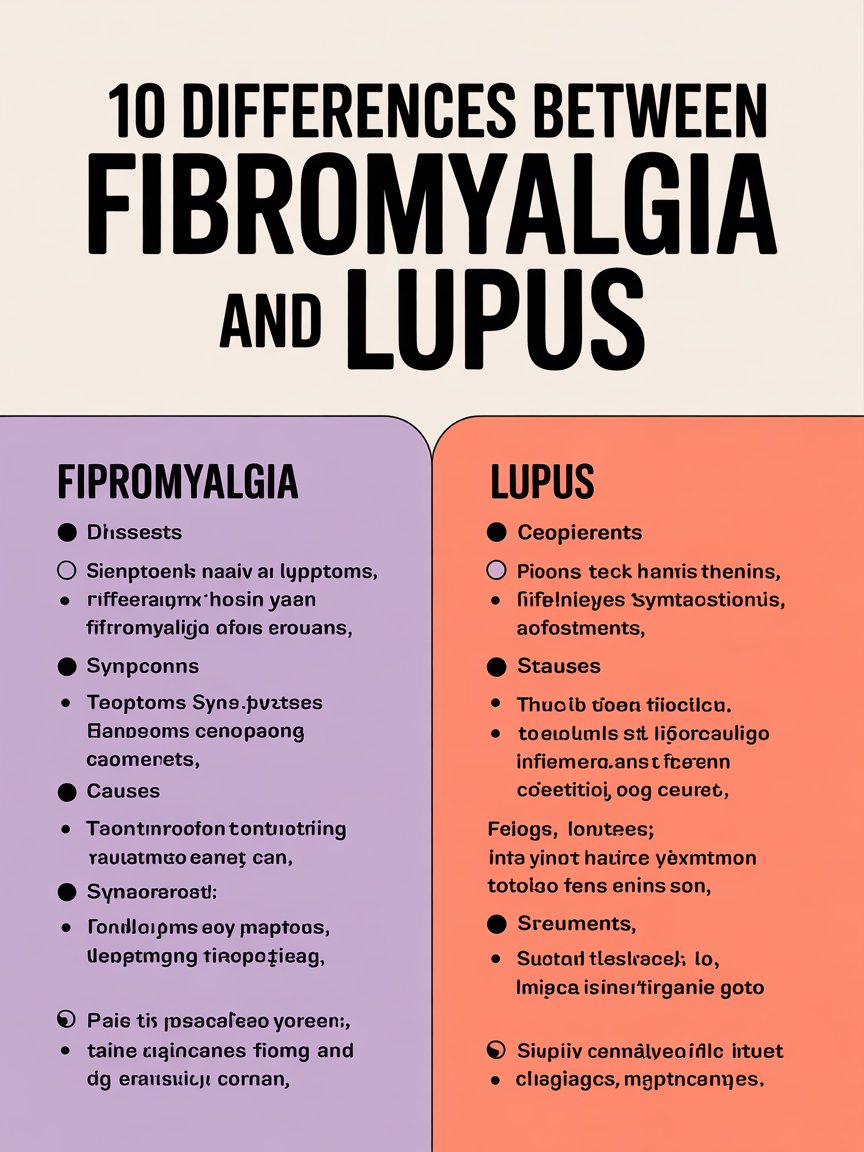
    10 Differences Between Fibromyalgia and Lupus

    10 Differences Between Fibromyalgia and Lupus

    Fibromyalgia and lupus are chronic health conditions that often share similar symptoms, including fatigue, pain, and difficulty performing daily activities. Because of these overlapping signs, many people initially struggle to understand which condition they might be experiencing. However, these disorders have very different causes and effects on the body.

    Fibromyalgia mainly affects how the brain processes pain signals, while lupus is an autoimmune disease that can damage organs and tissues. Knowing the key differences between these two conditions can help people better understand their symptoms and seek the appropriate treatment. Below are ten important differences between fibromyalgia and lupus.


    1. Type of Condition

    Fibromyalgia Is a Nervous System Disorder

    Fibromyalgia is considered a chronic pain disorder related to the central nervous system. It causes widespread body pain without visible damage or inflammation in tissues.

    Lupus Is an Autoimmune Disease

    Lupus occurs when the immune system mistakenly attacks healthy cells and tissues. This autoimmune reaction can affect many parts of the body, including the skin, joints, and organs.


    2. Underlying Cause

    Fibromyalgia Causes Are Not Fully Known

    The exact cause of fibromyalgia remains unclear. Experts believe it may be linked to genetics, physical trauma, infections, or emotional stress that alters how the brain processes pain.

    Lupus Is Caused by Immune System Dysfunction

    Lupus develops when the immune system becomes overactive and begins attacking the body itself. Genetic factors, environmental triggers, and hormonal changes may contribute to the condition.


    3. Inflammation in the Body

    Fibromyalgia Usually Has No Inflammation

    People with fibromyalgia often experience severe pain, but medical tests typically do not show inflammation or tissue damage.

    Lupus Involves Significant Inflammation

    Inflammation is a key feature of lupus. The immune system’s attack on tissues leads to swelling, irritation, and possible organ damage.


    4. Pain Location

    Fibromyalgia Causes Widespread Pain

    Fibromyalgia pain usually spreads throughout the body and affects muscles, ligaments, and soft tissues. The pain may move from one area to another.

    Lupus Pain Often Targets Specific Joints

    Lupus commonly causes pain and stiffness in joints such as the hands, wrists, and knees. The discomfort is often linked to inflammation in these areas.


    5. Skin Symptoms

    Fibromyalgia Rarely Causes Skin Problems

    People with fibromyalgia generally do not experience visible skin rashes or lesions related to the condition.

    Lupus Frequently Causes Skin Rashes

    A well-known symptom of lupus is a butterfly-shaped rash across the cheeks and nose. Other skin issues may include sensitivity to sunlight and skin lesions.


    6. Fatigue Patterns

    Fibromyalgia Causes Constant Fatigue

    Fatigue in fibromyalgia can be persistent and overwhelming. Many people feel exhausted even after sleeping for long periods.

    Lupus Fatigue Often Occurs During Flares

    People with lupus may experience intense fatigue during flare-ups when the disease becomes more active.


    7. Organ Involvement

    Fibromyalgia Does Not Affect Organs

    Although fibromyalgia can be extremely painful, it does not cause damage to organs such as the kidneys, heart, or lungs.

    Lupus Can Damage Internal Organs

    Lupus can affect several organs, including the kidneys, heart, lungs, and brain. In severe cases, organ complications may become serious if untreated.


    8. Diagnostic Testing

    Fibromyalgia Is Diagnosed Through Symptoms

    Doctors usually diagnose fibromyalgia based on a person’s symptoms, medical history, and physical examination. There is currently no single laboratory test that confirms it.

    Lupus Can Be Identified With Blood Tests

    Lupus often shows specific markers in blood tests, such as antinuclear antibodies (ANA) and other immune-related indicators.


    9. Pain Sensitivity

    Fibromyalgia Increases Sensitivity to Pain

    People with fibromyalgia often have heightened sensitivity to touch and pressure. Even mild physical contact can sometimes feel painful.

    Lupus Pain Is Related to Inflammation

    In lupus, pain usually occurs because of inflammation in joints or tissues rather than increased pain sensitivity.


    10. Treatment Approach

    Fibromyalgia Treatment Focuses on Managing Symptoms

    Fibromyalgia treatment usually includes lifestyle changes, gentle exercise, stress reduction, and medications that help regulate pain signals in the brain.

    Lupus Treatment Targets the Immune System

    Treatment for lupus often involves medications that suppress the immune system and reduce inflammation to prevent organ damage.
  • 7 Differences Between Fibromyalgia and Arthritis

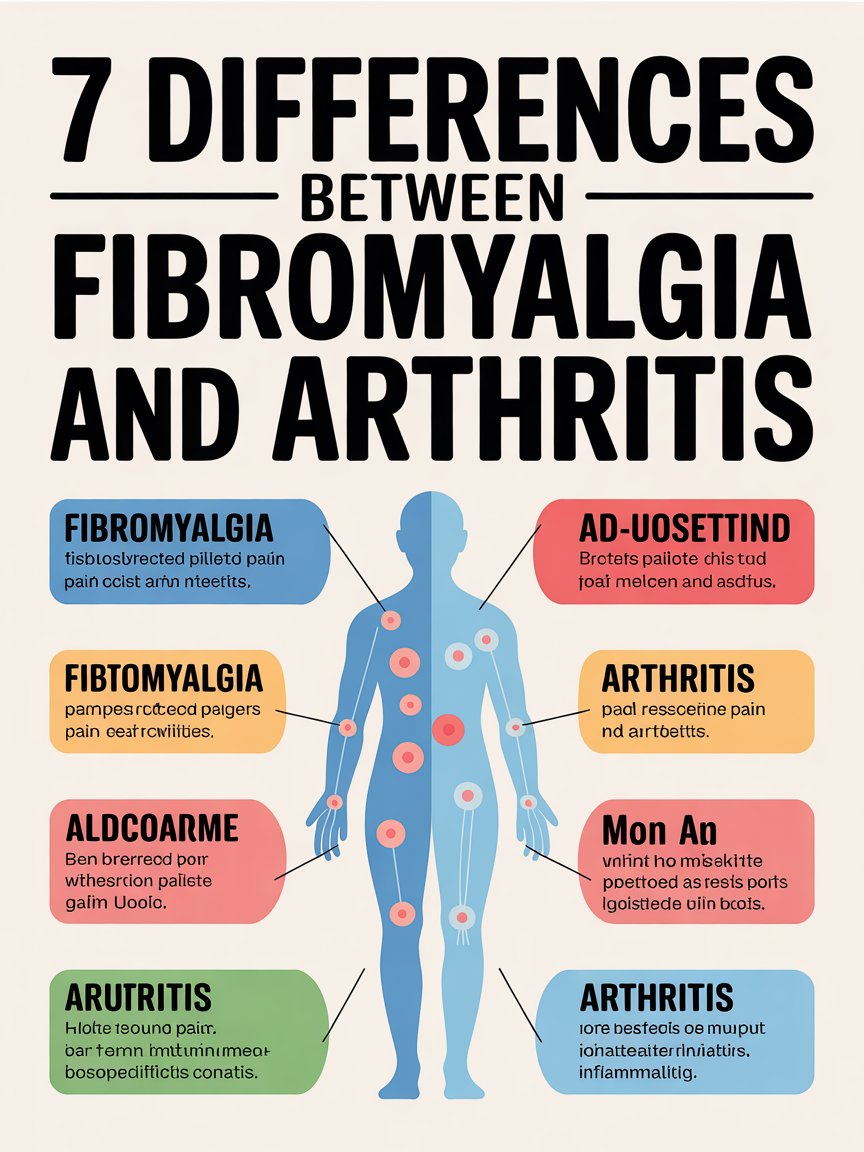
    7 Differences Between Fibromyalgia and Arthritis

    7 Differences Between Fibromyalgia and Arthritis

    Many people confuse fibromyalgia and arthritis because both conditions involve pain, stiffness, and fatigue. However, they are very different disorders with unique causes, symptoms, and treatments. Understanding these differences can help individuals recognize symptoms earlier and seek the right type of medical care. Below are seven important differences between fibromyalgia and arthritis.


    1. Nature of the Condition

    Fibromyalgia Is a Pain Processing Disorder

    Fibromyalgia is considered a disorder of the nervous system that affects how the brain processes pain signals. People with fibromyalgia experience widespread pain even when there is no visible inflammation or joint damage. The condition is linked to abnormal pain perception and heightened sensitivity throughout the body.

    Arthritis Is a Joint Disease

    Arthritis, on the other hand, refers to a group of conditions that cause inflammation and damage within the joints. Common forms include osteoarthritis and rheumatoid arthritis. In arthritis, the pain typically results from physical changes in the joints such as cartilage breakdown or immune-related inflammation.


    2. Location of Pain

    Fibromyalgia Causes Widespread Body Pain

    One of the hallmark signs of fibromyalgia is widespread pain affecting multiple areas of the body. Individuals often feel aching in muscles, ligaments, and soft tissues on both sides of the body.

    Arthritis Pain Is Usually Localized

    Arthritis pain is generally concentrated in specific joints, such as the knees, hips, hands, or spine. The pain usually occurs directly where joint damage or inflammation is present.


    3. Presence of Inflammation

    Fibromyalgia Typically Has No Inflammation

    In fibromyalgia, blood tests and imaging usually do not show inflammation or tissue damage. The pain is real but does not come from swelling or joint deterioration.

    Arthritis Often Involves Joint Inflammation

    Most types of arthritis involve visible inflammation in the joints. Swelling, redness, warmth, and stiffness are common symptoms, especially in inflammatory forms like rheumatoid arthritis.


    4. Physical Damage to the Body

    Fibromyalgia Does Not Damage Joints

    Fibromyalgia does not cause structural damage to joints, bones, or muscles. Despite chronic pain, medical imaging typically shows normal tissues.

    Arthritis Can Cause Joint Damage

    Over time, arthritis can lead to joint deterioration, cartilage loss, and even bone deformities. In severe cases, joint replacement surgery may be required to restore mobility and reduce pain.


    5. Fatigue and Sleep Problems

    Fibromyalgia Frequently Causes Extreme Fatigue

    People with fibromyalgia often struggle with chronic fatigue, unrefreshing sleep, and difficulty staying asleep. Sleep disturbances are a major part of the condition and can worsen pain levels.

    Arthritis Fatigue Is Usually Secondary

    While fatigue can occur with arthritis, especially autoimmune forms, it is often related to inflammation or ongoing pain rather than a primary symptom.


    6. Tender Points vs. Joint Pain

    Fibromyalgia Has Specific Tender Points

    Fibromyalgia is known for sensitive areas called tender points. These points, often located in the neck, shoulders, back, hips, and knees, become extremely painful when pressure is applied.

    Arthritis Causes Pain in the Joints Themselves

    Arthritis pain typically occurs directly inside the joints rather than in surrounding soft tissue. The discomfort is usually linked to movement, joint stiffness, and inflammation.


    7. Treatment Approaches

    Fibromyalgia Treatment Focuses on Nervous System Balance

    Treatment for fibromyalgia often includes medications that affect the nervous system, along with lifestyle changes such as exercise, stress reduction, and improved sleep habits.

    Arthritis Treatment Targets Inflammation and Joint Health

    Arthritis treatments usually aim to reduce inflammation, protect joints, and slow disease progression. These may include anti-inflammatory medications, physical therapy, and sometimes surgery.

  • 10 Things Doctors Want You to Know About Fibromyalgia

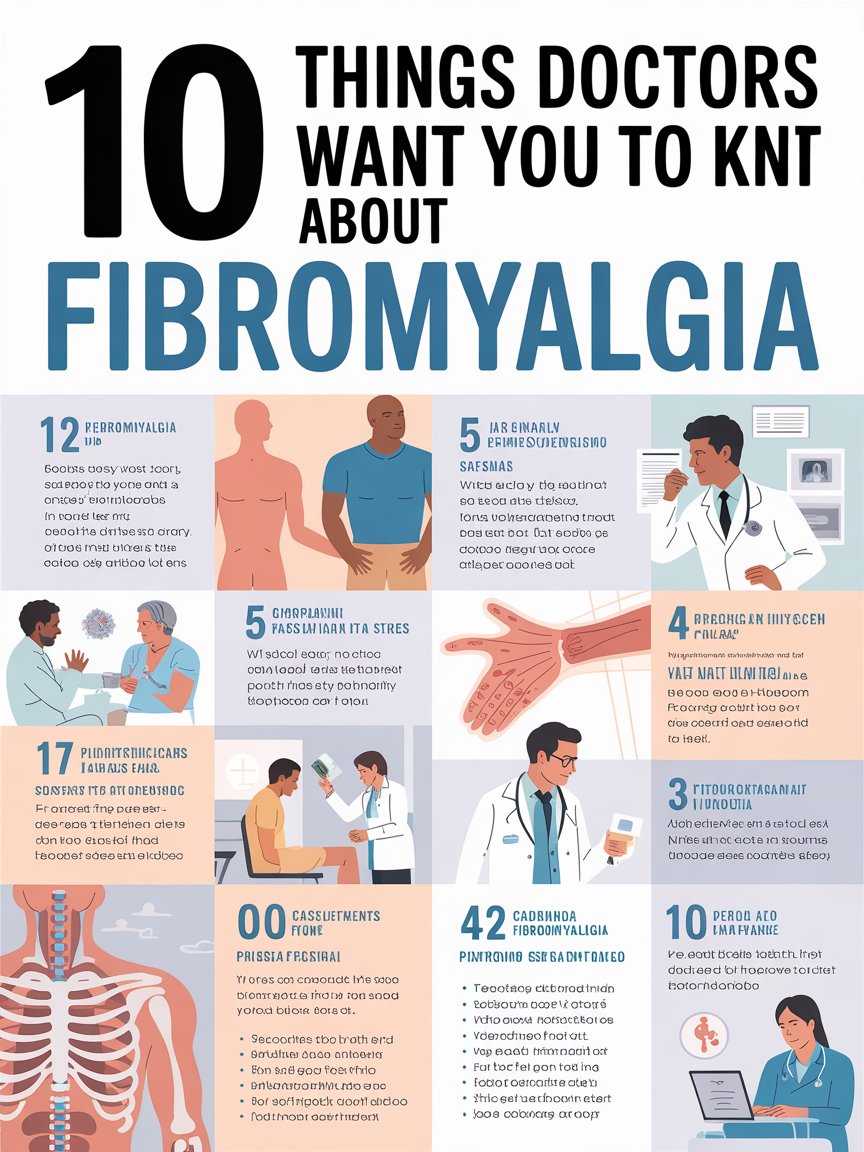
    10 Things Doctors Want You to Know About Fibromyalgia

    10 Things Doctors Want You to Know About Fibromyalgia

    Fibromyalgia is a chronic condition that affects millions of people worldwide, yet it is often misunderstood. Symptoms such as widespread pain, fatigue, sleep disturbances, and “fibro fog” can vary widely from person to person, making diagnosis and management challenging. Doctors emphasize that understanding the condition, listening to your body, and working closely with healthcare professionals are essential for living well with fibromyalgia.

    Here are ten important things doctors want patients and caregivers to know about fibromyalgia.

    1. Fibromyalgia Is a Real Condition

    Fibromyalgia is not “all in your head.” It is a legitimate medical condition recognized by health organizations worldwide. It involves changes in how the brain processes pain signals, leading to heightened sensitivity.

    Understanding that fibromyalgia has a biological basis can help reduce stigma and validate your experience.

    2. Symptoms Vary Widely

    No two people experience fibromyalgia in exactly the same way. Symptoms can range from mild to severe and may fluctuate day to day. Common symptoms include chronic pain, fatigue, sleep disturbances, cognitive difficulties, and sensitivity to temperature or touch.

    Doctors stress the importance of tracking your symptoms to help tailor treatments effectively.

    3. Diagnosis Can Take Time

    Fibromyalgia is often diagnosed after ruling out other conditions with similar symptoms, such as arthritis, thyroid disorders, or autoimmune diseases.

    Patients are encouraged to be patient and persistent during the diagnostic process and to keep detailed records of symptoms to aid their doctors.

    4. Treatment Is Multidimensional

    There is no single cure for fibromyalgia. Treatment usually involves a combination of medications, lifestyle changes, physical therapy, exercise, and stress management techniques.

    Doctors often recommend a personalized approach that addresses pain, sleep, mood, and overall quality of life.

    5. Exercise Helps, but Must Be Gentle

    Although pain may make movement difficult, gentle, low-impact exercise such as walking, swimming, yoga, or tai chi can reduce stiffness, improve flexibility, and boost mood.

    Doctors caution against overexertion, recommending pacing and gradual increases in activity levels to avoid triggering flare-ups.

    6. Sleep Is Crucial

    Quality sleep is essential for managing fibromyalgia. Poor sleep can exacerbate pain, fatigue, and cognitive difficulties.

    Doctors encourage establishing consistent sleep routines, creating a comfortable sleep environment, and discussing sleep disturbances with a healthcare provider if they persist.

    7. Stress Can Worsen Symptoms

    Stress and emotional strain can intensify pain and fatigue. Learning to manage stress through mindfulness, meditation, breathing exercises, or therapy can help reduce the frequency and severity of flare-ups.

    Doctors often recommend incorporating stress management techniques into daily routines.

    8. Diet Can Make a Difference

    While there is no specific fibromyalgia diet, doctors often advise patients to focus on balanced nutrition. Anti-inflammatory foods, whole grains, lean proteins, and fruits and vegetables may support energy levels and reduce inflammation.

    Limiting processed foods, sugar, and caffeine can also help reduce symptom fluctuations.

    9. Mental Health Matters

    Fibromyalgia is closely linked with anxiety, depression, and emotional fatigue. Addressing mental health is as important as managing physical symptoms.

    Doctors encourage counseling, support groups, and self-care strategies to maintain emotional well-being.

    10. You Are Not Alone

    Living with fibromyalgia can feel isolating, but millions of people manage the condition every day. Support from healthcare providers, friends, family, and patient communities can improve coping strategies and provide emotional support.

    Doctors stress the importance of reaching out for help and connecting with others who understand the challenges of fibromyalgia.

    Working With Your Healthcare Team

    Managing fibromyalgia requires collaboration with a healthcare team. Keeping open communication, tracking symptoms, and asking questions can help optimize treatment and improve daily life.

    Doctors want patients to know that proactive management, patience, and consistency can make a meaningful difference.

    The Role of Self-Advocacy

    Patients are encouraged to advocate for themselves. Learning about fibromyalgia, keeping detailed symptom records, and discussing concerns openly with medical professionals empowers individuals to take control of their care.

    Self-advocacy also helps doctors provide better, more personalized support.

    Small Lifestyle Changes Can Add Up

    Even minor adjustments in daily routines—such as pacing activities, practicing gentle exercise, improving sleep habits, and reducing stress—can have a significant impact over time.

    Doctors emphasize that consistency with small, manageable changes often leads to better long-term outcomes than attempting drastic measures.

  • 7 Warning Signs of a Coming Flare-Up

    7 Warning Signs of a Coming Flare-Up

    7 Warning Signs of a Coming Flare-Up

    Fibromyalgia is a chronic condition that affects millions of people worldwide, causing widespread pain, fatigue, and cognitive difficulties. One of the most challenging aspects of living with fibromyalgia is dealing with flare-ups—periods when symptoms suddenly worsen and daily activities become difficult. Understanding the early warning signs of a flare-up can help individuals take proactive steps to manage symptoms and reduce discomfort.

    By recognizing subtle changes in the body and mind, people with fibromyalgia can adjust their routines, conserve energy, and implement self-care strategies before a flare becomes severe. The following seven warning signs can help you identify when a flare-up may be approaching.

    1. Sudden Increase in Fatigue

    Fatigue is a hallmark symptom of fibromyalgia, but a noticeable increase in tiredness can signal a flare-up. You may feel exhausted even after a full night of sleep or struggle to complete simple daily tasks.

    Tracking energy levels daily can help you detect patterns and plan rest periods accordingly. Prioritizing rest and reducing strenuous activity when fatigue increases can help prevent symptom escalation.

    2. Heightened Sensitivity to Pain

    During a flare-up, previously manageable discomfort may intensify, and minor movements can feel painful. Muscles, joints, and tender points can become more sensitive, making routine activities more challenging.

    Early recognition allows you to avoid overexertion and apply pain-relief strategies, such as gentle stretching, heat therapy, or pain-relief creams.

    3. Sleep Disturbances

    Disrupted sleep is both a symptom and a trigger of fibromyalgia flare-ups. Difficulty falling asleep, frequent waking, or non-restorative sleep can precede a flare.

    Establishing a calming bedtime routine, avoiding screens, and maintaining a consistent sleep schedule can improve rest and reduce the severity of a flare.

    4. Cognitive Difficulties (“Fibro Fog”)

    Fibro fog is a common cognitive symptom that includes difficulty concentrating, memory lapses, and mental cloudiness. Experiencing fibro fog before a flare-up may make simple tasks feel overwhelming.

    Recognizing these changes early allows you to plan lighter workloads and avoid mentally demanding activities during high-risk periods.

    5. Increased Muscle Stiffness

    Muscle stiffness often signals that a flare-up is imminent. You may notice tightness in the neck, shoulders, back, or legs, along with reduced flexibility.

    Gentle stretching, warm showers, or low-impact movement can help relieve stiffness and prevent it from worsening during the day.

    6. Emotional Changes

    Mood swings, irritability, or heightened anxiety can accompany the early stages of a flare-up. Stress can intensify fibromyalgia symptoms, creating a feedback loop that worsens both physical and emotional well-being.

    Incorporating stress-reduction techniques, such as meditation, deep breathing, or journaling, can help calm the nervous system and mitigate flare intensity.

    7. Physical Sensitivity and Other Subtle Changes

    Many people experience changes in temperature sensitivity, headaches, or digestive discomfort before a flare-up. Even minor physical changes, such as increased skin sensitivity or a feeling of general malaise, can signal that symptoms are about to escalate.

    Paying attention to these cues allows you to adjust your daily activities and use self-care strategies proactively.

    Keeping a Flare-Up Journal

    Maintaining a symptom journal can help identify patterns and predict flare-ups. Recording daily pain levels, energy, sleep quality, mood, and other changes allows you to track early warning signs more accurately.

    A journal also helps you identify potential triggers, such as stress, diet, or changes in activity levels, making it easier to manage future flare-ups.

    Acting Early to Reduce Flare Severity

    Early intervention can prevent minor symptom changes from developing into severe flare-ups. Resting, applying heat, gentle stretching, hydration, and practicing stress-relief techniques can all help manage symptoms.

    By responding quickly to warning signs, individuals can maintain a higher level of comfort and continue daily activities more effectively.

    Understanding Your Body’s Signals

    Every person’s experience with fibromyalgia is unique. Learning to recognize your personal warning signs is essential for effective symptom management.

    Paying attention to changes in pain, fatigue, sleep, cognitive function, mood, and other physical sensations allows for proactive care.

    Adjusting Daily Activities

    Once early warning signs appear, pacing activities and prioritizing essential tasks can help reduce strain on the body. Breaking tasks into smaller steps and taking regular breaks can prevent overexertion.

    This approach helps maintain energy levels and reduces the risk of triggering more intense pain or fatigue.

    Combining Self-Care Strategies

    Using a combination of self-care practices during early warning signs—such as gentle exercise, heat therapy, adequate hydration, and stress management—can improve overall symptom control.

    These strategies not only reduce the intensity of flare-ups but also support long-term well-being.

    Preparing for Flare-Ups in Advance

    Having a plan in place for potential flare-ups ensures you are ready to respond quickly. This may include having medications, pain-relief tools, rest areas, or light activity options available at home or work.

    Being prepared reduces stress and provides a sense of control during unpredictable symptom changes.

  • 11 Ways to Make Your Home Fibromyalgia-Friendly

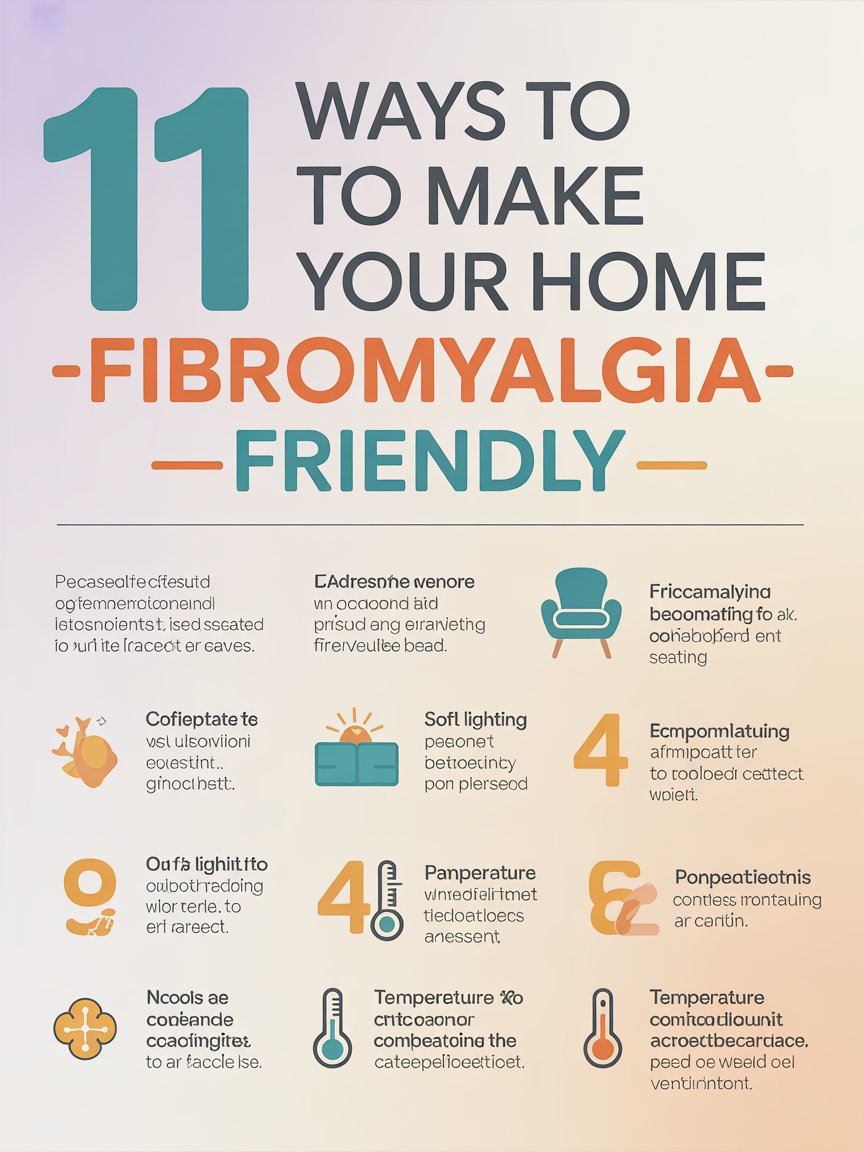
    11 Ways to Make Your Home Fibromyalgia-Friendly

    11 Ways to Make Your Home Fibromyalgia-Friendly

    Living with fibromyalgia can make everyday activities at home more challenging due to chronic pain, fatigue, and sensitivity to stress or discomfort. Creating a home environment that supports comfort, relaxation, and ease of movement can significantly improve daily life for people with fibromyalgia.

    A fibromyalgia-friendly home focuses on reducing physical strain, improving relaxation, and making daily tasks easier. Simple adjustments to your living space can help minimize pain triggers and create a more supportive environment for both physical and mental well-being.

    Understanding the Importance of a Supportive Home Environment

    Home should be a place where the body can rest and recover. However, clutter, poor lighting, uncomfortable furniture, or difficult household tasks can increase fatigue and pain.

    By making small changes throughout the home, individuals with fibromyalgia can reduce stress on their bodies and create a space that promotes healing and relaxation.

    1. Invest in a Comfortable Mattress

    Sleep quality plays a major role in managing fibromyalgia symptoms. A supportive and comfortable mattress can help reduce pressure on joints and muscles, improving sleep and reducing morning stiffness.

    Choosing a mattress that supports proper spinal alignment can make a noticeable difference in overall comfort.

    2. Use Soft and Supportive Bedding

    Soft bedding materials such as cotton or bamboo fabrics can reduce skin irritation and improve sleep comfort. Many people with fibromyalgia experience heightened sensitivity to touch, so gentle fabrics can help create a more relaxing sleep environment.

    Comfortable pillows that support the neck and back are also important for better rest.

    3. Keep Frequently Used Items Within Reach

    Reaching, bending, or stretching repeatedly can worsen muscle pain. Organizing the home so that commonly used items are easy to access can help reduce unnecessary strain.

    Keeping everyday essentials at waist or shoulder height can make daily tasks much easier.

    4. Reduce Clutter for Easier Movement

    A clutter-free environment not only reduces stress but also makes it easier to move around safely. Clear pathways help prevent unnecessary effort and lower the risk of accidents.

    Maintaining simple and organized spaces can also create a calmer and more relaxing atmosphere.

    5. Add Comfortable Seating Areas

    Having supportive seating throughout the home allows you to rest when needed. Chairs with good back support and soft cushioning can help relieve pressure on the body.

    Placing comfortable seating in areas where you spend time, such as the living room or reading corner, encourages regular rest breaks.

    6. Use Gentle Lighting

    Bright or harsh lighting can sometimes worsen headaches or sensory sensitivity. Soft, warm lighting can create a calming environment and reduce visual stress.

    Adjustable lamps or dimmable lights can help you control brightness levels depending on your comfort.

    7. Create a Relaxation Space

    Designating a quiet corner for relaxation can be very helpful for managing stress and fatigue. This space can include comfortable seating, calming music, books, or relaxation tools.

    Having a peaceful area for meditation, reading, or deep breathing can support both mental and physical recovery.

    8. Use Assistive Tools for Household Tasks

    Simple tools can make everyday chores easier. Lightweight cleaning equipment, long-handled tools, or ergonomic kitchen utensils can reduce strain on muscles and joints.

    These tools help conserve energy and make tasks more manageable on days when pain levels are higher.

    9. Maintain a Comfortable Room Temperature

    Many people with fibromyalgia are sensitive to temperature changes. Keeping the home at a comfortable temperature can help prevent muscle stiffness and discomfort.

    Using blankets, fans, or temperature controls can help maintain a balanced indoor climate.

    10. Keep a Heating Pad or Warm Blanket Nearby

    Heat therapy can provide quick relief for sore muscles. Having a heating pad or warm blanket easily accessible can help reduce pain during flare-ups.

    These simple comfort items can provide soothing relief without requiring medication.

    11. Organize Your Kitchen for Easy Meal Preparation

    Preparing meals can be tiring when living with fibromyalgia. Organizing the kitchen so that frequently used items are easy to reach can make cooking less exhausting.

    Using simple meal preparation methods and keeping the workspace organized can help conserve energy during daily cooking tasks.

    Creating a Calm and Supportive Atmosphere

    Beyond physical comfort, the emotional environment of a home also matters. Calm colors, relaxing scents, and peaceful surroundings can help reduce stress and create a sense of comfort.

    A relaxing atmosphere supports both mental wellness and physical recovery.

    Making Gradual Improvements

    Transforming your home into a fibromyalgia-friendly space does not have to happen all at once. Small adjustments over time can gradually create a more supportive environment.

    Even simple changes can make daily activities easier and help reduce pain triggers.

  • 6 Lifestyle Changes That Reduce Pain

    6 Lifestyle Changes That Reduce Pain

    6 Lifestyle Changes That Reduce Pain

    Chronic pain can affect many aspects of daily life, from physical activity to sleep and emotional well-being. While medical treatments may help manage symptoms, lifestyle choices also play a powerful role in reducing pain and improving overall health. Small but consistent changes in daily habits can help the body cope better with discomfort and promote long-term relief.

    Adopting healthier routines can support muscle function, reduce inflammation, and improve energy levels. The following six lifestyle changes are simple yet effective ways to help reduce pain and enhance quality of life.

    Understanding the Connection Between Lifestyle and Pain

    Many types of chronic pain are influenced by factors such as stress, sleep quality, diet, and activity levels. When these factors are out of balance, the body may become more sensitive to pain signals.

    By making thoughtful adjustments in daily life, it is possible to support the body’s natural ability to manage pain more effectively.

    1. Stay Physically Active with Gentle Exercise

    Regular physical activity is one of the most effective ways to manage chronic pain. Gentle exercises help strengthen muscles, improve flexibility, and increase blood circulation.

    Activities such as walking, swimming, stretching, or yoga can reduce stiffness and help maintain mobility. The key is to start slowly and gradually increase activity without overexertion.

    2. Improve Your Sleep Routine

    Sleep plays a crucial role in pain management. Poor sleep can increase sensitivity to pain and lead to fatigue and irritability.

    Creating a consistent bedtime routine, keeping the bedroom comfortable, and avoiding screens before bedtime can improve sleep quality. Better sleep allows the body to recover and repair itself overnight.

    3. Manage Stress Effectively

    Stress can significantly increase muscle tension and make pain feel more intense. Chronic stress may also worsen fatigue and reduce the body’s ability to cope with discomfort.

    Practicing relaxation techniques such as meditation, deep breathing, or mindfulness can help calm the nervous system and reduce stress-related pain.

    4. Maintain a Balanced and Nutritious Diet

    A healthy diet supports the body’s natural healing processes. Foods rich in vitamins, minerals, and antioxidants help reduce inflammation and support muscle health.

    Including plenty of fruits, vegetables, lean proteins, whole grains, and healthy fats in daily meals can improve overall well-being and reduce pain-related symptoms.

    5. Pace Your Daily Activities

    Overexertion can worsen chronic pain and lead to fatigue. Learning to pace activities throughout the day helps maintain energy and prevents flare-ups.

    Breaking tasks into smaller steps, taking short breaks, and alternating between activity and rest can help reduce strain on the body.

    6. Prioritize Self-Care and Relaxation

    Self-care is an essential part of managing chronic pain. Taking time to relax allows the body and mind to recover from daily stress.

    Activities such as warm baths, gentle stretching, listening to calming music, or spending time outdoors can promote relaxation and help ease discomfort.

    Creating Long-Term Healthy Habits

    Lifestyle changes work best when they are practiced consistently. Small improvements in daily habits can gradually lead to significant changes in how the body feels.

    Instead of making drastic changes all at once, focus on building one healthy habit at a time. This approach makes it easier to maintain long-term progress.

    Listening to Your Body

    Everyone experiences pain differently, so it is important to pay attention to how your body responds to different activities and habits. Adjusting your routine based on your comfort level helps prevent unnecessary strain.

    Being mindful of your limits can help you manage pain more effectively.

    The Role of Positive Mindset

    Maintaining a positive outlook can also influence how the body experiences pain. While chronic pain can be frustrating, focusing on supportive habits and gradual improvements can help create a sense of control and confidence.

    Mental well-being and physical health often work together in managing chronic pain.

    Final Thoughts

    Reducing chronic pain often requires a combination of medical care and supportive lifestyle changes. By staying active, improving sleep, managing stress, eating a balanced diet, pacing activities, and practicing self-care, individuals can take meaningful steps toward better pain management.

    These six lifestyle changes may seem simple, but when practiced consistently, they can help reduce pain, improve energy levels, and support a healthier and more comfortable daily life.

  • 9 Things You Should Stop Doing If You Have Fibromyalgia

    9 Things You Should Stop Doing If You Have Fibromyalgia

    9 Things You Should Stop Doing If You Have Fibromyalgia

    Fibromyalgia is a chronic condition that causes widespread pain, fatigue, sleep disturbances, and cognitive difficulties. Because symptoms can flare up unexpectedly, daily habits play a major role in either improving or worsening the condition. While adopting healthy habits is important, it is equally important to recognize behaviors that may trigger symptoms or make them worse.

    Many people with fibromyalgia unintentionally follow routines that increase fatigue, stress, or pain. By identifying and avoiding certain habits, individuals can better manage their symptoms and improve their quality of life.

    Understanding Fibromyalgia Triggers

    Fibromyalgia symptoms often respond to lifestyle factors such as stress, sleep patterns, diet, and activity levels. What may seem like a small daily habit can sometimes lead to flare-ups. Learning what actions to limit or avoid can help reduce symptom severity and support long-term health.

    1. Stop Ignoring Your Body’s Warning Signs

    Many people try to push through pain or fatigue in order to complete tasks. While determination can be helpful, constantly ignoring warning signs from the body can worsen symptoms.

    Listening to your body and resting when needed can prevent small discomforts from turning into severe flare-ups.

    2. Stop Overexerting Yourself

    Overdoing physical activities on days when you feel better may seem tempting. However, excessive activity can lead to increased pain and fatigue the following day.

    Pacing yourself and spreading activities throughout the day can help maintain a more stable energy level.

    3. Stop Skipping Sleep or Staying Up Too Late

    Poor sleep is one of the biggest triggers for fibromyalgia symptoms. Staying up late, irregular sleep schedules, or lack of restful sleep can increase pain and fatigue.

    Prioritizing a consistent bedtime routine and ensuring enough rest each night can significantly improve symptom control.

    4. Stop Relying on Processed Foods

    Highly processed foods, sugary snacks, and excessive caffeine can contribute to inflammation and energy crashes. These foods may worsen fatigue and make it harder for the body to recover.

    Choosing whole foods such as vegetables, fruits, lean proteins, and whole grains can support better energy levels and overall health.

    5. Stop Living in Constant Stress

    Chronic stress can intensify fibromyalgia symptoms by increasing muscle tension and fatigue. Emotional stress can also disrupt sleep and concentration.

    Practicing stress-management techniques such as meditation, deep breathing, or relaxation exercises can help calm the nervous system.

    6. Stop Sitting for Long Periods

    Remaining in the same position for long periods can increase stiffness and discomfort. Many people with fibromyalgia experience worsening pain when they stay inactive for too long.

    Taking short breaks to stretch or move around during the day can help reduce stiffness and improve circulation.

    7. Stop Neglecting Gentle Exercise

    While intense workouts may worsen symptoms, avoiding movement altogether can also be harmful. Lack of physical activity can lead to weaker muscles and increased stiffness.

    Gentle exercises such as walking, stretching, or yoga can help maintain mobility and improve overall well-being.

    8. Stop Comparing Yourself to Others

    Living with fibromyalgia means your body may function differently from others. Comparing your energy levels or productivity with others can lead to frustration and emotional stress.

    Focusing on your personal progress and respecting your body’s limits is a healthier and more supportive mindset.

    9. Stop Ignoring Self-Care

    Many individuals focus on responsibilities and forget to take care of themselves. However, self-care is essential for managing fibromyalgia.

    Simple actions such as resting, stretching, relaxing, and engaging in enjoyable activities can support both physical and emotional health.

    Building Healthier Daily Habits

    Avoiding harmful habits is only one part of managing fibromyalgia. Replacing these behaviors with healthier routines can make daily life more comfortable and balanced.

    Small lifestyle adjustments practiced consistently can help reduce flare-ups and support better energy levels.

    Learning to Pace Your Life

    Pacing activities is one of the most effective strategies for managing fibromyalgia. Balancing work, rest, and personal time helps prevent exhaustion and pain spikes.

    Learning to slow down when needed allows the body to recover and function more comfortably.

    The Importance of Patience

    Managing fibromyalgia is an ongoing process that requires patience and self-awareness. Some strategies may take time before noticeable improvements occur.

    Staying consistent with healthy habits and avoiding harmful ones can gradually lead to better symptom management.

    Final Thoughts

    Fibromyalgia can be difficult to live with, but making mindful lifestyle changes can greatly improve daily comfort. By avoiding habits that trigger pain and fatigue, individuals can create a more supportive routine for their bodies.

    Stopping these nine common habits and replacing them with healthier practices can help reduce symptoms, improve energy levels, and support a better quality of life for those living with fibromyalgia.

  • 5 Budget-Friendly Remedies for Fibromyalgia

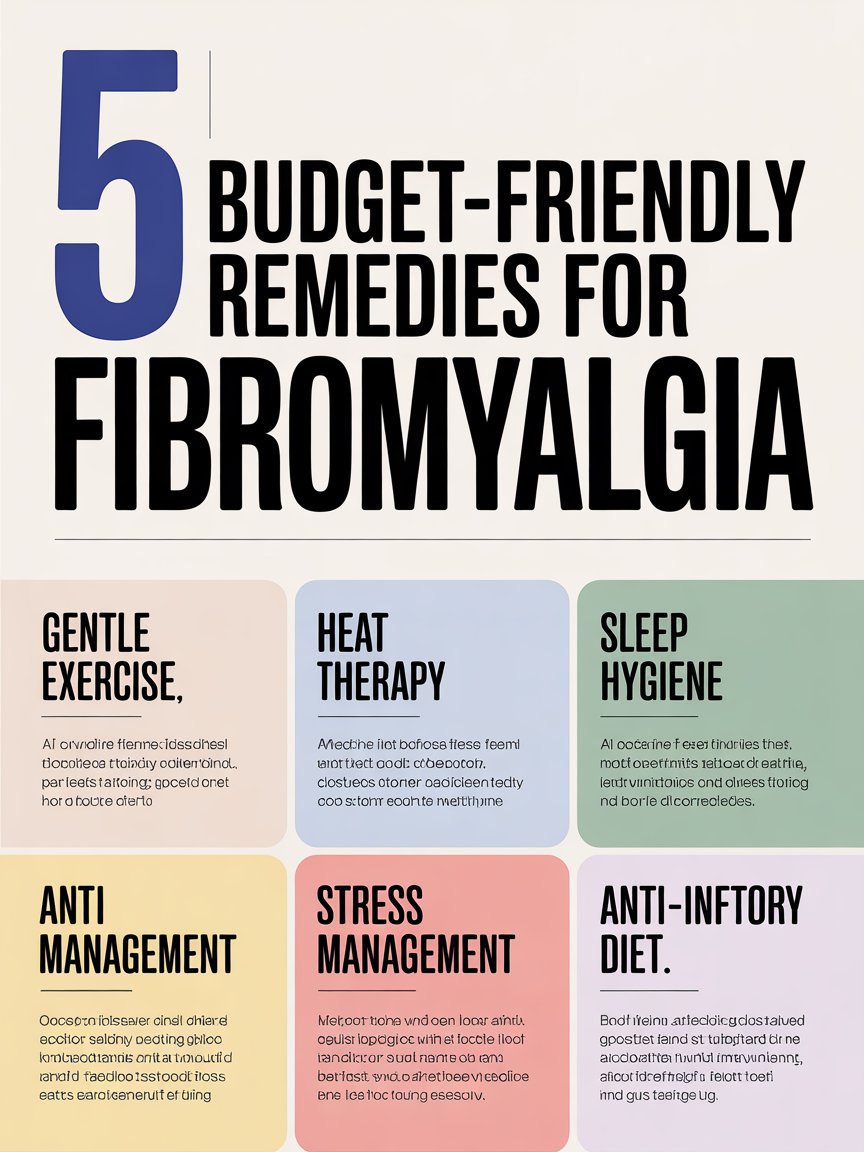
    5 Budget-Friendly Remedies for Fibromyalgia

    5 Budget-Friendly Remedies for Fibromyalgia

    Living with fibromyalgia can be physically and emotionally challenging, especially when symptoms like chronic pain, fatigue, and sleep disturbances affect daily life. While medical treatments and therapies can be helpful, they are not always affordable for everyone. Fortunately, there are several simple and budget-friendly remedies that can help manage fibromyalgia symptoms without putting a strain on your finances.

    Many effective remedies involve lifestyle changes and natural approaches that support the body’s ability to cope with pain and fatigue. By adopting these affordable strategies, individuals with fibromyalgia can improve comfort and overall well-being.

    Understanding Fibromyalgia Management

    Fibromyalgia affects the nervous system and causes widespread pain, muscle stiffness, and fatigue. Managing the condition often requires a combination of medical guidance, healthy habits, and symptom-relief techniques.

    While professional treatment is important, many daily practices can complement medical care and provide relief at little or no cost.

    1. Gentle Stretching and Light Exercise

    One of the most effective and affordable remedies for fibromyalgia is gentle physical activity. Stretching and low-impact exercises help improve circulation, reduce stiffness, and strengthen muscles.

    Activities such as walking, yoga, or simple stretching routines can be done at home without any special equipment. Even 10–15 minutes of daily movement can make a noticeable difference over time.

    2. Warm Baths for Muscle Relief

    Warm baths can provide immediate relief from muscle pain and stiffness. Heat helps relax tight muscles and improves blood flow, which may reduce discomfort.

    Adding Epsom salt to a warm bath can further help relax the body and ease tension. This simple remedy is affordable and can be done regularly to help manage flare-ups.

    3. Improve Sleep Habits

    Quality sleep is essential for people living with fibromyalgia. Poor sleep can worsen pain, fatigue, and brain fog.

    Simple changes such as going to bed at the same time each night, limiting screen use before sleep, and creating a quiet, dark bedroom environment can improve sleep quality without costing anything.

    4. Practice Stress-Relief Techniques

    Stress is a common trigger for fibromyalgia symptoms. Learning to relax the body and mind can reduce pain sensitivity and improve overall well-being.

    Budget-friendly stress relief techniques include deep breathing, meditation, journaling, or listening to calming music. These activities can be practiced anywhere and require little to no expense.

    5. Eat Simple Anti-Inflammatory Foods

    Nutrition plays an important role in managing fibromyalgia symptoms. Eating whole, unprocessed foods can help support energy levels and reduce inflammation in the body.

    Affordable foods like oats, beans, vegetables, fruits, eggs, and brown rice provide essential nutrients without being expensive. Preparing meals at home can also help control costs and improve diet quality.

    Building Healthy Daily Habits

    Consistency is key when using natural remedies for fibromyalgia. Small daily habits can gradually improve how the body feels and reduce the severity of symptoms over time.

    Combining gentle exercise, better sleep, stress management, and healthy eating creates a balanced approach to managing the condition.

    Listening to Your Body

    Each person experiences fibromyalgia differently, so it is important to pay attention to how your body responds to different remedies. Some approaches may provide more relief than others.

    Adjusting routines based on your personal comfort can help create a sustainable long-term strategy.

    The Value of Simple Solutions

    Many people assume that managing fibromyalgia requires expensive treatments or medications. While medical care is important, simple and affordable solutions can also play a powerful role in symptom management.

    Often, small lifestyle adjustments provide consistent relief without additional financial burden.

    Final Thoughts

    Fibromyalgia can be challenging, but managing symptoms does not always have to be costly. Budget-friendly remedies such as gentle exercise, warm baths, improved sleep habits, stress management, and healthy eating can make a meaningful difference.

    By focusing on simple, consistent habits, individuals with fibromyalgia can improve their quality of life while keeping their healthcare expenses manageable.

  • 10 Daily Habits That Improve Fibromyalgia

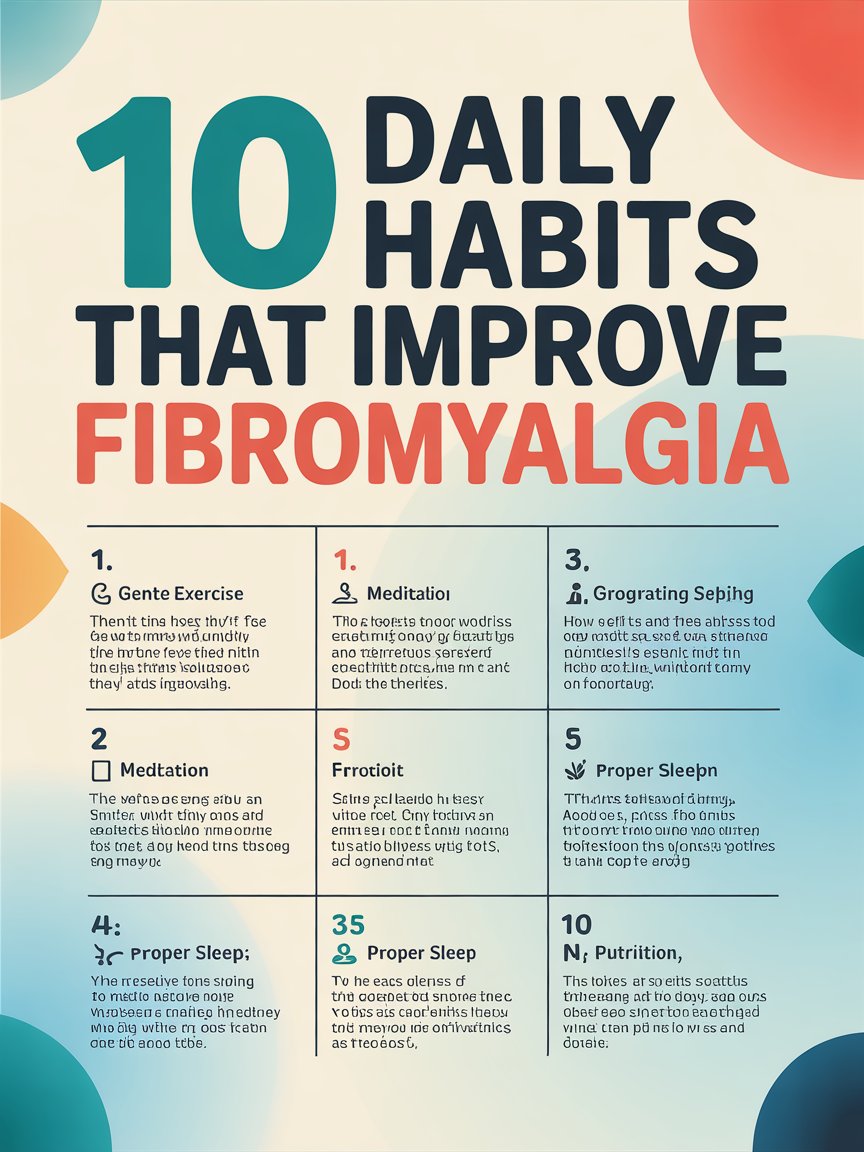
    10 Daily Habits That Improve Fibromyalgia

    10 Daily Habits That Improve Fibromyalgia

    Fibromyalgia is a chronic condition that causes widespread pain, fatigue, sleep disturbances, and cognitive difficulties. While there is no single cure, many people find that certain daily habits can significantly improve how they feel. Small lifestyle changes practiced consistently can help reduce flare-ups, improve energy levels, and support overall well-being.

    Creating a balanced daily routine is one of the most effective ways to manage fibromyalgia symptoms. Healthy habits can support the body’s ability to cope with pain, improve sleep quality, and reduce stress. The following ten daily habits can help people living with fibromyalgia experience better comfort and stability in their daily lives.

    1. Start the Day with Gentle Movement

    Morning stiffness and pain are common in fibromyalgia. Beginning the day with gentle stretching or light movement can help loosen tight muscles and improve circulation.

    Activities such as simple stretching, yoga, or a short walk can gradually wake up the body and reduce stiffness without causing strain.

    2. Maintain a Consistent Sleep Schedule

    Sleep disturbances are one of the most challenging symptoms of fibromyalgia. Going to bed and waking up at the same time each day helps regulate the body’s internal clock.

    Consistent sleep habits can improve sleep quality, which may reduce fatigue and pain levels during the day.

    3. Eat Anti-Inflammatory Foods

    A balanced diet rich in anti-inflammatory foods can help support the body and reduce symptom severity. Fresh vegetables, fruits, whole grains, lean proteins, and healthy fats provide important nutrients.

    Foods such as berries, leafy greens, nuts, and fatty fish may support overall health and energy levels.

    4. Stay Hydrated Throughout the Day

    Proper hydration is essential for muscle health and energy production. Dehydration can worsen fatigue and muscle discomfort.

    Drinking water regularly throughout the day supports circulation, digestion, and overall body function.

    5. Practice Stress Management

    Stress is a major trigger for fibromyalgia flare-ups. Learning to manage stress can significantly improve daily comfort.

    Techniques such as deep breathing, meditation, mindfulness, or journaling can calm the nervous system and reduce tension.

    6. Pace Your Activities

    Overexertion can lead to increased pain and fatigue. Pacing daily activities helps maintain energy levels and prevents symptom flare-ups.

    Breaking tasks into smaller steps and taking short breaks between activities can help protect the body from exhaustion.

    7. Engage in Gentle Exercise

    Regular, low-impact exercise can help reduce pain and stiffness over time. Activities such as swimming, walking, tai chi, or yoga are often recommended for people with fibromyalgia.

    The key is to start slowly and gradually increase activity levels without pushing the body too hard.

    8. Spend Time Outdoors

    Fresh air and natural sunlight can improve mood and support overall well-being. Sunlight also helps regulate sleep cycles and may boost vitamin D levels.

    Even a short daily walk outdoors can provide physical and mental benefits.

    9. Create a Relaxing Evening Routine

    Evening habits can influence how well you sleep and how your body recovers overnight. Creating a calm nighttime routine helps signal the body that it is time to rest.

    Activities such as reading, gentle stretching, or taking a warm bath can help relax muscles and prepare the body for sleep.

    10. Listen to Your Body

    One of the most important habits for managing fibromyalgia is learning to listen to your body’s signals. Paying attention to pain, fatigue, and stress levels allows you to adjust your activities accordingly.

    Resting when needed and avoiding unnecessary strain can help prevent flare-ups and support long-term health.

    Building a Sustainable Lifestyle

    Improving fibromyalgia symptoms often comes from consistent lifestyle habits rather than drastic changes. Small daily practices can gradually improve energy levels, sleep quality, and overall comfort.

    A supportive routine that balances activity, rest, nutrition, and stress management can make living with fibromyalgia more manageable.

    Final Thoughts

    Fibromyalgia can be challenging, but adopting healthy daily habits can make a meaningful difference. Gentle movement, proper nutrition, stress reduction, and consistent sleep routines all support the body’s ability to manage symptoms.

    By practicing these ten habits regularly, individuals with fibromyalgia can take positive steps toward improving their quality of life and maintaining better physical and emotional well-being.

  • 12 Daily Routine Ideas for Women with Fibromyalgia

    12 Daily Routine Ideas for Women with Fibromyalgia

    12 Daily Routine Ideas for Women with Fibromyalgia

    Living with fibromyalgia can make everyday tasks feel overwhelming due to chronic pain, fatigue, and sleep disturbances. For many women, creating a gentle and structured daily routine can help manage symptoms while maintaining a balanced lifestyle. A well-planned routine supports energy conservation, reduces stress, and helps prevent flare-ups.

    While every person’s experience with fibromyalgia is different, having consistent habits can make daily life more predictable and manageable. The following daily routine ideas are designed to help women with fibromyalgia care for their bodies while staying productive and emotionally balanced.

    Understanding the Importance of a Routine

    Fibromyalgia symptoms often fluctuate from day to day. Some days may feel productive and energetic, while others may require more rest and recovery. Establishing a routine helps regulate sleep patterns, energy levels, and stress management.

    A routine does not need to be rigid. Instead, it should be flexible enough to adjust based on how your body feels each day.

    1. Start the Day with Gentle Stretching

    Morning stiffness is common with fibromyalgia. Gentle stretching or light movement can help loosen tight muscles and improve circulation.

    Simple stretches for the neck, shoulders, back, and legs can gradually wake up the body without putting too much strain on the joints.

    2. Eat a Balanced Breakfast

    A healthy breakfast provides energy and supports overall well-being. Foods rich in protein, fiber, and healthy fats help maintain stable energy levels throughout the morning.

    Examples include oatmeal with nuts, yogurt with fruit, or eggs with whole-grain toast.

    3. Plan the Day’s Tasks Wisely

    Energy management is essential when living with fibromyalgia. Planning tasks in advance allows you to prioritize important responsibilities and avoid overexertion.

    Breaking tasks into smaller steps can make them more manageable and reduce physical strain.

    4. Schedule Rest Periods

    Rest is not a sign of weakness—it is an important part of managing fibromyalgia symptoms. Short rest breaks throughout the day help prevent fatigue and reduce pain flare-ups.

    Even a 10–15 minute break can refresh the body and mind.

    5. Include Gentle Physical Activity

    Light exercise can improve flexibility, reduce stiffness, and boost mood. Activities such as walking, stretching, yoga, or swimming are often recommended for people with fibromyalgia.

    The key is to start slowly and avoid pushing the body too hard.

    6. Stay Hydrated Throughout the Day

    Proper hydration supports muscle function and overall health. Drinking enough water can help reduce fatigue and improve concentration.

    Keeping a water bottle nearby can serve as a reminder to drink regularly.

    7. Eat Nutritious Meals and Snacks

    Maintaining stable energy levels requires balanced meals throughout the day. Include whole foods such as vegetables, fruits, lean proteins, and whole grains.

    Healthy snacks like nuts, fruit, or yogurt can prevent energy crashes between meals.

    8. Practice Stress-Relief Techniques

    Stress can trigger fibromyalgia flare-ups. Adding relaxation techniques to your daily routine can help calm the nervous system.

    Deep breathing, meditation, journaling, or listening to relaxing music are simple ways to reduce stress.

    9. Limit Overexertion

    It can be tempting to do too much on days when symptoms feel mild. However, overexertion can lead to increased pain and fatigue later.

    Pacing activities and listening to your body helps maintain steady energy levels.

    10. Spend Time Doing Something You Enjoy

    Emotional well-being is just as important as physical health. Taking time for hobbies and enjoyable activities can improve mood and reduce stress.

    Reading, crafting, gardening, or watching a favorite show are small ways to add joy to your day.

    11. Prepare for a Restful Evening

    Creating a calm evening routine can help improve sleep quality. Dim lighting, relaxing activities, and avoiding screens before bedtime can signal the body that it is time to rest.

    A warm bath or gentle stretching can also help relax muscles before sleep.

    12. Maintain a Consistent Sleep Schedule

    Sleep disturbances are common with fibromyalgia. Going to bed and waking up at the same time each day helps regulate the body’s internal clock.

    Good sleep hygiene can reduce fatigue and help the body recover overnight.

    Final Thoughts

    Managing fibromyalgia requires patience, self-awareness, and supportive daily habits. A gentle and flexible routine can help women balance responsibilities while protecting their health and energy.

    By incorporating healthy meals, rest periods, light exercise, and stress management into daily life, women with fibromyalgia can create a routine that supports both physical comfort and emotional well-being. Over time, these small habits can make a meaningful difference in managing symptoms and improving quality of life.