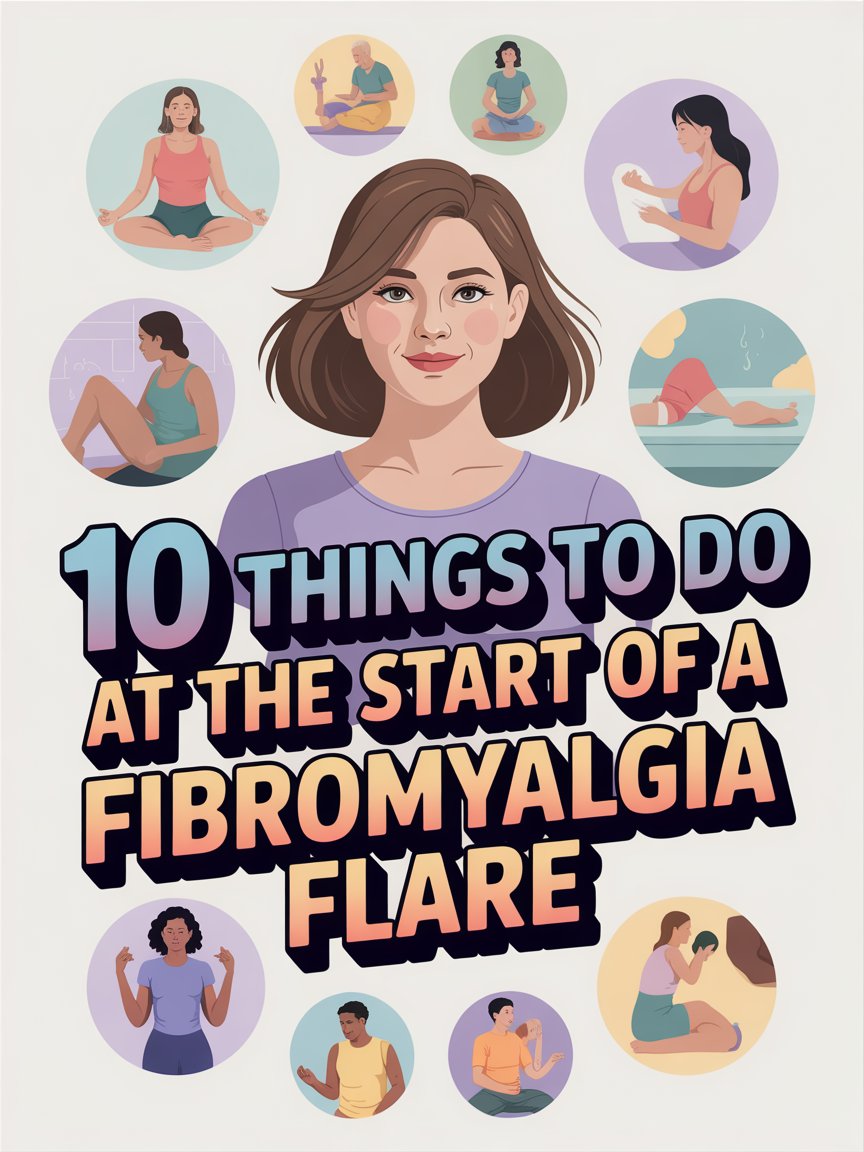
1. Recognize the Early Warning Signs
A flare of Fibromyalgia often begins with subtle symptoms such as increased fatigue, muscle tenderness, brain fog, or sleep disturbances. Paying attention to these early signs can help you respond quickly and prevent symptoms from becoming more severe.
2. Slow Down and Rest Your Body
Give Yourself Permission to Pause
When a flare begins, your body needs extra care. Reduce physical activity and allow yourself time to rest. Slowing down early can prevent the flare from intensifying.
3. Apply Gentle Heat Therapy
Relax Tight Muscles
Heat can help soothe sore muscles and reduce stiffness. A warm bath, heating pad, or warm shower may provide comfort and improve circulation during a flare.
4. Stay Hydrated
Support Your Body’s Recovery
Dehydration can worsen fatigue and headaches. Drinking water or herbal teas throughout the day helps maintain energy levels and supports overall body function.
5. Practice Deep Breathing or Relaxation
Calm the Nervous System
Fibromyalgia flares often involve increased nervous system sensitivity. Deep breathing exercises, meditation, or gentle relaxation techniques can reduce stress and ease pain signals.
6. Take Gentle Stretch Breaks
Keep Muscles Flexible
While rest is important, complete inactivity may increase stiffness. Light stretching or slow movements can help maintain flexibility without overexertion.
7. Prioritize Sleep and Restorative Time
Help the Body Recharge
Flares often worsen when sleep is disrupted. Focus on creating a calm environment that encourages restful sleep and short recovery naps if needed.
8. Choose Nourishing, Anti-Inflammatory Foods
Fuel the Body Wisely
Eating balanced meals with fruits, vegetables, lean proteins, and healthy fats may support recovery. Avoid excessive sugar or processed foods that may worsen fatigue.
9. Reduce Stress and Overstimulation
Protect Your Energy
Bright lights, loud environments, and emotional stress can intensify symptoms during a flare. Create a calm space and limit demanding activities when possible.
10. Track Symptoms and Possible Triggers
Learn From Each Flare
Keeping a symptom journal can help you identify patterns such as stress, weather changes, or overexertion that trigger flares. This awareness can guide future prevention strategies.
11. Use Comfort Techniques That Work for You
Personalized Relief Methods
Everyone experiences fibromyalgia differently. Some people find relief with gentle massage, warm blankets, or quiet relaxation activities such as reading or listening to calming music.
12. Communicate Your Needs
Let Others Know You Need Support
Inform family members, coworkers, or friends when you’re experiencing a flare. Their understanding can help reduce pressure and provide practical support.
13. Adjust Your Daily Expectations
Focus on Essential Tasks
During a flare, it’s helpful to prioritize the most important activities and postpone nonessential tasks. Lowering expectations temporarily can reduce frustration and exhaustion.
14. Be Patient With Your Recovery
Healing Takes Time
Fibromyalgia flares can last from a few hours to several days. Allow your body the time it needs to recover without pushing yourself too quickly.
15. Practice Self-Compassion
Caring for Yourself Matters
Managing a fibromyalgia flare requires kindness toward yourself. Listening to your body, resting when needed, and using supportive coping strategies can make flares more manageable over time.