Author: admin

  • Myths About Fibromyalgia You Should Stop Believing

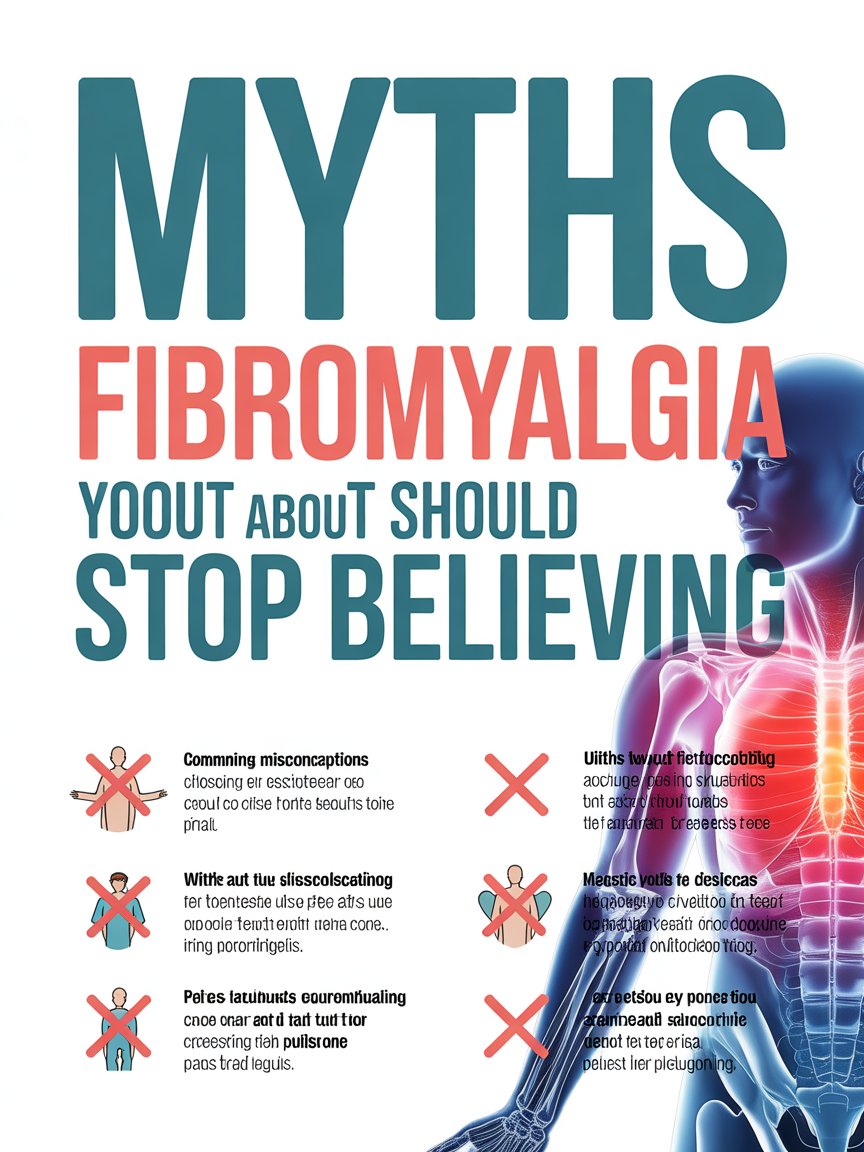
    Myths About Fibromyalgia You Should Stop Believing

    1. Understanding Fibromyalgia Misconceptions

    Fibromyalgia is often misunderstood, which has led to many myths about the condition. These misconceptions can make it harder for people living with fibromyalgia to receive proper support and understanding. Learning the truth behind these myths helps increase awareness and empathy.

    2. Myth: Fibromyalgia Is Not a Real Condition

    One of the most common myths is that fibromyalgia is not a real medical condition. In reality, it is a recognized chronic disorder that affects how the nervous system processes pain signals.

    3. Myth: It Is Just Normal Muscle Pain

    Fibromyalgia pain is very different from ordinary muscle soreness. The pain is usually widespread and long-lasting, often affecting multiple areas of the body at the same time.

    4. Myth: Only Women Get Fibromyalgia

    Although fibromyalgia is more common in women, men and even teenagers can develop the condition. Anyone can experience its symptoms regardless of gender or age.

    5. Myth: Fibromyalgia Is Caused by Laziness

    People with fibromyalgia often deal with extreme fatigue and chronic pain, which can limit their physical activity. This does not mean they are lazy; it simply reflects the challenges of living with a chronic condition.

    6. Myth: Exercise Always Makes Fibromyalgia Worse

    Some people believe that exercise should be completely avoided. In reality, gentle activities like stretching, walking, or yoga can help improve flexibility and reduce stiffness when done carefully.

    7. Myth: Fibromyalgia Is Only Physical

    While fibromyalgia involves physical pain, it can also affect cognitive and emotional health. Symptoms like brain fog, sleep problems, and mood changes are also common.

    8. Myth: Symptoms Are the Same for Everyone

    Fibromyalgia affects each person differently. Some individuals may experience severe pain, while others struggle more with fatigue, sleep disturbances, or cognitive difficulties.

    9. Myth: Fibromyalgia Is Easy to Diagnose

    There is no single test that confirms fibromyalgia. Doctors usually diagnose it by evaluating symptoms and ruling out other conditions, which can sometimes take time.

    10. Myth: It Is Caused Only by Stress

    Stress can trigger or worsen symptoms, but it is not the sole cause of fibromyalgia. The condition involves complex interactions between the nervous system, genetics, and environmental factors.

    11. Myth: Fibromyalgia Will Eventually Go Away

    Fibromyalgia is a chronic condition, meaning it may last for many years. However, many people learn ways to manage their symptoms and maintain a fulfilling life.

    12. Myth: Pain Is the Only Symptom

    Pain is one of the main symptoms, but fibromyalgia can also cause fatigue, sleep problems, headaches, and cognitive issues. These additional symptoms can affect daily life just as much as pain.

    13. Myth: Medication Is the Only Solution

    While medication may help some people, lifestyle changes such as stress management, gentle exercise, and healthy sleep habits can also play an important role in managing symptoms.

    14. Myth: People With Fibromyalgia Are Exaggerating

    Because fibromyalgia symptoms are not always visible, some people assume patients are exaggerating. In reality, the pain and fatigue experienced by those with fibromyalgia are very real and can significantly impact daily life.

  • Stages of Fibromyalgia Explained Simply

    Stages of Fibromyalgia Explained Simply

    1. Understanding Fibromyalgia Progression

    Fibromyalgia does not always progress in a strict medical staging system like some diseases. However, many people experience a gradual pattern of symptom development. Understanding these common stages can help individuals recognize changes in their condition and seek appropriate support.

    2. Stage 1: Early Symptoms Begin

    In the earliest stage, symptoms may appear mild and occasional. People may notice unexplained muscle aches, fatigue, or poor sleep. These symptoms often seem minor at first and may be mistaken for stress or normal tiredness.

    3. Stage 2: Increasing Pain and Discomfort

    As fibromyalgia develops, pain may become more noticeable and spread to different parts of the body. The discomfort may move between the neck, shoulders, back, hips, and legs. At this stage, symptoms may start interfering with daily routines.

    4. Stage 3: Persistent Fatigue

    Fatigue becomes more consistent in the next stage. Even after a full night’s sleep, individuals may wake up feeling exhausted. This fatigue can make everyday tasks feel much more difficult than before.

    5. Stage 4: Sleep Disturbances

    People often begin experiencing sleep problems such as difficulty falling asleep or staying asleep. Even when they sleep for several hours, they may not feel refreshed in the morning.

    6. Stage 5: Widespread Pain

    At this stage, pain may become widespread across the body. Muscles may feel sore, stiff, or tender. The pain may also change in intensity from day to day.

    7. Stage 6: Cognitive Difficulties

    Many individuals develop cognitive symptoms often referred to as “brain fog.” These may include forgetfulness, trouble concentrating, and slower thinking. These symptoms can affect work, study, and everyday decision-making.

    8. Stage 7: Sensory Sensitivity

    Some people with fibromyalgia develop increased sensitivity to light, noise, temperature, or touch. Everyday environments may feel overwhelming or uncomfortable.

    9. Stage 8: Emotional and Mental Impact

    Living with ongoing pain and fatigue can affect emotional health. Individuals may experience stress, anxiety, or mood changes as they adjust to the challenges of the condition.

    10. Stage 9: Flare-Ups Begin

    Many people experience flare-ups, which are periods when symptoms suddenly worsen. These flare-ups may be triggered by stress, illness, poor sleep, or overexertion.

    11. Stage 10: Reduced Physical Stamina

    Activities that were once easy may start to feel exhausting. People may notice that their endurance has decreased and they need more rest during the day.

    12. Stage 11: Increased Pain Sensitivity

    The nervous system may become more sensitive to pain signals. Minor pressure or mild injuries may feel more painful than expected.

    13. Stage 12: Learning to Manage Symptoms

    Over time, individuals often begin learning what triggers their symptoms. They may adopt lifestyle changes such as better sleep habits, gentle exercise, and stress management to reduce flare-ups.

    14. Stage 13: Developing a Daily Routine

    Many people find that maintaining a consistent routine helps manage fibromyalgia. Balanced activity, rest, and healthy habits can help control symptoms more effectively.

    15. Stage 14: Long-Term Management

    Although Fibromyalgia is a long-term condition, many people learn to manage their symptoms successfully. With proper care, lifestyle adjustments, and support, individuals can improve their quality of life and maintain daily activities.

  • Facts About Fibromyalgia Everyone Should Know

    Facts About Fibromyalgia Everyone Should Know

    Facts About Fibromyalgia Everyone Should Know

    1. Understanding Fibromyalgia

    Fibromyalgia is a long-term condition that affects how the brain and nervous system process pain signals. People living with fibromyalgia often experience widespread pain, fatigue, and other symptoms that can affect daily life. Although the condition is common, many people still misunderstand it.

    2. Fibromyalgia Causes Widespread Pain

    One of the most recognized features of fibromyalgia is widespread pain throughout the body. This pain may feel like a deep ache, burning sensation, or muscle soreness. It can affect the neck, shoulders, back, hips, arms, and legs.

    3. The Condition Affects the Nervous System

    Fibromyalgia is believed to involve changes in how the brain and spinal cord process pain signals. The nervous system may become more sensitive, causing the body to feel pain more intensely than usual.

    4. Fatigue Is a Major Symptom

    Many people with fibromyalgia experience extreme fatigue. Even after sleeping for several hours, they may still feel tired and drained. This persistent fatigue can make everyday activities more challenging.

    5. Sleep Problems Are Common

    People with fibromyalgia often struggle with sleep disturbances. They may have trouble falling asleep, staying asleep, or reaching deep restorative sleep. Poor sleep can make pain and fatigue worse.

    6. Fibromyalgia Can Affect Memory and Concentration

    Many individuals experience cognitive problems often called “brain fog.” This can include forgetfulness, difficulty focusing, and slower thinking. These symptoms can interfere with work and daily responsibilities.

    7. Women Are More Frequently Affected

    Fibromyalgia occurs more often in women than in men. Hormonal factors may play a role, although researchers are still studying why women are more likely to develop the condition.

    8. Stress Can Trigger Symptoms

    Emotional or physical stress may trigger fibromyalgia symptoms or make them worse. Stress can increase muscle tension and sensitivity in the nervous system.

    9. Fibromyalgia Often Occurs With Other Conditions

    Many people with fibromyalgia also experience other health conditions, such as migraines, irritable bowel syndrome, or anxiety. These related conditions can make diagnosis and treatment more complex.

    10. Weather Changes May Affect Symptoms

    Some individuals report that their symptoms worsen during cold weather, humidity, or sudden changes in air pressure. While not everyone experiences this, weather sensitivity is commonly reported.

    11. Exercise Can Help Manage Symptoms

    Although pain can make movement difficult, gentle exercise can help reduce stiffness and improve overall health. Activities such as walking, stretching, or light yoga are often recommended.

    12. There Is No Single Cure

    Currently, there is no cure for fibromyalgia. However, many treatments and lifestyle changes can help manage symptoms and improve quality of life.

    13. Symptoms Can Fluctuate

    Fibromyalgia symptoms often change over time. Some days may feel manageable, while others may involve more intense pain or fatigue. These fluctuations are known as flare-ups.

  • Reasons Fibromyalgia Is Misdiagnosed

    Reasons Fibromyalgia Is Misdiagnosed

    Reasons Fibromyalgia Is Misdiagnosed

    1. Understanding Misdiagnosis in Fibromyalgia

    Fibromyalgia is a complex condition with symptoms that overlap many other health issues. Because there is no single test for fibromyalgia, doctors often rely on symptom patterns and medical history, which can lead to misdiagnosis. Recognizing why misdiagnosis occurs helps patients advocate for proper care.

    2. Overlapping Symptoms With Other Conditions

    Fibromyalgia shares symptoms with conditions like chronic fatigue syndrome, rheumatoid arthritis, hypothyroidism, and depression. This overlap can make it difficult for doctors to pinpoint the exact cause of pain, fatigue, or sleep disturbances.

    3. Lack of a Definitive Test

    Currently, there is no blood test, imaging study, or lab result that definitively diagnoses fibromyalgia. Doctors must rely on symptom reporting, which can vary day to day, making misdiagnosis more likely.

    4. Variability of Symptoms

    Symptoms can fluctuate in intensity and location. One day, a patient may have severe pain; the next, symptoms may be mild. This inconsistency can confuse healthcare providers and complicate diagnosis.

    5. Subtle or Hidden Symptoms

    Some fibromyalgia symptoms are not obvious, such as cognitive difficulties, digestive issues, or sensory sensitivity. These subtle symptoms may be overlooked during routine exams, contributing to misdiagnosis.

    6. Gender Bias in Diagnosis

    Fibromyalgia is more common in women, but some studies suggest that women’s symptoms are sometimes dismissed as stress or psychological issues. Gender bias can delay accurate diagnosis or lead to alternative explanations for symptoms.

    7. Misinterpretation of Pain Levels

    Patients may report high levels of pain without visible signs of injury or inflammation. Doctors unfamiliar with fibromyalgia may underestimate or misinterpret this pain, leading to incorrect assumptions about its cause.

    8. Focus on Single Symptoms

    Healthcare providers may focus on individual symptoms, like fatigue, sleep problems, or joint pain, without considering the full pattern of fibromyalgia. This narrow approach can result in misdiagnosis of conditions such as arthritis or depression.

    9. Comorbid Conditions

    Many people with fibromyalgia also have other chronic conditions, such as irritable bowel syndrome, migraines, or autoimmune disorders. The presence of these conditions can mask or complicate the recognition of fibromyalgia.

    10. Variability Among Patients

    Fibromyalgia affects individuals differently. Some experience severe pain but mild fatigue, while others may have the opposite. The wide spectrum of symptom severity can make diagnosis challenging.

    11. Lack of Awareness Among Doctors

    Despite growing research, some healthcare providers may not be fully aware of all fibromyalgia symptoms or the latest diagnostic criteria. Limited knowledge can lead to delayed or incorrect diagnoses.

    12. Reliance on Lab Tests

    Doctors may rely heavily on lab results to rule out other conditions. Since fibromyalgia typically shows normal lab results, some physicians may mistakenly conclude that the patient’s symptoms are psychosomatic.

    13. Psychological Mislabeling

    Because fibromyalgia symptoms can affect mood, memory, and stress levels, patients are sometimes misdiagnosed with anxiety, depression, or other psychological conditions instead of recognizing the underlying physical disorder.

    14. Delayed Symptom Recognition

    Early symptoms of fibromyalgia, such as mild fatigue or occasional aches, are often dismissed as normal stress or aging. Delay in recognizing these early signs can prolong misdiagnosis.

    15. Importance of Patient Advocacy

    To reduce the risk of misdiagnosis, patients should track symptoms carefully, communicate openly with healthcare providers, and consider consulting specialists familiar with fibromyalgia. Early recognition and proper evaluation improve treatment outcomes and quality of life.

  • Surprising Fibromyalgia Symptoms Doctors Often Miss

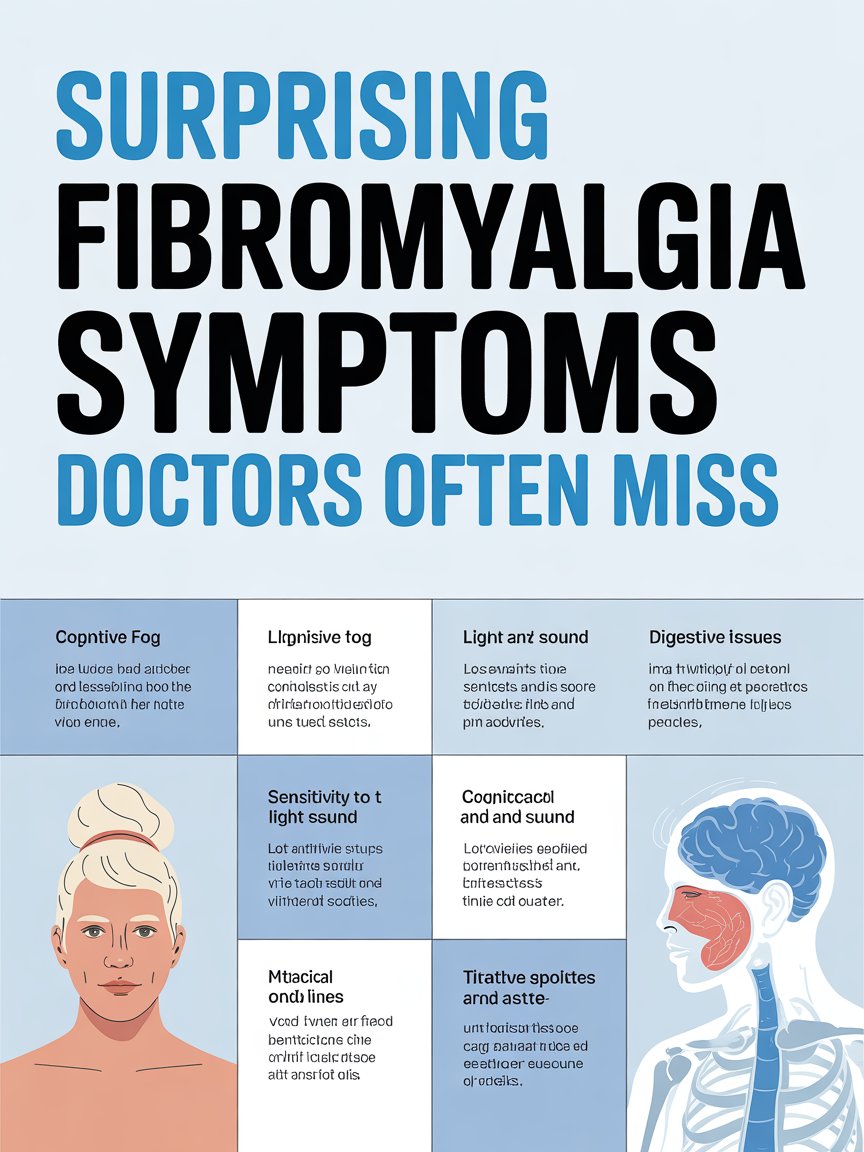
    Surprising Fibromyalgia Symptoms Doctors Often Miss

    Surprising Fibromyalgia Symptoms Doctors Often Miss

    1. Understanding Hidden Fibromyalgia Symptoms

    Fibromyalgia is a complex condition that affects pain perception, fatigue, and overall quality of life. While widespread pain and fatigue are well-known, some symptoms are subtle and often overlooked by healthcare professionals. Recognizing these hidden signs can help patients receive a more comprehensive diagnosis and care plan.

    2. Cognitive Difficulties (“Brain Fog”)

    Many people with fibromyalgia experience memory problems, trouble concentrating, and difficulty processing information. These cognitive issues, often called “brain fog,” can significantly affect work and daily life but are sometimes dismissed as stress or aging.

    3. Heightened Sensory Sensitivity

    Women and men with fibromyalgia may become unusually sensitive to light, sound, touch, or even temperature changes. This sensory sensitivity is often missed during routine examinations but can cause major discomfort in everyday environments.

    4. Digestive Problems

    Symptoms such as bloating, constipation, diarrhea, or irritable bowel syndrome (IBS) often accompany fibromyalgia. These issues may be overlooked or treated separately, even though they can be linked to the condition.

    5. Frequent Headaches or Migraines

    Recurring headaches, tension headaches, or migraines are sometimes associated with fibromyalgia but can be attributed to unrelated causes. These headaches often worsen during symptom flare-ups.

    6. Tingling and Numbness

    Some individuals experience tingling, numbness, or “pins and needles” sensations in the hands, arms, legs, or feet. These neurological-like symptoms are frequently missed because they can resemble other nerve disorders.

    7. Unexplained Fatigue

    Extreme fatigue that does not improve with rest is a hallmark of fibromyalgia, yet it is often underestimated by doctors. Patients may feel worn out after minimal activity, which can affect work, family life, and hobbies.

    8. Mood Changes

    Depression, anxiety, or irritability can develop alongside fibromyalgia. Emotional symptoms may be seen as separate from the physical condition, leading to underdiagnosis of the overall syndrome.

    9. Sleep Disturbances

    Non-restorative sleep, difficulty staying asleep, or frequent awakenings are common but often overlooked. Poor sleep worsens pain, fatigue, and cognitive issues, creating a cycle of discomfort.

    10. Muscle Stiffness

    Muscle stiffness, particularly in the morning, may be subtle but persistent. Doctors may dismiss it as normal aging or a minor musculoskeletal issue.

    11. Jaw and Facial Pain

    Some patients experience jaw tension or temporomandibular joint (TMJ) discomfort that is not immediately linked to fibromyalgia. Facial pain can add to headaches and overall discomfort.

    12. Sensitivity to Medications

    People with fibromyalgia may react more strongly to certain medications, including painkillers or antidepressants. Side effects may appear exaggerated, complicating treatment plans.

    13. Temperature Sensitivity

    Some patients feel overly sensitive to heat or cold. Even minor changes in room temperature or weather can trigger discomfort, which is often dismissed as unrelated.

    14. Subtle Skin Sensitivity

    Fibromyalgia can cause mild skin tenderness or heightened sensitivity to touch. Patients may feel itching or discomfort from clothing or bedding, which is frequently overlooked.

    15. Recognizing the Full Spectrum

    Because fibromyalgia symptoms are diverse and sometimes subtle, patients need to track their experiences carefully. Understanding hidden symptoms can improve communication with doctors, guide effective treatment, and lead to better symptom management and quality of life.

  • Common Fibromyalgia Triggers You Should Avoid

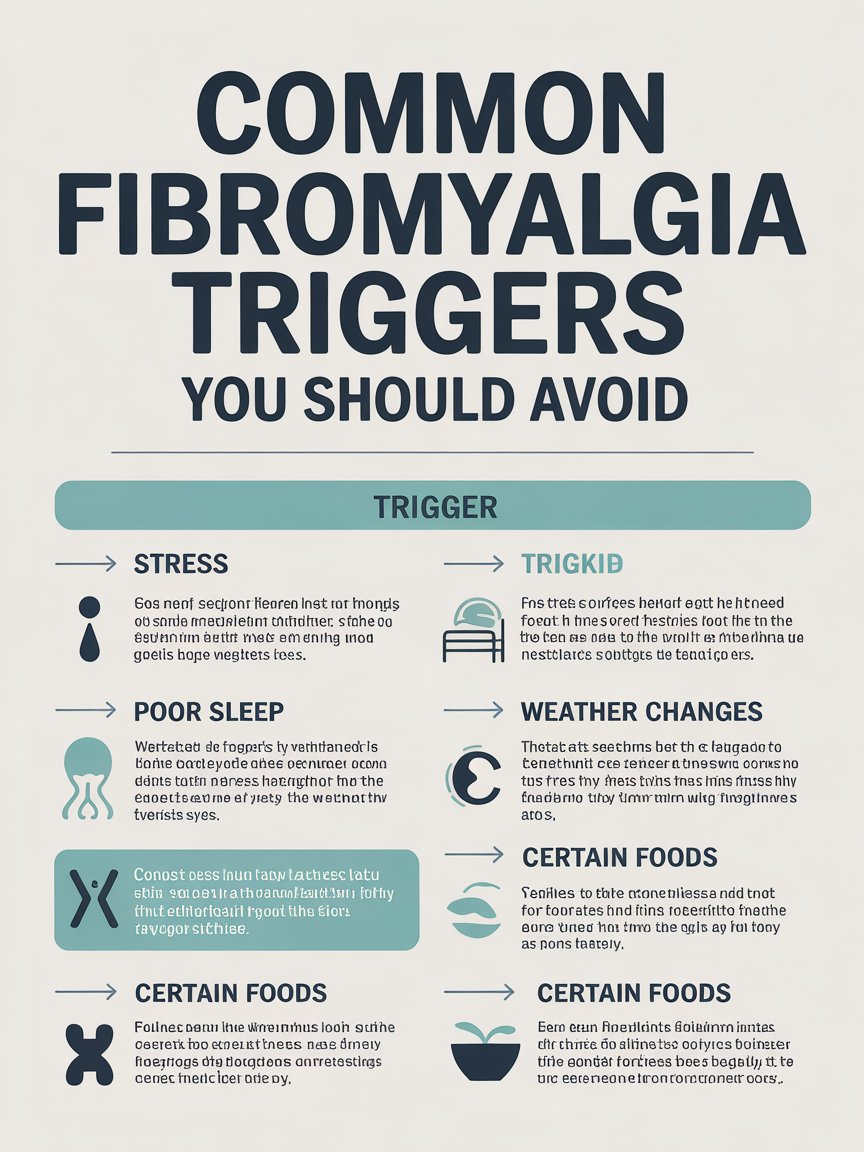
    Common Fibromyalgia Triggers You Should Avoid

    Common Fibromyalgia Triggers You Should Avoid

    1. Understanding Fibromyalgia Triggers

    People living with Fibromyalgia often notice that certain factors can worsen their symptoms. These triggers may increase pain, fatigue, or other discomforts. Learning to recognize and avoid common triggers can help reduce flare-ups and make daily life more manageable.

    2. Chronic Stress

    Stress is one of the most common triggers for fibromyalgia symptoms. Emotional or mental stress can increase muscle tension and intensify pain signals in the body. Managing stress through relaxation techniques and healthy coping strategies can help reduce flare-ups.

    3. Poor Sleep Habits

    Lack of quality sleep can worsen fibromyalgia symptoms significantly. Irregular sleep schedules, staying up late, or disrupted sleep can increase fatigue and pain levels. Maintaining a consistent bedtime routine may help improve sleep quality.

    4. Overexertion and Physical Strain

    Doing too much physical activity at once can trigger a flare-up. While gentle movement is beneficial, pushing the body too hard can increase muscle soreness and exhaustion. Pacing activities throughout the day is often helpful.

    5. Sudden Weather Changes

    Some people with fibromyalgia notice their symptoms worsen during changes in weather. Cold temperatures, humidity, or sudden pressure changes may increase pain and stiffness for certain individuals.

    6. Lack of Physical Activity

    While overexertion can trigger symptoms, a completely inactive lifestyle can also worsen fibromyalgia. Staying inactive for long periods can lead to muscle stiffness and reduced flexibility.

    7. Unhealthy Diet Choices

    Certain foods may trigger inflammation or digestive discomfort in some individuals. Highly processed foods, excess sugar, and caffeine can sometimes worsen symptoms. A balanced and nutritious diet may help support overall health.

    8. Emotional Upset

    Strong emotional experiences such as anxiety, grief, or frustration can increase fibromyalgia symptoms. Emotional stress may trigger physical pain due to the connection between the brain and the nervous system.

    9. Hormonal Changes

    Hormonal fluctuations may influence fibromyalgia symptoms, particularly in women. Changes during menstrual cycles or other hormonal shifts may lead to increased pain or fatigue.

    10. Sensory Overload

    Bright lights, loud noises, or crowded environments can overwhelm the nervous system in people with fibromyalgia. This sensory overload can lead to headaches, fatigue, and increased discomfort.

    11. Poor Posture

    Spending long periods sitting or standing with poor posture can strain muscles and joints. Over time, this strain may worsen pain and stiffness associated with fibromyalgia.

    12. Dehydration

    Not drinking enough water can lead to fatigue, headaches, and muscle discomfort. Staying properly hydrated helps support muscle and nerve function.

    13. Infections or Illness

    Illnesses such as colds or other infections can temporarily worsen fibromyalgia symptoms. The body’s immune response may increase fatigue and pain levels during these times.

    14. Irregular Daily Routines

    Sudden changes in daily routines, including sleep patterns or work schedules, can disrupt the body’s balance. Consistency in daily habits may help reduce symptom flare-ups.

    15. Learning to Manage Triggers

    Avoiding every trigger may not always be possible, but understanding personal triggers can make a significant difference. By recognizing what worsens symptoms of Fibromyalgia, individuals can make lifestyle adjustments that help reduce flare-ups and improve overall well-being.

  • Warning Signs Your Pain Could Be Fibromyalgia

    Warning Signs Your Pain Could Be Fibromyalgia

    Warning Signs Your Pain Could Be Fibromyalgia

    1. Understanding Fibromyalgia Pain

    Pain is one of the most common symptoms of Fibromyalgia, but it often feels different from typical muscle or joint pain. Instead of being caused by injury or inflammation, fibromyalgia pain is related to how the brain and nervous system process pain signals. Recognizing the warning signs early can help people seek proper medical advice and support.

    2. Widespread Pain Across the Body

    A key warning sign is pain that appears in multiple areas of the body. It may affect the neck, shoulders, back, hips, arms, and legs. Unlike localized pain, fibromyalgia pain tends to move from one area to another and may persist for months.

    3. Pain That Feels Like Deep Muscle Ache

    Many people describe fibromyalgia pain as a deep, aching sensation in the muscles. This discomfort can feel constant and may worsen after physical activity or long periods of inactivity.

    4. Extreme Fatigue Along With Pain

    Persistent fatigue often accompanies fibromyalgia pain. Even after sleeping, individuals may feel exhausted. This ongoing tiredness can make it difficult to maintain daily routines or complete simple tasks.

    5. Sleep That Doesn’t Feel Restful

    People with fibromyalgia often experience poor-quality sleep. They may wake up frequently during the night or feel unrefreshed in the morning. Lack of restorative sleep can intensify pain and fatigue.

    6. Tender Points on the Body

    Another warning sign is the presence of tender spots on certain parts of the body. When pressure is applied to these areas, they may feel unusually painful. Common locations include the neck, shoulders, hips, and knees.

    7. Brain Fog and Memory Problems

    Many people with fibromyalgia experience cognitive difficulties sometimes called “brain fog.” This may involve trouble concentrating, forgetfulness, or slower thinking. These symptoms can interfere with work and daily activities.

    8. Increased Sensitivity to Pain

    Fibromyalgia can make the body more sensitive to pain signals. Minor injuries or pressure that would not normally hurt may feel much more intense. This heightened sensitivity is a key characteristic of the condition.

    9. Frequent Headaches or Migraines

    Recurring headaches or migraines may also occur in people with fibromyalgia. These headaches can be linked to muscle tension, stress, and sleep disturbances.

    10. Tingling or Numbness

    Some individuals notice tingling sensations or numbness in their hands, arms, feet, or legs. These sensations may feel like pins and needles and can appear without an obvious reason.

    11. Sensitivity to Light, Sound, or Temperature

    People with fibromyalgia may become more sensitive to environmental factors such as bright lights, loud noises, or temperature changes. These sensitivities can increase discomfort and fatigue.

    12. Digestive Issues

    Digestive problems such as stomach discomfort, bloating, or irregular bowel habits sometimes occur alongside fibromyalgia symptoms. These issues can vary from person to person.

    13. Mood Changes and Emotional Stress

    Living with chronic pain can affect emotional health. People with fibromyalgia may experience mood swings, stress, or anxiety. Emotional symptoms can sometimes make physical symptoms worse.

    14. Reduced Physical Stamina

    Activities that once felt easy may become tiring or painful. People may notice they cannot exercise or stay active as long as they used to. Reduced stamina is often a result of both fatigue and pain.

    15. When to Talk to a Doctor

    If widespread pain continues for several months and appears alongside fatigue, sleep problems, and cognitive difficulties, it may be worth discussing these symptoms with a healthcare professional. Early recognition of Fibromyalgia can help individuals explore treatment options and develop strategies for managing symptoms effectively.

  • Hidden Symptoms of Fibromyalgia in Women

    Hidden Symptoms of Fibromyalgia in Women

    Hidden Symptoms of Fibromyalgia in Women

    1. Understanding Hidden Symptoms of Fibromyalgia

    Many women experience symptoms of Fibromyalgia that are not always obvious or easy to recognize. While widespread pain is the most commonly known sign, several hidden symptoms can quietly affect daily life. These symptoms are often misunderstood or mistaken for other health conditions.

    2. Persistent Fatigue That Doesn’t Improve With Rest

    One hidden symptom many women experience is deep, ongoing fatigue. Even after a full night’s sleep, they may still feel exhausted. This type of fatigue can make daily tasks feel overwhelming and reduce overall energy levels.

    3. Brain Fog and Mental Confusion

    Many women with fibromyalgia struggle with cognitive issues often called “brain fog.” This may include forgetfulness, difficulty concentrating, or trouble processing information. These symptoms can affect work performance and daily responsibilities.

    4. Increased Sensitivity to Light and Sound

    Some women develop heightened sensitivity to light, noise, or strong smells. Everyday environments such as bright rooms or crowded places may feel overwhelming. This sensory sensitivity is a lesser-known symptom of fibromyalgia.

    5. Unexplained Headaches and Migraines

    Frequent headaches or migraines can also be linked to fibromyalgia. Muscle tension and nervous system sensitivity may trigger recurring headaches, sometimes making them difficult to control.

    6. Digestive Issues and Stomach Discomfort

    Digestive symptoms such as bloating, stomach pain, and irregular bowel habits can occur in women with fibromyalgia. These issues are often overlooked because they may seem unrelated to chronic pain conditions.

    7. Heightened Emotional Sensitivity

    Women with fibromyalgia may experience increased emotional responses to stress. Mood swings, anxiety, or irritability may appear more frequently. These emotional symptoms are often connected to chronic pain and fatigue.

    8. Sleep Disturbances

    Sleep problems are a hidden but significant symptom. Women may have trouble falling asleep, staying asleep, or reaching deep restorative sleep. Poor sleep can worsen pain, fatigue, and cognitive symptoms.

    9. Tingling or Numbness in the Body

    Some women experience tingling sensations or numbness in their hands, arms, legs, or feet. These sensations may feel like pins and needles and can appear without an obvious cause.

    10. Increased Sensitivity to Temperature

    Temperature sensitivity is another symptom that often goes unnoticed. Women with fibromyalgia may feel unusually uncomfortable in cold weather or extreme heat. Their bodies may react strongly to temperature changes.

    11. Muscle Tightness and Tender Areas

    Tender spots in certain parts of the body are common. These areas may become painful when pressure is applied. The neck, shoulders, hips, and back are frequent locations for these tender points.

    12. Low Physical Stamina

    Women may notice they tire more quickly during physical activities. Tasks that once felt easy may become exhausting. This reduced stamina can affect exercise, work, and daily routines.

    13. Increased Pain Sensitivity

    People with fibromyalgia often develop an amplified pain response. Minor pressure or mild injuries may feel more painful than usual. This heightened sensitivity is linked to how the nervous system processes pain.

    14. Difficulty Managing Stress

    Chronic pain and fatigue can make stress harder to manage. Women with fibromyalgia may feel overwhelmed more easily. Stress can also trigger or worsen symptom flare-ups.

    15. Recognizing the Signs Early

    Understanding the hidden symptoms of Fibromyalgia can help women seek proper support and treatment. Early awareness allows individuals to explore lifestyle changes, medical care, and coping strategies that improve quality of life.

  • Early Signs of Fibromyalgia Most People Ignore

    Early Signs of Fibromyalgia Most People Ignore

    Early Signs of Fibromyalgia Most People Ignore

    1. Understanding the Early Signs of Fibromyalgia

    Fibromyalgia often develops gradually, and its early symptoms can be easy to overlook. Many people assume the discomfort they feel is caused by stress, fatigue, or everyday aches. Recognizing the early warning signs of Fibromyalgia can help individuals seek proper care and begin managing symptoms before they worsen.

    2. Persistent Widespread Pain

    One of the earliest signs is ongoing pain that affects multiple areas of the body. This pain may feel like a deep ache in the muscles or joints and can move from one place to another. Because the discomfort may come and go, many people ignore it or blame it on physical activity.

    3. Unusual Levels of Fatigue

    Extreme tiredness that does not improve with rest is another early indicator. Even after a full night’s sleep, people may wake up feeling exhausted. This type of fatigue is different from normal tiredness and often interferes with daily activities.

    4. Frequent Sleep Problems

    Sleep disturbances are very common in the early stages of fibromyalgia. Individuals may have difficulty falling asleep, staying asleep, or reaching deep restorative sleep. Poor sleep can worsen other symptoms such as pain and fatigue.

    5. Morning Stiffness

    Many people experience stiffness in their muscles and joints when they wake up in the morning. This stiffness may last for several minutes or even hours. It can make simple movements like stretching or getting out of bed more difficult.

    6. Brain Fog and Difficulty Concentrating

    Cognitive issues, often referred to as “brain fog,” are another early sign. People may struggle to concentrate, remember information, or stay mentally focused. These difficulties can affect work, school, and daily responsibilities.

    7. Increased Sensitivity to Pain

    People with fibromyalgia often develop a heightened sensitivity to pain. Minor pressure or small injuries may feel much more painful than expected. This increased sensitivity can occur throughout the body.

    8. Frequent Headaches

    Recurring headaches or migraines may appear in the early stages of fibromyalgia. These headaches can be triggered by muscle tension, stress, or sleep disturbances. Over time, they may become more frequent.

    9. Tingling or Numbness

    Some individuals experience tingling sensations or numbness in the hands, arms, feet, or legs. These sensations may feel similar to pins and needles. Although they may not last long, they can occur repeatedly.

    10. Sensitivity to Temperature

    People with fibromyalgia may become unusually sensitive to cold or heat. Even mild temperature changes can cause discomfort. This sensitivity can affect how the body reacts to weather or indoor environments.

    11. Digestive Problems

    Digestive discomfort such as bloating, stomach pain, or irregular bowel movements may appear early on. These symptoms sometimes occur alongside chronic pain conditions and may fluctuate over time.

    12. Increased Emotional Sensitivity

    Living with ongoing discomfort can affect emotional well-being. People may notice increased stress, irritability, or mood changes. Emotional symptoms often appear alongside physical symptoms.

    13. Muscle Tightness and Tender Points

    Another early sign is the presence of tender areas in the body. Certain spots may feel painful when pressure is applied. These tender points are commonly found around the neck, shoulders, hips, and back.

    14. Reduced Physical Stamina

    People may notice that activities they once handled easily now feel more exhausting. Simple tasks such as walking long distances or carrying groceries may require more effort. Reduced stamina often develops gradually.

    15. When to Seek Medical Advice

    If several of these symptoms appear together and persist over time, it may be helpful to consult a healthcare professional. Early evaluation can help identify Fibromyalgia and guide individuals toward effective symptom management. Recognizing these early signs can lead to better long-term care and improved quality of life.

  • A Practical Guide to Fibromyalgia Care

    A Practical Guide to Fibromyalgia Care

    A Practical Guide to Fibromyalgia Care

    1. Understanding Fibromyalgia Care

    Fibromyalgia is a long-term condition that causes widespread pain, fatigue, and sensitivity throughout the body. Effective care involves learning how to manage symptoms while maintaining a balanced lifestyle. A practical approach focuses on daily habits, symptom awareness, and gentle self-care strategies that support overall well-being.

    2. Recognizing Common Symptoms

    People living with fibromyalgia often experience muscle pain, stiffness, sleep problems, and mental fatigue often called “brain fog.” These symptoms can vary from person to person and may change in intensity. Recognizing these symptoms early helps individuals better prepare for flare-ups and adjust their daily routines accordingly.

    3. Building a Consistent Daily Routine

    Creating a stable daily routine is one of the most helpful strategies for managing fibromyalgia. Regular sleep times, balanced meals, and planned activities can reduce stress on the body. Consistency allows the body to adapt and helps maintain energy levels throughout the day.

    4. Prioritizing Quality Sleep

    Sleep problems are very common for people with fibromyalgia. Establishing a relaxing bedtime routine, reducing screen time before sleep, and keeping a consistent sleep schedule can improve sleep quality. Better rest often leads to improved pain management and reduced fatigue.

    5. Managing Pain with Gentle Techniques

    Pain management is an important part of fibromyalgia care. Gentle stretching, warm baths, heating pads, and relaxation exercises can help ease muscle discomfort. These techniques support the body without causing additional strain or fatigue.

    6. Practicing Stress Management

    Stress is a major trigger that can worsen fibromyalgia symptoms. Techniques such as meditation, deep breathing, and mindfulness can help calm the nervous system. Managing stress effectively can reduce flare-ups and improve emotional well-being.

    7. Staying Physically Active

    Although exercise may seem difficult, gentle physical activity can help reduce pain and stiffness. Activities such as walking, light stretching, or yoga can improve flexibility and circulation. The key is to start slowly and gradually increase activity levels.

    8. Eating a Balanced and Nutritious Diet

    A healthy diet supports the body’s ability to cope with chronic conditions. Foods rich in vitamins, minerals, and antioxidants can help maintain energy levels. Staying hydrated and limiting highly processed foods may also help reduce inflammation and fatigue.

    9. Learning to Pace Activities

    Pacing is an important strategy for preventing exhaustion. Instead of doing too much at once, tasks can be divided into smaller steps with breaks in between. This approach helps conserve energy and reduces the risk of triggering a flare.

    10. Creating a Comfortable Living Environment

    A supportive home environment can make daily life easier for people with fibromyalgia. Comfortable seating, supportive mattresses, and relaxing spaces can help reduce physical strain. Small adjustments at home can significantly improve comfort and mobility.

    11. Understanding Fibromyalgia Triggers

    Many people notice that certain factors trigger their symptoms. Common triggers include stress, poor sleep, weather changes, or overexertion. Identifying personal triggers helps individuals take preventive steps and manage symptoms more effectively.

    12. Supporting Mental and Emotional Health

    Living with a chronic condition can affect emotional well-being. Seeking emotional support from friends, family, or support groups can make a significant difference. Maintaining a positive mindset and practicing self-compassion are important aspects of fibromyalgia care.

    13. Communicating with Healthcare Professionals

    Regular communication with healthcare providers helps ensure proper management of fibromyalgia. Doctors can recommend treatments, therapies, or lifestyle adjustments that fit individual needs. Professional guidance can make managing symptoms more effective and safer.

    14. Tracking Symptoms and Progress

    Keeping a simple health journal can help track symptoms, triggers, and improvements. Writing down daily experiences makes it easier to identify patterns and understand what strategies work best. This information can also help doctors provide better care.

    15. Living Well with Fibromyalgia

    While fibromyalgia can present daily challenges, many people learn to manage the condition successfully. With proper care, balanced routines, and supportive habits, individuals can maintain a fulfilling life. A practical approach to fibromyalgia care focuses on small, consistent steps that promote long-term health and comfort.