Author: admin

  • 12 Self-Care Ideas for Fibromyalgia Relief

    12 Self-Care Ideas for Fibromyalgia Relief

    12 Self-Care Ideas for Fibromyalgia Relief

    Introduction

    Fibromyalgia can make daily life feel overwhelming with persistent pain, fatigue, and mental fog. Practicing regular self-care is essential for managing symptoms and improving overall well-being. Simple, intentional actions can help calm the nervous system, reduce discomfort, and restore energy. Here are twelve effective self-care ideas to support fibromyalgia relief.


    1. Create a Gentle Daily Routine

    Having a consistent routine helps your body feel more stable and less stressed.

    Why It Works

    Predictability reduces overwhelm and supports better energy management throughout the day.


    2. Prioritize Rest and Recovery

    Your body needs extra rest to heal and function properly.

    Listen to Your Body

    Take breaks when needed and avoid pushing through exhaustion to prevent flare-ups.


    3. Use Heat Therapy Regularly

    Heat is a simple and effective way to relieve muscle pain.

    Easy Options

    Use heating pads, warm baths, or hot showers to relax muscles and reduce stiffness.


    4. Practice Gentle Movement

    Staying active helps prevent stiffness and improves circulation.

    Best Choices

    Try light stretching, yoga, or short walks to keep your body flexible without overexertion.


    5. Eat Nourishing Foods

    A balanced diet supports energy and reduces inflammation.

    Focus on Nutrition

    Include whole foods like fruits, vegetables, lean proteins, and healthy fats in your meals.


    6. Stay Hydrated

    Dehydration can worsen fatigue and muscle pain.

    Simple Habit

    Drink enough water throughout the day to support overall body function.


    7. Try Relaxation Techniques

    Calming your mind can reduce pain sensitivity.

    Daily Practice

    Deep breathing, meditation, or mindfulness can help lower stress and improve mood.


    8. Improve Sleep Hygiene

    Better sleep leads to better pain control.

    Nighttime Routine

    Keep your bedroom comfortable, limit screen time, and follow a consistent sleep schedule.


    9. Use Aromatherapy

    Scents can have a calming effect on the body and mind.

    Popular Choices

    Lavender, peppermint, and eucalyptus oils may help reduce stress and promote relaxation.


    10. Keep a Symptom Journal

    Tracking your symptoms helps you understand triggers.

    Stay Informed

    Note your diet, sleep, stress levels, and activities to identify patterns and make adjustments.


    11. Set Realistic Goals

    Overloading yourself can lead to burnout and increased pain.

    Stay Balanced

    Break tasks into manageable steps and celebrate small achievements.


    12. Connect with Others

    Emotional support is an important part of healing.

    Build Connections

    Talk to friends, family, or join support groups to share experiences and feel understood.

  • 7 Lifestyle Changes That Improve Fibromyalgia

    7 Lifestyle Changes That Improve Fibromyalgia

    7 Lifestyle Changes That Improve Fibromyalgia

    Introduction

    Fibromyalgia is a long-term condition that affects the body and mind, causing widespread pain, fatigue, and sleep disturbances. While there is no cure, making the right lifestyle changes can significantly improve symptoms and overall quality of life. Small, consistent adjustments in daily habits can help reduce flare-ups and support better physical and emotional well-being.


    1. Prioritize Consistent Sleep

    Sleep is one of the most important factors in managing fibromyalgia.

    Build Healthy Sleep Habits

    Go to bed and wake up at the same time every day, create a relaxing bedtime routine, and avoid stimulants like caffeine in the evening. Quality sleep helps reduce pain sensitivity and fatigue.


    2. Stay Physically Active

    Regular movement can ease stiffness and improve energy levels.

    Choose Low-Impact Exercise

    Activities like walking, swimming, and yoga help improve flexibility and reduce pain without overstraining the body. Start slow and increase gradually.


    3. Manage Stress Effectively

    Stress is a major trigger for fibromyalgia symptoms.

    Daily Stress Relief

    Practice relaxation techniques such as meditation, deep breathing, or mindfulness to calm the nervous system and prevent flare-ups.


    4. Eat a Balanced, Anti-Inflammatory Diet

    Nutrition plays a key role in how your body feels.

    Focus on Whole Foods

    Include fruits, vegetables, whole grains, lean proteins, and healthy fats while limiting processed foods, sugar, and artificial additives.


    5. Pace Your Activities

    Overdoing it on good days can lead to worse pain later.

    Energy Conservation

    Break tasks into smaller steps, take regular breaks, and listen to your body to avoid exhaustion and flare-ups.


    6. Stay Hydrated

    Proper hydration supports muscle function and energy levels.

    Simple Habit

    Drink water consistently throughout the day to reduce fatigue, headaches, and muscle cramps.


    7. Build a Support System

    Living with fibromyalgia can feel isolating without support.

    Emotional Well-Being

    Connect with family, friends, or support groups to share experiences and gain encouragement.

  • 9 Evening Habits to Reduce Fibromyalgia Pain

    9 Evening Habits to Reduce Fibromyalgia Pain

    9 Evening Habits to Reduce Fibromyalgia Pain

    Introduction

    Evenings are a crucial time for people with fibromyalgia. What you do before bed can directly affect your pain levels, sleep quality, and how you feel the next day. Creating a calming nighttime routine can help relax your body, reduce inflammation, and prepare you for restorative sleep. Here are nine effective evening habits to help reduce fibromyalgia pain naturally.


    1. Wind Down with a Consistent Routine

    Going to bed at the same time each night helps regulate your body’s internal clock.

    Why It Helps

    A predictable routine signals your body that it’s time to relax, making it easier to fall asleep and stay asleep.


    2. Take a Warm Bath or Shower

    Heat therapy is one of the simplest ways to ease muscle pain.

    Relaxation Benefits

    Warm water helps relax tight muscles, improve circulation, and reduce stiffness before bedtime.


    3. Do Gentle Stretching or Yoga

    Light stretching in the evening can release tension built up during the day.

    Ease Muscle Tightness

    Focus on slow, gentle movements to avoid overstimulation while promoting relaxation.


    4. Limit Screen Time

    Exposure to screens can interfere with your sleep cycle.

    Better Sleep Hygiene

    Reduce phone, TV, and computer use at least an hour before bed to support natural melatonin production.


    5. Sip a Calming Herbal Tea

    Herbal teas can help relax your body and mind.

    Soothing Choices

    Chamomile, lavender, or lemon balm tea can promote calmness and prepare you for restful sleep.


    6. Practice Deep Breathing or Meditation

    Relaxation techniques help calm the nervous system.

    Stress Reduction

    Even a few minutes of mindful breathing can lower stress levels and reduce pain sensitivity.


    7. Keep Your Bedroom Comfortable

    Your sleep environment plays a big role in pain management.

    Optimize Your Space

    Use supportive pillows, maintain a cool temperature, and minimize noise and light for better rest.


    8. Avoid Heavy Meals Late at Night

    Eating large meals before bed can disrupt sleep.

    Light Evening Eating

    Choose lighter, easy-to-digest foods if you need a snack to prevent discomfort.


    9. Reflect and Relax Your Mind

    Mental stress can increase physical pain.

    End the Day Calmly

    Journaling or practicing gratitude can help clear your mind and promote emotional balance before sleep.


    Conclusion

    Evening habits can significantly impact how your body feels overnight and the next day. By creating a calming routine that supports relaxation and better sleep, you can reduce fibromyalgia pain and improve overall well-being. Start with a few simple habits and build a routine that works best for your body and lifestyle.

  • 8 Morning Routines for Pain-Free Days

    8 Morning Routines for Pain-Free Days

    8 Morning Routines for Pain-Free Days

    Introduction

    Mornings can be especially difficult when you live with chronic pain or fibromyalgia. Stiffness, fatigue, and low energy often make it hard to start the day. However, a gentle and consistent morning routine can help reduce discomfort, boost energy, and set a positive tone for the rest of the day. Here are eight effective morning habits to support more comfortable, pain-free days.


    1. Wake Up Slowly and Gently

    Jumping out of bed too quickly can increase pain and stiffness.

    Start with Awareness

    Take a few minutes to stretch lightly in bed, wiggle your fingers and toes, and allow your body to wake up gradually.


    2. Do Gentle Morning Stretching

    Stretching first thing in the morning helps loosen tight muscles and improve flexibility.

    Focus Areas

    Pay attention to your neck, shoulders, back, and legs to ease stiffness and improve circulation.


    3. Drink Warm Water

    Hydrating early helps your body function better and reduces fatigue.

    Add a Boost

    Warm water with lemon can support digestion and gently wake up your system.


    4. Take a Warm Shower or Bath

    Heat therapy in the morning can relax muscles and reduce pain.

    Quick Relief

    A warm shower can ease stiffness and help you feel more mobile and comfortable.


    5. Eat a Nourishing Breakfast

    A balanced breakfast provides energy and supports muscle function.

    Smart Choices

    Include protein, healthy fats, and complex carbohydrates to maintain steady energy levels.


    6. Practice Deep Breathing or Meditation

    Mental calmness can reduce pain sensitivity.

    Mind-Body Connection

    Just 5–10 minutes of deep breathing or mindfulness can lower stress and improve focus.


    7. Plan Your Day Realistically

    Overloading your schedule can lead to flare-ups.

    Stay Balanced

    Set realistic goals and prioritize tasks to conserve your energy throughout the day.


    8. Get Gentle Movement or Sunlight

    Light activity and natural light help regulate your body clock and boost mood.

    Easy Options

    A short walk, light yoga, or simply sitting in sunlight can improve energy and reduce stiffness.


    Conclusion

    A thoughtful morning routine can make a significant difference in managing chronic pain. By starting your day slowly, supporting your body with gentle movement, and prioritizing calmness, you can reduce discomfort and improve your overall well-being. Consistency is key—small daily changes can lead to lasting relief and better days ahead.

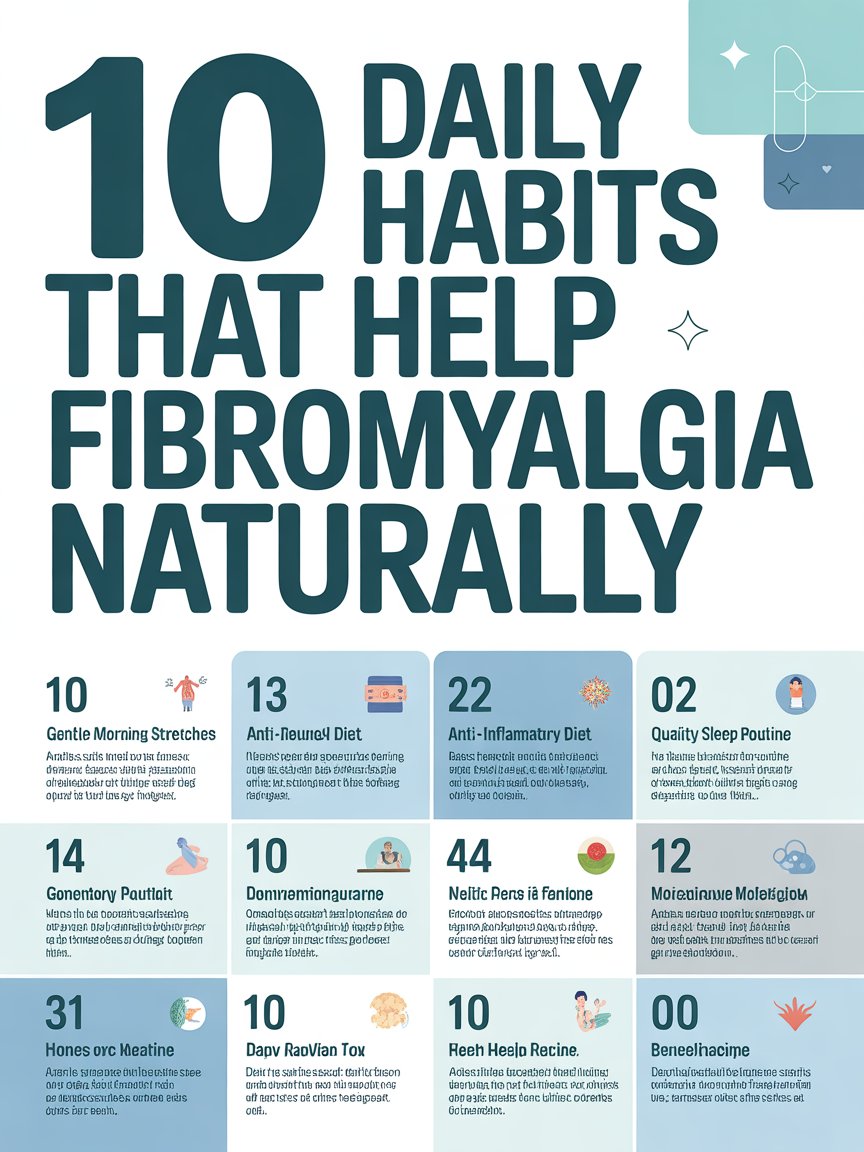
  • 10 Daily Habits That Help Fibromyalgia Naturally

    10 Daily Habits That Help Fibromyalgia Naturally

    10 Daily Habits That Help Fibromyalgia Naturally

    Introduction

    Living with fibromyalgia can be challenging, but small daily habits can make a big difference in managing symptoms. Consistency is key when it comes to reducing pain, improving energy, and enhancing overall well-being. By building a routine that supports your body and mind, you can naturally ease discomfort and improve your quality of life.


    1. Start Your Day with Gentle Stretching

    Morning stiffness is common in fibromyalgia. Gentle stretching helps loosen tight muscles and improve flexibility.

    Why It Matters

    Stretching increases blood flow and prepares your body for the day, reducing early-morning pain.


    2. Prioritize Quality Sleep

    Sleep is essential for recovery and pain management. Poor sleep can worsen fibromyalgia symptoms.

    Build a Sleep Routine

    Go to bed and wake up at the same time each day, and create a calm bedtime environment to support deeper rest.


    3. Stay Physically Active

    Regular low-impact exercise can help reduce pain and improve mood.

    Best Activities

    Walking, swimming, and yoga are excellent choices that support mobility without overstraining the body.


    4. Manage Stress Daily

    Stress is a major trigger for fibromyalgia flare-ups.

    Simple Stress Relief

    Practice deep breathing, meditation, or mindfulness to calm your nervous system and reduce tension.


    5. Eat an Anti-Inflammatory Diet

    What you eat can influence your symptoms.

    Smart Food Choices

    Focus on whole foods like fruits, vegetables, healthy fats, and lean proteins while avoiding processed foods and excess sugar.


    6. Stay Hydrated

    Dehydration can worsen fatigue and muscle cramps.

    Daily Hydration Habit

    Drink enough water throughout the day to support energy levels and overall body function.


    7. Pace Yourself

    Overexertion can lead to painful flare-ups.

    Energy Management

    Break tasks into smaller steps and take regular breaks to avoid pushing your body too hard.


    8. Use Heat Therapy

    Heat can help relax muscles and reduce pain.

    Easy Options

    Warm baths, heating pads, or hot showers can provide quick and effective relief.


    9. Practice Relaxation Techniques

    Relaxation helps reduce pain sensitivity and improve mental well-being.

    Daily Practice

    Incorporate activities like listening to calming music, gentle yoga, or guided relaxation exercises.


    10. Keep a Symptom Journal

    Tracking your symptoms can help identify triggers and patterns.

    Stay Aware

    Write down what you eat, your activities, sleep quality, and pain levels to better understand what helps or worsens your condition.

  • 10 Natural Anti-Inflammatory Supplements

    10 Natural Anti-Inflammatory Supplements

    10 Natural Anti-Inflammatory Supplements

    Introduction

    Chronic inflammation is linked to many health issues, including joint pain, fatigue, heart disease, and autoimmune conditions. While medications can help, natural supplements offer additional support by targeting inflammation at its root. Many of these supplements work as antioxidants, immune regulators, or blockers of inflammatory pathways. Here are ten natural supplements known for their anti-inflammatory benefits.


    1. Curcumin (Turmeric Extract)

    Curcumin is the active compound in turmeric and one of the most powerful natural anti-inflammatory agents.

    How It Works

    It helps block inflammatory molecules and reduce oxidative stress, making it useful for conditions like arthritis and metabolic disorders.


    2. Omega-3 Fatty Acids (Fish Oil)

    Omega-3s are essential fats found in fish oil that play a major role in reducing inflammation.

    Key Benefits

    They help lower inflammatory markers and support heart, joint, and brain health.


    3. Ginger Extract

    Ginger contains bioactive compounds like gingerol that have strong anti-inflammatory effects.

    Why It Helps

    It may reduce inflammation linked to chronic conditions and improve overall metabolic health.


    4. Resveratrol

    Resveratrol is an antioxidant found in grapes and berries.

    Anti-Inflammatory Action

    It may help reduce inflammation and improve symptoms in chronic conditions like inflammatory bowel disease.


    5. Green Tea Extract

    Green tea extract is rich in EGCG, a powerful antioxidant.

    Health Support

    It helps reduce inflammation and protects cells from oxidative damage caused by free radicals.


    6. Bromelain

    Bromelain is an enzyme found in pineapple known for its anti-inflammatory properties.

    Pain and Swelling Relief

    It may help reduce inflammation and swelling, especially after injury or surgery.


    7. Garlic Extract

    Garlic contains allicin, a compound with strong anti-inflammatory and immune-boosting effects.

    Additional Benefits

    It may reduce inflammatory markers and support overall immune health.


    8. Vitamin D

    Vitamin D is essential for immune system regulation and inflammation control.

    Why It Matters

    Low levels are linked to increased inflammation, and supplementation may help balance immune responses.


    9. Zinc

    Zinc is a vital mineral that supports immune function and helps reduce inflammation.

    Immune Regulation

    It plays a role in controlling inflammatory responses and protecting cells from damage.


    10. Boswellia (Frankincense)

    Boswellia is an herbal extract known for its ability to reduce inflammation.

    Joint and Mobility Support

    It works by inhibiting specific enzymes that trigger inflammation, making it helpful for joint pain and stiffness.

  • 8 Herbal Teas for Fibromyalgia Relaxation

    8 Herbal Teas for Fibromyalgia Relaxation

    8 Herbal Teas for Fibromyalgia Relaxation

    Introduction

    Fibromyalgia often brings a combination of chronic pain, stress, and sleep disturbances. Herbal teas offer a gentle, natural way to promote relaxation, calm the nervous system, and ease discomfort. Many of these teas are caffeine-free and rich in soothing compounds that support better sleep and reduced tension. Here are eight herbal teas that may help improve relaxation for people with fibromyalgia.


    1. Chamomile Tea

    Chamomile tea is one of the most popular herbal remedies for relaxation and sleep.

    Why It Helps

    It contains compounds like apigenin that promote calmness and may reduce muscle pain and inflammation. Research suggests chamomile may have analgesic (pain-relieving) effects and help with musculoskeletal discomfort.


    2. Peppermint Tea

    Peppermint tea is known for its refreshing taste and soothing properties.

    Relaxation Benefits

    It can help relax muscles and reduce tension, while also easing digestive discomfort often linked with fibromyalgia. Studies also suggest peppermint may reduce pain and anxiety through its calming effects.


    3. Ginger Tea

    Ginger tea is widely used for its anti-inflammatory properties.

    Pain and Comfort Support

    It may help reduce muscle pain, improve circulation, and ease stiffness, making it beneficial during fibromyalgia flare-ups.


    4. Lemon Balm Tea

    Lemon balm is a calming herb often used to reduce stress and anxiety.

    Stress Relief

    It may help improve mood, promote relaxation, and support better sleep—key factors in managing fibromyalgia symptoms.


    5. Lavender Tea

    Lavender tea is known for its soothing aroma and calming effects.

    Sleep and Relaxation

    It may help reduce anxiety and improve sleep quality, which can indirectly reduce pain sensitivity and fatigue.


    6. Turmeric Tea

    Turmeric tea contains curcumin, a powerful anti-inflammatory compound.

    Anti-Inflammatory Support

    Regular consumption may help reduce inflammation and joint discomfort associated with fibromyalgia.


    7. Valerian Root Tea

    Valerian root is a traditional herbal remedy for insomnia and nervous tension.

    Deep Relaxation

    It may improve sleep quality and help calm the mind, making it useful for those struggling with fibromyalgia-related sleep issues.


    8. Hibiscus Tea

    Hibiscus tea is rich in antioxidants and has a refreshing flavor.

    Calm and Wellness

    It may help reduce stress and support overall relaxation, while also contributing to better heart health and circulation.

  • 9 Adaptogens That Help Chronic Fatigue

    9 Adaptogens That Help Chronic Fatigue

    9 Adaptogens That Help Chronic Fatigue

    Introduction

    Chronic fatigue can leave you feeling physically drained and mentally exhausted, making even simple daily tasks challenging. Adaptogens are natural herbs that help the body cope with stress, balance energy levels, and improve resilience. By supporting the adrenal system and reducing the effects of stress, these powerful plants may help combat fatigue and restore vitality.


    1. Ashwagandha

    Ashwagandha is one of the most well-known adaptogens for reducing stress and boosting energy.

    How It Helps

    It supports adrenal function, lowers cortisol levels, and improves stamina, making it ideal for people dealing with long-term fatigue.


    2. Rhodiola Rosea

    Rhodiola is a powerful herb known for enhancing physical and mental performance.

    Energy and Focus Boost

    It may reduce fatigue, improve concentration, and increase endurance, especially during stressful periods.


    3. Ginseng

    Ginseng has been used for centuries to improve energy and overall health.

    Why It Works

    It helps increase energy production and supports immune function, which can be beneficial for people experiencing chronic fatigue.


    4. Holy Basil (Tulsi)

    Holy basil is a calming adaptogen that helps the body handle stress more effectively.

    Stress Relief Benefits

    By reducing stress and anxiety, it may help improve energy levels and mental clarity.


    5. Maca Root

    Maca root is known for boosting energy, stamina, and hormonal balance.

    Natural Energy Support

    It may help reduce fatigue and improve endurance without causing jitteriness.


    6. Schisandra

    Schisandra is a lesser-known adaptogen that supports both mental and physical performance.

    Dual Benefits

    It may help reduce fatigue while improving focus, memory, and stress resistance.


    7. Cordyceps

    Cordyceps is a medicinal mushroom used to enhance energy and athletic performance.

    Oxygen and Energy Boost

    It may improve the body’s use of oxygen and increase energy production, helping reduce fatigue.


    8. Eleuthero (Siberian Ginseng)

    Eleuthero is known for improving endurance and reducing stress-related fatigue.

    Stamina Support

    It helps the body adapt to physical and mental stress, making it useful for long-term energy support.


    9. Licorice Root

    Licorice root supports adrenal health and helps regulate cortisol levels.

    Hormonal Balance

    It may help stabilize energy throughout the day, especially for those with adrenal fatigue symptoms.

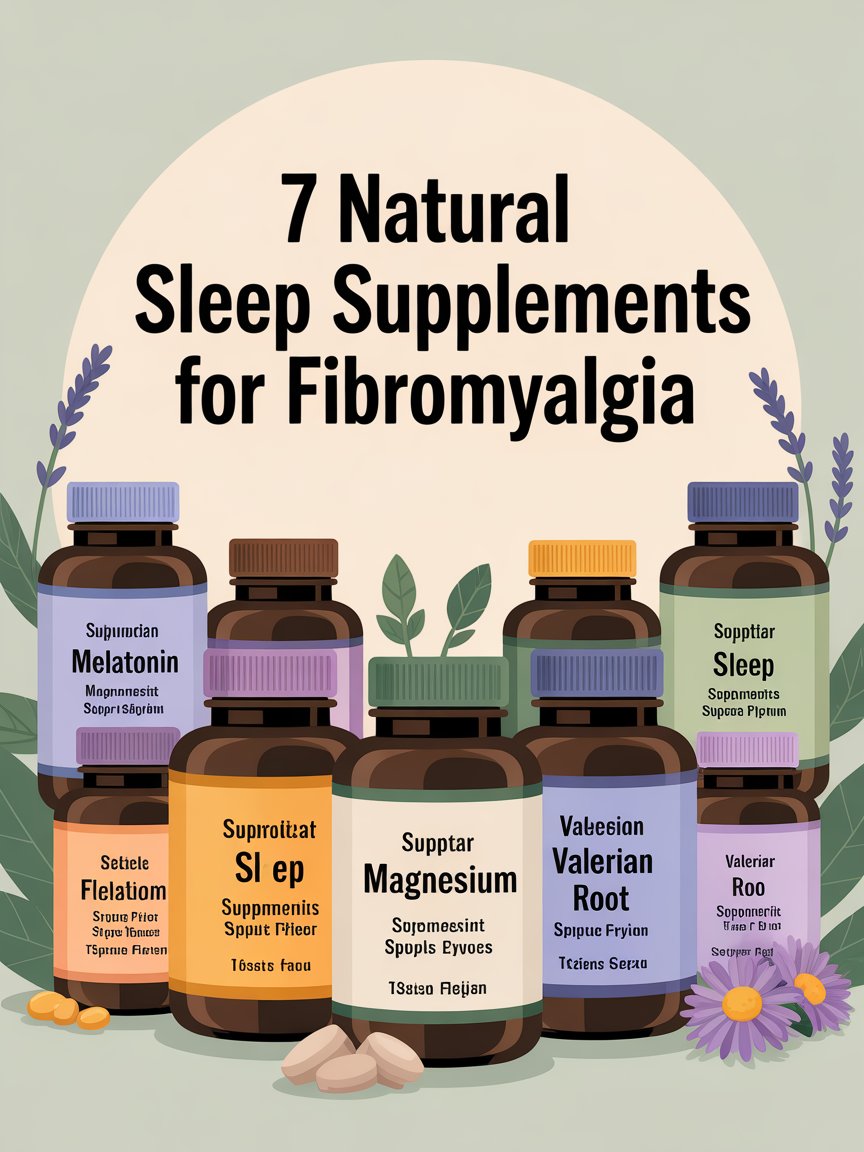
  • 7 Natural Sleep Supplements for Fibromyalgia

    7 Natural Sleep Supplements for Fibromyalgia

    7 Natural Sleep Supplements for Fibromyalgia

    Introduction

    Sleep problems are one of the most frustrating symptoms of fibromyalgia. Poor sleep can worsen pain, fatigue, and brain fog, creating a difficult cycle. Natural sleep supplements may help calm the nervous system, support relaxation, and improve sleep quality. While results vary from person to person, the following seven supplements are commonly used to promote better rest.


    1. Magnesium

    Magnesium is one of the most recommended supplements for fibromyalgia-related sleep issues. It helps relax muscles and calm the nervous system.

    How It Improves Sleep

    Magnesium supports the production of melatonin and activates calming neurotransmitters like GABA, helping the body unwind before bedtime.


    2. Melatonin

    Melatonin is a natural hormone that regulates the sleep-wake cycle. Supplementing it can help people fall asleep faster.

    Why It Helps Fibromyalgia

    It is especially useful for those with disrupted sleep patterns, though it may work best for short-term or occasional use rather than long-term insomnia.


    3. Valerian Root

    Valerian root is a traditional herbal remedy used for insomnia and anxiety.

    Sleep Benefits

    It may improve sleep quality and reduce the time it takes to fall asleep by increasing calming brain chemicals like GABA.


    4. L-Theanine

    L-theanine is an amino acid commonly found in green tea. It promotes relaxation without causing drowsiness.

    Calming Effect

    It helps reduce mental stress and racing thoughts, making it easier to fall asleep naturally and stay asleep longer.


    5. Glycine

    Glycine is a simple amino acid that supports deeper sleep and relaxation.

    How It Works

    It helps lower body temperature slightly and supports the body’s natural sleep rhythms, improving sleep quality and reducing daytime fatigue.


    6. Chamomile

    Chamomile is a gentle herbal remedy often consumed as tea.

    Relaxation Support

    It contains antioxidants that promote calmness and may help reduce mild insomnia, making it a soothing bedtime option.


    7. Ashwagandha

    Ashwagandha is an adaptogenic herb known for reducing stress and improving overall well-being.

    Stress and Sleep Connection

    Since stress worsens fibromyalgia symptoms, this herb may indirectly improve sleep by lowering anxiety and promoting relaxation.

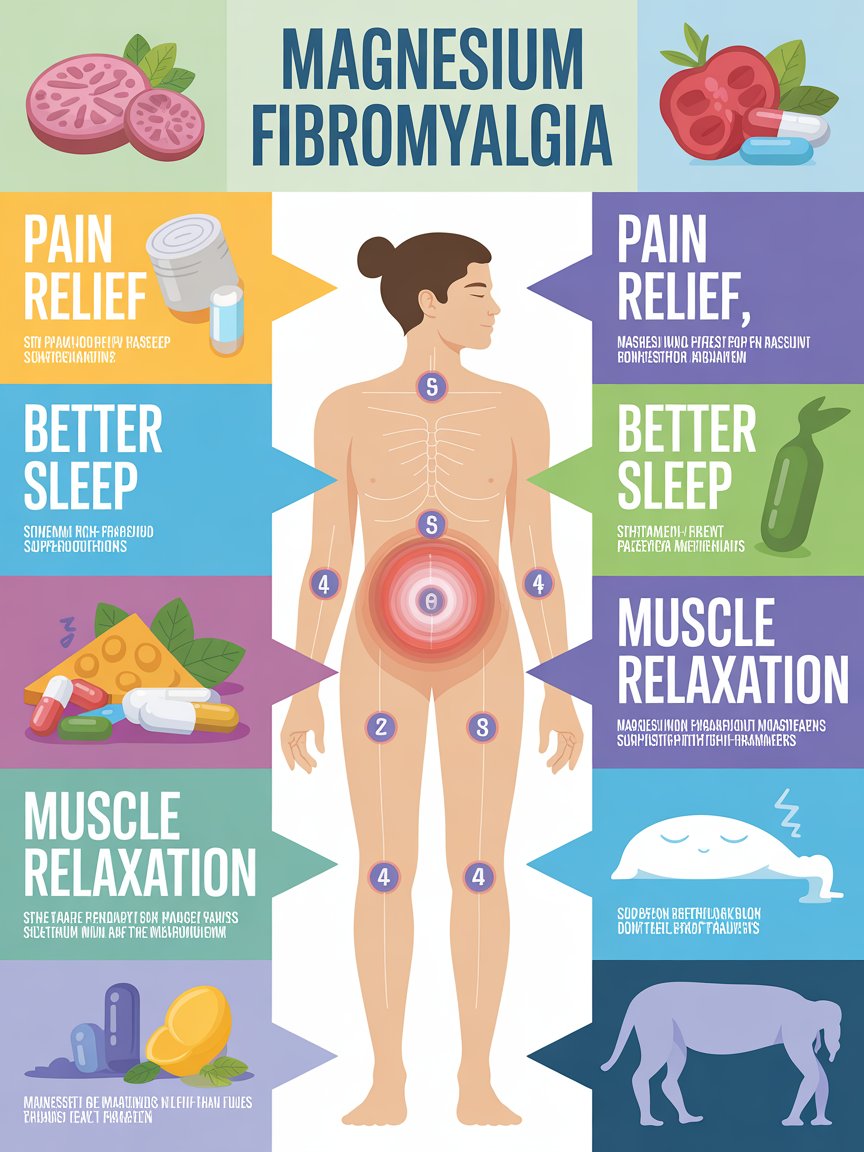
  • 10 Magnesium Benefits for Fibromyalgia

    10 Magnesium Benefits for Fibromyalgia

    10 Magnesium Benefits for Fibromyalgia

    Introduction

    Fibromyalgia is often linked to muscle pain, fatigue, poor sleep, and heightened sensitivity to pain. One essential mineral that has gained attention for symptom relief is magnesium. It plays a key role in muscle function, nerve signaling, and energy production. Increasing magnesium intake—through diet or supplements—may help ease many fibromyalgia symptoms naturally.


    1. Reduces Muscle Pain

    Magnesium helps relax muscles and prevent cramping. People with fibromyalgia often experience tight, sore muscles, and adequate magnesium levels can help reduce this discomfort.

    How It Works

    It regulates muscle contractions and prevents excessive tightening, which is a common cause of pain.


    2. Improves Sleep Quality

    Sleep disturbances are a major issue in fibromyalgia. Magnesium helps calm the nervous system and promotes deeper, more restful sleep.

    Better Rest, Less Pain

    Improved sleep can lead to reduced pain sensitivity and better overall functioning.


    3. Decreases Fatigue

    Chronic fatigue is one of the most challenging symptoms of fibromyalgia. Magnesium is essential for energy production at the cellular level.

    Energy Boost

    By supporting ATP production, magnesium helps the body maintain steady energy levels throughout the day.


    4. Supports Nerve Function

    Magnesium plays a vital role in transmitting nerve signals and preventing overstimulation.

    Calming the Nervous System

    It helps regulate neurotransmitters, which may reduce nerve-related pain and sensitivity.


    5. Reduces Stress and Anxiety

    Stress can worsen fibromyalgia symptoms. Magnesium helps regulate stress hormones and promotes relaxation.

    Emotional Balance

    It may help lower anxiety levels and improve mood stability.


    6. Helps Prevent Muscle Spasms

    Muscle spasms and twitching are common in fibromyalgia. Magnesium helps maintain proper muscle function and reduces involuntary contractions.

    Smoother Muscle Function

    Regular intake can minimize sudden spasms and improve comfort.


    7. Supports Bone Health

    Magnesium works alongside calcium and vitamin D to maintain strong bones.

    Long-Term Benefits

    Healthy bones can help reduce overall discomfort and improve mobility.


    8. Reduces Inflammation

    Chronic inflammation can contribute to pain and stiffness. Magnesium has anti-inflammatory properties that may help ease these symptoms.

    Pain Relief Support

    Lower inflammation levels can lead to reduced pain intensity over time.


    9. Improves Mood and Mental Clarity

    Fibromyalgia often includes “brain fog” and mood disturbances. Magnesium supports brain health and cognitive function.

    Sharper Thinking

    It may improve focus, memory, and reduce feelings of confusion.


    10. Supports Heart Health

    Magnesium is essential for maintaining a healthy heart rhythm and proper blood circulation.

    Overall Wellness

    Better circulation can improve oxygen delivery to muscles and tissues, helping reduce fatigue and discomfort.