Author: admin

  • How to Balance Activity With Fibromyalgia

    How to Balance Activity With Fibromyalgia

    How to Balance Activity With Fibromyalgia

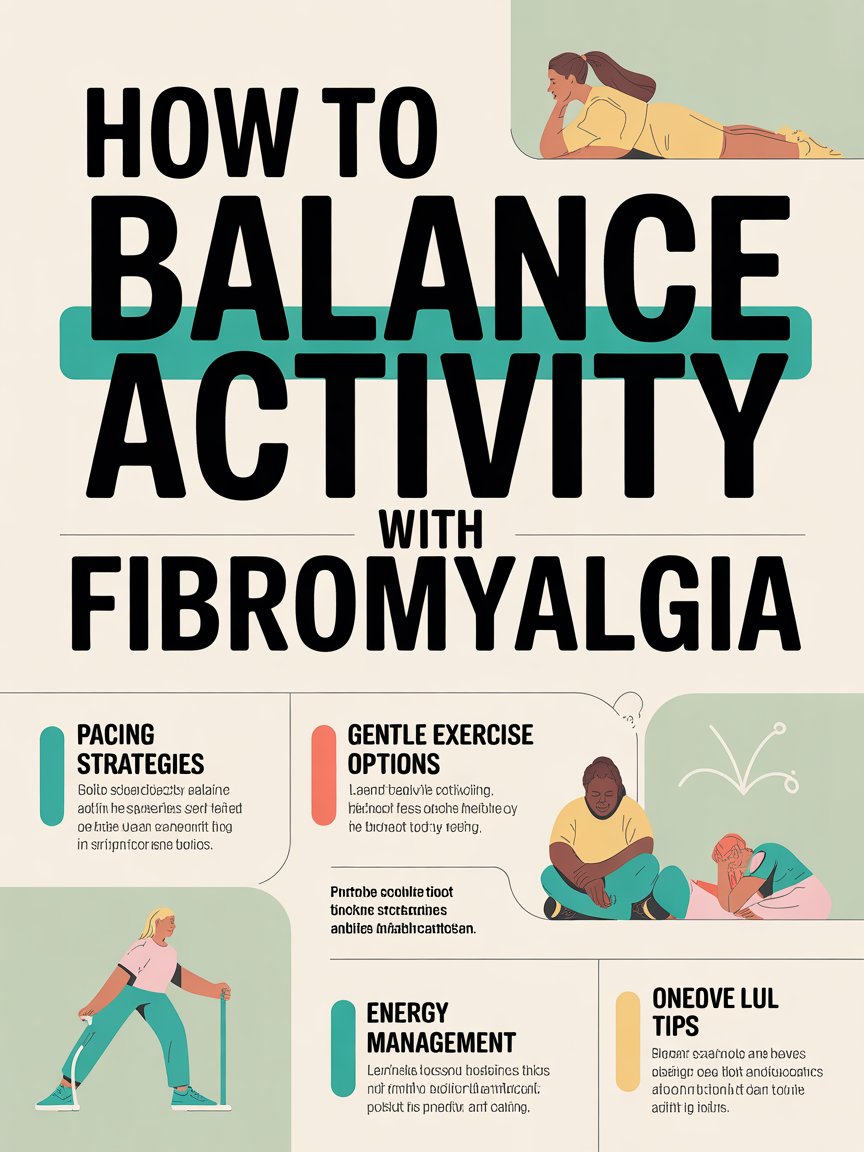
    1. Understanding Activity Balance in Fibromyalgia

    Fibromyalgia often makes it difficult to maintain a normal level of daily activity. Too much physical or mental effort can lead to increased pain and fatigue, while too little activity may cause stiffness and weakness.

    Learning how to balance activity is essential for maintaining health without triggering flare-ups.

    2. Why Balance Is Important

    People with fibromyalgia often experience cycles of overactivity followed by exhaustion. On days when symptoms feel better, it can be tempting to do too much at once.

    However, this can lead to increased symptoms later. Maintaining balance helps prevent this pattern.

    3. Understanding Personal Limits

    Everyone with fibromyalgia has different activity limits. Recognizing personal energy levels and physical boundaries helps prevent overexertion.

    Paying attention to how the body responds to activity can guide healthier daily choices.

    4. The Concept of Pacing

    Pacing is one of the most effective strategies for managing activity. It involves spreading tasks throughout the day rather than completing everything at once.

    By pacing activities, individuals can conserve energy and reduce the risk of flare-ups.

    5. Breaking Tasks Into Smaller Steps

    Large tasks can feel overwhelming and physically demanding. Breaking them into smaller steps makes them easier to manage.

    Completing one small task at a time allows the body to recover between efforts.

    6. Scheduling Rest Periods

    Regular rest breaks are important for maintaining energy levels. Short rest periods during the day can prevent fatigue from building up.

    These breaks help the body recover before exhaustion occurs.

    7. Prioritizing Important Activities

    Not every task needs to be completed immediately. Prioritizing the most important responsibilities helps conserve energy for essential activities.

    Less urgent tasks can be postponed for another day if needed.

    8. Creating a Consistent Routine

    A steady daily routine helps regulate the body’s energy levels. Waking up, eating, and resting at similar times each day can support better physical balance.

    Routine also reduces stress and decision fatigue.

    9. Gentle Physical Exercise

    Light exercise such as stretching, walking, or yoga can improve strength and flexibility. Regular movement helps reduce stiffness and supports overall health.

    Starting slowly and increasing activity gradually is important.

    10. Listening to the Body

    The body often gives signals when it needs rest. Increased pain, fatigue, or tension may indicate that it is time to slow down.

    Responding to these signals early can prevent worsening symptoms.

    11. Avoiding the “Boom and Bust” Cycle

    Many people with fibromyalgia experience the “boom and bust” cycle—doing too much when feeling good and then crashing afterward.

    Balancing activity helps avoid this pattern and keeps energy levels more stable.

    12. Using Helpful Tools

    Assistive tools and home adjustments can reduce physical strain. Simple tools, supportive furniture, or ergonomic equipment can make daily tasks easier.

    Reducing effort helps conserve valuable energy.

    13. Managing Stress and Mental Effort

    Mental stress can also drain energy and worsen fibromyalgia symptoms. Relaxation techniques such as deep breathing or meditation may help restore balance.

    Managing emotional stress supports both physical and mental well-being.

    14. Long-Term Activity Management

    Balancing activity with fibromyalgia is a long-term process. Over time, individuals learn what level of activity works best for their body.

    Adjusting routines when symptoms change can help maintain stability.

    15. Living an Active Yet Balanced Life

    Although fibromyalgia presents challenges, it is possible to stay active while protecting health. Through pacing, rest, and mindful activity choices, people can maintain movement without overwhelming their bodies.

    Finding the right balance allows individuals with fibromyalgia to improve daily comfort and overall quality of life.

  • Fibromyalgia and Mental Clarity

    Fibromyalgia and Mental Clarity

    Fibromyalgia and Mental Clarity

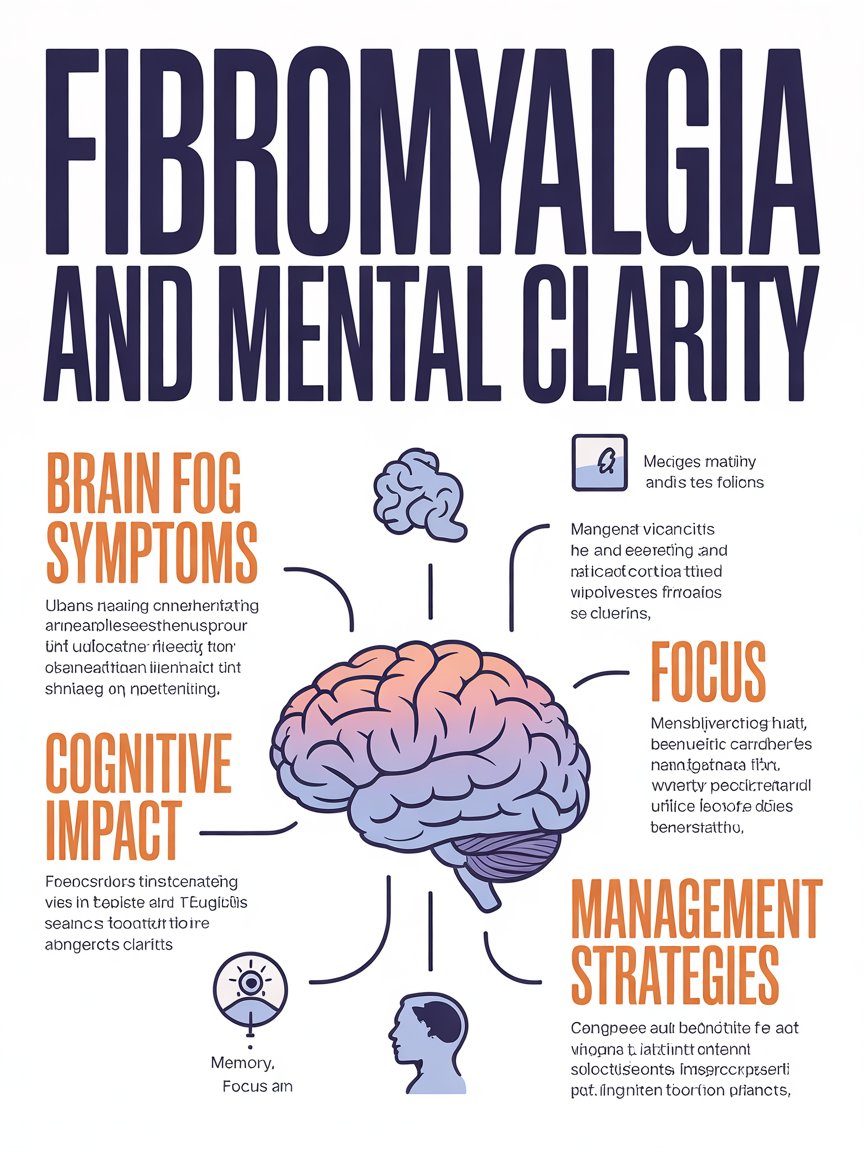
    1. Understanding Mental Clarity in Fibromyalgia

    Fibromyalgia is widely known for causing widespread pain and fatigue, but many people also experience difficulties with mental clarity. This issue is often described as feeling mentally slow, distracted, or unable to focus on simple tasks.

    Improving mental clarity becomes an important part of managing daily life with fibromyalgia.

    2. What Is “Fibro Fog”?

    Many individuals with fibromyalgia experience a condition often called fibro fog. This term describes problems with memory, concentration, and clear thinking.

    People may forget appointments, struggle to find words, or have difficulty staying focused during conversations.

    3. Why Mental Clarity Is Affected

    Researchers believe that fibromyalgia affects how the brain processes information. Changes in pain signals, sleep disturbances, and fatigue can all influence brain function.

    When the brain is constantly dealing with pain and stress, mental focus can become more difficult.

    4. The Role of Sleep Quality

    Poor sleep is one of the biggest contributors to reduced mental clarity. Many people with fibromyalgia experience non-restorative sleep, meaning the brain does not fully recover overnight.

    Improving sleep habits can significantly support clearer thinking during the day.

    5. Fatigue and Cognitive Function

    Extreme fatigue can make it hard to stay mentally alert. When energy levels drop, concentration and memory are often the first abilities affected.

    Managing fatigue through pacing and rest can help protect mental focus.

    6. Stress and Brain Function

    Stress can worsen mental fog by increasing tension and mental overload. When the mind is overwhelmed, it becomes harder to process information clearly.

    Practicing relaxation techniques can help calm the mind and improve focus.

    7. Nutrition and Brain Health

    A balanced diet can support better brain function. Nutrient-rich foods such as fruits, vegetables, whole grains, and healthy fats help maintain steady energy levels.

    Avoiding excessive sugar and processed foods may help reduce sudden energy crashes that affect concentration.

    8. Staying Organized

    Simple organization strategies can improve mental clarity. Using planners, reminders, or digital notes helps reduce the pressure on memory.

    Keeping daily tasks written down can make it easier to stay on track.

    9. Taking Mental Breaks

    Continuous mental effort can worsen brain fog. Taking short breaks during work or daily activities allows the brain to recover.

    Even a few minutes of rest or relaxation can refresh mental focus.

    10. Gentle Physical Activity

    Light exercise such as walking or stretching can improve blood flow to the brain. Increased circulation may support better concentration and alertness.

    Regular movement can also help reduce stress and fatigue.

    11. Practicing Mindfulness

    Mindfulness techniques encourage focusing on the present moment. Activities like meditation, breathing exercises, or quiet reflection can calm mental distractions.

    This practice may help improve awareness and mental clarity over time.

    12. Reducing Multitasking

    Trying to complete too many tasks at once can overwhelm the brain. Focusing on one task at a time can make thinking clearer and more efficient.

    Simple task prioritization can improve productivity.

    13. Emotional Well-Being and Clarity

    Emotional health also influences mental clarity. Anxiety, frustration, or sadness may make it harder to concentrate.

    Maintaining emotional support and practicing self-care can positively affect mental function.

    14. Long-Term Cognitive Support

    Improving mental clarity with fibromyalgia often requires consistent habits. Balanced routines, proper rest, and stress management can gradually strengthen cognitive performance.

    Small daily improvements can lead to noticeable progress over time.

    15. Living With Better Mental Focus

    Although fibromyalgia can affect mental clarity, many strategies can help manage these symptoms. With proper sleep, healthy routines, and supportive habits, individuals can improve focus and reduce brain fog.

    Building these habits over time allows people with fibromyalgia to maintain clearer thinking and better daily functioning.

  • Understanding Fibromyalgia Flare Cycles

    Understanding Fibromyalgia Flare Cycles

    Understanding Fibromyalgia Flare Cycles

    1. What Are Fibromyalgia Flare Cycles?

    Fibromyalgia flare cycles refer to periods when symptoms suddenly become more intense. During a flare, people may experience increased pain, fatigue, sleep problems, and mental fog. These cycles can last from a few hours to several days or even weeks.

    Understanding flare cycles helps individuals recognize patterns and manage symptoms more effectively.

    2. The Nature of Fibromyalgia Symptoms

    Fibromyalgia symptoms often fluctuate rather than remain constant. Some days may feel manageable, while others may bring severe discomfort and exhaustion.

    These fluctuations are part of the condition’s natural pattern and are often referred to as flare cycles.

    3. Common Signs of an Approaching Flare

    Many people notice early warning signs before a flare begins. These may include rising fatigue, increased sensitivity to pain, mood changes, or trouble sleeping.

    Recognizing these signals early allows individuals to adjust their activities and reduce the severity of the flare.

    4. Physical Triggers of Flare Cycles

    Physical strain is one of the most common triggers for fibromyalgia flares. Overexertion, heavy physical work, or lack of rest can lead to increased pain and fatigue.

    Balancing activity with adequate recovery time can help prevent these triggers.

    5. Stress as a Major Trigger

    Emotional or mental stress can significantly influence fibromyalgia flare cycles. Stress increases muscle tension and affects how the nervous system processes pain signals.

    Learning effective stress management techniques may help reduce the frequency of flares.

    6. Weather and Environmental Changes

    Some people with fibromyalgia report that changes in weather or temperature affect their symptoms. Cold temperatures, humidity, or sudden weather shifts may contribute to flare cycles.

    Keeping the body warm and maintaining comfort can help reduce environmental triggers.

    7. Sleep Disruptions and Flares

    Poor sleep is closely linked to fibromyalgia flares. When the body does not receive restorative sleep, pain sensitivity and fatigue can increase.

    Improving sleep habits may help reduce the likelihood of flare cycles.

    8. The Role of the Nervous System

    Fibromyalgia is believed to involve changes in how the nervous system processes pain. The brain and nerves may amplify pain signals, making normal sensations feel more intense.

    During flare cycles, this heightened sensitivity can become even stronger.

    9. Hormonal and Lifestyle Influences

    Hormonal changes, diet, and daily habits can also affect flare patterns. Irregular schedules, unhealthy eating habits, or lack of movement may contribute to worsening symptoms.

    Maintaining a balanced lifestyle can support better symptom stability.

    10. Managing a Flare When It Happens

    When a flare begins, the focus should shift to rest and symptom management. Reducing physical activity, practicing relaxation techniques, and prioritizing sleep can help the body recover.

    Listening to the body’s needs during these periods is essential.

    11. Tracking Flare Patterns

    Keeping a symptom journal can help identify patterns in flare cycles. Recording activities, stress levels, sleep quality, and diet may reveal common triggers.

    This information can help individuals make adjustments to prevent future flares.

    12. The Importance of Pacing

    Pacing is a key strategy for managing fibromyalgia. It involves spreading activities throughout the day rather than completing everything at once.

    By pacing tasks, people can avoid overexertion that might lead to flare cycles.

    13. Emotional Impact of Flare Cycles

    Frequent flares can affect emotional well-being. The unpredictability of symptoms may lead to frustration or anxiety.

    Building coping strategies and seeking emotional support can help manage these challenges.

    14. Long-Term Management Strategies

    Although flare cycles may never disappear completely, they can often be reduced with consistent self-care. Healthy routines, balanced activity, and stress management can help stabilize symptoms over time.

    Many individuals find that understanding their triggers leads to better control.

    15. Living Better With Fibromyalgia Flare Cycles

    Understanding fibromyalgia flare cycles empowers individuals to respond proactively rather than reactively. By recognizing early signs, avoiding triggers, and maintaining healthy habits, it becomes possible to reduce the intensity and frequency of flares.

    With patience and self-awareness, people living with fibromyalgia can manage flare cycles and improve their overall quality of life.

  • Fibromyalgia and Fatigue Recovery

    Fibromyalgia and Fatigue Recovery

    Fibromyalgia and Fatigue Recovery

    1. Understanding Fatigue in Fibromyalgia

    Fibromyalgia is often associated with persistent and overwhelming fatigue. Unlike normal tiredness, this fatigue does not always improve after rest or sleep. Many individuals describe it as a deep exhaustion that affects both the body and mind.

    Understanding the nature of fibromyalgia fatigue is the first step toward finding effective recovery strategies.

    2. Why Fatigue Happens

    Fatigue in fibromyalgia may be linked to how the nervous system processes pain and energy signals. Sleep disturbances, chronic pain, and stress can all contribute to reduced energy levels.

    When the body is constantly dealing with discomfort and poor sleep quality, it becomes harder to restore energy.

    3. The Importance of Restorative Sleep

    Quality sleep plays a crucial role in fatigue recovery. Many people with fibromyalgia experience non-restorative sleep, meaning they wake up feeling tired even after several hours in bed.

    Improving sleep habits and maintaining a consistent sleep schedule can support better energy levels during the day.

    4. Balancing Activity and Rest

    Managing fatigue often requires finding the right balance between activity and rest. Doing too much can trigger flare-ups, while too little activity may increase stiffness and exhaustion.

    Short periods of activity followed by rest breaks can help maintain steady energy throughout the day.

    5. Gentle Physical Movement

    Light exercise such as walking, stretching, or yoga can help reduce fatigue over time. Although it may seem counterintuitive, gentle movement helps improve circulation and boosts energy production.

    Starting slowly and increasing activity gradually is important to avoid overexertion.

    6. Nutrition for Energy Support

    A balanced diet can support energy recovery. Eating regular meals that include protein, healthy fats, and complex carbohydrates helps maintain stable energy levels.

    Avoiding excessive sugar and highly processed foods may also reduce energy crashes.

    7. Managing Stress Levels

    Stress can worsen fatigue in fibromyalgia. When the body is under constant stress, it uses more energy and increases muscle tension.

    Relaxation techniques such as deep breathing, meditation, or calming activities can help conserve energy.

    8. Hydration and Energy

    Proper hydration is often overlooked but plays a key role in maintaining energy. Dehydration can contribute to tiredness, headaches, and difficulty concentrating.

    Drinking enough water throughout the day supports overall body function.

    9. Energy Conservation Techniques

    Energy conservation involves planning tasks carefully to avoid exhaustion. Breaking activities into smaller steps can make daily responsibilities more manageable.

    Prioritizing important tasks and allowing time for recovery can reduce fatigue.

    10. Creating a Daily Routine

    A consistent daily routine can help stabilize energy levels. Waking up, eating, and resting at regular times helps the body maintain a natural rhythm.

    Routine also reduces mental strain and decision fatigue.

    11. Improving Mental Clarity

    Fatigue often affects concentration and memory. Taking short mental breaks, staying organized, and reducing distractions can help improve focus.

    Simple planning tools or reminders can make daily tasks easier to manage.

    12. Listening to the Body’s Signals

    People with fibromyalgia often benefit from paying close attention to their body’s limits. Early signs of fatigue should be addressed before exhaustion becomes overwhelming.

    Taking breaks when needed helps prevent worsening symptoms.

    13. Emotional Support and Encouragement

    Fatigue can sometimes lead to frustration or feelings of isolation. Support from friends, family, or support groups can make coping easier.

    Sharing experiences with others who understand fibromyalgia can also provide motivation.

    14. Long-Term Energy Recovery

    Recovering from fibromyalgia fatigue is often a gradual process. Small improvements over time can lead to better overall energy levels.

    Consistency in healthy habits plays a major role in long-term fatigue management.

    15. Moving Toward Better Energy Balance

    Managing fatigue with fibromyalgia requires patience and self-awareness. Through balanced activity, quality sleep, healthy nutrition, and stress management, individuals can gradually restore energy.

    While fatigue may remain a challenge, adopting supportive lifestyle habits can significantly improve daily functioning and overall well-being.

  • Gentle Movement for Fibromyalgia Relief

    Gentle Movement for Fibromyalgia Relief

    Gentle Movement for Fibromyalgia Relief

    1. Understanding the Role of Movement

    Fibromyalgia often causes widespread pain, fatigue, and stiffness. Because of these symptoms, many people may feel hesitant to exercise. However, gentle movement can actually help reduce discomfort and improve overall well-being.

    The key is choosing low-impact activities that support the body without causing strain.

    2. Why Gentle Movement Helps

    Gentle physical activity improves blood circulation, which helps deliver oxygen and nutrients to muscles. This can reduce stiffness and promote healing.

    Movement also encourages the release of natural chemicals in the body that help reduce pain and improve mood.

    3. Starting Slowly and Safely

    Beginning with small amounts of activity is important. Even five to ten minutes of gentle movement can be beneficial.

    Gradually increasing duration and intensity over time helps prevent flare-ups and allows the body to adjust.

    4. Walking for Flexibility and Strength

    Walking is one of the simplest forms of exercise. It is low-impact and can be adjusted to match individual energy levels.

    Short walks, either indoors or outdoors, can help maintain muscle strength and improve circulation.

    5. Gentle Stretching

    Stretching helps loosen tight muscles and reduce stiffness. Slow, controlled stretches can improve flexibility and ease tension.

    Stretching is especially helpful in the morning when muscles may feel stiff.

    6. Yoga for Relaxation and Balance

    Gentle yoga combines stretching with breathing exercises. This type of movement helps calm the nervous system while improving flexibility.

    Simple poses performed at a comfortable pace can support both physical and emotional well-being.

    7. Water-Based Exercises

    Swimming or water aerobics are excellent options for people with fibromyalgia. Water supports the body and reduces pressure on joints.

    Warm water can also soothe sore muscles and promote relaxation.

    8. Tai Chi and Slow Movement Practices

    Tai chi involves slow, flowing movements that improve balance and coordination. It also encourages mindfulness and relaxation.

    These slow exercises can help reduce stress and improve body awareness.

    9. Breathing Exercises and Light Mobility

    Deep breathing combined with gentle arm or shoulder movements can relax tight muscles. Controlled breathing reduces tension and supports oxygen flow.

    Even small movements throughout the day can prevent stiffness.

    10. Creating a Comfortable Environment

    A calm and quiet space can make movement more enjoyable. Soft lighting and comfortable clothing help reduce sensory discomfort.

    A supportive environment encourages consistency with gentle exercise.

    11. Listening to Your Body

    Paying attention to pain and fatigue levels is essential. Mild discomfort may occur when starting new activities, but sharp or intense pain should not be ignored.

    Adjusting movements or resting when needed helps prevent worsening symptoms.

    12. Maintaining Consistency

    Regular movement, even in small amounts, is more effective than occasional intense workouts. Consistency supports long-term symptom relief.

    Establishing a simple routine makes it easier to stay active.

    13. Combining Movement With Rest

    Balancing activity with rest is important. After gentle exercise, allowing time for relaxation helps muscles recover.

    This balance prevents overexertion and supports steady progress.

    14. Emotional Benefits of Gentle Exercise

    Physical movement can improve mood and reduce stress. Many people with fibromyalgia notice improved mental clarity and emotional stability after gentle exercise.

    Reducing stress also helps lower pain sensitivity.

    15. Building Strength Over Time

    Gentle movement is a safe and effective way to manage fibromyalgia symptoms. With patience and gradual progress, individuals can improve flexibility, reduce stiffness, and enhance overall comfort.

    By choosing low-impact activities and listening to the body’s signals, people with fibromyalgia can experience relief and maintain a more active lifestyle.

  • Fibromyalgia and Daily Planning Tips

    Fibromyalgia and Daily Planning Tips

    Fibromyalgia and Daily Planning Tips

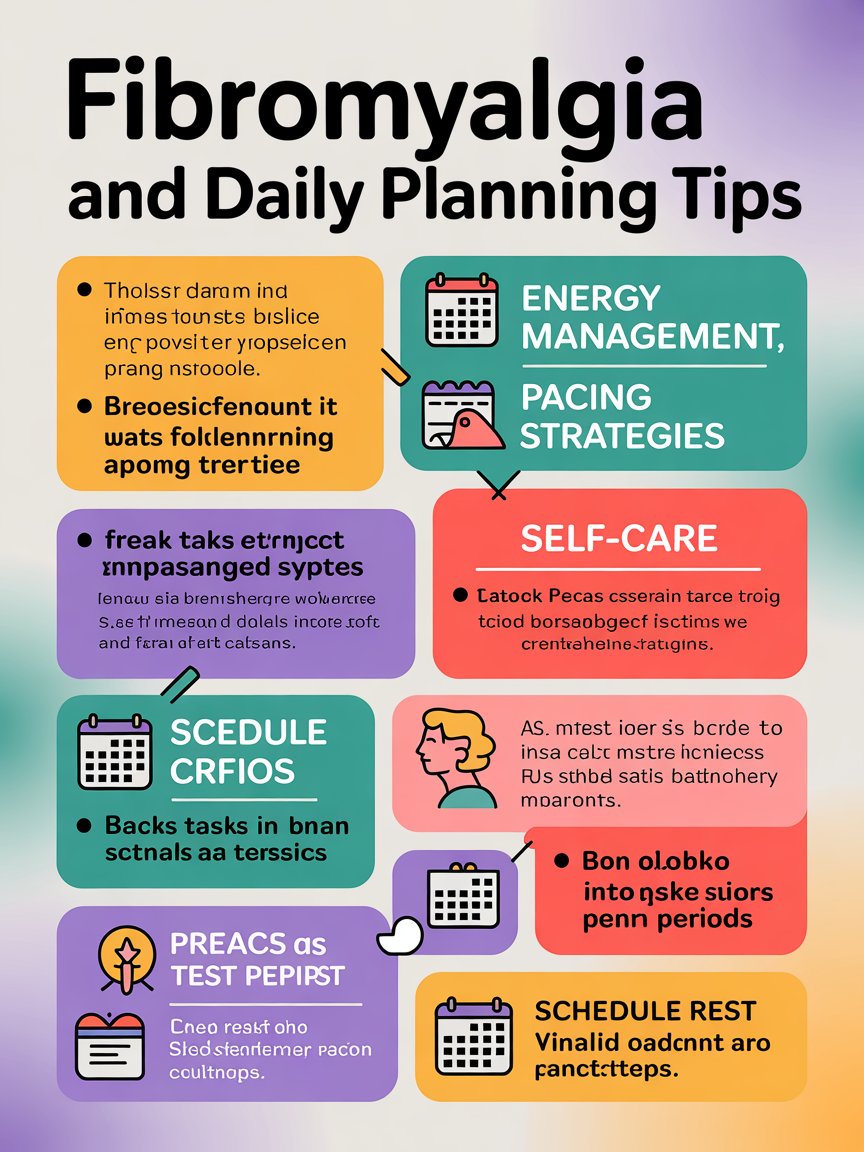
    1. Understanding the Need for Daily Planning

    Fibromyalgia often brings unpredictable symptoms such as pain, fatigue, and cognitive difficulties. Because energy levels can change from day to day, planning daily activities carefully can help individuals manage their symptoms more effectively.

    A thoughtful daily plan can reduce stress, prevent overexertion, and make daily life more manageable.

    2. Start the Day With a Simple Plan

    Beginning the day with a clear plan helps create structure and focus. Writing down a few important tasks for the day can help individuals stay organized.

    A simple plan also prevents feeling overwhelmed by too many responsibilities.

    3. Prioritize Important Tasks

    Not every task needs to be completed at once. Identifying the most important activities and completing them first can help conserve energy.

    Prioritizing tasks ensures that essential responsibilities are handled even on low-energy days.

    4. Break Tasks Into Smaller Steps

    Large tasks can feel exhausting for people with fibromyalgia. Dividing activities into smaller steps can make them easier to complete.

    Completing small steps gradually allows progress without overwhelming the body.

    5. Practice Energy Pacing

    Energy pacing involves balancing activity with rest. Doing too much at once can lead to fatigue and flare-ups.

    Taking short breaks between activities allows the body to recover and maintain steady energy levels.

    6. Schedule Rest Periods

    Rest is an important part of daily planning for people with fibromyalgia. Scheduling regular rest periods throughout the day can prevent exhaustion.

    Short relaxation breaks can restore energy and improve focus.

    7. Plan Activities During High-Energy Times

    Many individuals notice that their energy levels vary throughout the day. Some people feel more energetic in the morning, while others feel better later in the day.

    Scheduling more demanding tasks during higher-energy periods can improve productivity.

    8. Maintain a Consistent Routine

    Consistency helps the body adapt to regular patterns of activity and rest. Having a routine for meals, exercise, and sleep can support better symptom management.

    A predictable schedule can also reduce mental stress.

    9. Use Planning Tools and Reminders

    Planners, calendars, or reminder apps can help individuals organize daily tasks and appointments. These tools are especially helpful for managing memory difficulties sometimes associated with fibromyalgia.

    Keeping everything in one place makes planning easier.

    10. Avoid Overloading the Schedule

    Trying to accomplish too many tasks in one day can increase fatigue and stress. Leaving space in the schedule for rest or unexpected events is important.

    A flexible schedule allows individuals to adjust plans based on how they feel.

    11. Include Gentle Movement

    Physical activity can help improve flexibility and reduce stiffness. Including short periods of gentle movement such as stretching or walking can benefit overall health.

    Planning movement into the day ensures that it becomes a consistent habit.

    12. Prepare for Unexpected Symptoms

    Fibromyalgia symptoms can sometimes appear suddenly. Planning alternative tasks or backup plans can help individuals adjust when symptoms worsen.

    Flexibility is an important part of managing a chronic condition.

    13. Track Symptoms and Energy Levels

    Keeping a daily journal of symptoms, activities, and energy levels can reveal helpful patterns. Understanding these patterns allows individuals to plan future days more effectively.

    Tracking progress also helps identify triggers for flare-ups.

    14. Ask for Help When Needed

    Daily planning does not mean handling everything alone. Asking family members, friends, or coworkers for assistance can reduce physical strain.

    Accepting help when necessary can make daily routines easier to manage.

    15. Building a Balanced Daily Life

    Daily planning helps people with fibromyalgia maintain balance between activity, rest, and self-care. With thoughtful scheduling and realistic expectations, individuals can manage their symptoms more effectively.

    Over time, good planning habits can lead to improved comfort, better productivity, and a higher quality of life.

  • How to Stay Motivated With Fibromyalgia

    How to Stay Motivated With Fibromyalgia

    How to Stay Motivated With Fibromyalgia

    1. Understanding Motivation and Fibromyalgia

    Fibromyalgia can make daily life challenging due to persistent pain, fatigue, and sleep difficulties. These symptoms may reduce energy levels and make it harder to stay motivated.

    However, with the right mindset and practical strategies, people with fibromyalgia can maintain motivation and continue working toward their personal goals.

    2. Setting Realistic Goals

    Setting small and achievable goals can help maintain motivation. Large tasks may feel overwhelming, especially during periods of fatigue or pain.

    Breaking goals into manageable steps allows individuals to make steady progress without exhausting themselves.

    3. Celebrating Small Achievements

    Every accomplishment, no matter how small, deserves recognition. Completing daily tasks such as exercising, cooking, or organizing can be meaningful victories.

    Celebrating these achievements helps build confidence and encourages continued effort.

    4. Practicing Energy Pacing

    Energy pacing is an important strategy for people with fibromyalgia. This involves balancing activity with rest to prevent exhaustion.

    By pacing activities carefully, individuals can stay productive without triggering symptom flare-ups.

    5. Creating a Consistent Routine

    A daily routine provides structure and helps maintain focus. Having regular times for meals, exercise, relaxation, and sleep can improve both physical and mental stability.

    Consistency can also reduce decision fatigue and make daily tasks easier.

    6. Staying Physically Active

    Gentle physical activity can improve mood and energy levels. Activities such as walking, stretching, or yoga help release natural chemicals that boost motivation and reduce stress.

    Even short periods of movement can make a positive difference.

    7. Managing Stress and Emotions

    Stress and negative emotions can reduce motivation and worsen fibromyalgia symptoms. Practicing relaxation techniques such as meditation or deep breathing can help maintain emotional balance.

    Reducing stress allows individuals to stay more focused and motivated.

    8. Focusing on Personal Strengths

    Instead of focusing only on limitations, it can be helpful to recognize personal strengths and abilities. Everyone has unique talents and skills that can be used to achieve goals.

    Building on these strengths encourages a more positive outlook.

    9. Creating a Support System

    Support from friends, family, or support groups can provide encouragement during difficult moments. Talking with people who understand fibromyalgia can help individuals feel less alone.

    A supportive environment can increase confidence and motivation.

    10. Keeping Track of Progress

    Tracking daily activities and progress can be motivating. Journals or planners can help individuals see how far they have come.

    Recognizing improvements over time can inspire continued effort.

    11. Practicing Positive Self-Talk

    The way people talk to themselves can influence motivation. Encouraging thoughts such as “I can take small steps today” can boost confidence.

    Positive self-talk helps replace frustration with determination.

    12. Taking Breaks Without Guilt

    Rest is an essential part of fibromyalgia management. Taking breaks does not mean giving up; it simply allows the body to recover.

    Accepting the need for rest helps prevent burnout and keeps motivation strong.

    13. Engaging in Enjoyable Activities

    Participating in hobbies or activities that bring joy can increase motivation. Creative hobbies, light exercise, or spending time in nature can improve mood.

    Enjoyable activities provide a sense of purpose and fulfillment.

    14. Learning More About Fibromyalgia

    Understanding the condition can empower individuals to manage their symptoms more effectively. Learning about triggers, treatments, and coping strategies can improve confidence.

    Knowledge can help individuals feel more in control of their health.

    15. Staying Hopeful and Patient

    Living with fibromyalgia requires patience and resilience. Progress may be slow at times, but maintaining hope is important.

    By focusing on achievable goals, practicing self-care, and staying connected with supportive people, individuals with fibromyalgia can maintain motivation and continue living meaningful lives.

  • Fibromyalgia and Emotional Support

    Fibromyalgia and Emotional Support

    Fibromyalgia and Emotional Support

    1. Understanding Emotional Challenges in Fibromyalgia

    Fibromyalgia affects more than just the body. Along with widespread pain and fatigue, many individuals experience emotional difficulties such as stress, frustration, or feelings of isolation.

    Living with a chronic condition can be emotionally demanding, making emotional support an important part of overall fibromyalgia management.

    2. The Emotional Impact of Chronic Pain

    Constant pain can affect mood and mental well-being. When discomfort continues for long periods, it may lead to emotional exhaustion and reduced motivation.

    Understanding this emotional impact can help individuals and their loved ones approach fibromyalgia with greater compassion.

    3. Recognizing Feelings of Isolation

    People with fibromyalgia may sometimes feel misunderstood because their symptoms are not always visible. Friends, family members, or coworkers may not fully understand the daily challenges involved.

    This lack of understanding can sometimes lead to feelings of loneliness or isolation.

    4. The Role of Family Support

    Family members can provide valuable emotional support by listening, showing patience, and offering encouragement. Simple acts of understanding can help reduce stress and improve emotional well-being.

    Open communication with family members helps them better understand the condition.

    5. Support From Friends

    Friends can also play an important role in emotional health. Spending time with supportive friends can improve mood and reduce feelings of isolation.

    Even small social interactions can make a positive difference in emotional resilience.

    6. Joining Support Groups

    Support groups allow people with fibromyalgia to connect with others who share similar experiences. These groups provide a safe space to share challenges, advice, and coping strategies.

    Knowing that others understand the condition can provide comfort and encouragement.

    7. Talking About Feelings

    Expressing emotions openly can help reduce emotional pressure. Talking with trusted individuals about frustrations, fears, or challenges can provide relief.

    Healthy emotional expression is an important part of coping with chronic illness.

    8. Managing Stress and Anxiety

    Stress and anxiety can worsen fibromyalgia symptoms. Learning stress-management techniques such as deep breathing, meditation, or relaxation exercises can support emotional balance.

    These practices can help calm the nervous system and reduce tension.

    9. Recognizing Signs of Depression

    Chronic health conditions may sometimes lead to symptoms related to Depression. Persistent sadness, loss of interest in activities, or feelings of hopelessness should not be ignored.

    Recognizing these signs early allows individuals to seek appropriate support.

    10. Professional Counseling and Therapy

    Mental health professionals can help individuals develop coping strategies for managing emotional challenges. Therapy can provide tools to deal with stress, anxiety, and the emotional effects of chronic pain.

    Professional guidance can be a valuable part of a comprehensive fibromyalgia care plan.

    11. Practicing Self-Compassion

    People with fibromyalgia may sometimes feel frustrated by their limitations. Practicing self-compassion means being patient and kind to oneself during difficult moments.

    Accepting personal limits can help reduce emotional stress.

    12. Maintaining Social Connections

    Staying connected with others helps protect emotional health. Regular contact with supportive people can improve mood and provide encouragement.

    Even brief conversations or shared activities can help strengthen relationships.

    13. Building a Personal Support Network

    A strong support network may include family members, friends, healthcare providers, and support groups. Each person in this network contributes to emotional and practical support.

    Having multiple sources of support can make coping with fibromyalgia easier.

    14. Encouraging Positive Activities

    Engaging in hobbies and enjoyable activities can help improve emotional well-being. Creative activities, light exercise, or relaxation practices can boost mood and reduce stress.

    Positive activities help shift focus away from pain and discomfort.

    15. Emotional Support as Part of Healing

    Emotional support is a key component of living well with fibromyalgia. Compassion, understanding, and strong relationships can help individuals cope with the challenges of chronic illness.

    By building supportive connections and practicing healthy emotional habits, people with fibromyalgia can improve their resilience and overall quality of life.

  • Best Tools to Manage Fibromyalgia Pain

    Best Tools to Manage Fibromyalgia Pain

    Best Tools to Manage Fibromyalgia Pain

    1. Understanding Pain Management Tools

    Fibromyalgia causes widespread pain, fatigue, and muscle stiffness. Because symptoms can vary in intensity, many people use different tools and devices to help manage discomfort in daily life.

    These tools can support pain relief, improve relaxation, and help individuals stay active while coping with fibromyalgia.

    2. Heating Pads and Heat Wraps

    Heat therapy is one of the simplest and most effective tools for fibromyalgia pain. Heating pads, warm compresses, and heat wraps help relax tight muscles and improve blood circulation.

    Applying heat to sore areas can reduce stiffness and provide quick relief during flare-ups.

    3. TENS Units (Electrical Nerve Stimulation Devices)

    A Transcutaneous Electrical Nerve Stimulation (TENS) unit is a small device that sends mild electrical pulses through the skin using electrode pads.

    These pulses can interfere with pain signals and stimulate the release of natural pain-relieving chemicals in the body. TENS units are widely used for chronic pain conditions including fibromyalgia.

    4. Massage Tools and Massage Guns

    Massage tools such as handheld massagers or massage guns help loosen tight muscles and reduce tension.

    Percussive massage devices use vibrations to improve circulation and relieve muscle knots, which can decrease pain and stiffness in fibromyalgia.

    5. Weighted Blankets for Relaxation

    Weighted blankets provide gentle pressure across the body, which may help calm the nervous system and promote relaxation.

    Many people with fibromyalgia use them to improve sleep and reduce anxiety during painful flare-ups.

    6. Foam Rollers and Stretching Tools

    Foam rollers and stretching tools help release muscle tension and improve flexibility. Rolling tight muscles can reduce stiffness and increase mobility.

    These tools are especially useful after gentle exercise or stretching routines.

    7. Smartwatches and Fitness Trackers

    Wearable devices like fitness trackers can help monitor sleep patterns, physical activity, and heart rate.

    Because sleep problems and fatigue are common in fibromyalgia, tracking sleep quality can help identify habits that improve rest and recovery.

    8. Noise-Canceling Headphones

    People with fibromyalgia often experience sensory sensitivity. Noise-canceling headphones can reduce loud environmental sounds and create a calmer atmosphere.

    This tool is especially helpful for individuals who experience sensory overload or stress-related flare-ups.

    9. Blue Light Blocking Glasses

    Bright lights and screen exposure can trigger headaches or worsen fatigue for some people with fibromyalgia.

    Blue light blocking glasses filter harsh light from screens and may help reduce eye strain and migraine triggers.

    10. Topical Pain Relief Creams

    Topical gels or creams containing menthol or cooling ingredients can provide localized relief.

    When gently massaged into painful areas, these products can reduce nerve sensitivity and soothe sore muscles.

    11. Ergonomic Pillows and Support Cushions

    Supportive pillows and cushions help maintain proper body alignment during rest and sleep.

    These tools can reduce pressure on sensitive muscles and joints, helping decrease nighttime pain.

    12. Acupressure Mats

    Acupressure mats contain small pressure points that stimulate the skin and muscles.

    Some people find that lying on these mats helps improve circulation, relax muscles, and reduce pain sensitivity.

    13. Pain Tracking Apps or Journals

    Tracking pain levels and triggers can help people understand patterns in their symptoms.

    Pain tracking apps or journals allow individuals to record flare-ups, activities, and sleep habits to better manage their condition.

    14. Gentle Exercise Equipment

    Simple equipment such as yoga mats, resistance bands, or stretching straps can support gentle physical activity.

    Regular low-impact movement can improve flexibility and reduce stiffness associated with fibromyalgia.

    15. Combining Tools for Better Results

    No single tool works for everyone with fibromyalgia. Most people find the best results by combining several approaches, such as heat therapy, relaxation tools, gentle exercise, and pain tracking.

    Using the right tools consistently can help reduce pain, improve comfort, and make daily life more manageable for people living with fibromyalgia.

  • Fibromyalgia and Mind-Body Connection

    Fibromyalgia and Mind-Body Connection

    Fibromyalgia and Mind-Body Connection

    1. Understanding the Mind-Body Connection

    Fibromyalgia is a complex condition that affects both the body and the mind. People with fibromyalgia often experience physical symptoms such as pain, fatigue, and stiffness, along with emotional challenges like stress or anxiety.

    The mind-body connection refers to the way mental and emotional states can influence physical health. In fibromyalgia, this connection plays a significant role in how symptoms develop and change.

    2. How the Brain Processes Pain

    The brain and nervous system control how pain signals are interpreted. In fibromyalgia, the brain may become more sensitive to these signals.

    This heightened sensitivity can cause normal sensations to feel painful, making the body react more strongly to physical stimuli.

    3. Emotional Stress and Physical Symptoms

    Emotional stress can trigger or worsen fibromyalgia symptoms. When the body experiences stress, it releases hormones that prepare the body for action.

    However, chronic stress can increase muscle tension and intensify pain and fatigue.

    4. The Role of the Nervous System

    The nervous system connects the brain with the rest of the body. In fibromyalgia, the nervous system may become overactive or overly responsive.

    This heightened activity can increase pain sensitivity and contribute to other symptoms such as headaches and fatigue.

    5. Sleep and Mental Well-Being

    Sleep problems are common in fibromyalgia and can affect both physical and mental health. Poor sleep can worsen pain and make it harder to manage stress.

    Improving sleep quality can support better mood and overall symptom management.

    6. The Impact of Anxiety and Worry

    Living with chronic pain can sometimes lead to anxiety or persistent worry. These emotional responses may increase muscle tension and intensify discomfort.

    Learning ways to manage anxiety can help reduce the physical effects of stress.

    7. Depression and Chronic Pain

    Long-term health conditions can sometimes affect mood. Some people with fibromyalgia may experience symptoms related to Depression.

    Addressing emotional health is an important part of managing the overall condition.

    8. Relaxation Techniques and Pain Reduction

    Relaxation techniques can help calm the nervous system and reduce muscle tension. Practices such as deep breathing, meditation, and progressive muscle relaxation may help lower stress levels.

    These techniques support both mental and physical well-being.

    9. Mindfulness and Awareness

    Mindfulness focuses on paying attention to the present moment without judgment. This practice can help individuals become more aware of their thoughts, feelings, and physical sensations.

    Mindfulness may reduce stress and improve the ability to cope with chronic pain.

    10. Gentle Movement and Mental Balance

    Activities like yoga, stretching, and slow walking combine physical movement with mental focus. These exercises encourage relaxation while improving flexibility and strength.

    Gentle movement can support both emotional balance and physical comfort.

    11. Positive Thinking and Coping Skills

    Maintaining a positive outlook can help individuals cope with chronic conditions. Developing coping strategies and focusing on achievable goals can improve resilience.

    Positive thinking does not eliminate pain but may help reduce emotional distress.

    12. Social Support and Emotional Health

    Support from friends, family, and community groups can strengthen the mind-body connection. Feeling understood and supported reduces emotional stress.

    Sharing experiences with others facing similar challenges can also provide encouragement.

    13. Professional Guidance and Therapy

    Healthcare professionals may recommend counseling or therapy to support emotional health. Psychological therapies can help individuals develop strategies for managing stress and pain.

    Professional support can improve overall quality of life.

    14. Building Healthy Daily Habits

    Healthy habits such as regular sleep, balanced nutrition, and moderate activity help maintain both mental and physical health.

    Consistent routines can stabilize mood and support long-term symptom management.

    15. Strengthening the Mind-Body Relationship

    Understanding the mind-body connection allows individuals with fibromyalgia to approach their condition more holistically. Addressing both emotional and physical factors can lead to better symptom control.

    With balanced care and self-awareness, people with fibromyalgia can improve their well-being and manage their symptoms more effectively.