How to Explain Fibromyalgia to Friends
1. Start With a Simple Definition
When explaining fibromyalgia to friends, begin with a clear and simple description. Fibromyalgia is a long-term condition that causes widespread pain, fatigue, sleep problems, and cognitive difficulties. Keeping the definition straightforward helps prevent confusion and sets the foundation for deeper understanding.
2. Describe the Pain in Relatable Terms
Many people struggle to understand invisible pain. You might explain that fibromyalgia pain can feel like a constant flu-like ache, muscle soreness after intense exercise, or deep nerve discomfort. Comparing it to experiences they may have had makes it more relatable.
3. Explain That It’s More Than Just Pain
Fibromyalgia affects more than muscles and joints. It often includes extreme fatigue, headaches, digestive issues, and “brain fog.” Let your friends know that the condition impacts both body and mind, sometimes making simple tasks feel overwhelming.
4. Talk About Fatigue Honestly
Fatigue in fibromyalgia is not the same as being tired after a long day. It can feel like waking up without having slept at all. Explaining this difference helps friends understand why you may cancel plans or need extra rest.
5. Discuss Brain Fog Clearly
Cognitive difficulties, often called brain fog, can cause forgetfulness and trouble concentrating. You might explain it as feeling mentally slowed down or distracted. Sharing specific examples can make this symptom easier to understand.
6. Address Misconceptions Directly
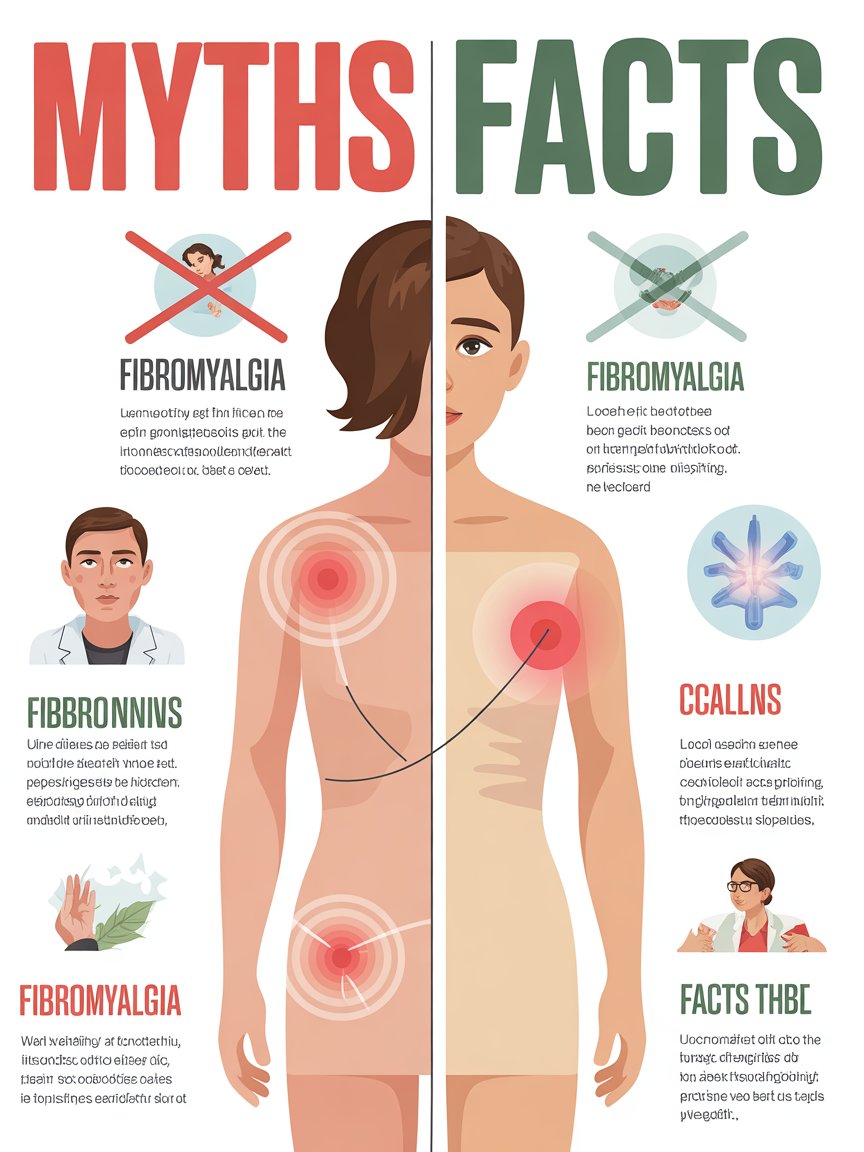
Some people mistakenly believe fibromyalgia is “just stress” or “all in the head.” Gently clarify that it is a recognized medical condition involving how the nervous system processes pain signals. Addressing myths calmly builds awareness and respect.
7. Explain Flare-Ups
Fibromyalgia symptoms often come and go in waves called flare-ups. During a flare, pain and fatigue may intensify without obvious warning. Let your friends know that unpredictability is part of the condition.
8. Share How It Affects Daily Life
Explain how fibromyalgia influences your routine. You may need to pace activities, take breaks, or avoid certain triggers. Giving real-life examples helps friends see the practical impact on your day-to-day life.
9. Use Emotional Honesty
It’s okay to share how fibromyalgia makes you feel emotionally. Chronic pain can lead to frustration, sadness, or anxiety. Being open can strengthen understanding and deepen friendships.
10. Ask for Specific Support
Friends often want to help but don’t know how. Be clear about what support looks like for you, whether it’s flexible plans, patience, or simply listening. Clear communication prevents misunderstandings.
11. Encourage Questions
Inviting respectful questions shows you are open to conversation. It also gives friends a chance to clarify what they don’t understand. This creates a two-way dialogue instead of a one-sided explanation.
12. Set Healthy Boundaries
Explaining fibromyalgia also means setting limits. You may need to say no to late nights or physically demanding activities. Boundaries protect your health and help others respect your needs.
13. Provide Reliable Resources
If your friends want to learn more, suggest credible health websites or educational materials. Reliable information reinforces what you’ve shared and reduces misinformation.
14. Be Patient With Understanding
Not everyone will fully grasp what living with fibromyalgia feels like. Understanding often develops over time through observation and conversation. Patience can help relationships grow stronger.
15. Focus on Maintaining Connection
While fibromyalgia presents challenges, it does not define who you are. Remind your friends that you are still the same person, simply managing a chronic condition. Honest communication, compassion, and mutual respect can help friendships thrive despite health limitations.