Author: admin

  • Fibromyalgia in Women: Why It’s More Common

    Fibromyalgia in Women: Why It’s More Common

    Fibromyalgia in Women: Why It’s More Common

    1. Understanding Fibromyalgia and Gender Differences

    Fibromyalgia is a long-term condition characterized by widespread pain, fatigue, sleep disturbances, and cognitive difficulties. Research consistently shows that women are diagnosed far more often than men. Understanding why this difference exists can help improve awareness and care.

    2. How Common Is Fibromyalgia in Women?

    Looking at the Statistics

    Studies estimate that women make up roughly 75–90% of diagnosed cases. While men can and do develop fibromyalgia, the condition appears significantly more prevalent in women across many countries and age groups.

    3. The Role of Hormones

    Estrogen and Pain Sensitivity

    Hormonal differences may partly explain the higher rates in women. Estrogen influences how the brain processes pain signals. Fluctuations in hormone levels during menstruation, pregnancy, and menopause may affect symptom intensity.

    4. Nervous System Differences

    Pain Processing Variations

    Fibromyalgia is linked to changes in how the central nervous system processes pain. Some research suggests women may experience heightened pain sensitivity due to differences in neurotransmitters and nerve signaling pathways.

    5. The Impact of Stress and Trauma

    Emotional and Physical Stressors

    Chronic stress and trauma are known triggers for fibromyalgia symptoms. Women statistically experience higher rates of certain stress-related conditions, which may increase vulnerability to developing chronic pain disorders.

    6. Autoimmune and Overlapping Conditions

    Higher Risk of Related Disorders

    Women are more likely to develop autoimmune diseases such as Rheumatoid Arthritis and Lupus. Since fibromyalgia often overlaps with other chronic conditions, this may partly explain the gender gap.

    7. Sleep Disturbances and Their Influence

    The Pain–Sleep Connection

    Sleep disruption plays a major role in fibromyalgia. Women are more likely to experience insomnia and restless sleep, both of which can intensify pain sensitivity and fatigue over time.

    8. Differences in Immune System Response

    Inflammation and Sensitivity

    Women generally have stronger immune responses than men. While this can be protective, it may also contribute to increased inflammation and heightened pain perception in chronic conditions.

    9. Social and Cultural Factors

    Women and Health Reporting

    Women may be more likely to seek medical care and report symptoms of pain and fatigue. This could contribute to higher diagnosis rates, though it does not fully explain the biological differences.

    10. The Role of Mental Health

    Anxiety, Depression, and Chronic Pain

    Conditions such as anxiety and depression commonly coexist with fibromyalgia. Women are statistically more likely to experience these disorders, which may interact with chronic pain pathways.

    11. Diagnostic Bias and Misunderstanding

    Underdiagnosis in Men

    Because fibromyalgia is often viewed as a “women’s condition,” men may be underdiagnosed or misdiagnosed. This perception can delay proper treatment and distort overall statistics.

    12. Hormonal Life Stages and Symptom Changes

    Puberty, Pregnancy, and Menopause

    Many women report symptom changes during hormonal transitions. Menopause, in particular, may bring increased pain or fatigue due to shifts in estrogen levels.

    13. Genetic Factors

    Family Patterns and Risk

    Fibromyalgia sometimes runs in families, suggesting a genetic component. Certain inherited traits related to pain sensitivity may be more strongly expressed in women.

    14. Lifestyle Pressures and Caregiving Roles

    The Burden of Multiple Responsibilities

    Women often balance careers, caregiving, and household responsibilities. Chronic stress and physical overexertion linked to these roles may contribute to symptom development or worsening.

    15. Moving Toward Better Understanding and Care

    Personalized Treatment Matters

    Although fibromyalgia is more commonly diagnosed in women, every individual’s experience is unique. Understanding hormonal, neurological, and social influences can lead to more tailored treatments. Increased awareness ensures that both women and men receive accurate diagnosis, compassionate care, and effective symptom management.


  • What a Fibromyalgia Flare Feels Like

    What a Fibromyalgia Flare Feels Like

    1. Understanding What a Fibromyalgia Flare Is

    A flare is a period when fibromyalgia symptoms suddenly worsen. Pain intensifies, fatigue deepens, and daily tasks can feel overwhelming. Flares can last hours, days, or even weeks, and they often come without much warning.

    2. Why Flares Happen

    Triggers That Can Set Off Symptoms

    Flares are often triggered by physical stress, emotional stress, poor sleep, weather changes, overexertion, or illness. Sometimes, flares occur without a clear cause, which can make them especially frustrating and discouraging.

    3. The Sudden Spike in Pain

    How the Body Feels During a Flare

    Pain during a flare is often widespread and more intense than usual. Muscles may feel sore, burning, or bruised to the touch. Even light pressure or normal movement can become uncomfortable.

    4. Deep, Unrelenting Fatigue

    When Rest Doesn’t Feel Restorative

    One of the most exhausting parts of a flare is fatigue that doesn’t improve with sleep. The body can feel heavy, weak, and drained, making even small tasks feel like major efforts.

    5. Brain Fog and Trouble Concentrating

    Feeling Mentally Slowed

    During a flare, many people experience “brain fog,” where thinking feels slow or cloudy. You might struggle to focus, find words, or remember simple details, which can be emotionally frustrating.

    6. Heightened Sensitivity to Touch and Sound

    When the Nervous System Feels Overactive

    Sensory sensitivity often increases during flares. Normal sounds may feel too loud, lights too bright, and gentle touch uncomfortable or painful. This heightened sensitivity can make social settings hard to tolerate.

    7. Sleep Disturbances That Worsen Symptoms

    The Pain–Sleep Cycle

    Pain and poor sleep can feed into each other. During a flare, it’s common to have trouble falling asleep or staying asleep, which then worsens pain and fatigue the next day.

    8. Stiffness and Reduced Mobility

    When Movement Feels Harder

    Morning stiffness or stiffness after rest can become more noticeable during flares. Joints and muscles may feel tight, limiting movement and making it harder to get started with daily activities.

    9. Headaches and Migraines

    Added Layers of Discomfort

    Some people experience more frequent headaches or migraines during flares. This added pain can further drain energy and make it difficult to focus or relax.

    10. Digestive Upset and Stomach Discomfort

    When the Gut Joins the Flare

    Digestive symptoms such as bloating, cramps, nausea, or changes in bowel habits can worsen during flares. These symptoms add another layer of discomfort and unpredictability.

    11. Emotional Sensitivity and Low Mood

    The Mental Toll of a Flare

    Flares can take an emotional toll. Increased pain and fatigue may lead to irritability, sadness, anxiety, or feeling overwhelmed. These feelings are a natural response to ongoing discomfort.

    12. Feeling Unpredictable and Out of Control

    The Stress of Not Knowing When It Will End

    One of the hardest parts of a flare is not knowing how long it will last. This uncertainty can create stress and make planning daily life difficult, especially when symptoms change day to day.

    13. How Long Flares Can Last

    Every Experience Is Different

    Some flares are short-lived and ease within a day or two, while others may linger for weeks. The duration often depends on triggers, stress levels, sleep quality, and how well symptoms are managed.

    14. What Can Help During a Flare

    Gentle Ways to Ease Symptoms

    Rest, gentle stretching, warmth (like heating pads), hydration, and pacing activities can help reduce flare severity. Listening to your body and allowing extra recovery time is key during these periods.

    15. Learning Your Personal Flare Patterns

    Building Awareness and Self-Compassion

    Over time, many people begin to recognize their personal flare triggers and early warning signs. Tracking symptoms, sleep, stress, and activity can help you adjust routines and respond earlier. Most importantly, self-compassion during flares can make the experience emotionally easier to handle.

  • Foods That May Help Fibromyalgia Pain

    Foods That May Help Fibromyalgia Pain

    Foods That May Help Fibromyalgia Pain

    1. Why Food Choices Matter for Fibromyalgia Pain

    Living with fibromyalgia often means dealing with ongoing pain and sensitivity. While diet is not a cure, the foods you eat can influence inflammation, nerve signaling, and energy levels. Smart food choices may help reduce pain intensity and support overall comfort.

    2. The Link Between Inflammation and Pain

    How Diet Can Calm the Body

    Inflammation can amplify pain signals in the nervous system. Certain nutrients help the body regulate inflammatory responses, which may ease muscle aches and joint discomfort. Choosing anti-inflammatory foods is a gentle, natural way to support pain management.

    3. Fatty Fish for Natural Pain Relief

    Omega-3s That Support Joint and Nerve Health

    Fatty fish like salmon, sardines, and mackerel are rich in omega-3 fatty acids. These healthy fats are known to support joint comfort and may help calm overactive pain pathways when eaten regularly.

    4. Colorful Vegetables for Antioxidant Support

    Fighting Oxidative Stress

    Vegetables such as spinach, kale, bell peppers, and carrots contain antioxidants that help protect cells from stress. Reducing oxidative stress may support muscle recovery and reduce daily soreness.

    5. Berries and Fruits for Gentle Sweetness

    Natural Ways to Reduce Inflammation

    Berries, oranges, apples, and cherries provide vitamins and plant compounds that support immune balance. Their natural sweetness can replace sugary snacks that may worsen inflammation and fatigue.

    6. Whole Grains for Steady Energy

    Avoiding Energy Crashes That Worsen Pain

    Whole grains like oats, brown rice, and whole wheat provide slow-release energy. Stable blood sugar helps prevent fatigue-related pain flares and supports daily activity levels.

    7. Nuts and Seeds for Healthy Fats

    Small Foods, Big Benefits

    Almonds, walnuts, chia seeds, and flaxseeds offer healthy fats and magnesium, a mineral linked to muscle relaxation. Adding small portions to meals can support nerve and muscle comfort.

    8. Lean Protein for Muscle Repair

    Supporting Strength and Recovery

    Protein helps repair muscle tissue and maintain strength, especially important when pain limits movement. Choose lean sources like chicken, fish, eggs, beans, lentils, and tofu to support recovery without excess saturated fat.

    9. Olive Oil as an Anti-Inflammatory Fat

    A Simple Swap for Cooking

    Extra virgin olive oil contains compounds that support inflammation control. Using it instead of butter or refined oils may gently support pain reduction over time.

    10. Herbal Teas for Comfort and Relaxation

    Gentle Support for Pain and Sleep

    Teas like ginger, chamomile, and turmeric can be soothing and hydrating. Some people find warm herbal teas help relax tense muscles and improve sleep quality, which indirectly supports pain management.

    11. Fermented Foods for Gut Health

    The Gut–Pain Connection

    Yogurt, kefir, sauerkraut, and kimchi contain probiotics that support digestion. A healthier gut may improve nutrient absorption and immune balance, which can influence pain perception.

    12. Magnesium-Rich Foods for Muscle Relaxation

    Supporting Nerve Function Naturally

    Leafy greens, nuts, seeds, and legumes provide magnesium, which supports muscle and nerve function. Adequate intake may help reduce cramps, tension, and sensitivity.

    13. Vitamin D–Rich Foods for Bone and Muscle Health

    Nourishing the Body From Within

    Egg yolks, fortified milk, and fatty fish provide vitamin D, which supports muscle strength and bone comfort. Low vitamin D levels are common and may worsen pain and fatigue in some people.

    14. Foods to Limit That May Worsen Pain

    Reducing Inflammatory Triggers

    Highly processed foods, excess sugar, fried foods, and artificial sweeteners may increase inflammation and pain sensitivity. Reducing these triggers can help create a calmer internal environment.

    15. Building a Pain-Friendly Plate

    Simple Habits for Long-Term Relief

    There is no single “miracle food” for fibromyalgia pain. The most helpful approach is building balanced meals with whole foods, healthy fats, lean protein, and plenty of vegetables. Small, consistent dietary improvements can add up to meaningful symptom relief over time.

  • Fibromyalgia Diet Basics for Beginners

    Fibromyalgia Diet Basics for Beginners


    Fibromyalgia Diet Basics for Beginners

    1. Understanding the Role of Diet in Fibromyalgia

    Living with fibromyalgia can feel unpredictable, and while there is no cure, daily food choices can strongly influence symptoms. A balanced diet supports energy levels, reduces inflammation, and helps manage pain sensitivity. Many people notice certain foods make their symptoms better or worse over time.

    2. How Nutrition Impacts Pain and Fatigue

    The body relies on nutrients to regulate inflammation and nerve signaling. Poor nutrition may worsen fatigue, muscle soreness, and mental fog. Eating whole, nutrient-dense foods can help stabilize blood sugar and reduce symptom flare-ups.

    3. Focus on Anti-Inflammatory Foods

    Why Reducing Inflammation Matters

    Chronic inflammation can intensify pain signals. Foods rich in antioxidants and healthy fats help calm inflammatory responses. This may reduce daily aches and improve overall comfort.

    4. Best Anti-Inflammatory Choices

    What to Add to Your Plate

    Include colorful vegetables, berries, leafy greens, olive oil, nuts, seeds, and fatty fish like salmon. These foods provide vitamins, minerals, and omega-3 fatty acids that support joint and muscle health.

    5. The Importance of Protein for Muscle Support

    Building and Repairing Tissues

    Protein helps repair muscles and maintain strength, which is especially helpful when pain limits activity. Choose lean proteins such as chicken, fish, eggs, lentils, beans, and tofu to support recovery and reduce weakness.

    6. Choose Complex Carbohydrates for Steady Energy

    Avoiding Energy Crashes

    Complex carbs release energy slowly and help prevent sudden fatigue. Whole grains, brown rice, oats, sweet potatoes, and fruits provide fiber and keep blood sugar more stable than refined carbs.

    7. Staying Hydrated to Reduce Symptoms

    Water and Fatigue Connection

    Dehydration can worsen headaches, muscle cramps, and fatigue. Aim to drink water throughout the day. Herbal teas and water-rich fruits can also help meet hydration needs.

    8. Common Food Triggers to Watch Out For

    Identifying Personal Sensitivities

    Some people with fibromyalgia report worse symptoms after consuming processed foods, excess sugar, caffeine, or artificial sweeteners. Keeping a food and symptom journal can help you identify personal triggers.

    9. Reducing Processed and Sugary Foods

    Why Less Sugar Can Mean Less Pain

    Highly processed foods can promote inflammation and energy crashes. Cutting back on sugary snacks, fast food, and packaged meals may improve mood, energy, and pain control over time.

    10. The Role of Vitamins and Minerals

    Nutrients That Support Nerve and Muscle Health

    Magnesium, vitamin D, B vitamins, and iron are commonly linked to energy and muscle function. If you suspect deficiencies, talk to a healthcare professional before starting supplements.

    11. Exploring Food Sensitivities and Elimination Diets

    A Careful, Step-by-Step Approach

    Some beginners try short-term elimination of foods like gluten or dairy to see if symptoms improve. Do this gradually and reintroduce foods one at a time to avoid unnecessary restrictions.

    12. Gentle Eating for Digestive Comfort

    Supporting Gut Health

    Digestive issues often occur alongside fibromyalgia. Eating smaller, balanced meals and including fiber-rich foods can help reduce bloating and discomfort, which may indirectly improve energy levels.

    13. Meal Planning for Low-Energy Days

    Simple Strategies That Help

    Prepare easy meals in advance, keep healthy snacks on hand, and choose simple recipes. Batch cooking on better days can make tough days more manageable without relying on processed foods.

    14. Mindful Eating and Listening to Your Body

    Building Awareness of Food Effects

    Pay attention to how your body feels after meals. Eating slowly and noticing symptom changes can help you create a diet that works for your unique needs and lifestyle.

    15. Creating a Sustainable Fibromyalgia-Friendly Diet

    Progress Over Perfection

    There is no single “perfect” fibromyalgia diet. Small, consistent changes—adding more whole foods, drinking enough water, and reducing triggers—can lead to meaningful improvements over time. Focus on habits you can maintain long-term rather than strict rules.

  • Fibromyalgia and Anxiety Connection

    Fibromyalgia and Anxiety Connection

    Fibromyalgia and Anxiety Connection

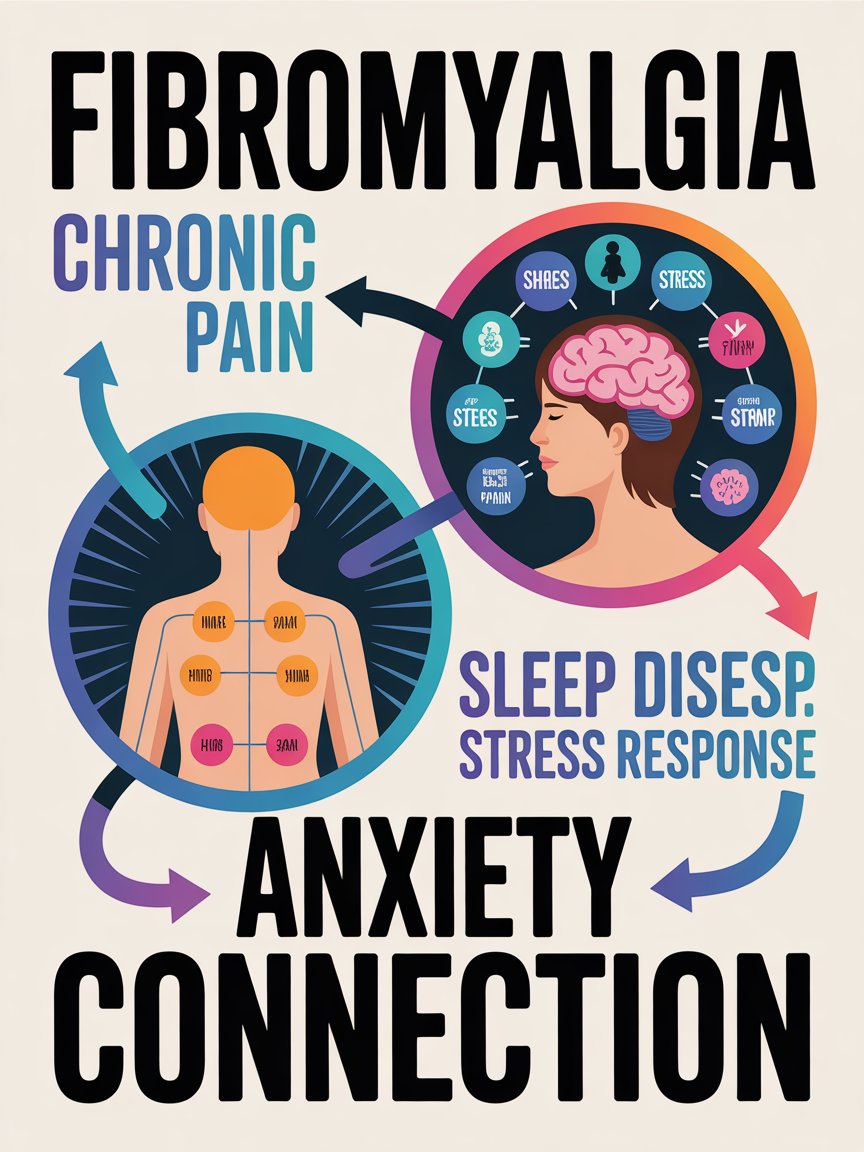
    1. Understanding Fibromyalgia and Anxiety Together

    Fibromyalgia is a long-term condition marked by widespread pain, fatigue, and sensitivity to touch. Anxiety is a common emotional response among people living with chronic illness. When these two occur together, symptoms often feel more intense and harder to manage. Understanding their connection is the first step toward better control of daily symptoms.

    2. How Anxiety Affects the Nervous System

    Anxiety activates the body’s stress response, keeping the nervous system in a constant state of alert. In people with fibromyalgia, the nervous system is already more sensitive to pain signals. This heightened alertness can make normal sensations feel painful or overwhelming. As a result, anxiety can directly amplify physical discomfort.

    3. Why Fibromyalgia Can Trigger Anxiety

    Living with chronic pain and unpredictable flare-ups can naturally lead to worry and fear. Many people feel anxious about when the next pain episode will happen or how symptoms may affect work and relationships. This constant uncertainty creates emotional strain. Over time, the mental burden of managing fibromyalgia can develop into ongoing anxiety.

    4. The Vicious Cycle of Pain and Worry

    Pain increases anxiety, and anxiety increases pain—creating a self-reinforcing cycle. When people feel tense or worried, muscles tighten and pain sensitivity rises. Increased pain then leads to more fear and stress. Breaking this cycle requires addressing both physical symptoms and emotional health together.

    5. The Role of Stress Hormones

    Anxiety increases the release of stress hormones like cortisol and adrenaline. While these hormones are helpful in emergencies, long-term elevation can increase muscle tension and fatigue. Chronic exposure to stress hormones may also disrupt pain regulation in the brain. This hormonal imbalance contributes to stronger and more frequent flare-ups.

    6. Anxiety’s Impact on Sleep Quality

    Anxiety often interferes with falling asleep and staying asleep. Poor sleep is already a major challenge for people with fibromyalgia, and anxiety can make it worse. Lack of restorative sleep increases pain sensitivity and exhaustion the next day. Improving sleep habits can reduce both anxiety and pain intensity.

    7. How Anxiety Worsens Brain Fog

    Fibromyalgia-related brain fog can become more noticeable when anxiety is present. Worry and racing thoughts make it harder to focus, remember things, or think clearly. Mental fatigue increases when the mind is constantly stressed. Managing anxiety can help restore some mental clarity and concentration.

    8. Physical Symptoms of Anxiety in Fibromyalgia

    Anxiety doesn’t just affect emotions—it can cause physical symptoms like muscle tightness, headaches, and stomach discomfort. These symptoms can overlap with fibromyalgia pain, making it harder to tell them apart. The body often holds emotional stress in the muscles. Relaxing the body can ease both emotional and physical discomfort.

    9. The Effect on Daily Functioning

    When anxiety and fibromyalgia occur together, daily activities may feel more exhausting. Fear of triggering pain can lead to avoiding movement or social situations. Over time, this avoidance can reduce confidence and independence. Gentle exposure to activity and supportive routines can rebuild trust in the body.

    10. Relaxation Techniques That Support Both Conditions

    Relaxation techniques such as deep breathing, progressive muscle relaxation, and gentle stretching calm the nervous system. These methods reduce muscle tension and lower anxiety levels. Even short daily relaxation sessions can improve pain tolerance. Making relaxation a habit supports both mental and physical health.

    11. Mindfulness and Emotional Awareness

    Mindfulness helps people notice anxious thoughts without letting them take over. Becoming aware of emotional triggers can prevent stress from escalating into flare-ups. Mindfulness practices encourage acceptance and patience with symptoms. This mental approach reduces emotional suffering even when pain is present.

    12. Cognitive Behavioral Strategies

    Cognitive behavioral strategies help identify negative thought patterns that worsen anxiety and pain. Learning to reframe unhelpful thoughts can reduce emotional distress. Many people benefit from working with therapists trained in these approaches. Changing thought patterns can gradually change how the body experiences pain.

    13. Lifestyle Habits That Reduce Anxiety

    Healthy daily habits can lower anxiety levels and improve fibromyalgia symptoms. Regular gentle movement, balanced nutrition, and consistent sleep schedules support nervous system balance. Reducing caffeine and practicing relaxation before bed can improve sleep quality. Small lifestyle changes can create meaningful improvements over time.

    14. Seeking Professional Support

    Healthcare providers can help create a personalized plan to manage both fibromyalgia and anxiety. This may include therapy, stress-management techniques, or medication when appropriate. Feeling supported reduces emotional burden and improves coping skills. Professional guidance can make the journey less overwhelming.

    15. Building a Balanced Mind–Body Approach

    Managing fibromyalgia and anxiety works best with a combined mind–body approach. Addressing emotional health is just as important as treating physical pain. With patience, consistency, and supportive strategies, symptoms can become more manageable. Over time, this balanced approach can lead to better quality of life and improved emotional well-being.

  • Can Stress Worsen Fibromyalgia?

    Can Stress Worsen Fibromyalgia?

    Can Stress Worsen Fibromyalgia?

    1. Understanding the Stress–Fibromyalgia Connection

    Fibromyalgia is a chronic pain condition that affects how the brain and nervous system process pain signals. Stress has a direct impact on this system, often making symptoms feel stronger and more widespread. When the body is under stress, it releases hormones that can increase muscle tension and pain sensitivity. This is why many people notice their fibromyalgia symptoms worsen during stressful periods.

    2. How Stress Affects the Nervous System

    Stress activates the body’s “fight or flight” response, which keeps the nervous system on high alert. In fibromyalgia, the nervous system is already more sensitive than normal, so stress can further heighten pain perception. This heightened state can make normal sensations feel painful. Over time, ongoing stress can keep symptoms flaring more frequently.

    3. The Role of Hormones in Pain Sensitivity

    During stressful situations, the body releases cortisol and adrenaline. While these hormones are helpful in short bursts, constant exposure can disrupt normal pain regulation. Elevated stress hormones may increase inflammation and muscle tension, contributing to widespread aches. Hormonal imbalance can also worsen fatigue and sleep problems.

    4. Emotional Stress and Fibromyalgia Flares

    Emotional stress from work, relationships, or personal challenges often triggers fibromyalgia flare-ups. Feelings of anxiety, sadness, or frustration can tighten muscles and intensify pain. Emotional stress also drains energy, making it harder to cope with daily tasks. Managing emotional well-being is just as important as addressing physical symptoms.

    5. Physical Stress and Overexertion

    Physical stress, such as overworking the body, lack of rest, or illness, can worsen fibromyalgia symptoms. Overexertion can lead to muscle soreness that lingers longer than usual. Even small physical stresses can cause flare-ups in sensitive individuals. Learning to pace activities helps reduce unnecessary physical strain.

    6. Sleep Disruption as a Stress Factor

    Stress often interferes with sleep quality, and poor sleep is a major problem for people with fibromyalgia. Lack of restorative sleep increases pain sensitivity and fatigue the next day. Stress-related insomnia creates a cycle where pain and poor sleep feed into each other. Improving sleep habits can break this cycle.

    7. How Chronic Stress Increases Pain Over Time

    Chronic stress keeps the body in a constant state of tension. This long-term tension can lead to ongoing muscle tightness and inflammation. Over time, the nervous system becomes more reactive, causing pain to flare more easily. Reducing chronic stress is essential for long-term symptom control.

    8. The Impact of Stress on Brain Fog

    Stress doesn’t just worsen physical pain—it can also intensify fibromyalgia-related brain fog. Mental overload makes concentration, memory, and decision-making more difficult. Stress hormones interfere with cognitive function, making everyday tasks feel harder. Managing stress can help improve mental clarity.

    9. Stress, Anxiety, and Mood Changes

    Ongoing stress often leads to anxiety and low mood, which can worsen fibromyalgia symptoms. Emotional distress lowers pain tolerance and increases fatigue. This creates a cycle where pain causes stress, and stress worsens pain. Breaking this cycle requires attention to both mental and physical health.

    10. Relaxation Techniques That May Help

    Relaxation techniques such as deep breathing, gentle stretching, and meditation can calm the nervous system. These practices help lower muscle tension and reduce pain sensitivity. Even a few minutes of relaxation daily can make a noticeable difference. Over time, relaxation becomes a valuable coping tool.

    11. Mindfulness and Stress Awareness

    Mindfulness helps people recognize stress triggers before they lead to flare-ups. Being aware of early signs of stress allows for quicker intervention, such as taking a break or practicing relaxation. Mindfulness also encourages acceptance rather than resistance to symptoms. This mental shift can reduce emotional strain.

    12. The Importance of Setting Healthy Boundaries

    Many people with fibromyalgia push themselves too hard to meet others’ expectations. Setting boundaries around work, social activities, and rest is essential for stress management. Saying no when needed protects energy levels and reduces flare-ups. Healthy boundaries support both physical and emotional well-being.

    13. Lifestyle Changes That Lower Stress Levels

    Small lifestyle changes can significantly reduce daily stress. Creating a balanced routine that includes rest, gentle movement, and enjoyable activities helps regulate the nervous system. Reducing caffeine, improving nutrition, and limiting screen time before bed can also improve stress and sleep. Consistency is key to long-term improvement.

    14. Seeking Support for Stress Management

    Support from healthcare providers, counselors, or support groups can help manage stress more effectively. Talking about challenges reduces emotional burden and provides coping strategies. Professional guidance can be especially helpful during major life stressors. Feeling supported makes fibromyalgia easier to manage.

    15. Taking Control of Stress for Better Symptom Management

    While stress cannot always be avoided, it can be managed with awareness and healthy coping strategies. Learning how stress affects fibromyalgia empowers patients to take proactive steps. Over time, better stress management can reduce flare frequency and improve quality of life. Small, consistent efforts can lead to meaningful relief.

  • Gentle Exercises for Fibromyalgia Patients

    Gentle Exercises for Fibromyalgia Patients

    Gentle Exercises for Fibromyalgia Patients

    1. Understanding Why Gentle Movement Matters

    Living with fibromyalgia often means dealing with chronic pain, stiffness, and fatigue that can make exercise feel overwhelming. However, gentle movement is one of the most effective non-medication ways to manage symptoms. Light exercise helps keep joints flexible, reduces muscle tension, and improves blood circulation. When done correctly, it can ease pain instead of causing flare-ups.

    2. How Exercise Helps Reduce Fibromyalgia Pain

    Fibromyalgia affects how the brain processes pain signals, making even small discomforts feel intense. Gentle exercises help calm the nervous system and release endorphins, the body’s natural pain relievers. Over time, regular movement can lower pain sensitivity and help patients feel more in control of their symptoms. The key is consistency, not intensity.

    3. Starting Slow and Listening to Your Body

    One of the biggest mistakes people with fibromyalgia make is pushing too hard too fast. Begin with very short sessions, even five minutes a day, and increase gradually. Pay close attention to how your body responds during and after exercise. If pain increases significantly, reduce the intensity or duration next time.

    4. Stretching for Morning Stiffness Relief

    Morning stiffness is a common complaint among fibromyalgia patients. Gentle stretching right after waking up can help loosen tight muscles and improve mobility. Simple neck rolls, shoulder shrugs, and slow leg stretches can make getting out of bed easier. Stretching should feel comfortable, never painful.

    5. Walking as a Low-Impact Option

    Walking is one of the safest and most accessible exercises for fibromyalgia patients. It improves circulation, supports heart health, and boosts mood without placing heavy stress on joints. Short, relaxed walks are better than long, exhausting ones. Walking indoors or outdoors, depending on energy levels, both provide benefits.

    6. Water Exercises for Joint-Friendly Movement

    Exercising in warm water reduces pressure on painful joints and muscles. Swimming or water aerobics allow the body to move more freely while minimizing discomfort. The warmth of the water also helps relax muscles and reduce stiffness. Many patients find water-based exercises more comfortable than land-based workouts.

    7. Gentle Yoga for Flexibility and Calm

    Yoga can be helpful when practiced in a gentle, slow-paced style. Poses focused on stretching and relaxation improve flexibility and reduce muscle tension. Breathing techniques used in yoga can also calm the nervous system and lower stress levels. Restorative or beginner yoga classes are best for fibromyalgia patients.

    8. Tai Chi for Balance and Pain Relief

    Tai Chi is a slow, flowing form of movement that combines gentle exercise with deep breathing. It improves balance, coordination, and muscle control while being easy on the body. Many fibromyalgia patients report reduced pain and better sleep with regular Tai Chi practice. The slow pace makes it suitable for beginners.

    9. Light Strength Training for Muscle Support

    Weak muscles can increase pain by placing extra strain on joints. Light strength training using resistance bands or small weights can improve muscle support without overloading the body. Focus on controlled, slow movements and low repetitions. Strength training should never cause sharp pain or extreme fatigue.

    10. Simple Range-of-Motion Exercises

    Range-of-motion exercises help maintain flexibility and prevent stiffness. These movements involve gently moving joints through their natural range, such as rotating wrists or bending knees slowly. They can be done while sitting or lying down on low-energy days. These small movements can make daily activities easier.

    11. Breathing Exercises to Reduce Tension

    Deep breathing exercises help relax tense muscles and reduce stress-related pain. Slow, controlled breathing sends calming signals to the nervous system. Practicing breathing techniques before or after exercise can prevent overexertion. Relaxed breathing also improves oxygen flow to tired muscles.

    12. Creating a Consistent Exercise Routine

    Consistency is more important than intensity for fibromyalgia patients. Choose a few gentle exercises and do them regularly rather than pushing through long sessions once in a while. Setting a realistic schedule, such as three to four short sessions per week, can build healthy habits. Routine helps the body adapt gradually to movement.

    13. Adjusting Exercise During Flare-Ups

    During flare-ups, even gentle exercise may feel difficult. Instead of stopping completely, switch to very light movements like stretching or breathing exercises. Rest when needed, but try to maintain some level of movement to prevent stiffness. Being flexible with your routine helps prevent frustration.

    14. Combining Exercise With Other Pain-Relief Strategies

    Exercise works best when combined with other fibromyalgia management techniques. Good sleep habits, balanced nutrition, and stress management all support the benefits of gentle movement. Warm showers, heat packs, or relaxation techniques can make exercise sessions more comfortable. A holistic approach leads to better long-term results.

    15. Staying Motivated and Patient With Progress

    Progress with fibromyalgia is slow and sometimes unpredictable. Celebrate small improvements, such as increased flexibility or slightly better energy levels. Set realistic goals and avoid comparing your progress to others. With patience and consistency, gentle exercise can become a powerful tool for managing fibromyalgia symptoms and improving quality of life.

  • Brain Fog and Fibromyalgia: What Helps

    Brain Fog and Fibromyalgia: What Helps

    Brain Fog and Fibromyalgia: What Helps

    1. Understanding Brain Fog in Fibromyalgia

    Brain fog, often called “fibro fog,” is a common symptom of fibromyalgia that affects memory, focus, and clear thinking. People may feel mentally slow, forgetful, or easily distracted. These cognitive difficulties can be frustrating and interfere with daily tasks, work, and relationships.

    2. Why Fibromyalgia Causes Brain Fog

    Fibromyalgia affects how the brain processes pain and sensory information, which can also impact cognitive function. Chronic pain, fatigue, and poor sleep all place stress on the nervous system. This overload can make it harder for the brain to concentrate and process information efficiently.

    3. Common Symptoms of Fibro Fog

    Fibro fog may include forgetfulness, trouble finding words, slow thinking, and difficulty concentrating. People may misplace items, forget appointments, or struggle to follow conversations. These symptoms often worsen during fibromyalgia flare-ups.

    4. The Link Between Poor Sleep and Brain Fog

    Lack of restorative sleep is one of the biggest contributors to brain fog. When sleep quality is poor, the brain does not get enough time to recover and process memories. Improving sleep habits can lead to noticeable improvements in mental clarity.

    5. Pain and Fatigue as Mental Drains

    Ongoing pain and physical exhaustion use up mental energy. When the body is constantly managing discomfort, fewer resources are left for focus and memory. Managing pain levels can help reduce the mental fatigue that worsens brain fog.

    6. Stress and Anxiety Worsen Cognitive Symptoms

    Stress and anxiety increase mental tension and make it harder to concentrate. Worry and emotional overload can intensify fibro fog symptoms. Relaxation techniques such as deep breathing, mindfulness, or short breaks during the day can help clear the mind.

    7. Staying Organized to Reduce Brain Fog

    Simple organization strategies can help manage memory problems. Using reminders, to-do lists, phone alarms, and calendars reduces mental strain. Writing things down can make daily life easier when brain fog is present.

    8. Gentle Exercise to Boost Brain Function

    Light physical activity improves blood flow to the brain and supports mental clarity. Activities like walking, stretching, or gentle yoga can help reduce stiffness and improve focus. Regular movement, even in small amounts, may ease brain fog over time.

    9. Nutrition and Hydration for Mental Clarity

    Eating balanced meals and staying hydrated support brain health. Skipping meals or dehydration can worsen fatigue and mental fog. Including whole foods, fruits, vegetables, and healthy fats may help maintain steady energy and focus.

    10. Managing Medications and Side Effects

    Some medications used to treat fibromyalgia symptoms may cause drowsiness or cognitive side effects. If brain fog worsens after starting a new medication, it is important to talk to a doctor. Adjusting doses or changing medications may improve mental clarity.

    11. Pacing Activities to Avoid Mental Overload

    Doing too much in one day can worsen both physical symptoms and brain fog. Pacing activities and taking regular breaks help prevent mental exhaustion. Breaking tasks into smaller steps can make them easier to manage.

    12. Cognitive Exercises and Mental Stimulation

    Keeping the brain active may help improve focus and memory. Simple activities like puzzles, reading, or memory games can provide gentle mental stimulation. These activities should be enjoyable and not overly stressful.

    13. The Role of Mental Health Support

    Depression and anxiety can worsen cognitive symptoms in fibromyalgia. Seeking support from a therapist or counselor can help manage emotional challenges. Improved mental health often leads to better focus and clearer thinking.

    14. When to Talk to a Doctor About Brain Fog

    If brain fog becomes severe or suddenly worsens, it is important to consult a doctor. Other medical conditions such as vitamin deficiencies, thyroid problems, or medication effects may contribute to cognitive symptoms. Proper evaluation ensures the right treatment approach.

    15. Finding What Helps You Most

    There is no single solution for fibro fog, and what helps varies from person to person. Tracking triggers, improving sleep, managing pain, and using simple organization tools can make a meaningful difference. With patience and consistent self-care, many people find ways to reduce brain fog and improve daily functioning.

  • Fibromyalgia and Sleep Problems Explained

    Fibromyalgia and Sleep Problems Explained

    Fibromyalgia and Sleep Problems Explained

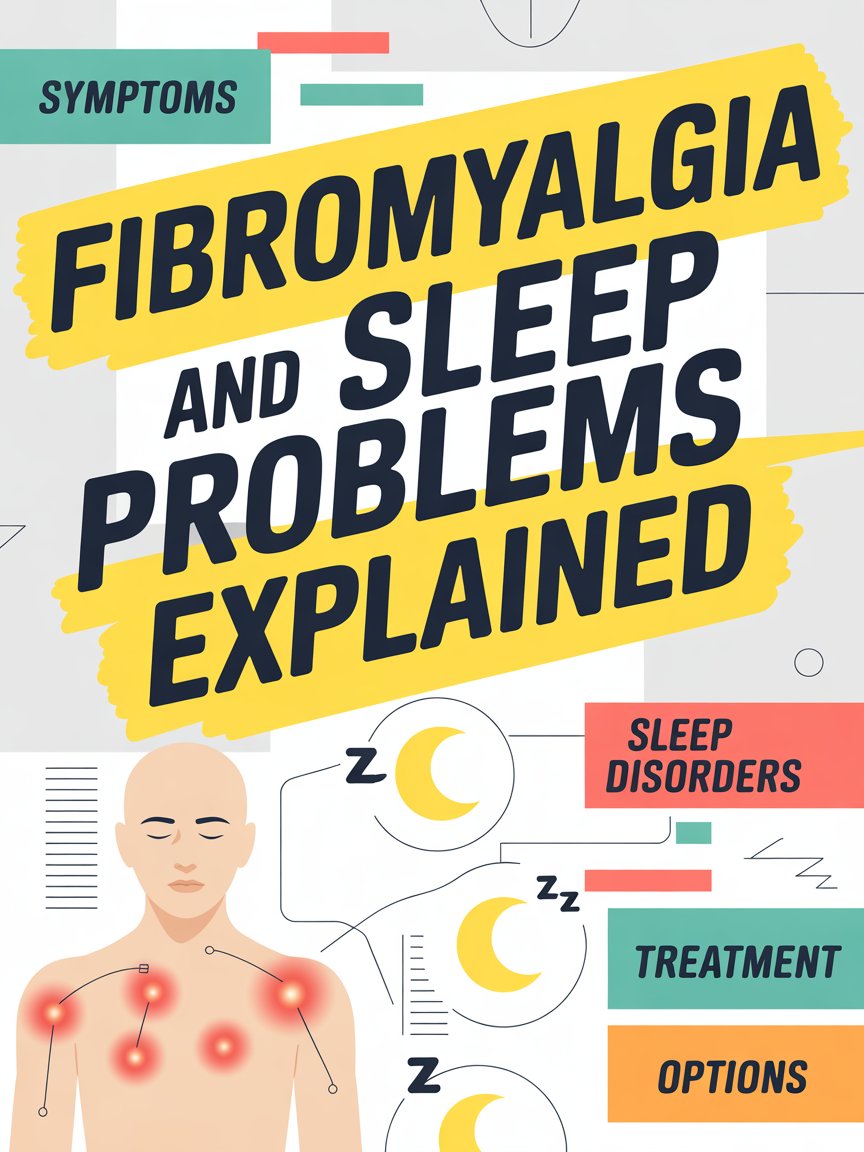
    1. The Strong Connection Between Fibromyalgia and Sleep

    Sleep problems are one of the most common and frustrating symptoms of fibromyalgia. Many people with fibromyalgia feel tired even after a full night in bed. Poor sleep increases pain sensitivity, while pain makes it harder to sleep, creating a difficult cycle that affects daily life.

    2. Why Fibromyalgia Disrupts Normal Sleep

    Fibromyalgia affects how the brain processes pain and sleep signals. Even during sleep, the nervous system may remain overactive, preventing deep, restorative rest. This leads to frequent awakenings and light sleep that does not fully refresh the body.

    3. Common Sleep Problems in Fibromyalgia

    People with fibromyalgia often experience insomnia, restless sleep, and frequent waking during the night. Some may struggle to fall asleep, while others wake up too early and cannot return to sleep. These ongoing sleep disturbances worsen fatigue and pain the next day.

    4. Non-Restorative Sleep and Morning Fatigue

    Non-restorative sleep means waking up feeling unrefreshed despite sleeping for many hours. This is a hallmark symptom of fibromyalgia. Morning stiffness, brain fog, and low energy levels are common results of poor-quality sleep.

    5. The Role of Pain in Sleep Disturbance

    Chronic muscle and joint pain make it difficult to find a comfortable sleeping position. Pain can cause frequent turning during the night and sudden awakenings. Managing pain before bedtime can help improve sleep quality.

    6. Fibro Fog and Its Link to Poor Sleep

    Fibro fog refers to problems with memory, focus, and clear thinking. Lack of quality sleep makes these cognitive symptoms worse. Improving sleep can lead to better concentration, mental clarity, and overall daily functioning.

    7. Restless Legs Syndrome and Fibromyalgia

    Restless legs syndrome (RLS) is more common in people with fibromyalgia. It causes uncomfortable sensations in the legs and a strong urge to move them, especially at night. This condition can further interrupt sleep and increase nighttime discomfort.

    8. Sleep Apnea and Breathing Problems During Sleep

    Some people with fibromyalgia also have sleep apnea, a condition where breathing repeatedly stops and starts during sleep. Sleep apnea leads to poor oxygen levels and frequent awakenings, worsening fatigue and pain. A sleep study may be needed if symptoms suggest breathing issues during sleep.

    9. The Impact of Stress and Anxiety on Sleep

    Stress and anxiety can make it harder to relax and fall asleep. Worrying thoughts at bedtime keep the brain active and delay sleep onset. Relaxation techniques such as deep breathing, meditation, or gentle stretching can help calm the mind before sleep.

    10. The Role of Sleep Environment

    A noisy, bright, or uncomfortable sleep environment can worsen sleep problems in fibromyalgia. Reducing light and noise, maintaining a comfortable room temperature, and using supportive bedding can improve sleep quality. Small changes to the bedroom can make a big difference.

    11. Bedtime Routines That Support Better Sleep

    Having a consistent bedtime routine helps signal the body that it is time to sleep. Going to bed and waking up at the same time each day improves sleep patterns. Avoiding screens, caffeine, and heavy meals before bed can also support better sleep.

    12. Gentle Exercise and Daytime Activity

    Light physical activity during the day can improve sleep at night. Gentle exercises such as walking, stretching, or yoga help reduce stiffness and promote relaxation. However, intense exercise close to bedtime may worsen sleep problems.

    13. Medications and Sleep Support

    Doctors may recommend medications to help manage pain, improve sleep, or treat related conditions like anxiety. Some medications can improve sleep quality, while others may interfere with sleep. Always discuss sleep-related side effects with a healthcare provider.

    14. When to See a Doctor About Sleep Problems

    If sleep problems persist despite lifestyle changes, it is important to consult a doctor. Ongoing sleep disturbances can worsen fibromyalgia symptoms and overall health. A healthcare provider may suggest a sleep study or adjust treatment plans to improve sleep.

    15. Improving Sleep to Improve Fibromyalgia Symptoms

    Better sleep can lead to reduced pain, improved mood, and increased daily energy. While sleep problems are common in fibromyalgia, small changes in habits and proper medical support can make a meaningful difference. Focusing on sleep health is an important part of managing fibromyalgia long term.

  • Common Fibromyalgia Triggers to Avoid

    Common Fibromyalgia Triggers to Avoid

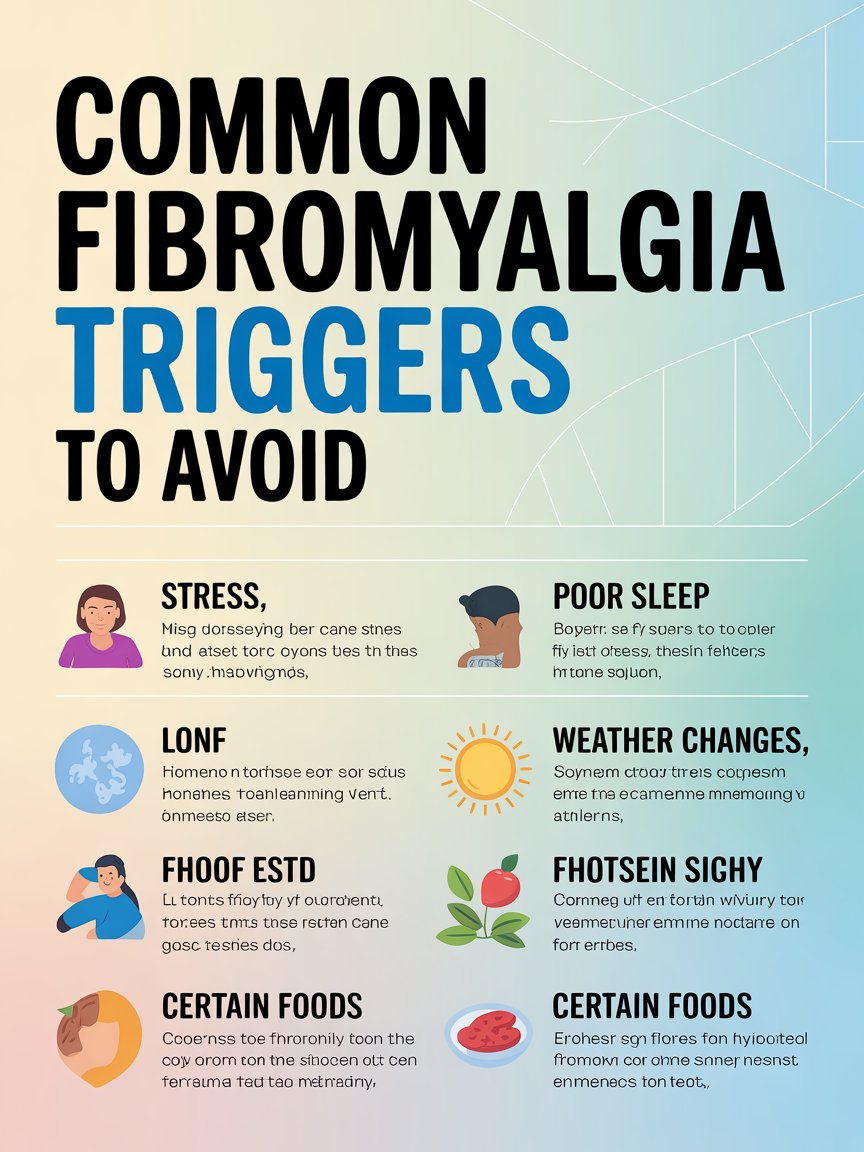
    1. Understanding Fibromyalgia Triggers

    Fibromyalgia triggers are factors that can worsen pain, fatigue, and other symptoms. These triggers do not cause fibromyalgia, but they can lead to painful flare-ups and increased discomfort. Learning to recognize and avoid personal triggers is a key part of managing the condition effectively.

    2. Stress and Emotional Overload

    Emotional stress is one of the most common fibromyalgia triggers. Anxiety, pressure at work, family conflicts, and financial worries can all increase muscle tension and pain sensitivity. Managing stress through relaxation techniques, breathing exercises, and counseling can help reduce flare-ups.

    3. Poor Sleep and Irregular Sleep Patterns

    Lack of quality sleep can significantly worsen fibromyalgia symptoms. Irregular sleep schedules, insomnia, and frequent nighttime awakenings lead to increased pain and fatigue. Creating a consistent sleep routine and improving sleep hygiene can help control symptoms.

    4. Overexertion and Physical Fatigue

    Doing too much physical activity in a short time can trigger fibromyalgia flare-ups. While gentle exercise is beneficial, overexertion can cause intense pain and exhaustion. Pacing daily activities and taking breaks helps prevent physical overload.

    5. Lack of Physical Activity

    On the other hand, being inactive for long periods can also worsen fibromyalgia symptoms. Stiff muscles, reduced circulation, and low energy levels can increase pain. Light activities such as walking or stretching can help maintain mobility and reduce discomfort.

    6. Weather Changes and Cold Temperatures

    Many people with fibromyalgia notice increased pain during cold, damp, or changing weather conditions. Sudden drops in temperature or humidity can cause muscle stiffness and joint discomfort. Dressing warmly and staying comfortable can help minimize weather-related flare-ups.

    7. Poor Diet and Unhealthy Eating Habits

    Certain foods may worsen fibromyalgia symptoms in some people. Diets high in sugar, processed foods, and caffeine can increase fatigue and inflammation. Eating balanced meals with fruits, vegetables, whole grains, and lean protein may help improve overall energy levels.

    8. Dehydration and Low Fluid Intake

    Not drinking enough water can lead to muscle cramps, headaches, and fatigue, which can worsen fibromyalgia symptoms. Staying well hydrated supports muscle function and reduces the risk of flare-ups. Simple habits like carrying a water bottle can make a big difference.

    9. Hormonal Changes and Fluctuations

    Hormonal changes, such as those during menstruation, pregnancy, or menopause, can trigger fibromyalgia flare-ups in some individuals. These changes can increase pain sensitivity and fatigue. Tracking symptom patterns can help identify hormonal triggers and prepare for flare-ups.

    10. Infections and Illness

    Even minor illnesses like colds or flu can trigger fibromyalgia flare-ups. Infections put stress on the body and can worsen pain and exhaustion. Supporting the immune system with rest, hydration, and proper nutrition can help reduce symptom severity during illness.

    11. Loud Noise and Sensory Overload

    People with fibromyalgia often have increased sensitivity to noise, light, and strong smells. Loud environments or bright lights can increase stress and trigger headaches or pain. Reducing sensory overload by resting in quiet, calm spaces can help prevent flare-ups.

    12. Poor Posture and Repetitive Movements

    Bad posture and repetitive movements, such as sitting for long hours or using a computer incorrectly, can strain muscles and increase pain. Ergonomic adjustments and gentle stretching can reduce muscle tension and discomfort throughout the day.

    13. Emotional Trauma and Past Stress

    Unresolved emotional trauma or long-term stress can worsen fibromyalgia symptoms. Emotional distress can increase the body’s sensitivity to pain. Seeking emotional support, therapy, or counseling can help manage emotional triggers and improve overall well-being.

    14. Skipping Medications or Treatment Plans

    Not following prescribed treatment plans can lead to more frequent flare-ups. Skipping medications, physical therapy, or self-care routines may increase pain and fatigue. Staying consistent with treatment helps keep symptoms under better control.

    15. Learning Your Personal Triggers

    Every person with fibromyalgia has unique triggers. Keeping a symptom diary can help identify patterns related to stress, sleep, food, and activity levels. By learning what worsens symptoms, individuals can make lifestyle adjustments to reduce flare-ups and improve quality of life.