Author: admin

  • 7 PMS Symptoms That Worsen Pain

    7 PMS Symptoms That Worsen Pain

    7 PMS Symptoms That Worsen Pain

    Premenstrual syndrome (PMS) can cause a range of physical and emotional symptoms that may worsen pain, especially for those living with conditions like fibromyalgia or chronic pain disorders. Hormonal fluctuations before menstruation can increase sensitivity, inflammation, and discomfort throughout the body.

    Understanding how PMS symptoms contribute to increased pain can help you prepare, manage triggers, and reduce their impact. Below are seven PMS symptoms that commonly worsen pain.


    1. Hormonal Fluctuations

    Estrogen and Progesterone Changes

    During PMS, levels of estrogen and progesterone shift significantly, affecting how the body processes pain.

    Increased Pain Sensitivity

    These hormonal changes can lower pain tolerance, making existing discomfort feel more intense.


    2. Muscle Tension and Cramps

    Tight and Aching Muscles

    Many people experience muscle stiffness and uterine cramping before their period.

    Worsening Body Pain

    This added tension can increase overall pain, especially in the lower back and legs.


    3. Increased Fatigue

    Low Energy Levels

    PMS often causes tiredness and lack of energy.

    Impact on Pain

    Fatigue can reduce the body’s ability to cope with pain, making symptoms feel more severe.


    4. Sleep Disturbances

    Difficulty Falling or Staying Asleep

    Hormonal changes can interfere with normal sleep patterns.

    Amplified Discomfort

    Poor sleep can increase pain sensitivity and reduce recovery.


    5. Mood Changes and Stress

    Emotional Ups and Downs

    Irritability, anxiety, and mood swings are common PMS symptoms.

    Stress and Pain Connection

    Emotional stress can heighten the perception of pain and trigger flare-ups.


    6. Bloating and Inflammation

    Fluid Retention

    PMS can cause bloating and swelling in different parts of the body.

    Added Pressure and Pain

    This may increase discomfort in joints and muscles, especially for those already dealing with chronic pain.


    7. Headaches and Migraines

    Hormonal Headaches

    Fluctuating hormone levels can trigger headaches or migraines before menstruation.

    Increased Sensitivity

    These headaches can add to overall discomfort and make pain management more difficult.


    Conclusion

    PMS symptoms can significantly worsen pain by affecting hormones, sleep, mood, and physical comfort. For individuals with chronic pain conditions, this time of the month can be especially challenging.

    By recognizing these triggers and adopting supportive habits—such as rest, hydration, gentle movement, and stress management—you can reduce the impact of PMS-related pain and improve your overall well-being.


  • 12 Hormone Imbalances That Affect Fibromyalgia

    12 Hormone Imbalances That Affect Fibromyalgia

    12 Hormone Imbalances That Affect Fibromyalgia

    Fibromyalgia is a complex condition that affects pain perception, sleep, energy levels, and mood. While its exact cause is not fully understood, research suggests that hormonal imbalances may play a significant role in worsening symptoms. Hormones act as chemical messengers in the body, and even small disruptions can have widespread effects.

    Understanding how different hormones influence fibromyalgia can help you recognize triggers and better manage your symptoms. Below are twelve hormone imbalances that may affect fibromyalgia.


    1. Cortisol Imbalance

    The Stress Hormone

    Cortisol helps the body respond to stress, but chronic stress can disrupt its normal levels.

    Impact on Fibromyalgia

    Low or irregular cortisol levels may contribute to fatigue, pain sensitivity, and poor stress tolerance.


    2. Melatonin Deficiency

    Sleep-Regulating Hormone

    Melatonin controls the sleep-wake cycle and helps the body prepare for rest.

    Effect on Sleep

    Low melatonin levels can lead to insomnia and non-restorative sleep, common in fibromyalgia.


    3. Serotonin Imbalance

    Mood and Pain Regulation

    Serotonin affects mood, sleep, and how the body processes pain.

    Increased Sensitivity

    Low serotonin levels are often linked to increased pain perception and depression.


    4. Thyroid Hormone Imbalance

    Metabolism Control

    Thyroid hormones regulate metabolism and energy production.

    Overlapping Symptoms

    Imbalances may cause fatigue, muscle pain, and cognitive difficulties similar to fibromyalgia.


    5. Estrogen Fluctuations

    Female Hormone Changes

    Estrogen levels naturally fluctuate, especially during menstrual cycles, pregnancy, and menopause.

    Symptom Changes

    These fluctuations can influence pain sensitivity and trigger flare-ups.


    6. Progesterone Imbalance

    Calming Hormone

    Progesterone has a calming effect on the brain and supports sleep.

    Sleep Disruption

    Low levels may lead to anxiety, poor sleep, and increased discomfort.


    7. Testosterone Deficiency

    Energy and Muscle Health

    Testosterone supports muscle strength, energy levels, and overall vitality in both men and women.

    Fatigue and Weakness

    Low levels may contribute to fatigue and reduced physical endurance.


    8. Growth Hormone Deficiency

    Tissue Repair and Recovery

    Growth hormone helps repair muscles and tissues during sleep.

    Slower Healing

    Reduced levels may lead to poor recovery and increased muscle pain.


    9. Insulin Resistance

    Blood Sugar Regulation

    Insulin helps control blood sugar levels and energy use.

    Energy Fluctuations

    Imbalances can cause fatigue, brain fog, and increased inflammation.


    10. Adrenal Hormone Imbalance

    Stress Response System

    The adrenal glands produce several hormones, including cortisol and adrenaline.

    Chronic Fatigue

    Adrenal dysfunction may worsen fatigue, stress intolerance, and pain.


    11. Leptin Imbalance

    Appetite and Energy

    Leptin helps regulate hunger and energy balance.

    Sleep and Weight Effects

    Disruptions may affect sleep quality and contribute to weight changes.


    12. Ghrelin Imbalance

    Hunger Hormone

    Ghrelin stimulates appetite and plays a role in sleep and energy regulation.

    Disrupted Patterns

    Imbalances may affect sleep cycles and energy levels.

  • 8 Ways to Stay Positive with Chronic Illness

    8 Ways to Stay Positive with Chronic Illness

    8 Ways to Stay Positive with Chronic Illness

    Living with a chronic illness can be physically and emotionally challenging. Pain, fatigue, and uncertainty can sometimes make it hard to stay hopeful. However, maintaining a positive mindset doesn’t mean ignoring difficulties—it means finding ways to cope, adapt, and focus on what brings meaning and comfort to your life.

    Here are eight practical ways to stay positive while managing a chronic illness.


    1. Focus on Small Wins

    Celebrate Daily Progress

    Even simple tasks like getting out of bed or completing a small chore are achievements worth recognizing.

    Build Motivation

    Acknowledging progress can boost your confidence and improve your outlook.


    2. Practice Gratitude

    Shift Your Mindset

    Focusing on what you’re thankful for can help reduce negative thinking.

    Keep a Gratitude List

    Writing down a few positive things each day can improve emotional well-being.


    3. Stay Connected With Supportive People

    Avoid Isolation

    Spending time with understanding friends or family can lift your mood.

    Share Your Feelings

    Talking about your experiences can help you feel less alone.


    4. Set Realistic Expectations

    Accept Your Limits

    Chronic illness may change your pace, and that’s okay.

    Reduce Pressure

    Setting achievable goals helps prevent frustration and burnout.


    5. Engage in Activities You Enjoy

    Make Time for Joy

    Hobbies and creative activities can provide a sense of purpose and happiness.

    Balance Your Day

    Enjoyable moments help offset the challenges of illness.


    6. Practice Mindfulness and Relaxation

    Stay Present

    Mindfulness can help you focus on the moment rather than worrying about the future.

    Reduce Stress

    Relaxation techniques like deep breathing can calm your mind and body.


    7. Take Care of Your Body

    Support Physical Health

    Gentle exercise, proper nutrition, and rest can improve both physical and mental well-being.

    Feel More in Control

    Healthy habits can help you manage symptoms more effectively.


    8. Be Kind to Yourself

    Let Go of Guilt

    It’s important to understand that needing rest or help is not a weakness.

    Encourage Self-Compassion

    Treat yourself with the same kindness you would offer a loved one.


    Conclusion

    Staying positive with a chronic illness is not always easy, but small, consistent efforts can make a meaningful difference. By focusing on gratitude, maintaining connections, and caring for both your mind and body, you can build resilience and find moments of joy even on difficult days.

    Positivity doesn’t mean perfection—it means continuing to move forward with hope, patience, and self-compassion.

  • 10 Mental Health Tips for Fibromyalgia Warriors

    10 Mental Health Tips for Fibromyalgia Warriors

    10 Mental Health Tips for Fibromyalgia Warriors

    Living with fibromyalgia can affect more than just the body—it can also take a toll on mental and emotional well-being. Chronic pain, fatigue, and daily challenges may lead to stress, frustration, or feelings of isolation. That’s why caring for your mental health is just as important as managing physical symptoms.

    With the right strategies, fibromyalgia warriors can build emotional strength, improve resilience, and maintain a more positive outlook. Here are ten helpful mental health tips to support your journey.


    1. Practice Self-Compassion

    Be Gentle With Yourself

    Living with chronic pain is challenging, and it’s important to treat yourself with kindness instead of criticism.

    Accept Your Limits

    Understanding that your energy may vary from day to day can help reduce frustration.


    2. Focus on What You Can Control

    Shift Your Perspective

    Instead of worrying about things beyond your control, focus on small actions that improve your day.

    Build Confidence

    Taking control of daily habits can create a sense of empowerment.


    3. Stay Connected With Others

    Avoid Isolation

    Chronic conditions can sometimes make people withdraw socially.

    Build Support

    Talking to friends, family, or support groups can provide emotional comfort and understanding.


    4. Practice Mindfulness

    Stay Present

    Mindfulness helps you focus on the present moment instead of worrying about the past or future.

    Reduce Stress

    Regular mindfulness practice can calm the mind and reduce anxiety.


    5. Set Realistic Goals

    Break Tasks Into Steps

    Small, achievable goals can make daily life feel more manageable.

    Celebrate Progress

    Recognizing even small accomplishments can boost motivation and mood.


    6. Create a Daily Routine

    Add Structure to Your Day

    A consistent routine can reduce stress and create a sense of stability.

    Balance Activity and Rest

    Planning your day helps prevent overexertion and burnout.


    7. Engage in Enjoyable Activities

    Make Time for Joy

    Hobbies and enjoyable activities can improve mood and reduce stress.

    Support Emotional Health

    Doing things you love helps bring balance to daily life.


    8. Practice Relaxation Techniques

    Calm the Mind and Body

    Techniques such as deep breathing, meditation, or gentle yoga can help reduce tension.

    Improve Emotional Balance

    Relaxation supports both mental clarity and emotional well-being.


    9. Limit Negative Self-Talk

    Change Your Inner Dialogue

    Negative thoughts can increase stress and emotional pain.

    Encourage Yourself

    Replacing them with positive and supportive thoughts can improve your mindset.


    10. Seek Professional Support When Needed

    Talk to a Professional

    A therapist or counselor can help you develop coping strategies.

    Strengthen Mental Health

    Professional support can provide guidance during difficult times.


    Conclusion

    Managing fibromyalgia involves caring for both the body and the mind. By practicing self-compassion, staying connected, setting realistic goals, and using relaxation techniques, you can build emotional strength and resilience.

    Every fibromyalgia warrior’s journey is unique, but with consistent mental health care and supportive habits, it is possible to navigate challenges and maintain a more balanced and fulfilling life.

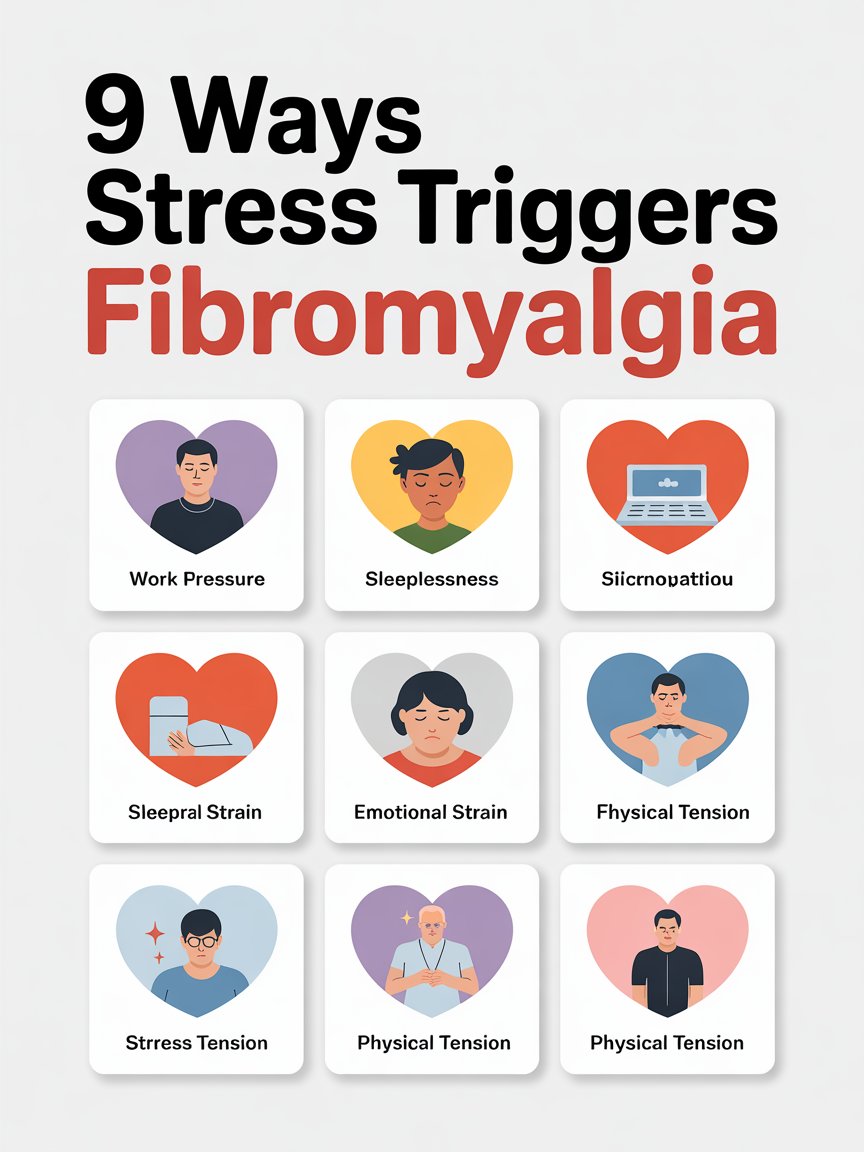
  • 9 Ways Stress Triggers Fibromyalgia

    9 Ways Stress Triggers Fibromyalgia

    9 Ways Stress Triggers Fibromyalgia

    Stress plays a major role in triggering and worsening fibromyalgia symptoms. Emotional, mental, and physical stress can affect the nervous system, increase pain sensitivity, and lead to flare-ups. For many people with fibromyalgia, managing stress is just as important as managing physical symptoms.

    Understanding how stress impacts the body can help you recognize triggers and take steps to reduce their effects. Below are nine ways stress can trigger fibromyalgia symptoms.


    1. Increases Pain Sensitivity

    Heightened Nervous System Response

    Stress can make the nervous system more sensitive, causing the body to feel pain more intensely.

    Amplified Discomfort

    Even mild sensations may feel stronger during stressful periods.


    2. Causes Muscle Tension

    Tight Muscles

    Stress often leads to unconscious muscle tightening, especially in the neck, shoulders, and back.

    Increased Stiffness

    Prolonged tension can worsen muscle pain and stiffness.


    3. Disrupts Sleep Patterns

    Difficulty Falling Asleep

    Stress can make it harder to relax and fall asleep at night.

    Poor Sleep Quality

    Lack of restful sleep can increase fatigue and pain the next day.


    4. Triggers Fatigue

    Energy Drain

    Stress consumes both mental and physical energy.

    Worsening Exhaustion

    For people with fibromyalgia, this can lead to deeper and longer-lasting fatigue.


    5. Increases Inflammation

    Body’s Stress Response

    Chronic stress may contribute to increased inflammation in the body.

    Pain Flare-Ups

    This can worsen overall discomfort and trigger flare-ups.


    6. Affects Mood and Mental Health

    Emotional Strain

    Stress can lead to anxiety, irritability, or low mood.

    Impact on Pain Perception

    Emotional distress may make pain feel more intense and harder to manage.


    7. Reduces Physical Activity

    Avoidance of Movement

    Stress and fatigue can reduce motivation to stay active.

    Increased Stiffness

    Less movement can lead to muscle tightness and reduced flexibility.


    8. Disrupts Hormonal Balance

    Stress Hormones

    High levels of stress hormones like cortisol can affect many body systems.

    Imbalance Effects

    Hormonal changes may worsen sleep, pain sensitivity, and energy levels.


    9. Weakens Coping Ability

    Overwhelmed Mind

    Chronic stress can make it harder to cope with daily challenges.

    Reduced Resilience

    This may lead to increased sensitivity to pain and other symptoms.


    Conclusion

    Stress is a powerful trigger for fibromyalgia symptoms, affecting both the body and the mind. From increasing pain sensitivity to disrupting sleep and energy levels, stress can make symptoms more difficult to manage.

    By recognizing how stress impacts your body and adopting stress-management techniques—such as relaxation exercises, gentle movement, and supportive routines—you can reduce its effects and improve your overall quality of life.

  • 8 Power Nap Tips for Chronic Fatigue

    8 Power Nap Tips for Chronic Fatigue

    8 Power Nap Tips for Chronic Fatigue

    Chronic fatigue can make it difficult to stay energized throughout the day. For people living with ongoing tiredness or conditions like fibromyalgia, power naps can be a helpful way to restore energy without interfering with nighttime sleep. However, napping the wrong way can sometimes leave you feeling even more tired.

    When done correctly, short naps can refresh the mind, improve focus, and support overall well-being. Here are eight effective power nap tips for managing chronic fatigue.


    1. Keep Naps Short

    Aim for 20–30 Minutes

    Short naps are ideal for boosting energy without entering deep sleep.

    Avoid Sleep Grogginess

    Long naps may lead to sleep inertia, making you feel more tired afterward.


    2. Nap Earlier in the Day

    Choose the Right Time

    The best time for a nap is usually early afternoon, when energy levels naturally dip.

    Protect Night Sleep

    Late naps can make it harder to fall asleep at night.


    3. Create a Calm Environment

    Reduce Noise and Light

    A quiet, dim space helps your body relax quickly.

    Improve Nap Quality

    Even a short nap can feel more refreshing in a peaceful setting.


    4. Use a Comfortable Position

    Support Your Body

    Choose a position that supports your neck and back.

    Prevent Stiffness

    Proper support helps avoid waking up with added discomfort.


    5. Set an Alarm

    Stay on Track

    Setting an alarm ensures your nap does not go longer than planned.

    Maintain Routine

    This helps keep naps consistent and effective.


    6. Try Relaxation Techniques Before Napping

    Calm Your Mind

    Deep breathing or gentle meditation can help you fall asleep faster.

    Maximize Nap Time

    Relaxing quickly allows you to get the most benefit from a short nap.


    7. Avoid Napping Too Often

    Balance Rest and Activity

    Frequent naps throughout the day can disrupt your overall sleep cycle.

    Use Naps Wisely

    Limit naps to when you truly need an energy boost.


    8. Pair Naps With Healthy Habits

    Support Overall Energy

    Regular sleep, hydration, and gentle movement all contribute to better energy levels.

    Enhance Benefits

    Combining naps with healthy routines can improve long-term fatigue management.


    Conclusion

    Power naps can be a helpful tool for managing chronic fatigue when used correctly. Keeping naps short, choosing the right time, and creating a relaxing environment can make them more effective.

    By incorporating these simple tips into your routine, you can use power naps to restore energy, improve focus, and better manage daily fatigue without disrupting your nighttime sleep.

  • 11 Sleep Mistakes Fibromyalgia Patients Make

    11 Sleep Mistakes Fibromyalgia Patients Make

    11 Sleep Mistakes Fibromyalgia Patients Make

    Sleep is essential for managing fibromyalgia, yet many people with this condition struggle to get restful, uninterrupted sleep. Pain, sensitivity, and fatigue can all interfere with healthy sleep patterns. Sometimes, certain habits may unknowingly make sleep problems worse.

    Understanding common sleep mistakes can help you make simple changes that improve both sleep quality and daily comfort. Below are eleven sleep mistakes fibromyalgia patients often make and how to avoid them.


    1. Going to Bed at Different Times Each Night

    Disrupting the Body Clock

    An inconsistent sleep schedule can confuse your body’s internal rhythm.

    Build Consistency

    Going to bed and waking up at the same time daily helps improve sleep quality.


    2. Using Screens Right Before Bed

    Blue Light Interference

    Phones and computers emit blue light that can reduce melatonin production.

    Choose Relaxing Alternatives

    Reading or listening to calming music can help prepare your mind for sleep.


    3. Ignoring Pain Before Bedtime

    Unmanaged Discomfort

    Going to bed while in pain can make it harder to fall asleep.

    Prepare Your Body

    Gentle stretching or a warm bath may help reduce discomfort before sleep.


    4. Drinking Caffeine Too Late

    Stimulation Effects

    Caffeine can stay in your system for several hours.

    Protect Your Sleep

    Avoid caffeine in the evening to improve your chances of falling asleep faster.


    5. Taking Long Daytime Naps

    Disrupting Night Sleep

    Long naps can make it difficult to fall asleep at night.

    Keep Naps Short

    If needed, limit naps to 20–30 minutes earlier in the day.


    6. Sleeping in an Uncomfortable Position

    Poor Alignment

    Improper sleeping positions can increase pressure on muscles and joints.

    Support Your Body

    Use pillows to maintain proper alignment and reduce strain.


    7. Using an Unsupportive Mattress or Pillow

    Lack of Proper Support

    Old or unsuitable bedding can worsen pain and stiffness.

    Invest in Comfort

    A supportive mattress and pillow can improve sleep quality.


    8. Skipping a Relaxing Bedtime Routine

    No Wind-Down Time

    Going straight from activity to bed can make it harder to relax.

    Create a Routine

    Calming habits like deep breathing or light reading can help prepare your body for sleep.


    9. Letting Stress Build Up at Night

    Mental Overload

    Stress and anxiety can keep your mind active and delay sleep.

    Practice Relaxation

    Mindfulness or journaling can help reduce nighttime stress.


    10. Staying in Bed When You Can’t Sleep

    Associating Bed With Wakefulness

    Lying awake for long periods can make falling asleep harder.

    Reset Your Mind

    If you can’t sleep, get up and do something relaxing until you feel sleepy.


    11. Ignoring Sleep Environment

    Distractions and Discomfort

    Noise, light, and temperature can all affect sleep quality.

    Optimize Your Space

    A quiet, dark, and cool bedroom can support better rest.

  • 5 Natural Ways to Fall Asleep Faster

    5 Natural Ways to Fall Asleep Faster

    5 Natural Ways to Fall Asleep Faster

    Falling asleep quickly can sometimes feel like a challenge, especially when your mind is busy or your body feels tense. Poor sleep habits, stress, and irregular routines can all interfere with your ability to drift off easily. Fortunately, there are natural and simple ways to help your body relax and prepare for restful sleep.

    By building healthy nighttime habits, you can train your body to fall asleep faster and improve overall sleep quality. Below are five natural ways to help you fall asleep more easily.


    1. Create a Consistent Bedtime Routine

    Train Your Internal Clock

    Going to bed at the same time every night helps regulate your body’s circadian rhythm. Over time, your body learns when it is time to wind down and prepare for sleep.

    Build a Relaxing Ritual

    Simple activities like reading, listening to calming music, or dimming the lights can signal to your brain that it’s time to rest.

    Stay Consistent Daily

    Consistency—even on weekends—can make a big difference in how quickly you fall asleep.


    2. Limit Screen Time Before Bed

    Reduce Blue Light Exposure

    Phones, tablets, and computers emit blue light that can interfere with melatonin production, the hormone responsible for sleep.

    Encourage Natural Sleep Signals

    Turning off screens at least 30–60 minutes before bedtime allows your body to naturally prepare for rest.

    Choose Calming Alternatives

    Instead of screens, try reading a book or practicing relaxation exercises.


    3. Practice Deep Breathing or Relaxation Techniques

    Calm the Mind

    Deep breathing helps slow down racing thoughts and reduces mental stress.

    Relax the Body

    Techniques like meditation or progressive muscle relaxation can release physical tension.

    Improve Sleep Onset

    A calm body and mind make it easier to transition into sleep.


    4. Keep Your Bedroom Comfortable

    Optimize Your Sleep Environment

    A cool, dark, and quiet room can support better sleep.

    Use Supportive Bedding

    Comfortable pillows and a good mattress help reduce discomfort and promote relaxation.

    Minimize Disruptions

    Reducing noise and light helps your body stay in a restful state.


    5. Avoid Heavy Meals and Caffeine at Night

    Support Digestion

    Eating large meals close to bedtime can cause discomfort and make it harder to fall asleep.

    Limit Stimulants

    Caffeine can stay in your system for hours and delay sleep.

    Choose Light Evening Options

    If you feel hungry, opt for a light snack that won’t disrupt your rest.


    Conclusion

    Falling asleep faster naturally is possible with small, consistent changes to your daily routine. Creating a calming bedtime routine, limiting screen exposure, practicing relaxation techniques, and maintaining a comfortable sleep environment all play an important role.

    By adopting these habits, you can train your body to relax more easily at night and enjoy deeper, more restful sleep. Over time, these natural approaches can improve both your sleep quality and overall well-being.

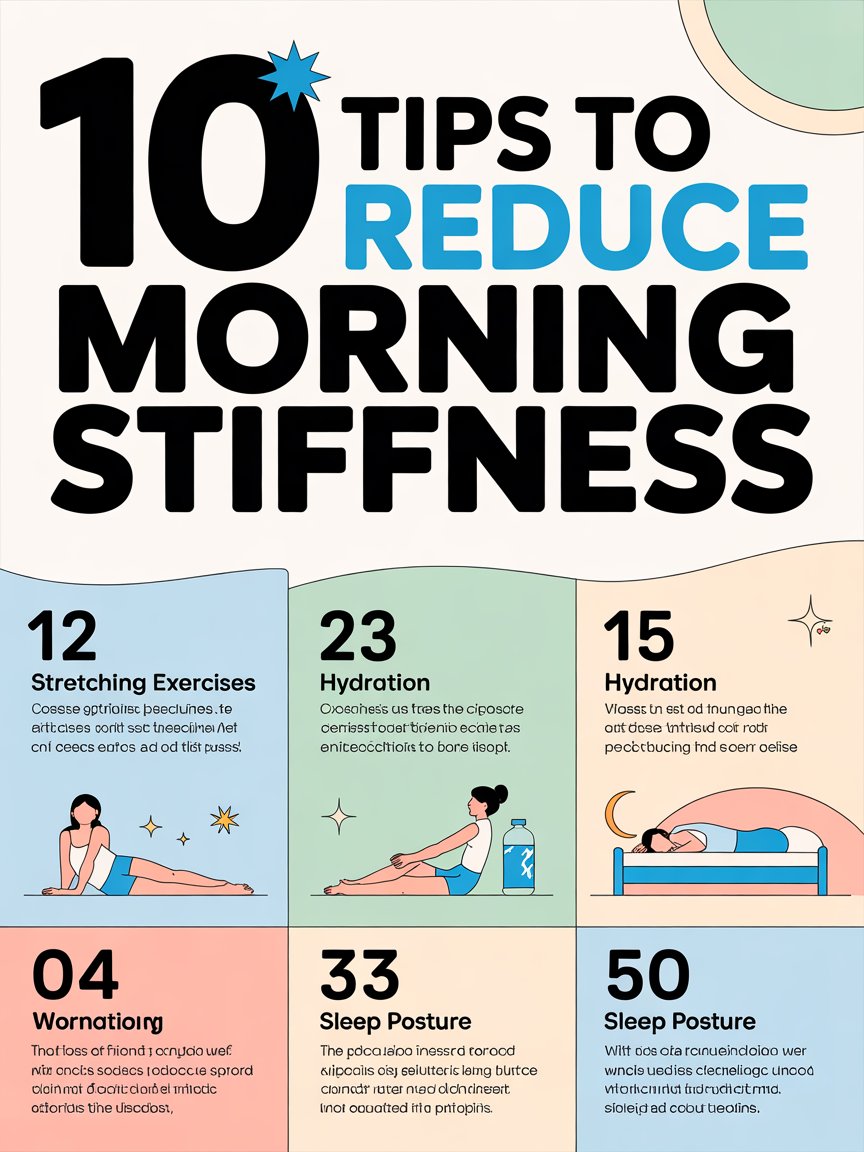
  • 10 Tips to Reduce Morning Stiffness

    10 Tips to Reduce Morning Stiffness

    10 Tips to Reduce Morning Stiffness

    Morning stiffness is a common issue for people living with chronic pain conditions like fibromyalgia, arthritis, or muscle tension. Waking up with tight, sore muscles can make it difficult to start the day comfortably. Fortunately, small changes in your routine can help reduce stiffness and improve mobility.

    Here are ten practical tips to help ease morning stiffness and start your day feeling better.


    1. Start With Gentle Stretching

    Wake Up Your Muscles

    Begin your day with light stretches while still in bed or right after getting up.

    Improve Flexibility

    Stretching helps loosen tight muscles and improve circulation.


    2. Take a Warm Shower

    Use Heat Therapy

    Warm water can relax muscles and reduce stiffness.

    Ease Movement

    A morning shower may help your body feel more flexible and ready for activity.


    3. Move Slowly at First

    Avoid Sudden Movements

    Jumping out of bed too quickly can increase discomfort.

    Give Your Body Time

    Allow your muscles and joints to gradually adjust to movement.


    4. Stay Hydrated

    Support Muscle Function

    Dehydration can contribute to muscle stiffness and cramping.

    Start With Water

    Drinking a glass of water in the morning helps rehydrate your body after sleep.


    5. Use a Supportive Mattress and Pillow

    Improve Sleep Posture

    Proper support during sleep helps reduce strain on muscles and joints.

    Reduce Morning Pain

    Good bedding can minimize stiffness when you wake up.


    6. Try Gentle Morning Movement

    Light Activity Helps

    Simple movements like walking around your home can help loosen muscles.

    Boost Circulation

    Movement increases blood flow and reduces tightness.


    7. Apply Heat to Stiff Areas

    Targeted Relief

    Using a heating pad on sore areas can help relax tight muscles.

    Increase Comfort

    Heat therapy may reduce pain and improve flexibility.


    8. Practice Deep Breathing

    Relax the Body

    Slow, deep breathing can reduce tension and help muscles relax.

    Start Calmly

    A calm start to the day can make movement easier.


    9. Keep a Consistent Sleep Routine

    Improve Sleep Quality

    Going to bed and waking up at the same time each day supports better rest.

    Reduce Stiffness Over Time

    Better sleep can help reduce overall muscle tension.


    10. Avoid Staying in One Position Too Long

    Change Positions During Sleep

    Staying in one position for too long can increase stiffness.

    Encourage Movement

    Even small shifts during the night can help reduce tightness.


    Conclusion

    Morning stiffness can make the start of the day uncomfortable, but simple habits can help ease the discomfort. Gentle stretching, warm showers, hydration, and proper sleep support all play a role in reducing stiffness.

    By incorporating these tips into your daily routine, you can improve mobility, reduce pain, and begin your mornings with greater comfort and ease.

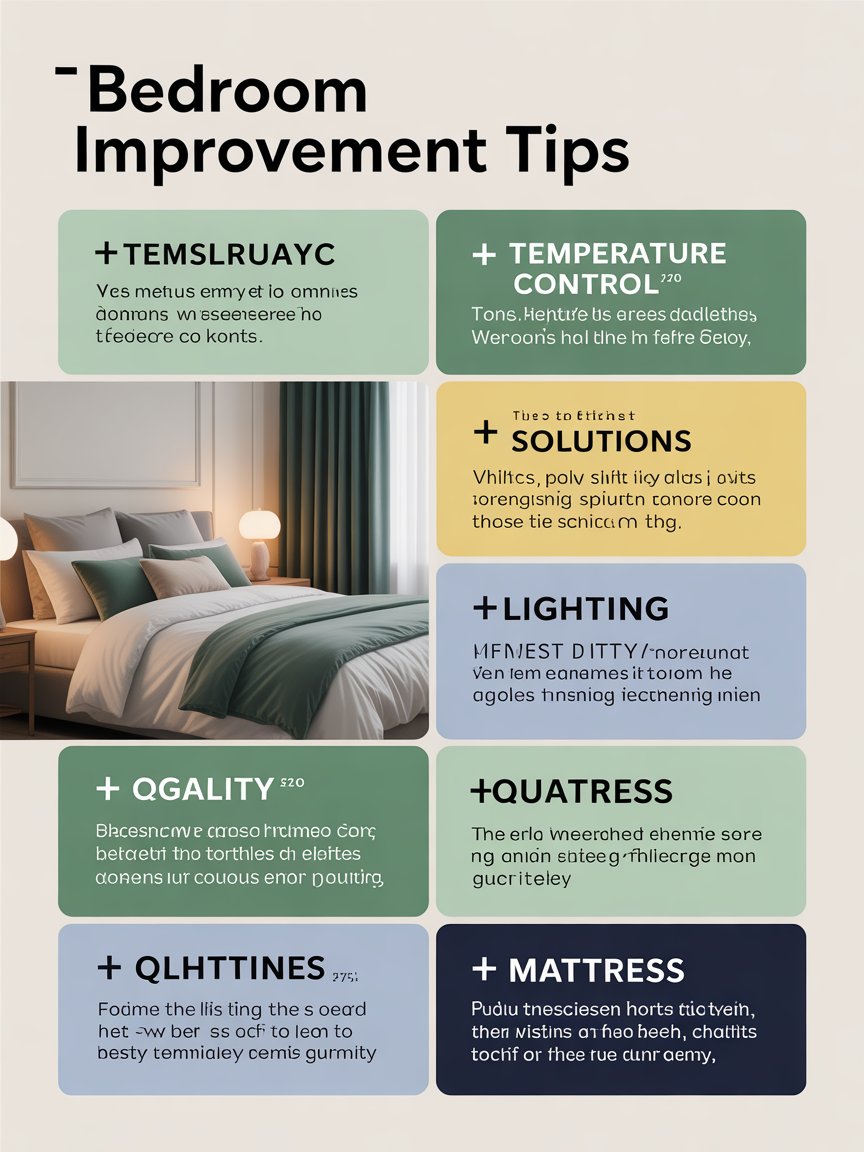
  • 7 Bedroom Changes That Improve Sleep

    7 Bedroom Changes That Improve Sleep

    7 Bedroom Changes That Improve Sleep

    The environment in your bedroom plays a major role in the quality of your sleep. A calm, comfortable, and well-organized sleeping space can help the body relax and support a healthy sleep routine. Small changes to lighting, temperature, and bedding can make a noticeable difference in how easily you fall asleep and how rested you feel in the morning.

    Here are seven bedroom changes that may help improve sleep.


    1. Keep the Room Dark

    Reduce Light Exposure

    Bright lights can interfere with the body’s production of melatonin, the hormone that helps regulate sleep.

    Use Blackout Curtains

    Curtains or blinds that block outside light can create a darker, more sleep-friendly environment.


    2. Maintain a Comfortable Temperature

    Keep the Room Cool

    Most people sleep better in a slightly cool room. A temperature that is too warm can disrupt sleep.

    Support Better Rest

    A comfortable sleeping temperature helps the body relax and stay asleep longer.


    3. Choose a Supportive Mattress

    Proper Body Support

    A mattress that supports the natural curve of the spine can help reduce pressure points.

    Reduce Nighttime Discomfort

    Good mattress support may decrease back, neck, and shoulder pain during the night.


    4. Use Comfortable Pillows

    Support the Neck

    A pillow that keeps your neck aligned with your spine can help prevent stiffness and pain.

    Improve Sleeping Position

    The right pillow helps maintain proper posture while sleeping.


    5. Reduce Noise in the Bedroom

    Create a Quiet Environment

    Noise can interrupt sleep cycles and cause frequent awakenings.

    Use Sound Solutions

    White noise machines, fans, or earplugs can help reduce unwanted sounds.


    6. Keep the Bedroom Clutter-Free

    Promote a Calm Atmosphere

    A clean and organized bedroom can help reduce mental stress and create a peaceful environment.

    Improve Relaxation

    Less clutter often leads to a more calming and comfortable space for rest.


    7. Limit Electronics in the Bedroom

    Reduce Screen Exposure

    Phones, televisions, and computers can emit light that interferes with sleep signals.

    Encourage Relaxation

    Keeping electronics out of the bedroom helps create a space dedicated to rest and relaxation.


    Conclusion

    Simple changes to your bedroom environment can have a powerful impact on sleep quality. Adjusting lighting, maintaining a comfortable temperature, and using supportive bedding can help create a relaxing and sleep-friendly space.

    By turning the bedroom into a calm and comfortable environment, many people find it easier to fall asleep, stay asleep, and wake up feeling more refreshed.