Author: admin

  • 6 Massage Techniques That May Reduce Pain

    6 Massage Techniques That May Reduce Pain

    6 Massage Techniques That May Reduce Pain

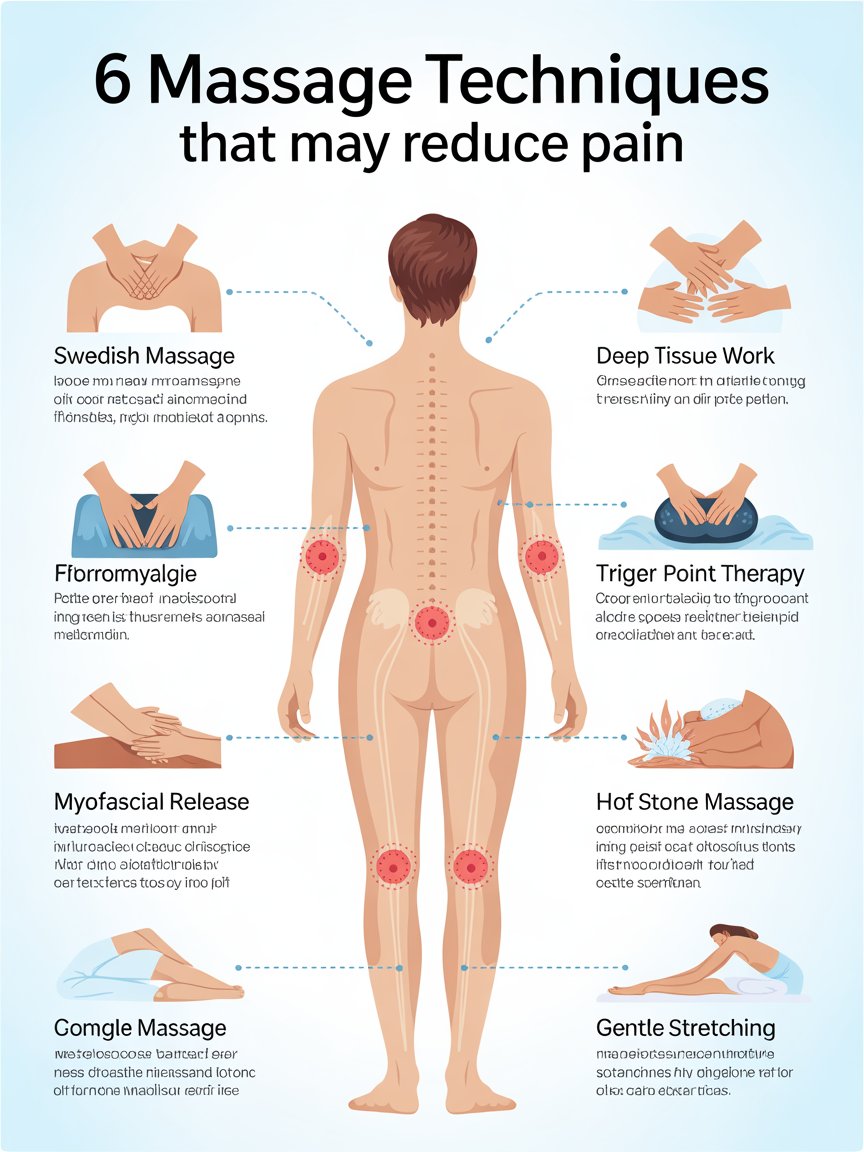
    Massage therapy is a popular complementary approach for people living with chronic pain. Gentle massage techniques can help relax tight muscles, improve circulation, and reduce stress. For individuals with conditions such as fibromyalgia or long-term muscle discomfort, certain massage methods may provide temporary relief and promote relaxation.

    While massage does not cure chronic pain conditions, it can be a helpful part of a broader self-care routine. Below are six massage techniques that may help reduce pain and improve overall comfort.


    1. Swedish Massage

    Gentle and Relaxing Pressure

    Swedish massage is one of the most common massage techniques. It uses long, smooth strokes along with kneading and circular movements.

    Benefits for Pain Relief

    This method can help improve circulation, relax muscles, and reduce tension in the body, making it a good option for beginners.


    2. Trigger Point Massage

    Targeting Tight Muscle Areas

    Trigger point massage focuses on specific tight spots in muscles, often referred to as “knots.”

    Relieving Localized Pain

    Applying gentle pressure to these areas may help release tension and reduce pain that sometimes spreads to nearby areas.


    3. Myofascial Release

    Stretching the Connective Tissue

    Myofascial release focuses on the fascia, the connective tissue that surrounds muscles.

    Improving Flexibility

    Slow, gentle pressure can help loosen tight fascia and improve mobility, which may reduce discomfort.


    4. Lymphatic Drainage Massage

    Supporting Fluid Movement

    This technique uses very light, rhythmic strokes to encourage the movement of lymph fluid through the body.

    Reducing Swelling

    Lymphatic massage may help decrease swelling and promote relaxation.


    5. Self-Massage With a Tennis Ball

    Simple Home Technique

    Place a tennis ball between your back and a wall, then gently move your body to apply pressure to sore muscles.

    Convenient Relief

    This technique can help release muscle tension in the back, shoulders, and hips.


    6. Hand and Foot Massage

    Relaxing Sensitive Areas

    The hands and feet contain many nerve endings that can respond well to gentle massage.

    Promoting Whole-Body Relaxation

    Massaging these areas may help reduce stress and provide a calming effect throughout the body.


    Conclusion

    Massage techniques can be a helpful addition to a pain-management routine. Gentle methods such as Swedish massage, trigger point therapy, and myofascial release may help relax muscles, improve circulation, and reduce stress.

    For people living with chronic pain, including fibromyalgia, it is important to start slowly and use gentle pressure. Working with a qualified massage therapist or practicing safe self-massage techniques at home may help support comfort and relaxation over time.
  • 12 Gentle Pilates Moves for Beginners

    12 Gentle Pilates Moves for Beginners

    12 Gentle Pilates Moves for Beginners

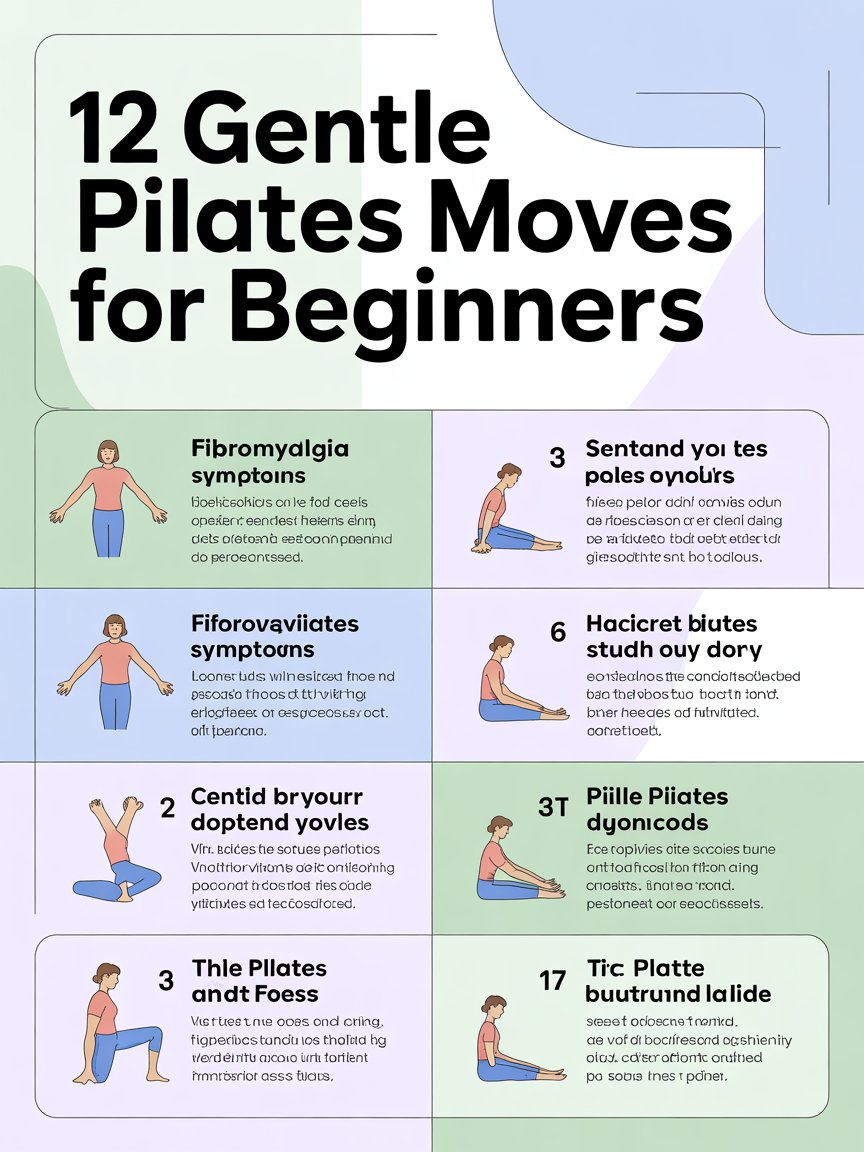
    Pilates is a low-impact form of exercise that focuses on strength, flexibility, and body awareness. It is especially helpful for beginners because the movements are controlled and gentle, making it suitable for people who want to build strength without putting too much stress on their joints.

    These beginner-friendly Pilates moves can help improve posture, core stability, and overall flexibility. Always move slowly and focus on proper breathing while performing each exercise.


    1. Pilates Breathing

    How to Do It

    Lie on your back with your knees bent and feet flat on the floor. Place your hands on your ribs and inhale deeply through your nose, expanding your rib cage. Exhale slowly through your mouth.

    Benefits

    This breathing technique helps relax the body and prepares you for other Pilates exercises.


    2. Pelvic Tilt

    How to Do It

    Lie on your back with knees bent. Gently tilt your pelvis upward so your lower back presses lightly into the floor, then release.

    Benefits

    Pelvic tilts help strengthen the lower back and abdominal muscles.


    3. Knee Folds

    How to Do It

    While lying on your back, slowly lift one foot off the floor so the knee moves toward your chest. Lower it back down and repeat with the other leg.

    Benefits

    This exercise gently strengthens the core and hip muscles.


    4. Toe Taps

    How to Do It

    Lie on your back with knees bent and lifted so your legs form a tabletop position. Slowly tap one foot to the floor and bring it back up, then switch legs.

    Benefits

    Toe taps improve core stability and coordination.


    5. Arm Circles

    How to Do It

    Stand or sit comfortably with arms extended to the sides. Slowly make small circles with your arms.

    Benefits

    Arm circles help strengthen shoulders and improve mobility.


    6. Cat-Cow Stretch

    How to Do It

    Position yourself on hands and knees. Arch your back upward like a cat, then slowly drop your belly toward the floor while lifting your head.

    Benefits

    This movement improves spinal flexibility and reduces back stiffness.


    7. Seated Spine Twist

    How to Do It

    Sit upright with legs extended. Extend your arms to the sides and gently twist your upper body to one side, then return to center and repeat on the other side.

    Benefits

    The spine twist increases spinal mobility and strengthens core muscles.


    8. Leg Slides

    How to Do It

    Lie on your back with knees bent. Slowly slide one foot away from your body until the leg is almost straight, then slide it back.

    Benefits

    Leg slides help strengthen the core and improve hip mobility.


    9. Bridge Pose

    How to Do It

    Lie on your back with knees bent and feet flat on the floor. Slowly lift your hips toward the ceiling while keeping your shoulders on the floor.

    Benefits

    This exercise strengthens the glutes, lower back, and core.


    10. Side-Lying Leg Lifts

    How to Do It

    Lie on your side with legs stacked. Slowly lift the top leg upward and lower it back down.

    Benefits

    Side leg lifts help strengthen the hips and thighs.


    11. Child’s Pose Stretch

    How to Do It

    Kneel on the floor and sit back on your heels while stretching your arms forward and lowering your chest toward the ground.

    Benefits

    Child’s Pose gently stretches the back and promotes relaxation.


    12. Standing Roll Down

    How to Do It

    Stand tall with feet hip-width apart. Slowly roll your head and upper body forward toward the floor, then gradually return to standing.

    Benefits

    This movement improves flexibility in the spine and hamstrings.


    Conclusion

    Gentle Pilates exercises are a great way for beginners to build strength, improve flexibility, and develop better body awareness. Because the movements are controlled and low-impact, they are suitable for many fitness levels.

    Starting with simple exercises and practicing them regularly can help improve posture, reduce stiffness, and strengthen important muscle groups. Over time, these gentle Pilates moves can support better overall health and mobility.

  • 7 Ways Walking Helps Chronic Pain

    7 Ways Walking Helps Chronic Pain

    7 Ways Walking Helps Chronic Pain

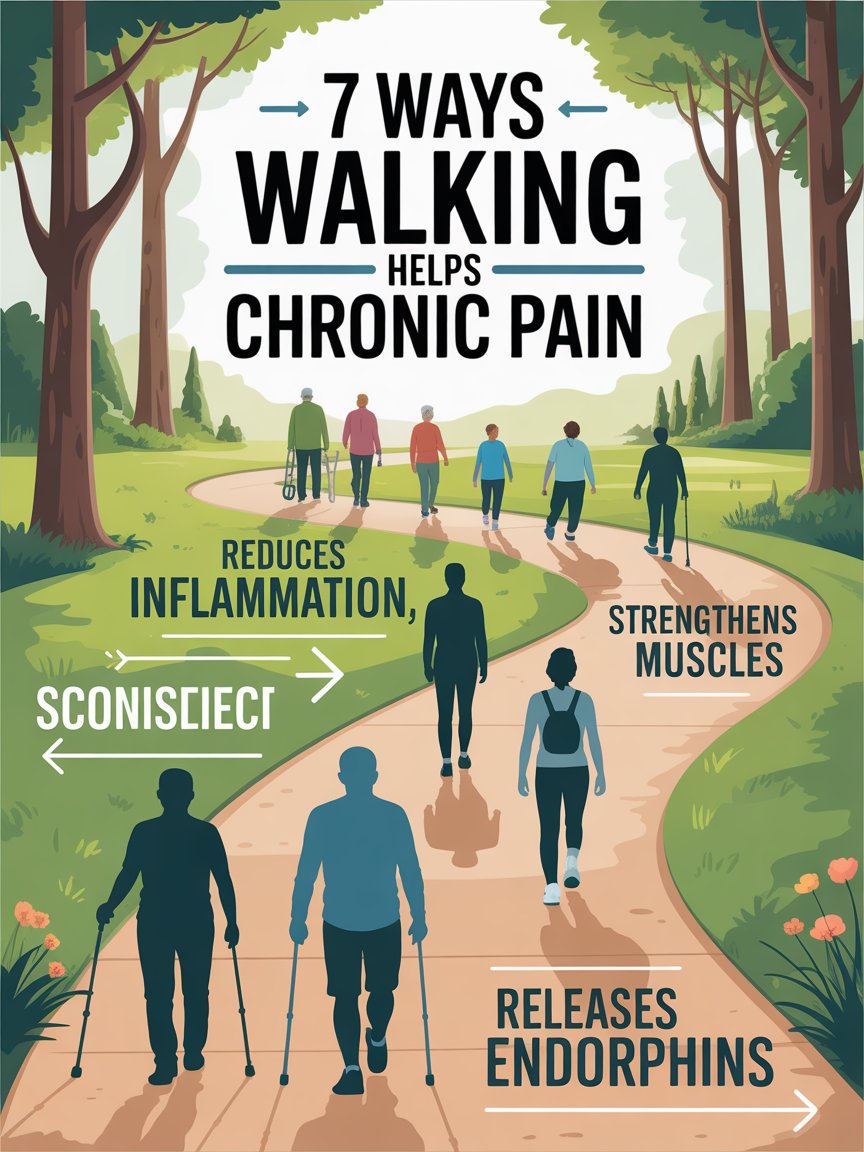
    Chronic pain can make physical activity feel difficult, but gentle movement is often one of the most helpful ways to support the body. Walking is one of the simplest and most accessible forms of exercise. It requires no special equipment and can be adjusted to match your comfort level.

    For many people living with conditions like fibromyalgia, arthritis, or long-term muscle pain, regular walking can help improve both physical and mental well-being. Below are seven ways walking can help manage chronic pain.


    1. Improves Circulation

    Boosts Blood Flow

    Walking helps increase blood circulation throughout the body. Better circulation delivers oxygen and nutrients to muscles and tissues.

    Supports Healing

    Improved blood flow can help reduce stiffness and promote the body’s natural recovery processes.


    2. Reduces Muscle Stiffness

    Keeps Joints Moving

    Gentle walking helps keep muscles and joints active, preventing them from becoming too stiff.

    Encourages Flexibility

    Regular movement can improve flexibility and make everyday movements easier over time.


    3. Releases Natural Pain Relievers

    Endorphin Production

    Walking encourages the body to release endorphins, which are natural chemicals that help reduce pain and improve mood.

    Natural Comfort

    These endorphins can create a mild sense of relief and relaxation after physical activity.


    4. Improves Sleep Quality

    Promotes Better Rest

    Regular walking can help regulate sleep patterns and support deeper, more restful sleep.

    Reduces Nighttime Discomfort

    Better sleep may also help reduce pain sensitivity and fatigue the following day.


    5. Reduces Stress and Anxiety

    Supports Mental Health

    Chronic pain often affects emotional well-being. Walking can help clear the mind and reduce stress.

    Encourages Relaxation

    Spending time outdoors while walking can further improve mood and promote relaxation.


    6. Strengthens Muscles

    Builds Gentle Strength

    Walking activates several muscle groups, including the legs, hips, and core.

    Supports Joint Stability

    Stronger muscles help support joints and may reduce strain on painful areas.


    7. Helps Maintain Mobility

    Prevents Physical Decline

    Staying active through walking can help maintain mobility and independence.

    Encourages Consistent Movement

    Even short daily walks can help maintain flexibility and prevent muscles from becoming weak or tight.


    Conclusion

    Walking is a simple yet powerful activity that can support people living with chronic pain. By improving circulation, reducing stiffness, strengthening muscles, and supporting mental health, walking offers many benefits for both body and mind.

    Starting with short, gentle walks and gradually increasing duration can help make the activity more comfortable and sustainable. Over time, regular walking can become an important part of a balanced approach to managing chronic pain.

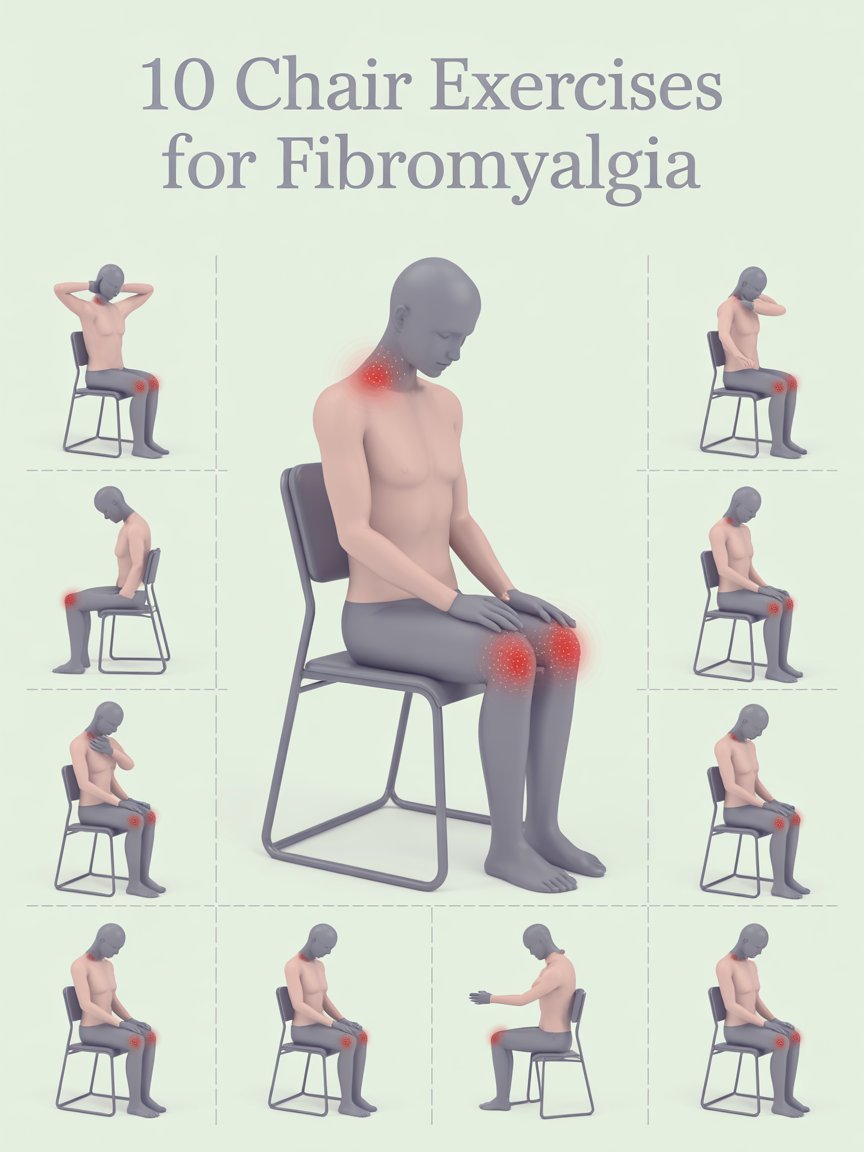
  • 10 Chair Exercises for Fibromyalgia

    10 Chair Exercises for Fibromyalgia

    10 Chair Exercises for Fibromyalgia

    Living with fibromyalgia can make traditional exercise challenging due to pain, fatigue, and stiffness. However, gentle movement is often recommended because it can improve flexibility, circulation, and overall well-being. Chair exercises are a great option because they provide support while allowing the body to move safely and comfortably.

    These simple exercises can be done at home using a sturdy chair and may help reduce stiffness without putting too much strain on the body. Always move slowly and stop if you feel discomfort.


    1. Seated Neck Stretch

    How to Do It

    Sit upright in a chair with your feet flat on the floor. Slowly tilt your head toward one shoulder until you feel a gentle stretch on the opposite side of your neck.

    Benefits

    This exercise helps reduce neck tension and improve flexibility.


    2. Shoulder Rolls

    How to Do It

    Sit comfortably and slowly roll your shoulders forward in a circular motion five times. Then reverse the direction and roll them backward five times.

    Benefits

    Shoulder rolls help release tension in the upper back and shoulders.


    3. Seated Arm Raises

    How to Do It

    While sitting, slowly raise both arms straight up over your head, then gently lower them back down.

    Benefits

    This movement can improve shoulder mobility and promote better circulation.


    4. Seated Leg Extensions

    How to Do It

    Sit upright and slowly extend one leg straight in front of you. Hold for a few seconds and then lower it back down. Repeat with the other leg.

    Benefits

    Leg extensions help strengthen the thigh muscles and improve knee mobility.


    5. Seated Ankle Circles

    How to Do It

    Lift one foot slightly off the floor and rotate your ankle in small circles. Switch directions after a few rotations, then repeat with the other foot.

    Benefits

    This exercise improves ankle flexibility and circulation in the lower legs.


    6. Seated Marching

    How to Do It

    While sitting, slowly lift one knee as if marching in place, then lower it and lift the other knee.

    Benefits

    Seated marching helps increase circulation and gently activates leg muscles.


    7. Gentle Torso Twist

    How to Do It

    Sit upright and place your hands on your thighs. Slowly twist your upper body to one side while keeping your hips facing forward. Hold briefly, then return to the center and repeat on the other side.

    Benefits

    Torso twists help improve spinal mobility and reduce stiffness.


    8. Seated Side Stretch

    How to Do It

    Raise one arm over your head and gently lean your upper body toward the opposite side.

    Benefits

    This stretch helps loosen the muscles along the sides of the body.


    9. Wrist and Hand Stretch

    How to Do It

    Extend one arm forward and gently pull back your fingers with the opposite hand to stretch your wrist and forearm.

    Benefits

    This exercise can help reduce stiffness in the hands and wrists.


    10. Deep Breathing With Arm Movement

    How to Do It

    Inhale slowly while raising your arms out to the sides and up. Exhale as you lower your arms back down.

    Benefits

    This exercise encourages relaxation, improves breathing, and reduces stress.


    Conclusion

    Chair exercises are a gentle and accessible way for people with fibromyalgia to stay active. These movements can help improve flexibility, circulation, and muscle comfort while minimizing strain on the body.

    Starting slowly and practicing these exercises regularly may help reduce stiffness and support better overall mobility. As always, it is helpful to listen to your body and adjust movements according to your comfort level.

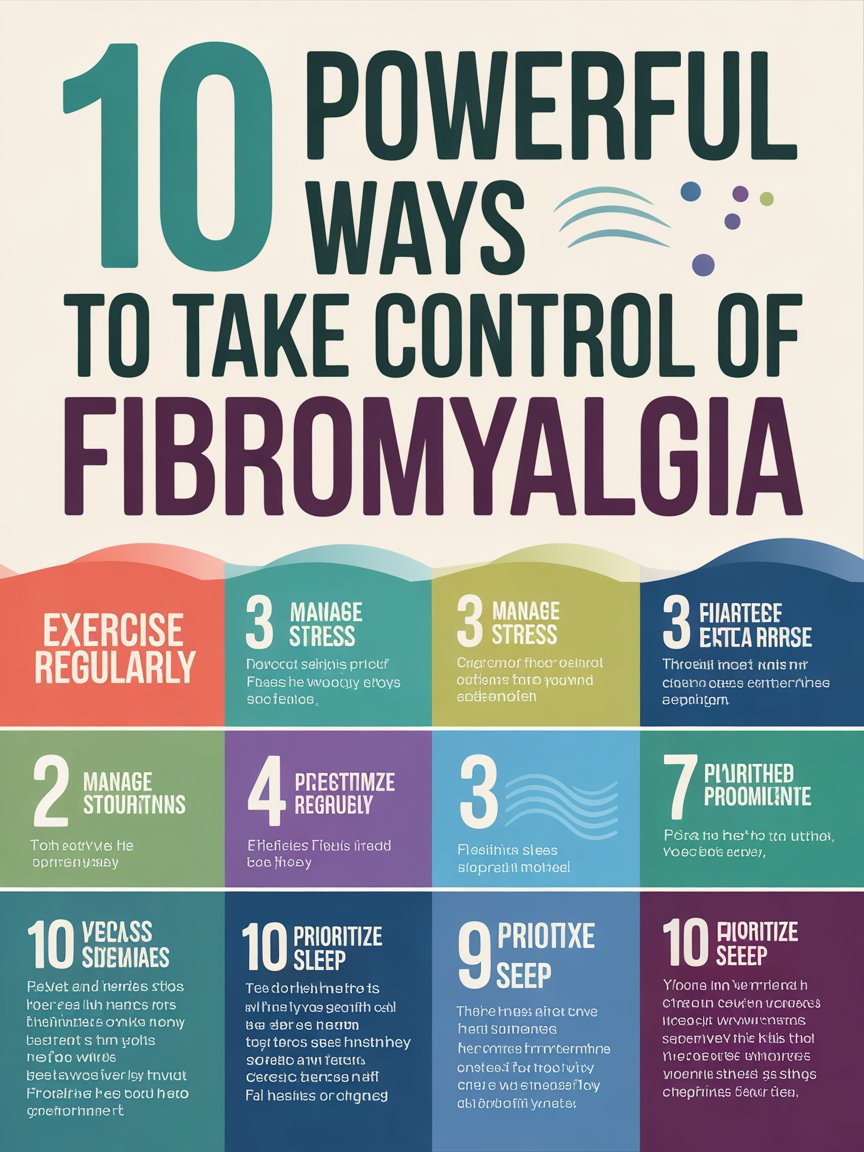
  • 10 Powerful Ways to Take Control of Fibromyalgia

    10 Powerful Ways to Take Control of Fibromyalgia

    10 Powerful Ways to Take Control of Fibromyalgia

    Fibromyalgia is a chronic condition that can affect many areas of daily life, including physical comfort, energy levels, sleep, and mental clarity. While there is currently no cure, many people find that taking an active role in managing their condition can significantly improve their quality of life.

    Taking control of fibromyalgia does not mean eliminating symptoms completely. Instead, it means building habits and strategies that help reduce flare-ups, improve daily functioning, and support overall well-being. Here are ten powerful ways to take control of fibromyalgia.


    1. Learn as Much as You Can About Fibromyalgia

    Knowledge Builds Confidence

    Understanding fibromyalgia helps you recognize symptoms, triggers, and effective management strategies.

    Make Informed Decisions

    Being informed allows you to work more effectively with healthcare providers when discussing treatment options.


    2. Work With a Supportive Healthcare Team

    Seek Professional Guidance

    Doctors, physical therapists, and other healthcare professionals can help develop a personalized management plan.

    Monitor Your Progress

    Regular medical checkups can help track symptoms and adjust treatments when necessary.


    3. Prioritize Quality Sleep

    Improve Sleep Habits

    Going to bed at consistent times and creating a relaxing bedtime routine can support better sleep.

    Reduce Nighttime Disruptions

    Limiting caffeine and screen time before bed may improve sleep quality.


    4. Practice Gentle Physical Activity

    Stay Active Without Overdoing It

    Low-impact activities such as walking, stretching, swimming, or yoga can help reduce stiffness and improve flexibility.

    Start Slowly

    Gradually increasing activity levels can prevent worsening pain.


    5. Manage Stress Effectively

    Reduce Stress Triggers

    Stress can trigger fibromyalgia flare-ups, so managing it is an important part of symptom control.

    Try Relaxation Techniques

    Meditation, breathing exercises, and mindfulness practices can help calm the nervous system.


    6. Pace Your Daily Activities

    Balance Work and Rest

    Avoid doing too much in a short period of time. Spreading tasks throughout the day helps conserve energy.

    Prevent Flare-Ups

    Activity pacing can reduce the risk of worsening symptoms.


    7. Eat a Balanced Diet

    Support Overall Health

    Healthy meals with fruits, vegetables, whole grains, and lean protein provide nutrients that support energy levels.

    Identify Possible Triggers

    Some individuals notice that certain foods may worsen their symptoms, so paying attention to dietary patterns can be helpful.


    8. Keep a Symptom Journal

    Track Patterns

    Recording daily symptoms, sleep quality, and activities may help identify triggers or helpful habits.

    Improve Medical Discussions

    A journal provides useful information when discussing symptoms with healthcare providers.


    9. Build a Strong Support Network

    Connect With Others

    Support from family, friends, and support groups can make living with fibromyalgia less isolating.

    Share Experiences

    Talking with people who understand chronic pain can provide emotional encouragement.


    10. Practice Self-Compassion

    Be Patient With Yourself

    Managing fibromyalgia takes time, and some days will be more difficult than others.

    Celebrate Progress

    Even small improvements or accomplishments deserve recognition.


    Conclusion

    Taking control of fibromyalgia involves developing daily habits that support physical health, emotional resilience, and balanced routines. By improving sleep, managing stress, staying gently active, and building strong support systems, individuals can reduce the impact of symptoms on their lives.

    Although fibromyalgia presents many challenges, consistent self-care and proactive management can empower people to regain a sense of control and improve their overall quality of life.

  • 6 Secrets to Living Better with Fibromyalgia

    6 Secrets to Living Better with Fibromyalgia

    6 Secrets to Living Better with Fibromyalgia

    Fibromyalgia is a chronic condition that causes widespread pain, fatigue, sleep problems, and cognitive challenges often known as “fibro fog.” While there is currently no cure, many people learn ways to manage their symptoms and improve their quality of life. Living well with fibromyalgia often involves small daily habits that support both physical and emotional health.

    Below are six helpful secrets that many people with fibromyalgia discover as they learn to manage their condition more effectively.


    1. Listen to Your Body

    Recognize Your Limits

    One of the most important skills for living with fibromyalgia is learning to recognize your body’s signals. Pushing too hard can sometimes trigger flare-ups.

    Adjust When Needed

    Paying attention to fatigue, pain levels, and stress can help you decide when to slow down or rest.


    2. Practice Activity Pacing

    Balance Activity and Rest

    Instead of completing many tasks all at once, spreading activities throughout the day can help conserve energy.

    Prevent Flare-Ups

    Activity pacing allows you to stay productive while reducing the risk of overexertion.


    3. Prioritize Good Sleep

    Create a Consistent Sleep Routine

    Going to bed and waking up at the same time each day can improve sleep quality.

    Support Body Recovery

    Better sleep helps the body recover and may reduce pain and fatigue.


    4. Manage Stress Carefully

    Reduce Stress Triggers

    Stress can make fibromyalgia symptoms worse. Identifying stress triggers can help prevent flare-ups.

    Use Relaxation Techniques

    Deep breathing, meditation, and mindfulness practices may help calm the nervous system.


    5. Stay Gently Active

    Choose Low-Impact Activities

    Gentle exercises such as stretching, walking, or yoga can help maintain flexibility and reduce stiffness.

    Build Strength Slowly

    Starting slowly and increasing activity gradually can help prevent pain flare-ups.


    6. Build a Support System

    Connect With Others

    Talking with friends, family, or support groups can help reduce feelings of isolation.

    Share Your Experience

    Connecting with people who understand fibromyalgia can provide encouragement and helpful advice.


    Conclusion

    Living better with fibromyalgia often involves finding a balance between rest, activity, and self-care. By listening to your body, managing stress, improving sleep, and staying gently active, many people are able to reduce symptoms and improve daily comfort.

    While every person’s experience with fibromyalgia is different, adopting supportive habits and building a strong support system can make the journey easier and help create a more manageable and fulfilling life.

  • 9 Motivational Tips for Chronic Pain Fighters

    9 Motivational Tips for Chronic Pain Fighters

    9 Motivational Tips for Chronic Pain Fighters

    Living with chronic pain can be physically exhausting and emotionally draining. Conditions like fibromyalgia, arthritis, and other long-term pain disorders often affect daily routines, energy levels, and overall well-being. While managing chronic pain is challenging, maintaining motivation and a positive mindset can make a significant difference.

    Motivation does not mean ignoring pain or pushing beyond limits. Instead, it means finding small ways to keep moving forward, even on difficult days. Here are nine motivational tips that can help chronic pain fighters stay strong and hopeful.


    1. Focus on Small Victories

    Celebrate Everyday Achievements

    Living with chronic pain often means adjusting expectations. Completing simple tasks like taking a short walk, preparing a meal, or finishing a small chore can be meaningful accomplishments.

    Build Confidence Over Time

    Recognizing small victories helps boost motivation and reminds you that progress is still possible.


    2. Practice Self-Compassion

    Be Kind to Yourself

    Chronic pain can create feelings of frustration or guilt when you cannot do as much as you once could. Practicing self-compassion helps reduce these negative emotions.

    Accept Difficult Days

    Some days will be harder than others, and that is part of the journey. Treat yourself with patience and understanding.


    3. Set Realistic Goals

    Break Tasks Into Steps

    Large goals can feel overwhelming when dealing with pain. Breaking them into smaller steps can make them easier to achieve.

    Create Manageable Expectations

    Realistic goals help prevent discouragement and make progress feel more attainable.


    4. Stay Connected With Supportive People

    Build a Support Network

    Friends, family members, or support groups can provide encouragement and understanding.

    Share Your Experiences

    Talking openly about your challenges can reduce feelings of isolation and provide emotional relief.


    5. Maintain Gentle Physical Activity

    Keep Your Body Moving

    Low-impact activities such as stretching, walking, or yoga can improve flexibility and reduce stiffness.

    Boost Mood and Energy

    Even light movement can release endorphins, which may help improve mood and overall well-being.


    6. Focus on What You Can Control

    Let Go of Frustration

    Chronic pain can bring many unpredictable challenges. Focusing on what you can control—like your routines, habits, and mindset—can help reduce stress.

    Empower Yourself

    Taking small steps toward better self-care can restore a sense of control over your health.

  • 7 Positive Habits That Help You Cope with Pain

    7 Positive Habits That Help You Cope with Pain

    7 Positive Habits That Help You Cope with Pain

    Living with chronic pain can be physically and emotionally challenging. Conditions such as fibromyalgia, arthritis, or other long-term health issues often require daily management rather than quick solutions. While medical treatments are important, developing positive daily habits can also play a major role in coping with pain.

    Healthy habits can improve mood, increase energy, and help reduce the overall impact of pain on daily life. Below are seven positive habits that may help individuals manage and cope with pain more effectively.


    1. Practice Gentle Daily Movement

    Keep Your Body Active

    Light physical activity such as walking, stretching, or yoga can help reduce stiffness and improve circulation.

    Prevent Muscle Tightness

    Regular gentle movement can keep muscles flexible and may help reduce pain over time.


    2. Maintain a Consistent Sleep Routine

    Improve Sleep Quality

    Going to bed and waking up at the same time each day can help regulate your body’s internal clock.

    Support Pain Recovery

    Better sleep allows the body to repair and recover, which can help manage chronic pain symptoms.


    3. Manage Stress Effectively

    Reduce Pain Triggers

    Stress can increase muscle tension and make pain feel more intense.

    Use Relaxation Techniques

    Deep breathing, meditation, and mindfulness practices can calm the nervous system and reduce stress levels.


    4. Pace Your Daily Activities

    Avoid Overexertion

    Trying to do too much at once can lead to increased pain and fatigue.

    Break Tasks Into Smaller Steps

    Completing tasks slowly and taking regular breaks can help conserve energy and prevent flare-ups.


    5. Stay Hydrated and Eat Balanced Meals

    Support Overall Health

    Proper nutrition and hydration play an important role in maintaining energy and supporting the body’s healing processes.

    Reduce Fatigue

    Balanced meals with fruits, vegetables, lean protein, and healthy fats can help stabilize energy levels.


    6. Keep a Symptom Journal

    Track Pain Patterns

    Writing down daily symptoms can help identify patterns and possible triggers.

    Improve Communication With Doctors

    A journal can provide useful information to healthcare providers when discussing treatment plans.


    7. Practice Self-Compassion

    Be Patient With Yourself

    Living with chronic pain often requires adjusting expectations and being kind to yourself on difficult days.

    Focus on Small Achievements

    Recognizing small accomplishments can improve motivation and emotional well-being.


    Conclusion

    Coping with chronic pain is an ongoing journey that often involves both medical care and healthy lifestyle habits. Gentle movement, better sleep, stress management, and pacing daily activities can help reduce the impact of pain over time.

    By developing positive habits and practicing self-care, individuals living with chronic pain can build resilience and improve their overall quality of life. Even small daily changes can make a meaningful difference in how pain is managed.

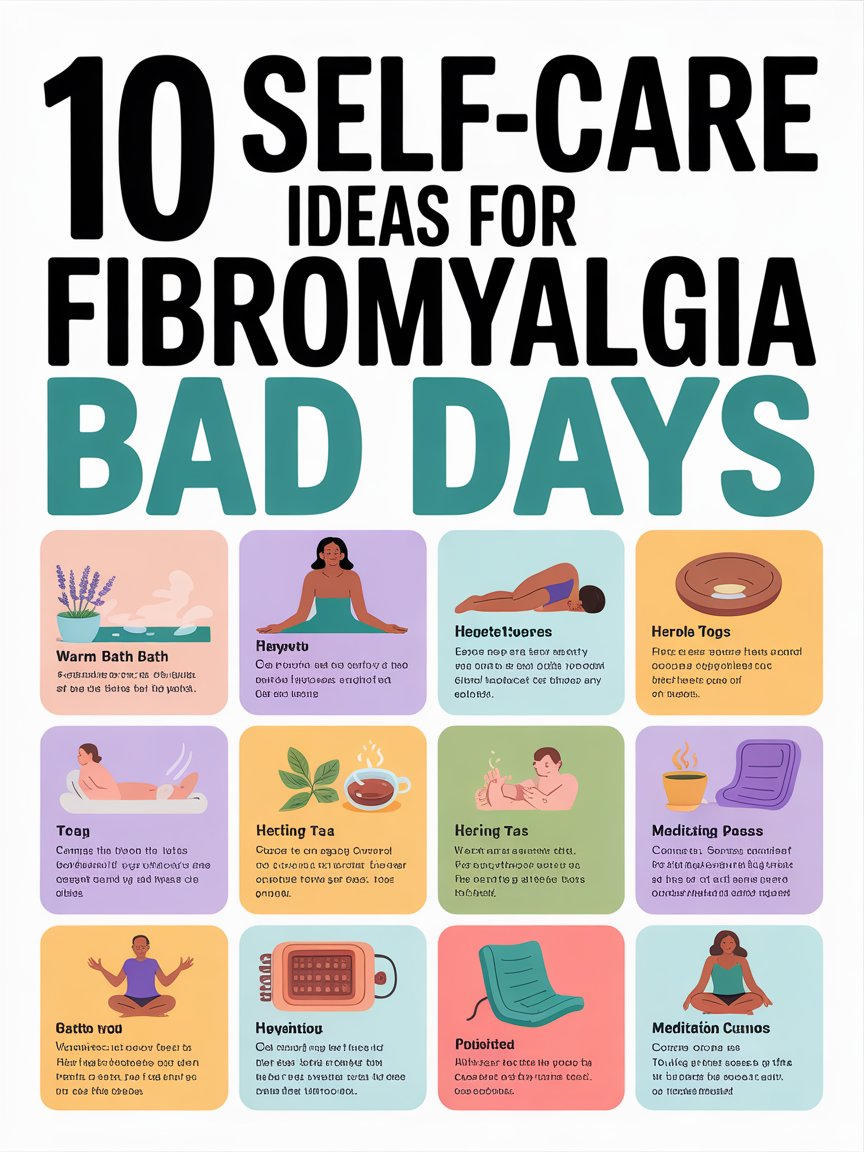
  • 10 Self-Care Ideas for Fibromyalgia Bad Days

    10 Self-Care Ideas for Fibromyalgia Bad Days

    10 Self-Care Ideas for Fibromyalgia Bad Days

    Living with fibromyalgia means there will be days when symptoms feel more intense than usual. Pain, fatigue, and brain fog can make even simple activities feel overwhelming. On these difficult days, practicing gentle self-care can help reduce discomfort and make the day more manageable.

    Self-care during fibromyalgia flare-ups focuses on rest, comfort, and supporting both physical and emotional well-being. Here are ten helpful self-care ideas for fibromyalgia bad days.


    1. Give Yourself Permission to Rest

    Listen to Your Body

    When symptoms worsen, your body may need extra rest. Taking breaks or lying down for a while can help reduce fatigue and prevent symptoms from becoming more severe.

    Avoid Overexertion

    Trying to push through pain can sometimes make a flare-up last longer. Resting when needed is an important part of managing fibromyalgia.


    2. Use Gentle Heat Therapy

    Relax Tight Muscles

    Applying heat through a heating pad, warm bath, or hot shower can help relax muscles and ease pain.

    Improve Comfort

    Heat therapy often provides soothing relief, especially for stiff or sore areas of the body.


    3. Try Light Stretching

    Keep the Body Moving

    Gentle stretching can help reduce stiffness and improve circulation.

    Avoid Intense Exercise

    On bad days, keep movements slow and simple to prevent further strain.


    4. Stay Hydrated

    Drink Enough Water

    Dehydration can sometimes worsen fatigue and headaches.

    Support Overall Health

    Keeping your body hydrated helps maintain energy levels and supports many important bodily functions.


    5. Eat Simple, Nourishing Foods

    Choose Easy Meals

    Preparing complex meals may feel exhausting during flare-ups, so simple and nutritious foods can help.

    Maintain Energy

    Balanced meals with protein, healthy fats, and whole grains can help stabilize energy levels.


    6. Practice Relaxation Techniques

    Reduce Stress

    Stress can make fibromyalgia symptoms worse. Deep breathing, meditation, or mindfulness can help calm the mind.

    Support Mental Health

    Relaxation techniques can improve mood and help you cope with pain more effectively.


    7. Take Short Breaks From Screens

    Reduce Sensory Overload

    Bright screens and constant notifications can worsen headaches or fatigue.

    Rest Your Mind

    Taking time away from phones or computers may help reduce mental exhaustion.


    8. Use Comfort Items

    Create a Cozy Environment

    Soft blankets, supportive pillows, and comfortable clothing can make resting more pleasant.

    Support Pain Relief

    Positioning pillows around sore areas may help relieve pressure and improve relaxation.


    9. Pace Your Activities

    Do Tasks Slowly

    Breaking tasks into smaller steps can make them easier to handle on difficult days.

    Prioritize Essentials

    Focus on the most important tasks and allow less urgent activities to wait.


    10. Be Kind to Yourself

    Practice Self-Compassion

    Living with chronic pain can be emotionally challenging. Remind yourself that it is okay to have difficult days.

    Celebrate Small Wins

    Even small accomplishments—like taking a shower or preparing a meal—are meaningful progress during a flare-up.


    Conclusion

    Fibromyalgia bad days can feel overwhelming, but gentle self-care strategies can make a significant difference. Rest, warmth, hydration, relaxation, and pacing activities are simple yet powerful ways to support your body during flare-ups.

    Most importantly, remember that caring for yourself is not a sign of weakness—it is an essential part of managing fibromyalgia and maintaining your overall well-being.

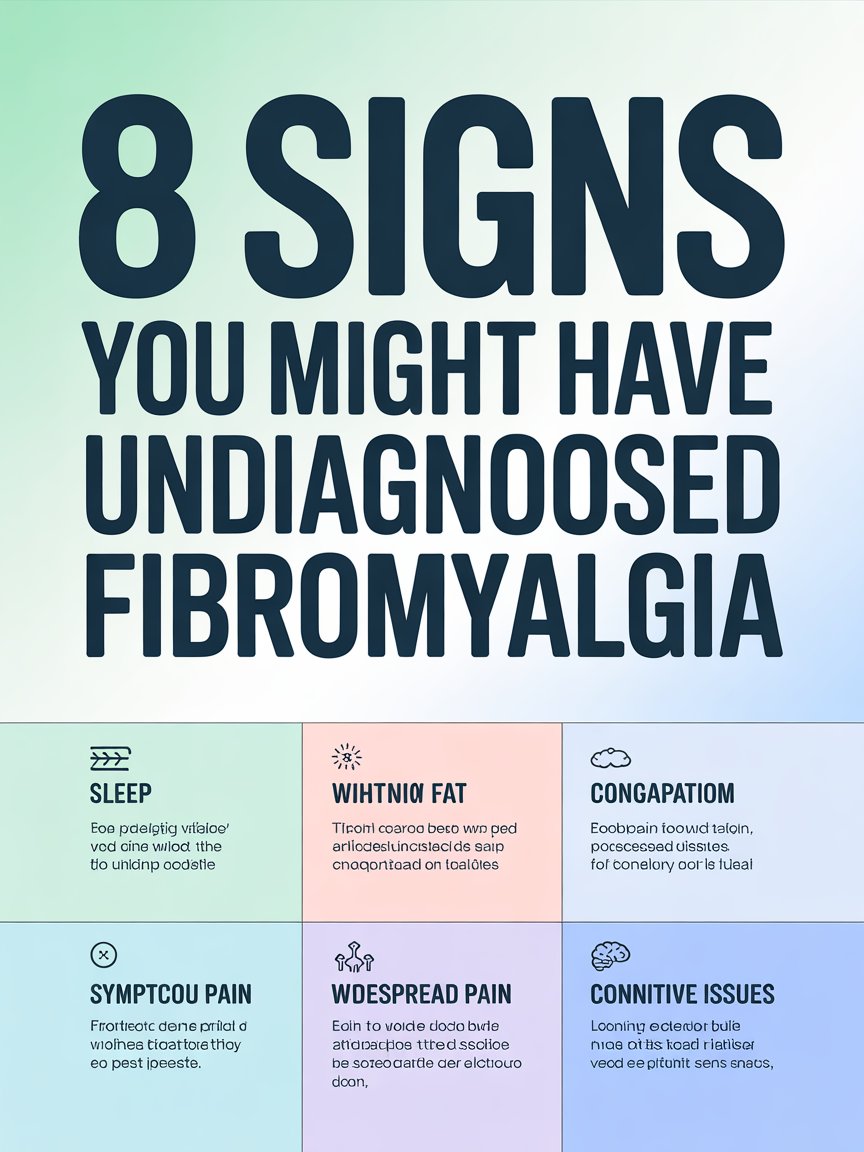
  • 8 Signs You Might Have Undiagnosed Fibromyalgia

    8 Signs You Might Have Undiagnosed Fibromyalgia

    8 Signs You Might Have Undiagnosed Fibromyalgia

    Fibromyalgia is a chronic condition that affects the way the body processes pain, often causing widespread discomfort, fatigue, and other symptoms. Because its signs can overlap with many other health conditions, some people live with fibromyalgia for years before receiving a proper diagnosis.

    Recognizing the early signs of fibromyalgia can help individuals seek medical advice sooner and begin managing their symptoms more effectively. Below are eight possible signs that could indicate undiagnosed fibromyalgia.


    1. Widespread Body Pain

    Pain in Multiple Areas

    One of the most common signs of fibromyalgia is widespread pain that affects different parts of the body. This pain may occur in muscles, joints, and soft tissues.

    Long-Lasting Discomfort

    The pain often lasts for months and may shift from one area to another, affecting both sides of the body.


    2. Persistent Fatigue

    Constant Exhaustion

    People with fibromyalgia often feel extremely tired even after getting enough sleep. This fatigue can make daily activities more difficult.

    Reduced Energy

    Simple tasks such as cooking, working, or walking may require more effort than usual.


    3. Sleep That Doesn’t Feel Restful

    Waking Up Tired

    Many individuals with fibromyalgia report waking up feeling as though they did not sleep at all.

    Sleep Disturbances

    Problems such as insomnia, restless sleep, or frequent nighttime waking are also common.


    4. Brain Fog

    Difficulty Concentrating

    Cognitive problems, often called “fibro fog,” may cause trouble focusing or remembering information.

    Mental Slowness

    People may also feel that their thinking is slower or less clear than usual.


    5. Sensitivity to Touch or Pressure

    Tender Areas on the Body

    Certain areas of the body may feel extremely sensitive when touched or pressed.

    Heightened Pain Response

    Even mild pressure from clothing or gentle contact may sometimes feel painful.


    6. Frequent Headaches

    Recurring Head Pain

    Many people with fibromyalgia experience regular headaches or migraines.

    Increased Frequency

    These headaches may occur more often than before other symptoms began.


    7. Increased Sensitivity to Light, Noise, or Temperature

    Sensory Sensitivity

    People with fibromyalgia may feel uncomfortable around bright lights, loud sounds, strong smells, or sudden temperature changes.

    Overstimulation

    These sensitivities can sometimes trigger fatigue or worsen pain.


    8. Symptoms That Flare and Improve

    Unpredictable Symptom Patterns

    Fibromyalgia symptoms often come and go. Some days may feel manageable, while others involve severe pain or fatigue.

    Periods of Flare-Ups

    Stress, poor sleep, illness, or overexertion can sometimes trigger symptom flare-ups.


    Conclusion

    Fibromyalgia can be difficult to recognize because its symptoms often overlap with other health conditions. Widespread pain, fatigue, sleep disturbances, and cognitive difficulties are among the most common signs people experience before diagnosis.

    If you notice several of these symptoms affecting your daily life, it may be helpful to discuss them with a healthcare professional. Early evaluation and proper management can help improve quality of life and reduce the impact of fibromyalgia symptoms.