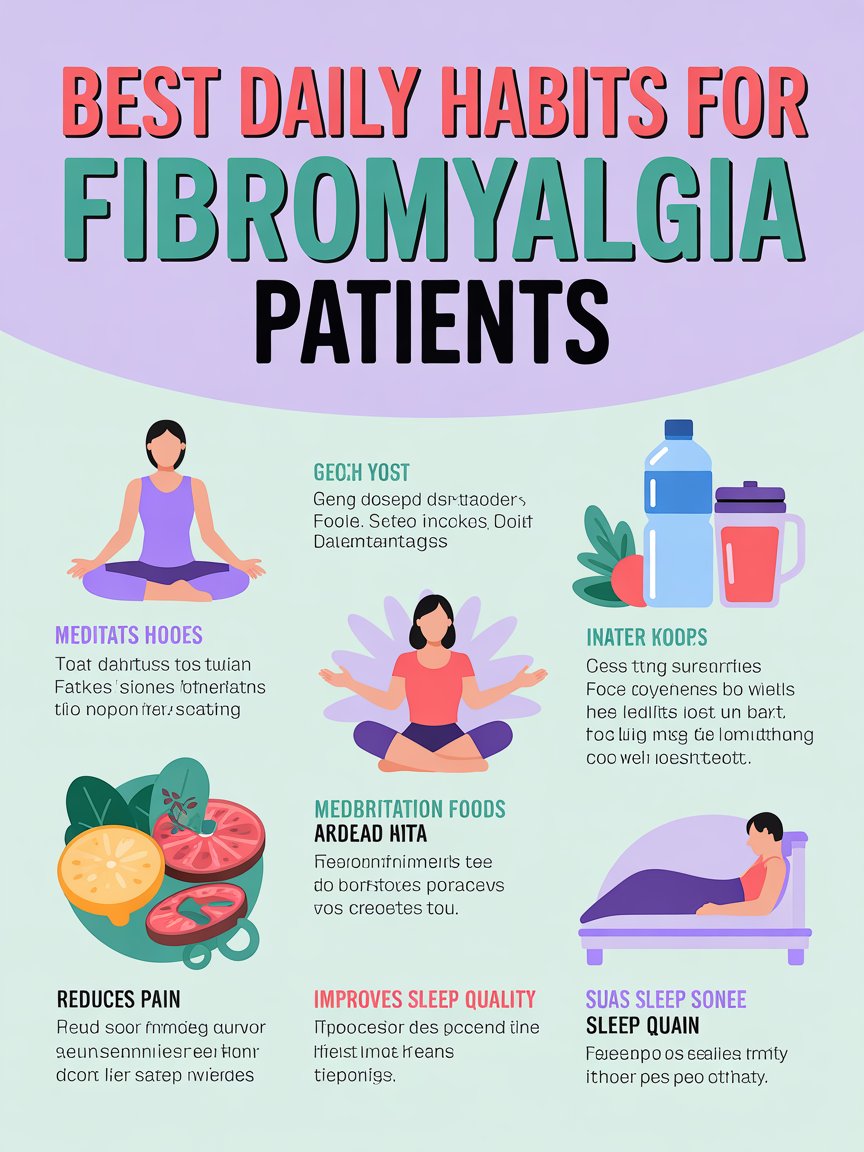
Best Daily Habits for Fibromyalgia Patients
1. Understanding the Importance of Daily Habits
Living with Fibromyalgia can be challenging because symptoms such as widespread pain, fatigue, and sleep disturbances often affect daily life. Establishing healthy daily habits can help individuals manage symptoms more effectively. Small, consistent lifestyle choices can reduce flare-ups and improve overall well-being.
2. Starting the Day With Gentle Movement
Many people with fibromyalgia experience stiffness in the morning. Beginning the day with gentle stretching or light movement can help loosen tight muscles and improve circulation. Simple stretches or slow movements can gradually prepare the body for daily activities.
3. Maintaining a Consistent Sleep Routine
Quality sleep is essential for managing fibromyalgia symptoms. Going to bed and waking up at the same time each day helps regulate the body’s internal clock. A consistent sleep routine can reduce fatigue and support better physical and mental health.
4. Practicing Light Daily Exercise
Regular, low-impact exercise can help reduce pain and improve flexibility. Activities such as walking, swimming, or light yoga can strengthen muscles without putting excessive stress on the body. Consistent movement also helps improve energy levels over time.
5. Eating Balanced and Nutritious Meals
A healthy diet can support the body’s ability to manage chronic conditions like fibromyalgia. Eating balanced meals that include fruits, vegetables, whole grains, and lean proteins can provide the nutrients needed for muscle and nerve health. Proper nutrition also helps maintain stable energy levels throughout the day.
6. Staying Hydrated
Drinking enough water is an important habit for overall health. Hydration supports muscle function and helps reduce fatigue. Many fibromyalgia patients feel better when they maintain steady hydration during the day.
7. Managing Stress Effectively
Stress can worsen fibromyalgia symptoms and trigger flare-ups. Practicing relaxation techniques such as deep breathing, meditation, or mindfulness can help calm the nervous system. Reducing stress may also help ease muscle tension and pain.
8. Pacing Daily Activities
Overexertion can lead to increased pain and fatigue for people with fibromyalgia. Learning to pace activities and take regular breaks can help conserve energy. Balancing activity with rest is an important habit for long-term symptom management.
9. Creating a Comfortable Environment
A supportive and comfortable environment can make daily life easier for fibromyalgia patients. Using supportive pillows, ergonomic chairs, or comfortable bedding can help reduce strain on muscles and joints.
10. Using Heat for Muscle Relief
Heat therapy is often helpful for relieving muscle tension and stiffness. Warm baths, heating pads, or warm showers can relax muscles and improve blood circulation. Many patients use heat therapy as part of their daily routine.
11. Practicing Gentle Stretching Throughout the Day
Stretching at different times during the day can help prevent muscles from becoming too tight. Even short stretching breaks can improve flexibility and reduce discomfort. Consistency is key to maintaining muscle mobility.
12. Keeping Track of Symptoms
Maintaining a symptom journal can help individuals better understand their triggers and patterns. Recording sleep, diet, activity levels, and symptoms may reveal what helps or worsens fibromyalgia symptoms. This awareness can guide better daily habits.
13. Staying Connected With Support Systems
Living with a chronic condition can sometimes feel isolating. Staying connected with family, friends, or support groups can provide emotional encouragement. Support from others often makes it easier to cope with daily challenges.
14. Practicing Self-Care and Relaxation
Self-care is essential for maintaining both physical and emotional health. Activities such as reading, listening to calming music, or practicing relaxation exercises can help reduce stress and improve mood.
15. Building a Sustainable Lifestyle
Managing fibromyalgia is not about quick fixes but about building sustainable habits. Consistent sleep, gentle movement, healthy eating, and stress management all contribute to better long-term health. With the right daily habits, individuals living with fibromyalgia can improve their comfort and quality of life.
Leave a Reply