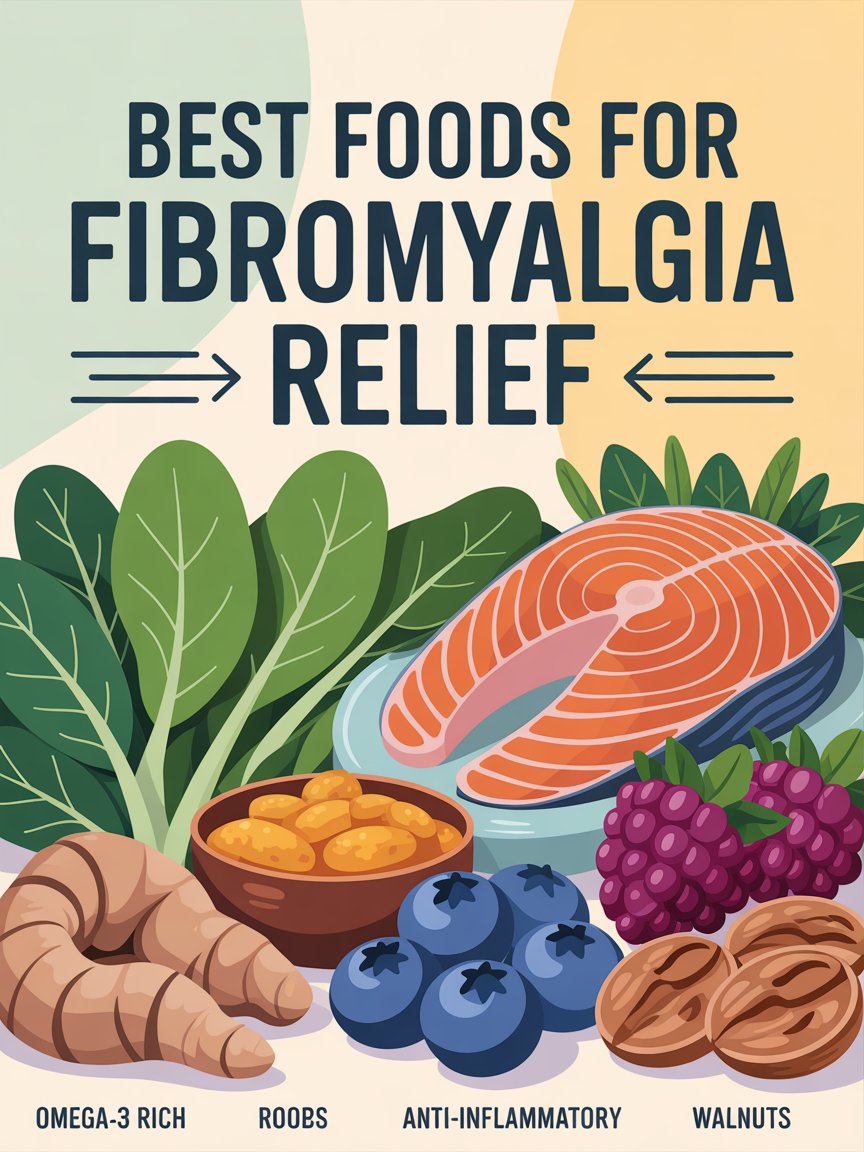
1. Understanding the Role of Diet in Fibromyalgia
Fibromyalgia is a chronic condition characterized by widespread pain, fatigue, and sleep disturbances. While diet cannot cure fibromyalgia, certain foods can help reduce inflammation, improve energy levels, and support overall health. Eating mindfully and choosing nutrient-rich foods can make daily symptoms more manageable.
2. Fresh Fruits for Antioxidants and Energy
Fruits like berries, apples, and citrus are rich in antioxidants and vitamins. Antioxidants help fight inflammation and protect the body from cellular damage. Eating fresh fruits regularly can support energy levels and promote overall well-being.
3. Vegetables for Vital Nutrients
Leafy greens, broccoli, and bell peppers provide essential vitamins and minerals such as magnesium, calcium, and vitamin C. These nutrients support muscle function and help reduce fatigue. Incorporating a variety of colorful vegetables ensures a wide range of nutrients.
4. Whole Grains for Steady Energy
Whole grains like brown rice, quinoa, oats, and whole wheat provide fiber and slow-releasing carbohydrates. These help stabilize blood sugar levels and maintain energy throughout the day. Avoiding refined grains can reduce energy crashes and irritability.
5. Lean Proteins for Muscle Health
Protein is essential for muscle repair and maintenance. Lean options such as fish, chicken, eggs, tofu, and legumes help reduce fatigue and support overall strength. Including moderate protein in each meal can keep energy levels steady and prevent muscle breakdown.
6. Fatty Fish for Omega-3 Fatty Acids
Salmon, mackerel, sardines, and other fatty fish are rich in omega-3 fatty acids. These healthy fats have anti-inflammatory properties that may help reduce pain and stiffness. Eating fatty fish two to three times a week can benefit people with fibromyalgia.
7. Nuts and Seeds for Healthy Fats
Almonds, walnuts, chia seeds, and flaxseeds provide omega-3 fatty acids, magnesium, and protein. These nutrients support muscle function, reduce inflammation, and provide long-lasting energy. Snack on nuts and seeds to boost nutrition without processed sugars.
8. Legumes for Fiber and Protein
Beans, lentils, and chickpeas are excellent plant-based protein sources and contain fiber to support digestion. Fiber helps maintain steady blood sugar levels and reduce digestive discomfort, which is common in fibromyalgia patients.
9. Low-Fat Dairy or Fortified Alternatives
Yogurt, milk, and fortified plant-based alternatives provide calcium and vitamin D, essential for bone and muscle health. These nutrients may help reduce muscle cramps and support overall strength. Choose low-fat options to avoid excess saturated fat.
10. Olive Oil for Anti-Inflammatory Benefits
Extra virgin olive oil is a healthy fat that can replace butter or margarine in cooking. Olive oil contains antioxidants and anti-inflammatory compounds that support heart health and may reduce fibromyalgia-related inflammation. Use it in salads, cooking, or drizzling over vegetables.
11. Herbs and Spices to Enhance Flavor and Health
Ginger, turmeric, garlic, and cinnamon have anti-inflammatory properties. Adding these to meals can support pain reduction and improve digestion. These natural flavors also help reduce the need for excess salt or sugar.
12. Hydration with Water and Herbal Teas
Proper hydration supports muscle function and reduces fatigue. Drinking enough water throughout the day prevents dehydration, which can worsen symptoms. Herbal teas like chamomile or peppermint may also provide relaxation and digestive benefits.
13. Limit Processed Foods and Sugar
Processed foods, fast food, and sugary snacks can increase inflammation and cause energy crashes. Limiting these foods helps maintain steady energy and may reduce flare-ups. Focus on whole, nutrient-dense foods for better symptom management.
14. Consider Anti-Inflammatory Diet Plans
Some people with fibromyalgia benefit from diets like the Mediterranean or plant-focused diets, which emphasize vegetables, fruits, lean proteins, and healthy fats. These diets reduce inflammation, improve digestion, and provide essential nutrients for muscle and nerve health.
15. Personalizing Your Diet for Relief
Everyone’s body reacts differently, so it’s important to notice which foods improve or worsen symptoms. Keeping a food diary can help identify triggers and beneficial foods. Combining a balanced, nutrient-rich diet with medical care can help manage fibromyalgia more effectively and improve overall quality of life.
Leave a Reply