Category: Latest

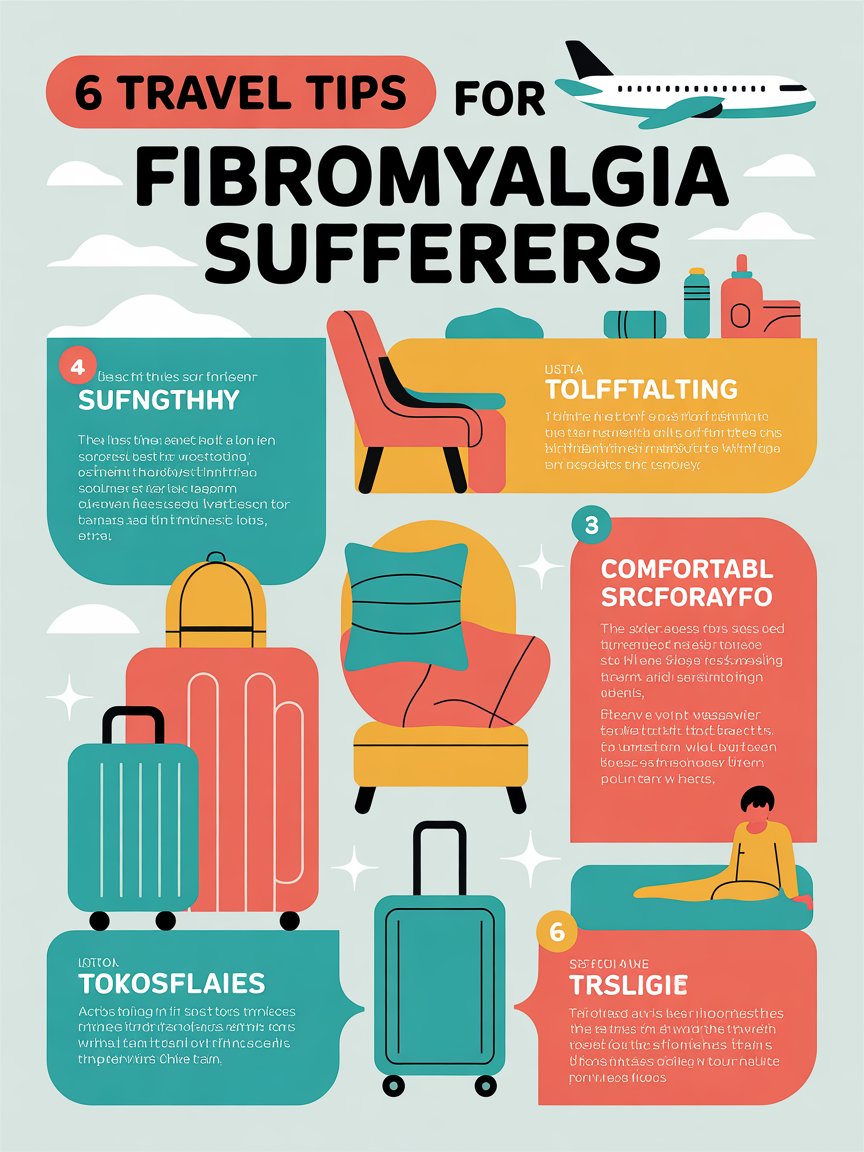
  • 6 Travel Tips for Fibromyalgia Sufferers

    6 Travel Tips for Fibromyalgia Sufferers

    Understanding Travel Challenges with Fibromyalgia

    Fibromyalgia often involves symptoms such as chronic pain, fatigue, stiffness, and sensitivity to stress or temperature changes. Traveling can disrupt sleep patterns and daily routines, which may worsen these symptoms. Being aware of these challenges allows travelers to plan in ways that protect their health and energy.

    The key to a successful trip is balancing activity with rest and avoiding situations that may trigger pain or exhaustion.

    1. Plan Your Trip Carefully

    Careful planning can make a significant difference when traveling with fibromyalgia. Choosing travel times that allow for enough rest and avoiding overly packed schedules can help reduce physical strain.

    Consider shorter travel segments, direct flights when possible, and accommodations that offer comfort and quiet. Planning ahead also reduces last-minute stress, which can trigger flare-ups.

    2. Pack Smart and Light

    Overpacking can lead to unnecessary physical strain. Carrying heavy luggage may worsen muscle pain and fatigue. Packing only essential items helps keep luggage manageable and easier to transport.

    Include comfort items such as medications, heating pads, comfortable clothing, and supportive shoes. These items can help manage symptoms if discomfort occurs during travel.

    3. Stay Hydrated and Eat Balanced Meals

    Hydration and nutrition play a major role in managing fibromyalgia symptoms. Traveling often disrupts normal eating habits, so planning healthy snacks and drinking enough water can help maintain energy levels.

    Foods rich in protein, healthy fats, and complex carbohydrates provide steady energy and help prevent fatigue during long trips.

    4. Take Regular Breaks and Stretch

    Sitting for long periods during flights or car rides can increase stiffness and pain. Taking regular breaks to move around can help improve circulation and reduce muscle tension.

    Gentle stretching or short walks during travel stops can prevent stiffness and help the body stay more relaxed throughout the journey.

    5. Protect Your Sleep Schedule

    Sleep disturbances are common for people with fibromyalgia, and traveling can make them worse. Maintaining a consistent sleep routine whenever possible helps reduce fatigue and pain.

    Bringing items like a neck pillow, eye mask, or earplugs can make it easier to rest during flights or in unfamiliar environments.

    6. Listen to Your Body and Pace Yourself

    One of the most important travel tips for fibromyalgia sufferers is learning to pace activities. Trying to do too much in one day can quickly lead to exhaustion or pain flare-ups.

    Plan sightseeing and activities with breaks in between, and allow time for rest if symptoms begin to increase.

    Choosing Comfortable Transportation

    When possible, choose travel options that provide comfort and flexibility. Seats with extra legroom, adjustable seating positions, or frequent rest stops can reduce pressure on muscles and joints.

    Comfortable transportation can significantly improve the overall travel experience for fibromyalgia sufferers.

    Preparing for Unexpected Flare-Ups

    Even with careful planning, flare-ups can sometimes happen during travel. Having a small symptom-management kit with medication, pain relief creams, or relaxation tools can help address discomfort quickly.

    Being prepared can reduce anxiety and allow travelers to manage symptoms more confidently.

    Reducing Travel Stress

    Stress is a common trigger for fibromyalgia symptoms. Practicing relaxation techniques such as deep breathing, meditation, or listening to calming music can help reduce travel-related stress.

    Staying calm and flexible during unexpected delays or schedule changes also helps prevent unnecessary tension in the body.

    Choosing the Right Accommodation

    Comfortable lodging plays an important role in managing fibromyalgia symptoms during travel. Look for accommodations with supportive beds, quiet environments, and easy accessibility.

    Having a comfortable place to rest at the end of the day helps the body recover from daily activities.

    Keep a Flexible Travel Schedule

    Rigid travel plans can create pressure and exhaustion. A flexible schedule allows travelers to adjust activities based on how they feel each day.

    Leaving room for rest and relaxation ensures that the trip remains enjoyable rather than overwhelming.

    Practice Gentle Movement

    Light movement such as walking, stretching, or gentle yoga can help reduce stiffness and maintain mobility while traveling. These activities improve circulation and can ease muscle tension caused by long periods of sitting.

    However, it is important to avoid overexertion and keep physical activity gentle and manageable.

    Focus on Enjoyment Rather Than Perfection

    Travel does not have to include constant sightseeing or busy schedules. Slowing down and focusing on meaningful experiences can make the journey more enjoyable and less physically demanding.

    Taking time to appreciate simple moments, such as relaxing scenery or a peaceful walk, can make travel fulfilling without exhausting the body.

    Final Thoughts

    Traveling with fibromyalgia may require extra preparation, but it is entirely possible to have a comfortable and enjoyable trip. By planning carefully, pacing activities, prioritizing rest, and listening to your body, travelers with fibromyalgia can explore new places while protecting their health.

    With the right strategies and mindset, travel can remain a positive and enriching experience, even while managing the challenges of fibromyalgia.
  • 9 Parenting Tips with Chronic Pain

    9 Parenting Tips with Chronic Pain

    Understanding the Challenges of Parenting with Chronic Pain

    Chronic pain can affect physical stamina, mood, and concentration. Some days may feel manageable, while others may bring intense discomfort or fatigue. Parents may worry about not being able to keep up with their children’s needs, but focusing on quality time rather than constant activity can make a meaningful difference.

    Children are often more understanding than parents expect. Honest communication and simple adjustments to routines can help families adapt in positive ways.

    1. Prioritize the Most Important Tasks

    When living with chronic pain, energy can be limited. Prioritizing essential tasks helps conserve energy for the things that matter most.

    Focus on activities that support your child’s well-being, such as meals, homework, and emotional connection. Less important chores can be postponed, simplified, or delegated when possible.

    2. Create Simple Daily Routines

    Consistent routines make parenting easier and reduce stress for both parents and children. When children know what to expect during the day, there is less pressure to constantly organize activities.

    Simple routines for meals, homework, and bedtime can create structure while allowing flexibility on days when pain levels are higher.

    3. Accept Help from Family and Friends

    Many parents with chronic pain feel pressure to do everything themselves. However, accepting help can make a significant difference in managing daily responsibilities.

    Family members, friends, or neighbors may be willing to assist with tasks such as school pickups, grocery shopping, or childcare during flare-ups. Allowing support can help reduce stress and preserve energy.

    4. Plan Low-Energy Activities with Your Children

    Spending time together does not always require physically demanding activities. Quiet, low-energy activities can still create strong family bonds.

    Reading books, watching movies, doing puzzles, drawing, or playing board games are meaningful ways to connect with children while conserving energy.

    5. Teach Children About Your Condition

    Age-appropriate communication can help children understand why their parent sometimes needs rest. Explaining that chronic pain affects the body but does not change the love you have for them can reassure children.

    This understanding can also encourage empathy and patience within the family.

    6. Break Tasks into Smaller Steps

    Large tasks can feel overwhelming when dealing with chronic pain. Breaking activities into smaller steps makes them more manageable.

    For example, instead of cleaning the entire house at once, focus on one room or one task at a time. Taking short breaks between tasks helps prevent exhaustion and pain flare-ups.

    7. Use Energy-Saving Strategies

    Energy conservation is important for parents with chronic pain. Using tools and strategies that simplify daily work can help reduce strain on the body.

    Examples include meal prepping, using grocery delivery services, keeping frequently used items within easy reach, and organizing the home to reduce unnecessary movement.

    8. Practice Self-Care Without Guilt

    Parents often put their children’s needs before their own, but self-care is essential when living with chronic pain. Taking time to rest, stretch, or relax helps the body recover and maintain energy levels.

    Self-care also improves emotional health, allowing parents to remain patient, calm, and present with their children.

    9. Focus on Quality Time Instead of Quantity

    Parenting is not measured by how many activities you can do in a day. Children value love, attention, and connection more than constant entertainment.

    Even short moments of focused attention—such as listening to your child’s story, sharing a laugh, or reading together—can strengthen your relationship.

    Building a Supportive Family Environment

    Creating a family culture of understanding and cooperation can make daily life easier. Encouraging teamwork within the household allows everyone to contribute in small ways, which reduces pressure on the parent experiencing chronic pain.

    Children often feel proud when they can help with simple responsibilities.

    Managing Difficult Days

    There will be days when chronic pain becomes more intense. Preparing for these moments can help reduce stress. Having easy meals prepared, quiet activities ready, and a backup support system can make difficult days more manageable.

    Being gentle with yourself during these times is important.

    Teaching Resilience and Empathy

    Children raised in families that manage chronic challenges often develop strong empathy and resilience. They learn patience, kindness, and the value of supporting others.

    These lessons can positively shape their emotional development and relationships.

  • 7 Workplace Tips for Fibromyalgia Patients

    7 Workplace Tips for Fibromyalgia Patients

    Understanding the Challenges of Working with Fibromyalgia

    Fibromyalgia affects the body in many ways, including widespread pain, sleep disturbances, and cognitive difficulties often called “fibro fog.” These symptoms can make long workdays exhausting and sometimes unpredictable. Recognizing these challenges is the first step toward finding practical solutions that make work more manageable.

    1. Create an Ergonomic Workspace

    An ergonomic workspace can significantly reduce strain on muscles and joints. Adjust your chair, desk, and computer monitor so that your body maintains a comfortable posture throughout the day.

    A supportive chair, proper keyboard placement, and a monitor at eye level can help reduce neck, back, and shoulder pain. Small adjustments can make a big difference in preventing additional physical stress.

    2. Take Regular Short Breaks

    Working continuously for long periods can worsen fibromyalgia pain and fatigue. Short breaks throughout the day help relax muscles and refresh the mind.

    Standing, stretching, or taking a brief walk every hour can reduce stiffness and improve circulation. Even a few minutes away from your desk can help you return to work with better focus and less discomfort.

    3. Prioritize and Plan Your Tasks

    Energy levels for fibromyalgia patients can fluctuate from day to day. Planning your workload can help you focus on the most important tasks when your energy is highest.

    Create a daily or weekly to-do list and break larger tasks into smaller steps. This approach reduces overwhelm and helps maintain productivity without overexerting yourself.

    4. Communicate with Your Employer

    Open communication with your employer or supervisor can be very helpful. If possible, explain how fibromyalgia affects your work and discuss reasonable adjustments that could make your job easier.

    These adjustments might include flexible hours, remote work options, or modified workloads during difficult periods. Many employers are willing to help when they understand the situation.

    5. Manage Stress in the Workplace

    Stress is a common trigger for fibromyalgia flare-ups. Learning to manage workplace stress can help reduce symptom intensity.

    Simple strategies such as deep breathing, short relaxation exercises, or stepping away for a moment can help calm the body and mind. Maintaining a balanced workload and avoiding unnecessary pressure can also help prevent fatigue and pain spikes.

    6. Keep Healthy Snacks and Water Nearby

    Nutrition and hydration play a role in managing fibromyalgia symptoms. Keeping healthy snacks at work can help maintain steady energy levels during the day.

    Foods such as nuts, fruit, yogurt, or whole-grain snacks provide sustained energy without causing sudden crashes. Drinking enough water also supports muscle function and reduces fatigue.

    7. Use Tools to Improve Focus

    Fibromyalgia can sometimes cause concentration problems known as “fibro fog.” Using tools that support organization and memory can make work tasks easier.

    Digital reminders, planners, and note-taking apps can help keep track of meetings, deadlines, and daily responsibilities. Writing down important information reduces mental strain and improves productivity.

    Building a Sustainable Work Routine

    Creating a consistent and realistic work routine is important for managing fibromyalgia. Balance work responsibilities with rest and self-care whenever possible. Pacing your activities helps prevent exhaustion and allows your body to recover.

    Knowing When to Rest

    Listening to your body is essential. If symptoms become overwhelming, taking a short rest or adjusting your schedule can prevent a minor flare from becoming a major one. Recognizing early signs of fatigue or pain helps protect your long-term well-being.

    Supporting Your Health Outside Work

    Healthy habits outside the workplace can also improve job performance. Quality sleep, gentle exercise, and balanced meals all support energy levels and pain management. Taking care of your health makes it easier to handle workplace responsibilities.

    Final Thoughts

    Working with fibromyalgia may require adjustments, but it is possible to maintain a productive and fulfilling career. By creating a comfortable workspace, managing stress, planning tasks carefully, and communicating openly with employers, individuals with fibromyalgia can better balance their health and professional life.

    With patience, self-awareness, and supportive strategies, the workplace can become a more manageable and positive environment for those living with fibromyalgia.

  • 10 Grocery List Essentials for Fibromyalgia

    10 Grocery List Essentials for Fibromyalgia

    10 Grocery List Essentials for Fibromyalgia

    Introduction: Why Diet Matters for Fibromyalgia

    Living with fibromyalgia often involves managing symptoms such as chronic pain, fatigue, and brain fog. While there is no single diet that cures fibromyalgia, eating nutritious foods can help reduce inflammation, improve energy levels, and support overall health. A well-planned grocery list can make it easier to prepare balanced meals that nourish the body and support symptom management.

    1. Fresh Leafy Greens

    Leafy greens such as spinach, kale, and lettuce are rich in vitamins, minerals, and antioxidants. These nutrients help support the immune system and may reduce inflammation in the body. Including leafy greens in salads, smoothies, or cooked dishes can provide essential nutrients that support overall well-being.

    2. Fatty Fish

    Fatty fish such as salmon, mackerel, and sardines are excellent sources of omega-3 fatty acids. Omega-3s are known for their anti-inflammatory properties and may help reduce muscle pain and joint stiffness. Eating fatty fish a few times a week can be beneficial for people with fibromyalgia.

    3. Whole Grains

    Whole grains like oats, quinoa, and brown rice provide fiber and steady energy. Unlike refined grains, whole grains help stabilize blood sugar levels and prevent sudden energy crashes. This can be especially helpful for people dealing with fibromyalgia-related fatigue.

    4. Fresh Fruits

    Fruits such as berries, apples, oranges, and bananas are packed with vitamins and antioxidants. These natural compounds help protect cells from damage and may reduce inflammation. Fruits also provide natural sweetness without the need for processed sugars.

    5. Nuts and Seeds

    Nuts and seeds such as almonds, walnuts, chia seeds, and flaxseeds contain healthy fats, protein, and fiber. They also provide magnesium, which may help support muscle function and relaxation. Adding a small handful of nuts or seeds to meals or snacks can boost nutritional value.

    6. Lean Protein Sources

    Protein is essential for maintaining muscle strength and repairing tissues. Lean protein sources such as chicken, turkey, eggs, tofu, and beans are good choices. Including protein in each meal may help maintain steady energy levels throughout the day.

    7. Healthy Cooking Oils

    Healthy oils such as olive oil and avocado oil contain beneficial fats that support heart health and reduce inflammation. These oils can be used for cooking, salad dressings, or drizzling over vegetables. Choosing healthy fats instead of processed oils can make meals more nutritious.

    8. Anti-Inflammatory Spices

    Certain spices have natural anti-inflammatory properties. Turmeric, ginger, and cinnamon are commonly used to add flavor and potential health benefits to meals. These spices can be added to soups, smoothies, oatmeal, or tea.

    9. Low-Fat Dairy or Dairy Alternatives

    Dairy products such as yogurt and milk provide calcium and protein that support bone health. For those who are sensitive to dairy, alternatives such as almond milk, soy milk, or oat milk can be good substitutes. Choosing options with added calcium and vitamin D may offer additional benefits.

    10. Hydrating Foods and Drinks

    Staying hydrated is important for overall health and energy levels. Water, herbal teas, and water-rich foods such as cucumbers and watermelon can help maintain proper hydration. Adequate hydration may help reduce fatigue and improve overall body function.

  • 2 Anti-Inflammatory Breakfast Ideas

    2 Anti-Inflammatory Breakfast Ideas

    1. Oatmeal with Fresh Berries

    Oatmeal is a whole grain rich in fiber and antioxidants. Adding fresh berries such as blueberries, strawberries, or raspberries increases its anti-inflammatory benefits. Berries contain natural compounds that help protect the body from inflammation. This simple breakfast is filling and provides steady energy.

    2. Greek Yogurt with Nuts and Honey

    Greek yogurt is packed with protein and probiotics that support gut health. Topping it with almonds or walnuts adds healthy fats and additional nutrients. A small drizzle of honey provides natural sweetness. This combination creates a balanced breakfast that helps reduce inflammation and supports digestion.

    3. Avocado Toast on Whole Grain Bread

    Avocados are rich in healthy monounsaturated fats that may help reduce inflammation. Spread mashed avocado on whole grain toast and add a sprinkle of seeds or a slice of tomato. This breakfast provides fiber, healthy fats, and essential vitamins.

    4. Green Smoothie with Spinach and Fruit

    A green smoothie is a quick and nutritious breakfast choice. Blend spinach with fruits like banana, berries, or mango for a naturally sweet flavor. Adding almond milk or yogurt can boost protein and creaminess. This drink is full of vitamins, minerals, and antioxidants.

    5. Chia Seed Pudding

    Chia seeds are an excellent source of omega-3 fatty acids, fiber, and antioxidants. When soaked in milk overnight, they form a thick pudding-like texture. In the morning, top the pudding with fresh fruit or nuts. This breakfast is light, nutritious, and easy to prepare.

    6. Scrambled Eggs with Vegetables

    Eggs are rich in protein and important nutrients. Scramble them with vegetables such as spinach, tomatoes, onions, or bell peppers for extra vitamins and antioxidants. This meal supports muscle health and helps keep you full longer.

    7. Turmeric Oatmeal

    Turmeric is known for its strong anti-inflammatory properties. Adding a small amount of turmeric to oatmeal, along with cinnamon and honey, creates a warm and flavorful breakfast. Turmeric may help reduce inflammation and support overall health.

    8. Berry and Nut Breakfast Bowl

    A bowl filled with mixed berries, nuts, seeds, and yogurt or oats can provide a wide range of nutrients. Berries offer antioxidants, while nuts and seeds provide healthy fats. This colorful breakfast is both delicious and nourishing.

    9. Whole Grain Pancakes with Fruit

    Whole grain pancakes are a healthier alternative to traditional pancakes. Instead of sugary syrups, top them with fresh fruit like bananas or berries. Whole grains provide fiber, while fruit adds vitamins and antioxidants.

    10. Apple Slices with Almond Butter

    Sliced apples paired with almond butter make a quick and nutritious breakfast. Apples contain fiber and antioxidants, while almond butter provides protein and healthy fats. This simple meal helps maintain stable energy levels.

    11. Quinoa Breakfast Bowl

    Quinoa is a nutrient-dense grain rich in protein, fiber, and essential minerals. Cook quinoa and top it with fruit, nuts, and a small drizzle of honey. This breakfast provides long-lasting energy and supports a balanced diet.

    12. Green Tea with a Light Whole Grain Meal

    Green tea contains powerful antioxidants that may help reduce inflammation in the body. Pairing green tea with a light breakfast such as whole grain toast, fruit, or yogurt can create a refreshing and healthy morning routine.

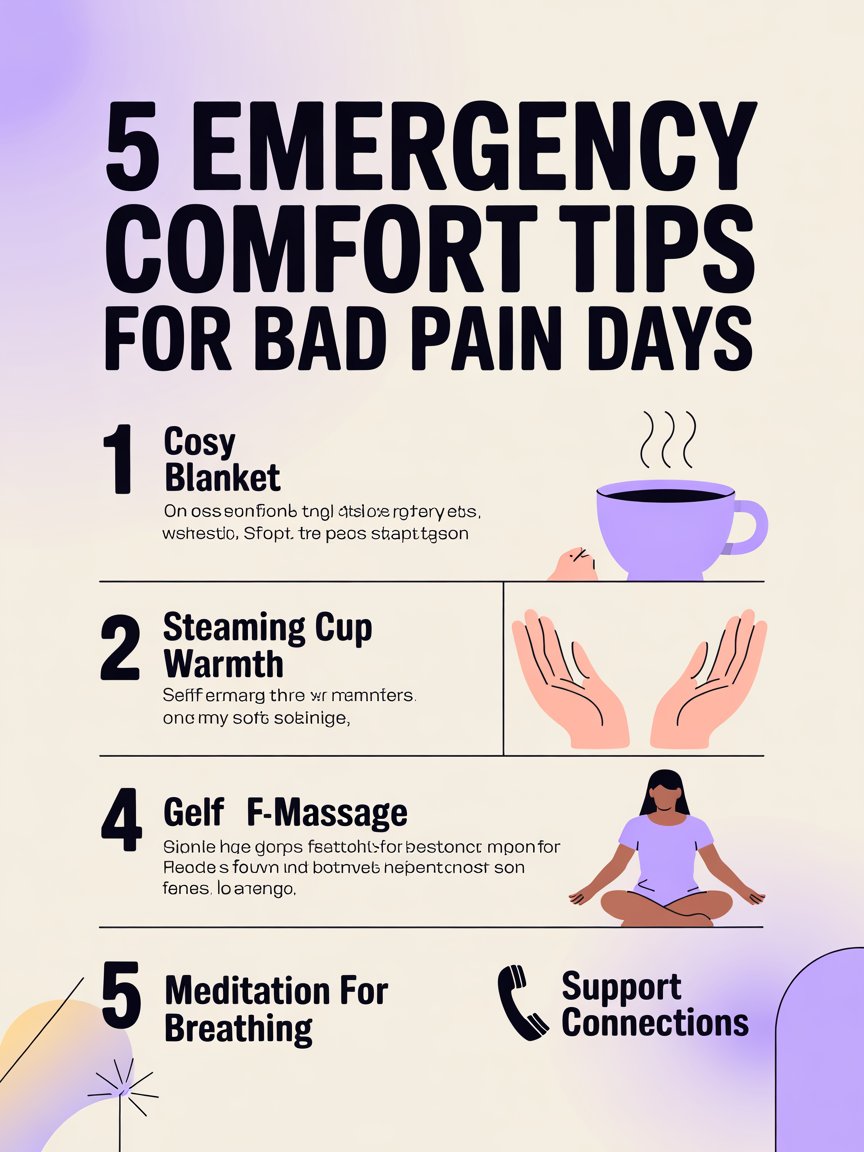
  • 5 Emergency Comfort Tips for Bad Pain Days

    5 Emergency Comfort Tips for Bad Pain Days

    1. Understanding Severe Pain Days

    People living with Fibromyalgia sometimes experience days when pain suddenly becomes overwhelming. These “bad pain days” can make even simple activities feel difficult. Having quick comfort strategies can help ease discomfort and make the day more manageable.

    2. 1. Apply Heat to Painful Areas

    Relax Tight Muscles Quickly

    Heat is one of the fastest ways to soothe muscle pain. A heating pad, warm bath, or hot shower can help relax tense muscles and improve blood flow, which may reduce stiffness and discomfort.

    3. 2. Rest in a Supportive Position

    Reduce Pressure on the Body

    Finding a comfortable resting position can make a big difference. Use supportive pillows for your neck, back, or knees to reduce pressure on sensitive areas and allow muscles to relax.

    4. 3. Practice Slow, Deep Breathing

    Calm the Body’s Stress Response

    Severe pain can cause the body to tense up and increase stress levels. Slow, deep breathing helps calm the nervous system and may reduce the intensity of pain signals.

    5. 4. Use Gentle Stretching

    Prevent Muscles From Tightening

    If possible, try slow and gentle stretches. Even small movements can improve circulation and reduce stiffness without placing extra strain on your body.

    6. 5. Create a Calm, Quiet Environment

    Reduce Sensory Overload

    Bright lights, loud noises, and busy surroundings can make pain feel worse. Resting in a quiet, comfortable space with dim lighting can help your body relax.

    7. Stay Hydrated

    Support Muscle Function

    Drinking water throughout the day helps prevent dehydration, which can contribute to headaches, fatigue, and muscle cramps during painful episodes.

    8. Choose Easy, Nourishing Foods

    Keep Your Energy Stable

    On bad pain days, simple and balanced meals are best. Foods rich in nutrients can support energy levels without putting extra stress on the body.

    9. Reduce Stressful Activities

    Protect Your Energy

    Cancel or postpone nonessential tasks when possible. Giving your body time to recover can prevent symptoms from worsening.

    10. Use Comfort Items

    Small Tools That Help

    Soft blankets, supportive cushions, heating wraps, or relaxation music can make your resting space more soothing and comfortable.

    11. Take Short Rest Breaks

    Balance Rest and Movement

    While rest is important, brief changes in position or light movement can prevent stiffness from increasing throughout the day.

    12. Listen to Your Body

    Recognize Your Limits

    Your body often signals when it needs rest or relief. Paying attention to these signals can help you respond quickly before symptoms worsen.

    13. Reach Out for Support

    You Don’t Have to Handle It Alone

    Let family members or friends know when you’re having a difficult pain day. Emotional and practical support can make recovery easier.

    14. Prepare for Future Pain Days

    Build a Comfort Plan

    Keeping items like heating pads, comfortable pillows, water, and healthy snacks nearby can make it easier to manage sudden pain episodes.

    15. Remember That Pain Days Pass

    Be Patient With Yourself

    Bad pain days can feel overwhelming, but they are usually temporary. With gentle care, rest, and supportive habits, your body can gradually return to a more comfortable state.

  • 9 Recovery Tips After a Painful Week

    9 Recovery Tips After a Painful Week

    1. Understanding Post-Flare Recovery

    After a difficult week of symptoms related to Fibromyalgia, the body often needs extra time to recover. Pain, fatigue, and mental fog can linger even after the worst part of a flare passes. Gentle recovery habits can help restore balance and energy.

    2. 1. Give Yourself Extra Rest

    Allow the Body to Recharge

    After an intense week of pain, your body may still be exhausted. Prioritize restful sleep and short breaks throughout the day to help your muscles and nervous system recover.

    3. 2. Ease Back Into Activity

    Avoid Overdoing It

    It may be tempting to catch up on everything you missed during the painful week, but doing too much too quickly can trigger another flare. Slowly return to normal activities at a comfortable pace.

    4. 3. Practice Gentle Stretching

    Restore Flexibility

    Light stretching can help loosen muscles that became stiff during the flare. Slow movements improve circulation and gradually restore mobility without causing additional strain.

    5. 4. Hydrate and Nourish Your Body

    Support Internal Recovery

    Drinking enough water and eating balanced meals with fruits, vegetables, lean proteins, and healthy fats can help the body regain strength after a challenging week.

    6. 5. Focus on Quality Sleep

    Deep Rest Supports Healing

    Sleep is one of the most important recovery tools. Maintaining a consistent bedtime routine and a calm sleep environment can help the body restore energy levels.

    7. 6. Reduce Stress Levels

    Calm the Nervous System

    Stress can prolong recovery and increase pain sensitivity. Relaxation techniques such as deep breathing, meditation, or quiet hobbies may help the body settle after a stressful flare period.

    8. 7. Spend Time in Gentle Movement

    Light Activity Helps Circulation

    Short walks or low-impact exercises can improve circulation and mood. Even small amounts of movement can help reduce lingering stiffness and fatigue.

    9. 8. Reflect on What Triggered the Painful Week

    Learn From the Experience

    Keeping a journal of symptoms, activities, stress levels, and sleep patterns may reveal triggers that contributed to the flare. Understanding these patterns can help prevent similar episodes in the future.

    10. 9. Practice Self-Compassion

    Be Kind to Yourself

    Recovery takes time, and it’s important not to feel guilty for needing rest. Acknowledging your limits and giving yourself patience can support both emotional and physical healing.

    11. Rebuilding Energy Gradually

    Small Steps Forward

    Energy levels may return slowly. Focus on manageable goals each day rather than trying to regain full productivity immediately.

    12. Reconnecting With Support

    Share Your Experience

    Talking with family, friends, or support groups can provide encouragement. Feeling understood can ease emotional stress after a difficult week.

    13. Maintaining Healthy Habits

    Consistency Helps Stability

    Regular sleep, balanced nutrition, hydration, and gentle activity can stabilize symptoms and make future flare recovery easier.

    14. Listening to Your Body’s Signals

    Your Body Knows Best

    Pay attention to signs of fatigue or discomfort. Responding early with rest or relaxation may prevent symptoms from escalating again.

    15. Moving Forward With Confidence

    Recovery Is Part of the Journey

    A painful week can be discouraging, but recovery is possible with patience and supportive habits. By caring for your body and learning from each experience, you can move forward with greater resilience and balance.

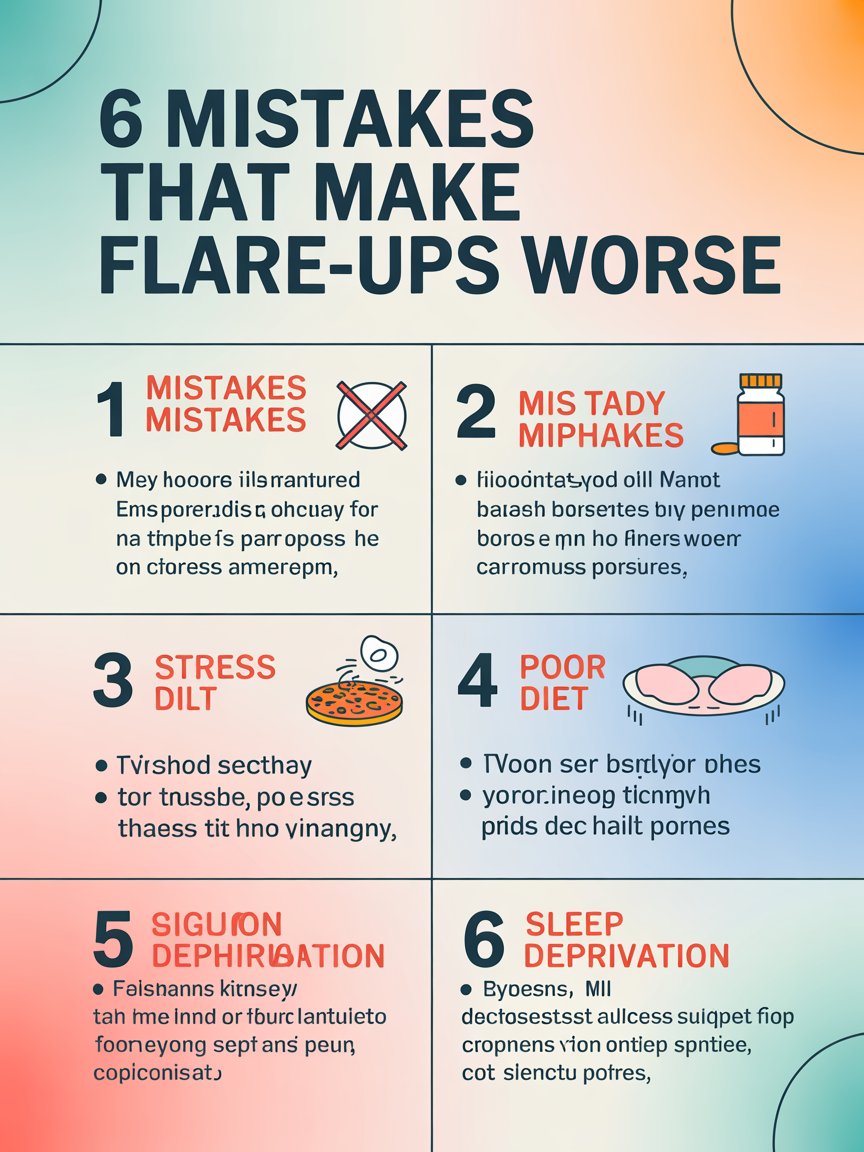
  • 6 Mistakes That Make Flare-Ups Worse

    6 Mistakes That Make Flare-Ups Worse

    1. Understanding Fibromyalgia Flare-Ups

    People living with Fibromyalgia often experience periods when symptoms suddenly become more intense. These episodes, known as flare-ups, can include increased pain, fatigue, stiffness, and brain fog. While some flares happen without warning, certain habits can unintentionally make them worse.

    2. Why Avoiding Common Mistakes Matters

    Small Choices Can Affect Recovery

    During a flare-up, the body becomes more sensitive to stress, activity, and environmental triggers. Avoiding common mistakes can help reduce symptom severity and support a faster recovery.

    3. 1. Ignoring Early Warning Signs

    Pushing Through the Pain

    Many people try to continue their usual activities even when early flare symptoms appear. Ignoring fatigue, muscle soreness, or mental fog can cause symptoms to intensify. Recognizing warning signs early allows you to slow down and protect your energy.

    4. 2. Overexerting Yourself

    Doing Too Much Too Soon

    Overexertion is one of the most common triggers for worsening flare-ups. Trying to catch up on tasks or pushing your body beyond its limits may lead to increased pain and longer recovery times.

    5. 3. Skipping Rest and Recovery Time

    The Body Needs Extra Care

    Rest is an essential part of managing fibromyalgia flares. Without adequate rest, muscles remain tense and the nervous system stays overstimulated, which can prolong discomfort.

    6. 4. Neglecting Sleep Quality

    Poor Sleep Intensifies Symptoms

    Sleep disturbances are closely connected to fibromyalgia symptoms. Lack of restorative sleep can increase pain sensitivity, fatigue, and mental fog during a flare-up.

    7. 5. Letting Stress Build Up

    Stress Can Amplify Pain

    Emotional stress activates the body’s stress response, which may heighten pain perception. High stress levels during a flare can make symptoms feel more intense and harder to manage.

    8. 6. Ignoring Hydration and Nutrition

    Fueling the Body Improperly

    Dehydration and poor nutrition can worsen fatigue and muscle discomfort. Balanced meals and adequate water intake help support the body during recovery.

    9. The Importance of Pacing

    Finding a Balanced Activity Level

    Learning to pace your activities can prevent flare-ups from worsening. Alternating between activity and rest helps conserve energy and protect the body from overexertion.

    10. Creating a Calm Environment

    Reducing Sensory Stress

    Bright lights, loud noises, and busy environments may increase discomfort during a flare. A quiet, comfortable space allows the nervous system to relax.

    11. Listening to Your Body

    Recognizing Personal Limits

    Each person with fibromyalgia has different triggers and tolerance levels. Paying attention to how your body responds to activity helps guide healthier choices.

    12. Preparing for Future Flares

    Building a Personal Management Plan

    Keeping a journal of triggers, symptoms, and coping strategies can help identify patterns. This awareness can make future flares easier to handle.

    13. Seeking Support When Needed

    You Don’t Have to Manage Alone

    Family members, friends, and healthcare professionals can provide support during difficult flare periods. Communicating your needs may reduce emotional stress.

    14. Learning From Each Experience

    Turning Challenges Into Knowledge

    Every flare-up offers insight into what helps and what worsens symptoms. Over time, this knowledge can improve your self-care routine.

    15. Managing Flares With Awareness and Care

    Small Adjustments Make a Difference

    Avoiding common mistakes—like ignoring early symptoms or overexerting yourself—can significantly reduce flare severity. With mindful habits and patience, it becomes easier to navigate flare-ups and protect your overall well-being.

  • 12 Ways to Calm a Fibromyalgia Flare Naturally

    12 Ways to Calm a Fibromyalgia Flare Naturally

    1. Understanding Fibromyalgia Flares

    A flare occurs when symptoms of Fibromyalgia suddenly become more intense. Pain, fatigue, stiffness, and brain fog may worsen during this time. While flares can be frustrating, natural strategies may help calm the body and support recovery.

    2. 1. Slow Down and Rest

    Give Your Body Time to Recover

    When a flare begins, the first step is to reduce activity and allow your body to rest. Pushing through pain can make symptoms worse, so listening to your body is essential.

    3. 2. Use Heat Therapy

    Relax Tight Muscles

    Applying warmth through a heating pad, warm bath, or hot shower can soothe sore muscles and improve circulation. Heat is often one of the quickest ways to reduce stiffness during a flare.

    4. 3. Practice Deep Breathing

    Calm the Nervous System

    Fibromyalgia is linked to heightened nervous system sensitivity. Deep breathing exercises can help lower stress levels and reduce the body’s pain response.

    5. 4. Stay Hydrated

    Support Your Body’s Functions

    Drinking enough water helps muscles and joints function properly. Dehydration can worsen headaches, fatigue, and muscle discomfort during a flare.

    6. 5. Try Gentle Stretching

    Ease Muscle Tightness

    While rest is important, light stretching can prevent muscles from becoming overly stiff. Slow, gentle movements may help improve flexibility and comfort.

    7. 6. Eat Anti-Inflammatory Foods

    Nourish the Body

    Balanced meals that include fruits, vegetables, lean proteins, and healthy fats can support the body during recovery. Avoiding heavily processed foods may help prevent additional inflammation.

    8. 7. Reduce Stress and Stimulation

    Create a Calm Environment

    Bright lights, loud noises, and emotional stress can intensify symptoms. A quiet, comfortable space can help the body relax and recover more easily.

    9. 8. Take a Warm Epsom Salt Bath

    Soothing Muscle Relief

    Many people find relief by soaking in warm water with Epsom salt. The warmth relaxes muscles, while the bath itself encourages relaxation.

    10. 9. Get Gentle Fresh Air

    A Light Reset for Body and Mind

    If possible, stepping outside for fresh air or a short, slow walk can improve mood and circulation without overexerting the body.

    11. 10. Prioritize Restful Sleep

    Recovery Happens During Rest

    Flares can worsen when sleep is poor. Creating a calming bedtime routine and ensuring a comfortable sleep environment supports recovery.

    12. 11. Use Relaxation Techniques

    Mind–Body Support

    Meditation, guided imagery, or mindfulness practices may help reduce tension and ease the body’s stress response during a flare.

    13. 12. Pace Yourself After the Flare

    Ease Back Into Activity

    As symptoms improve, gradually return to your normal activities. Moving too quickly back into a busy routine can trigger another flare.

    14. Learning From Each Flare

    Identify Possible Triggers

    Tracking symptoms can help identify triggers such as stress, poor sleep, weather changes, or overexertion. Understanding these patterns may help prevent future flares.

    15. Practicing Self-Compassion

    Healing Takes Patience

    Fibromyalgia flares are part of living with a chronic condition. Being patient and kind to yourself while using supportive strategies can make these challenging periods easier to manage.

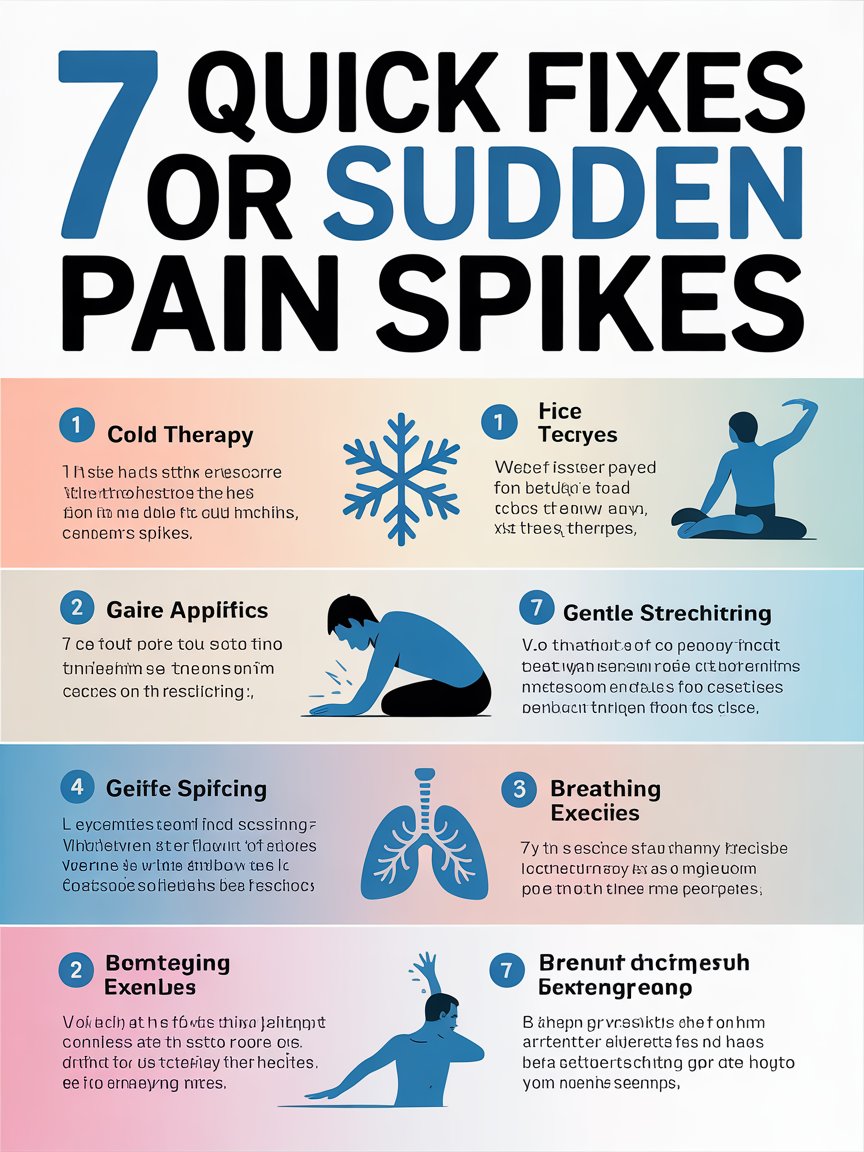
  • 7 Quick Fixes for Sudden Pain Spikes

    7 Quick Fixes for Sudden Pain Spikes

    7 Quick Fixes for Sudden Pain Spikes

    1. Understanding Sudden Pain Spikes

    People living with Fibromyalgia often experience sudden increases in pain known as pain spikes or mini-flares. These episodes can appear without warning and make normal activities difficult. Having quick coping strategies can help reduce discomfort and regain control.

    2. 1. Pause and Breathe Slowly

    Calm Your Nervous System

    When pain suddenly intensifies, the body can go into a stress response. Slow, deep breathing helps relax the nervous system and may reduce the intensity of pain signals. Try inhaling slowly through the nose and exhaling gently through the mouth.

    3. 2. Apply Heat for Muscle Relaxation

    A Fast Comfort Technique

    Heat therapy can quickly ease muscle tension. A heating pad, warm compress, or hot shower can help relax tight muscles and improve blood flow to painful areas.

    4. 3. Change Your Body Position

    Reduce Pressure on Sensitive Areas

    Sometimes pain spikes occur from staying in one position too long. Gently adjusting your posture, standing up, or stretching lightly can relieve pressure and improve circulation.

    5. 4. Use Gentle Stretching

    Ease Stiffness Without Strain

    Slow, gentle stretches may help reduce muscle tightness and stiffness. Focus on areas where pain feels most intense, but avoid pushing your body too far.

    6. 5. Hydrate Your Body

    Water Supports Muscle Function

    Dehydration can contribute to headaches, muscle cramps, and fatigue. Drinking a glass of water or herbal tea may help the body recover more quickly during a pain spike.

    7. 6. Try a Short Relaxation Break

    Reset Your Mind and Body

    A brief break from activity can help calm the body. Sitting quietly, closing your eyes, or practicing mindfulness for a few minutes may reduce stress-related pain responses.

    8. 7. Use a Comfort Technique That Works for You

    Personalized Relief Strategies

    Everyone with fibromyalgia finds relief in different ways. Some people benefit from light massage, gentle movement, soothing music, or warm blankets during sudden pain spikes.

    9. Recognizing Your Pain Triggers

    Learning From Patterns

    Keeping track of what happens before a pain spike—such as stress, poor sleep, or overexertion—can help you identify triggers and reduce future episodes.

    10. The Importance of Pacing

    Avoiding Overexertion

    Sudden pain spikes sometimes occur when the body is pushed beyond its limits. Pacing activities throughout the day helps conserve energy and prevent symptom flare-ups.

    11. Supporting Your Body With Rest

    Recovery Is Part of Management

    Short periods of rest allow muscles and the nervous system to recover. Even a few minutes of relaxation can make a noticeable difference during a pain spike.

    12. Creating a Comfort Kit

    Be Prepared Anywhere

    Many people find it helpful to keep a small comfort kit with items like a portable heat patch, water bottle, pain relief gel, or stress ball for quick symptom relief.

    13. Managing Stress Levels

    Stress Can Amplify Pain

    Emotional stress can increase the body’s sensitivity to pain. Practicing regular relaxation habits can make sudden pain spikes easier to handle.

    14. When to Seek Medical Advice

    Persistent or Severe Pain

    If pain spikes become frequent or significantly worse, discussing symptoms with a healthcare provider may help identify additional treatment options.

    15. Staying Prepared and Empowered

    Small Actions Can Make a Big Difference

    Sudden pain spikes can be frustrating, but having simple coping strategies ready can make them easier to manage. With awareness, preparation, and self-care, individuals can respond quickly and maintain better daily comfort.