Category: Latest

  • 10 Things to Do at the Start of a Fibromyalgia Flare

    10 Things to Do at the Start of a Fibromyalgia Flare

    1. Recognize the Early Warning Signs

    A flare of Fibromyalgia often begins with subtle symptoms such as increased fatigue, muscle tenderness, brain fog, or sleep disturbances. Paying attention to these early signs can help you respond quickly and prevent symptoms from becoming more severe.

    2. Slow Down and Rest Your Body

    Give Yourself Permission to Pause

    When a flare begins, your body needs extra care. Reduce physical activity and allow yourself time to rest. Slowing down early can prevent the flare from intensifying.

    3. Apply Gentle Heat Therapy

    Relax Tight Muscles

    Heat can help soothe sore muscles and reduce stiffness. A warm bath, heating pad, or warm shower may provide comfort and improve circulation during a flare.

    4. Stay Hydrated

    Support Your Body’s Recovery

    Dehydration can worsen fatigue and headaches. Drinking water or herbal teas throughout the day helps maintain energy levels and supports overall body function.

    5. Practice Deep Breathing or Relaxation

    Calm the Nervous System

    Fibromyalgia flares often involve increased nervous system sensitivity. Deep breathing exercises, meditation, or gentle relaxation techniques can reduce stress and ease pain signals.

    6. Take Gentle Stretch Breaks

    Keep Muscles Flexible

    While rest is important, complete inactivity may increase stiffness. Light stretching or slow movements can help maintain flexibility without overexertion.

    7. Prioritize Sleep and Restorative Time

    Help the Body Recharge

    Flares often worsen when sleep is disrupted. Focus on creating a calm environment that encourages restful sleep and short recovery naps if needed.

    8. Choose Nourishing, Anti-Inflammatory Foods

    Fuel the Body Wisely

    Eating balanced meals with fruits, vegetables, lean proteins, and healthy fats may support recovery. Avoid excessive sugar or processed foods that may worsen fatigue.

    9. Reduce Stress and Overstimulation

    Protect Your Energy

    Bright lights, loud environments, and emotional stress can intensify symptoms during a flare. Create a calm space and limit demanding activities when possible.

    10. Track Symptoms and Possible Triggers

    Learn From Each Flare

    Keeping a symptom journal can help you identify patterns such as stress, weather changes, or overexertion that trigger flares. This awareness can guide future prevention strategies.

    11. Use Comfort Techniques That Work for You

    Personalized Relief Methods

    Everyone experiences fibromyalgia differently. Some people find relief with gentle massage, warm blankets, or quiet relaxation activities such as reading or listening to calming music.

    12. Communicate Your Needs

    Let Others Know You Need Support

    Inform family members, coworkers, or friends when you’re experiencing a flare. Their understanding can help reduce pressure and provide practical support.

    13. Adjust Your Daily Expectations

    Focus on Essential Tasks

    During a flare, it’s helpful to prioritize the most important activities and postpone nonessential tasks. Lowering expectations temporarily can reduce frustration and exhaustion.

    14. Be Patient With Your Recovery

    Healing Takes Time

    Fibromyalgia flares can last from a few hours to several days. Allow your body the time it needs to recover without pushing yourself too quickly.

    15. Practice Self-Compassion

    Caring for Yourself Matters

    Managing a fibromyalgia flare requires kindness toward yourself. Listening to your body, resting when needed, and using supportive coping strategies can make flares more manageable over time.

  • 13 Strange Sensations Linked to Fibromyalgia

    13 Strange Sensations Linked to Fibromyalgia

    1. Burning Skin Sensation

    One common sensation is a persistent burning feeling on the skin, often described as similar to a mild sunburn. This can occur on the arms, legs, back, or face without visible redness or irritation.

    The burning sensation is caused by abnormal nerve signaling, where the nervous system interprets normal stimuli as painful or irritating.


    2. Tingling or “Pins and Needles”

    Tingling, also known as paresthesia, can feel like pins and needles in the hands, feet, arms, or legs. It may occur spontaneously or after sitting in one position for too long.

    For people with fibromyalgia, these sensations can appear without any clear trigger, reflecting heightened nerve sensitivity.


    3. Crawling or “Insects on Skin” Feeling

    Some patients report a sensation as if insects are crawling on their skin. This feeling, sometimes called formication, is purely sensory and not caused by an actual insect.

    It is linked to irregular nerve signaling and is a manifestation of the nervous system’s heightened sensitivity in fibromyalgia.


    4. Electric Shock-Like Sensations

    Sudden, brief electric shock sensations can travel along muscles or the spine. These shocks are often harmless but can be startling.

    They are believed to be caused by misfiring nerve signals in the central nervous system, which is more reactive in fibromyalgia.


    5. Numbness

    Fibromyalgia may cause areas of numbness, often in the hands, feet, or face. A numb region may feel dull, heavy, or less responsive to touch.

    Numbness occurs due to altered sensory perception rather than nerve damage, distinguishing it from more serious neurological conditions.


    6. Sensitivity to Touch (Allodynia)

    Many individuals experience Allodynia, where even light touches or clothing can feel painful.

    This sensitivity results from central sensitization, a hallmark of fibromyalgia, in which the brain amplifies pain signals from normal stimuli.


    7. Muscle Twitching

    Involuntary muscle twitches, or fasciculations, may appear in the arms, legs, or eyelids. While often harmless, frequent twitching can be unsettling.

    These twitches are linked to nerve hyperexcitability, which is common in fibromyalgia patients.


    8. Itchy Skin Without Rash

    Some people feel persistent itching without any visible skin changes. The itching may occur anywhere on the body and can worsen at night.

    This symptom is thought to result from abnormal sensory nerve activity rather than a dermatological condition.


    9. Temperature Sensitivity

    Fibromyalgia can make people unusually sensitive to temperature changes. Cold may intensify pain, while heat may trigger fatigue or discomfort.

    This sensitivity reflects how the nervous system in fibromyalgia overreacts to environmental stimuli.


    10. Deep Muscle Aches

    A persistent, deep ache in muscles is a hallmark fibromyalgia symptom. The discomfort can feel as if it originates from deep tissue rather than superficial muscle.

    These deep aches fluctuate and may shift between different areas over time, contributing to the unpredictable nature of the condition.


    11. Swelling Sensations

    Some patients feel as though their hands, feet, or joints are swollen, even when no visible swelling is present.

    This sensation is thought to be caused by the brain misinterpreting signals from tissues, rather than actual inflammation.


    12. Internal Vibrations or Buzzing

    A less common symptom is a vibrating or buzzing sensation inside the body. People often describe it as feeling like a low internal tremor.

    These internal vibrations are caused by heightened nerve sensitivity and can appear in various parts of the body without an external trigger.


    13. Skin Pain or Tenderness

    Tender points on the skin may hurt even under light pressure. This sensitivity is often localized in areas like the neck, shoulders, back, or hips.

    Skin tenderness is one of the diagnostic criteria for fibromyalgia and results from an amplified pain response in the central nervous system.

  • 11 Clues Your Joint Pain Could Be Fibromyalgia

    11 Clues Your Joint Pain Could Be Fibromyalgia

    11 Clues Your Joint Pain Could Be Fibromyalgia

    1. Understanding Joint Pain and Fibromyalgia

    Joint pain can have many causes, including injuries, arthritis, or chronic conditions. One possible cause is Fibromyalgia, which affects how the brain and nervous system process pain signals. Unlike many joint disorders, fibromyalgia usually does not cause visible damage to the joints but can still produce significant discomfort.

    2. Why Fibromyalgia Pain Feels Different

    Fibromyalgia pain is often widespread and may move from one area of the body to another. People may experience aching, burning, or stiffness that feels similar to joint pain but is actually related to muscle and nerve sensitivity.

    3. Clue 1: Pain in Multiple Joints

    One key clue is pain that occurs in several joints at once. Instead of being limited to one joint, the discomfort may appear in the knees, shoulders, hips, or elbows.

    4. Clue 2: Pain Without Swelling

    Unlike some joint conditions, fibromyalgia pain usually occurs without noticeable swelling, redness, or inflammation in the joints.

    5. Clue 3: Morning Stiffness

    Many people with fibromyalgia wake up with stiff joints and muscles. This stiffness may improve slowly as the body begins moving during the day.

    6. Clue 4: Fatigue Alongside Joint Pain

    Severe tiredness often accompanies fibromyalgia symptoms. Feeling exhausted even after rest may be a sign that joint pain is linked to a broader condition.

    7. Clue 5: Pain That Moves Around the Body

    Fibromyalgia pain can shift from one area to another. For example, joint discomfort may appear in the shoulders one day and the hips or knees the next.

    8. Clue 6: Sensitivity to Touch

    People with fibromyalgia often experience tender points. Light pressure around joints or muscles may feel unusually painful.

    9. Clue 7: Sleep Problems

    Difficulty falling asleep or staying asleep is common with fibromyalgia. Poor sleep can increase pain sensitivity and worsen joint discomfort.

    10. Clue 8: Brain Fog

    Memory issues, difficulty concentrating, or mental fatigue—often called “fibro fog”—may appear alongside joint pain.

    11. Clue 9: Symptoms That Flare Up

    Fibromyalgia symptoms may come and go. Stress, poor sleep, or overexertion can trigger flare-ups that increase joint pain.

    12. Clue 10: Sensitivity to Weather Changes

    Some individuals notice that joint pain becomes worse during cold, damp, or rapidly changing weather conditions.

    13. Clue 11: Pain That Persists for Months

    If joint pain continues for several months without clear injury or improvement, it may be worth exploring whether fibromyalgia could be involved.

    14. When to Seek Medical Advice

    If joint pain is persistent, widespread, or combined with fatigue and sleep problems, consulting a healthcare professional can help determine the underlying cause.

    15. Managing Fibromyalgia-Related Pain

    Lifestyle strategies such as gentle exercise, stress reduction, proper sleep habits, and balanced nutrition can help manage symptoms. With proper care and support, many people can reduce discomfort and maintain an active lifestyle.

  • 14 Signs Your Fatigue Is More Than Normal Tiredness

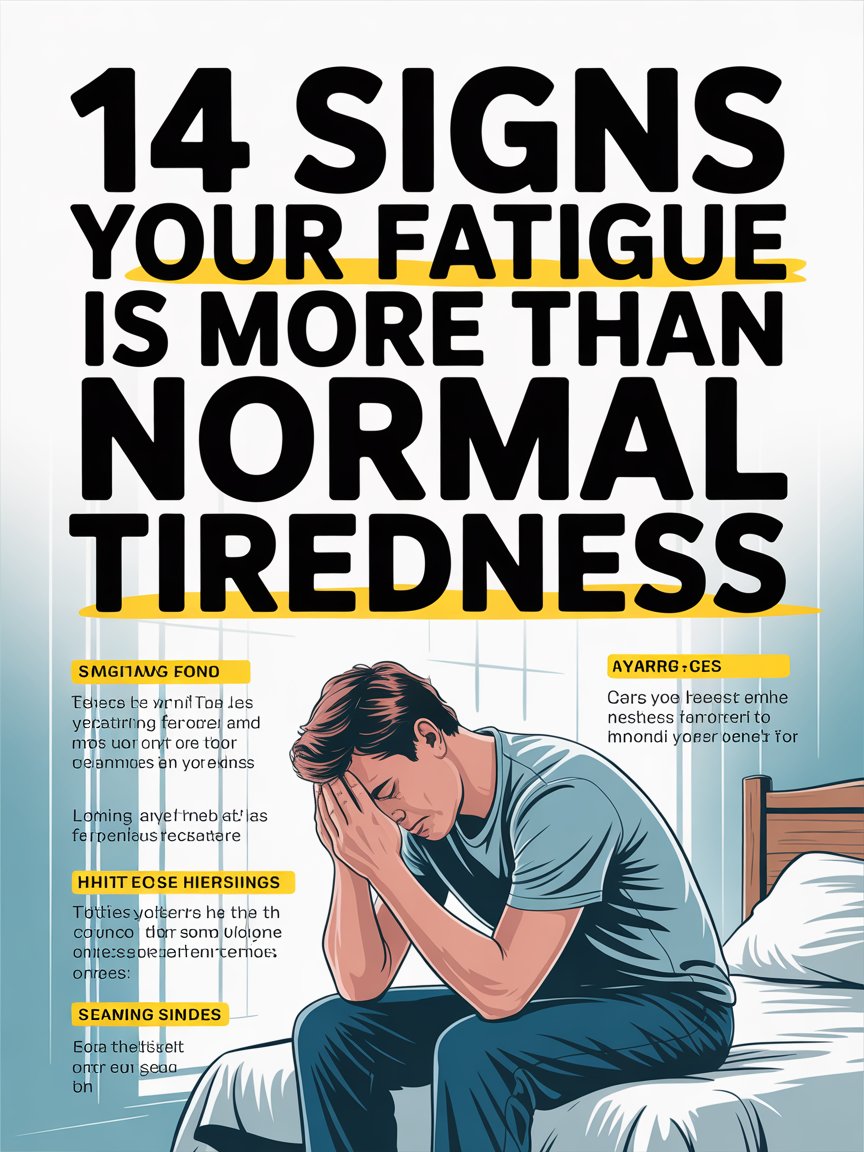
    14 Signs Your Fatigue Is More Than Normal Tiredness

    1. Understanding Fatigue vs. Normal Tiredness

    Everyone feels tired sometimes, especially after a busy day or poor sleep. However, persistent fatigue can be different from normal tiredness. In conditions such as Fibromyalgia, fatigue can become severe and long-lasting, affecting both physical and mental health.

    2. Why Chronic Fatigue Happens

    Chronic fatigue may occur when the body is dealing with ongoing stress, pain, sleep problems, or underlying health conditions. Unlike normal tiredness, this type of fatigue often does not improve with rest alone.

    3. Sign 1: Feeling Exhausted After Sleeping

    One major sign is waking up feeling just as tired as before going to bed. Even after a full night of sleep, the body may not feel refreshed.

    4. Sign 2: Fatigue That Lasts All Day

    Normal tiredness usually improves after rest, but chronic fatigue can persist throughout the day, making even simple activities feel difficult.

    5. Sign 3: Difficulty Concentrating

    Fatigue can affect mental clarity, leading to problems with focus, memory, and decision-making. This is sometimes referred to as “brain fog.”

    6. Sign 4: Lack of Motivation

    When fatigue is severe, people may struggle to start or complete tasks that were once easy or enjoyable.

    7. Sign 5: Muscle Weakness

    Chronic fatigue can cause muscles to feel weak or heavy, making physical movement more challenging than usual.

    8. Sign 6: Frequent Headaches

    Persistent fatigue may be accompanied by headaches or tension in the head and neck area.

    9. Sign 7: Increased Pain Sensitivity

    Fatigue can make the body more sensitive to pain. People may notice aches or discomfort that feel stronger than usual.

    10. Sign 8: Mood Changes

    Feeling constantly tired can affect emotional health. Irritability, anxiety, or low mood may appear alongside fatigue.

    11. Sign 9: Poor Physical Endurance

    Activities such as walking, climbing stairs, or doing household chores may quickly lead to exhaustion.

    12. Sign 10: Trouble Staying Awake

    People with severe fatigue may struggle to stay awake during normal daytime activities like reading, working, or watching television.

    13. Sign 11: Sleep Problems

    Difficulty falling asleep, staying asleep, or experiencing restless sleep may contribute to ongoing fatigue.

    14. Sign 12: Reduced Productivity

    Fatigue can lower productivity at work, school, or home, making it harder to keep up with responsibilities.

    15. Sign 13: Feeling Overwhelmed by Daily Tasks

    Simple tasks may start to feel overwhelming because the body lacks the energy needed to perform them comfortably.

    16. Sign 14: Fatigue That Persists for Weeks or Months

    If exhaustion continues for long periods without improvement, it may indicate an underlying health issue rather than normal tiredness.

    17. When to Seek Medical Advice

    If fatigue becomes persistent and interferes with daily life, consulting a healthcare professional can help identify possible causes and appropriate treatments.

    18. Supporting Your Energy Levels

    Healthy habits such as regular sleep schedules, balanced nutrition, gentle exercise, and stress management can help support energy and reduce fatigue.

    19. Listening to Your Body

    Paying attention to warning signs allows you to rest when needed and avoid overexertion that could worsen fatigue.

    20. Moving Toward Better Well-Being

    Understanding the difference between normal tiredness and chronic fatigue is the first step toward better health. With proper care and support, individuals can manage fatigue and improve their overall quality of life.

  • 6 Body Areas Most Affected by Fibromyalgia

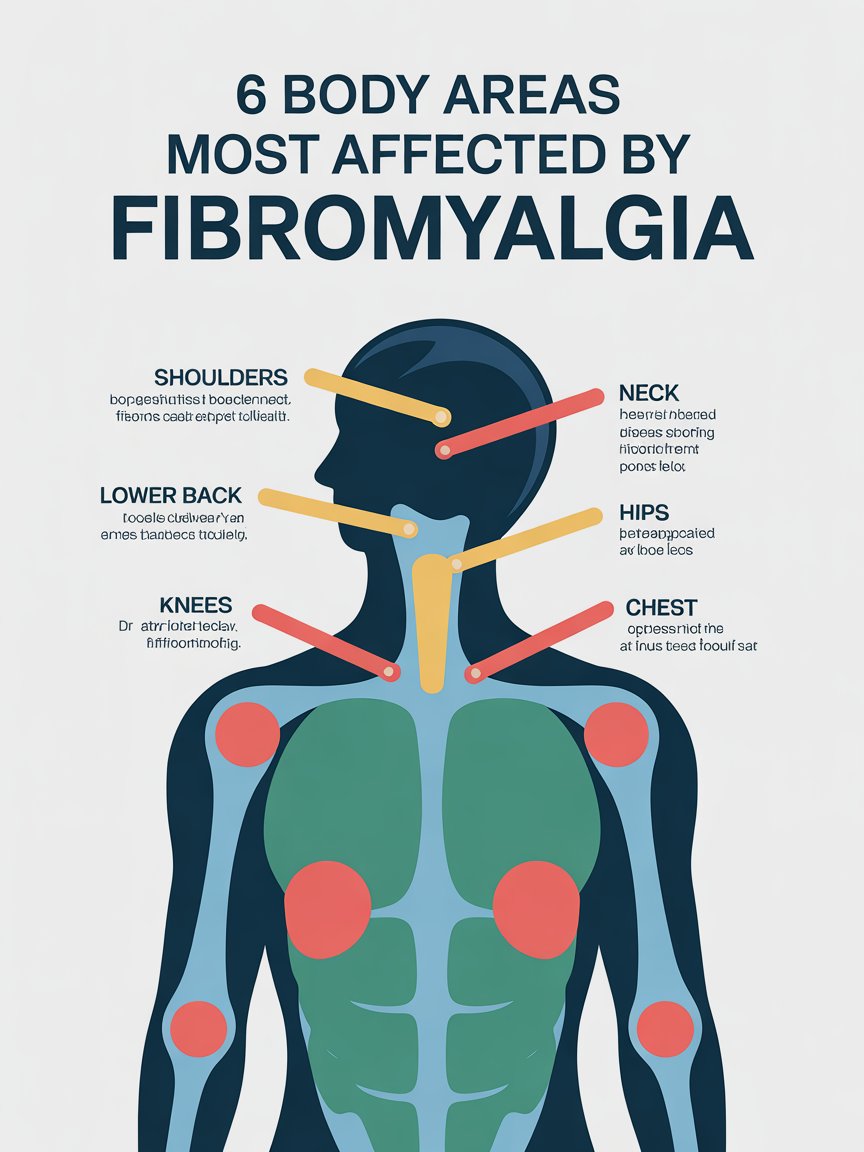
    6 Body Areas Most Affected by Fibromyalgia

    1. Understanding Fibromyalgia Pain

    Fibromyalgia is known for causing widespread pain throughout the body. However, some areas tend to be more sensitive than others. These regions, sometimes called tender points, can become painful even with light pressure.

    2. Why Certain Areas Hurt More

    Fibromyalgia affects how the brain and nervous system process pain signals. Because of this heightened sensitivity, certain muscles and soft tissues become more prone to discomfort and stiffness.

    3. Area 1: Neck and Shoulders

    The neck and shoulder region is one of the most common places where fibromyalgia pain occurs. Tight muscles, stress, and poor posture can increase tension in this area, leading to persistent soreness and stiffness.

    4. Area 2: Upper Back

    Pain in the upper back, particularly between the shoulder blades, is frequently reported by fibromyalgia patients. This area may feel tender, aching, or stiff, especially after long periods of sitting.

    5. Area 3: Lower Back

    The lower back can also be affected by fibromyalgia pain. Individuals may experience a constant dull ache or sharp discomfort that worsens with fatigue or prolonged activity.

    6. Area 4: Hips

    The hip area, especially around the outer hips, is a common tender point in fibromyalgia. Pain here may cause discomfort when walking, sitting, or lying on one side.

    7. Area 5: Knees

    Many people with fibromyalgia report pain or sensitivity around the knees. This discomfort may occur even without visible swelling or joint damage.

    8. Area 6: Elbows

    The outer parts of the elbows can become very sensitive in people with fibromyalgia. Pressure on these areas may cause sharp or aching pain.

    9. The Role of Tender Points

    Tender points are specific spots on the body that are particularly sensitive to touch. These points were once used as part of the diagnostic process for fibromyalgia.

    10. How Pain May Spread

    Fibromyalgia pain is not limited to a single area. It can move from one part of the body to another, which is why it is often described as widespread pain.

    11. Factors That Worsen Pain

    Stress, lack of sleep, weather changes, and overexertion can intensify pain in these sensitive areas. Identifying triggers may help reduce discomfort.

    12. Managing Pain in Affected Areas

    Gentle stretching, massage, heat therapy, and relaxation techniques may help reduce muscle tension and improve comfort in painful areas.

    13. Importance of Regular Movement

    Light physical activity, such as walking or yoga, can improve circulation and reduce stiffness in commonly affected body areas.

    14. Listening to Your Body

    Every person with fibromyalgia experiences symptoms differently. Paying attention to how your body responds to activities can help you manage pain more effectively.

    15. Supporting Whole-Body Health

    Although certain areas are more commonly affected, fibromyalgia impacts the whole body. Combining medical guidance, healthy habits, and self-care strategies can help improve comfort and daily functioning.

  • 10 Unexpected Fibromyalgia Triggers

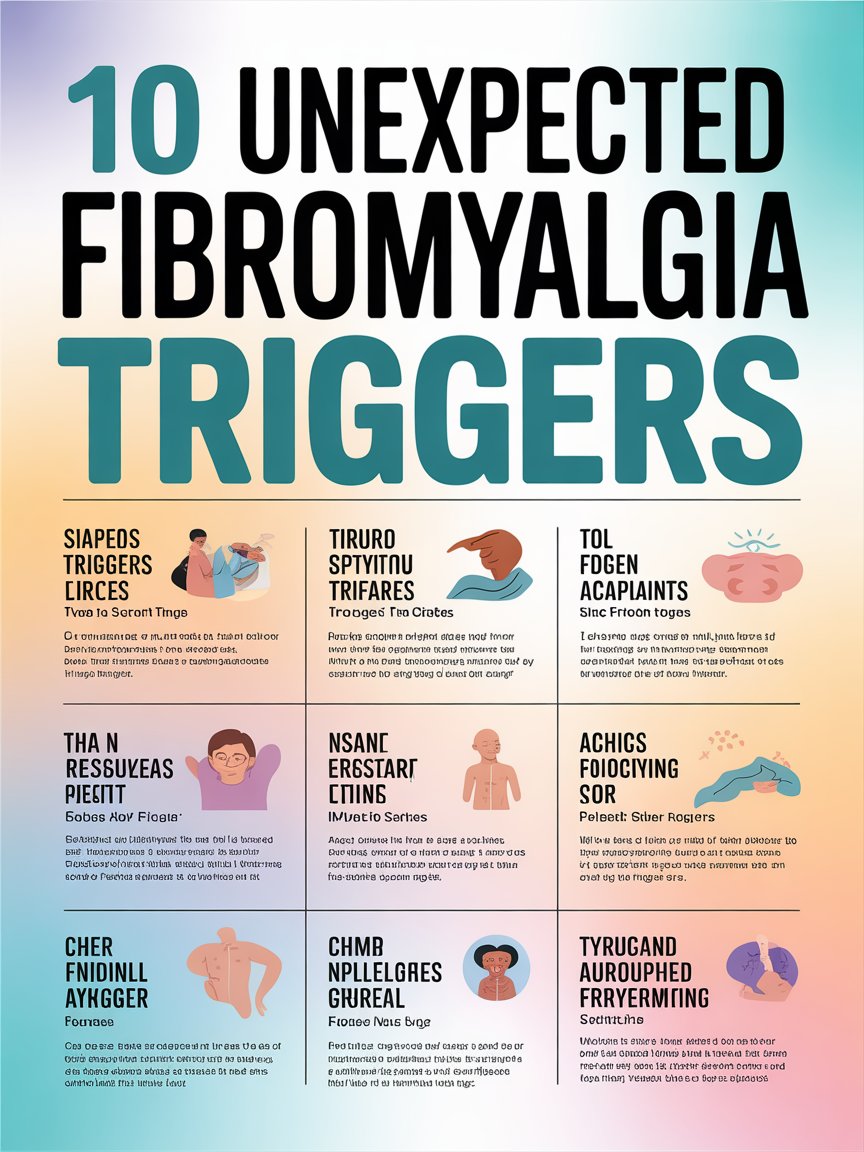
    10 Unexpected Fibromyalgia Triggers

    1. Understanding Fibromyalgia Triggers

    People living with Fibromyalgia often experience periods when symptoms suddenly worsen. These episodes, commonly known as flare-ups, can be caused by different triggers. Some triggers are obvious, while others may be unexpected and harder to identify.

    2. Why Identifying Triggers Is Important

    Recognizing what worsens symptoms can help individuals manage fibromyalgia more effectively. Avoiding or minimizing triggers can reduce the frequency and severity of flare-ups.

    3. Trigger 1: Weather Changes

    Sudden changes in temperature, humidity, or air pressure can increase pain and stiffness. Many people with fibromyalgia notice that their symptoms worsen during cold or damp weather.

    4. Trigger 2: Poor Sleep

    Lack of restful sleep can significantly worsen pain, fatigue, and brain fog. Even one night of poor sleep may lead to increased symptoms the next day.

    5. Trigger 3: Emotional Stress

    Stress is one of the most common triggers of fibromyalgia flare-ups. Emotional pressure from work, relationships, or life changes can intensify pain and fatigue.

    6. Trigger 4: Overexertion

    Doing too much physical activity at once can overwhelm the body. Overexertion may lead to increased pain, muscle soreness, and exhaustion.

    7. Trigger 5: Long Periods of Inactivity

    While too much activity can trigger symptoms, long periods of inactivity can also worsen stiffness and pain. Balance between movement and rest is important.

    8. Trigger 6: Hormonal Changes

    Hormonal fluctuations during menstruation, pregnancy, or menopause may influence pain levels and fatigue in people with fibromyalgia.

    9. Trigger 7: Sensory Overload

    Bright lights, loud noises, or crowded environments can overwhelm the nervous system. This sensory overload may increase fatigue, headaches, or pain.

    10. Trigger 8: Changes in Routine

    Sudden changes in daily routines, such as travel, irregular sleep schedules, or altered meal times, can disrupt the body’s balance and trigger symptoms.

    11. Trigger 9: Certain Foods

    Some individuals notice that specific foods may worsen symptoms. Highly processed foods, excessive sugar, or caffeine may contribute to fatigue and discomfort for some people.

    12. Trigger 10: Illness or Infection

    When the body is fighting an illness, fibromyalgia symptoms may temporarily worsen. Infections can increase inflammation and fatigue.

    13. Tracking Personal Triggers

    Keeping a symptom journal can help identify patterns between activities, stress levels, and flare-ups. This information can help individuals recognize their unique triggers.

    14. Preventing Fibromyalgia Flare-Ups

    Maintaining a balanced routine that includes proper sleep, gentle exercise, stress management, and healthy nutrition can help reduce the risk of flare-ups.

    15. Managing Fibromyalgia More Effectively

    Although triggers vary from person to person, understanding them allows individuals to make informed lifestyle choices. By learning what affects their symptoms, people with fibromyalgia can better control flare-ups and improve their overall quality of life.

  • 7 Silent Symptoms of Fibromyalgia

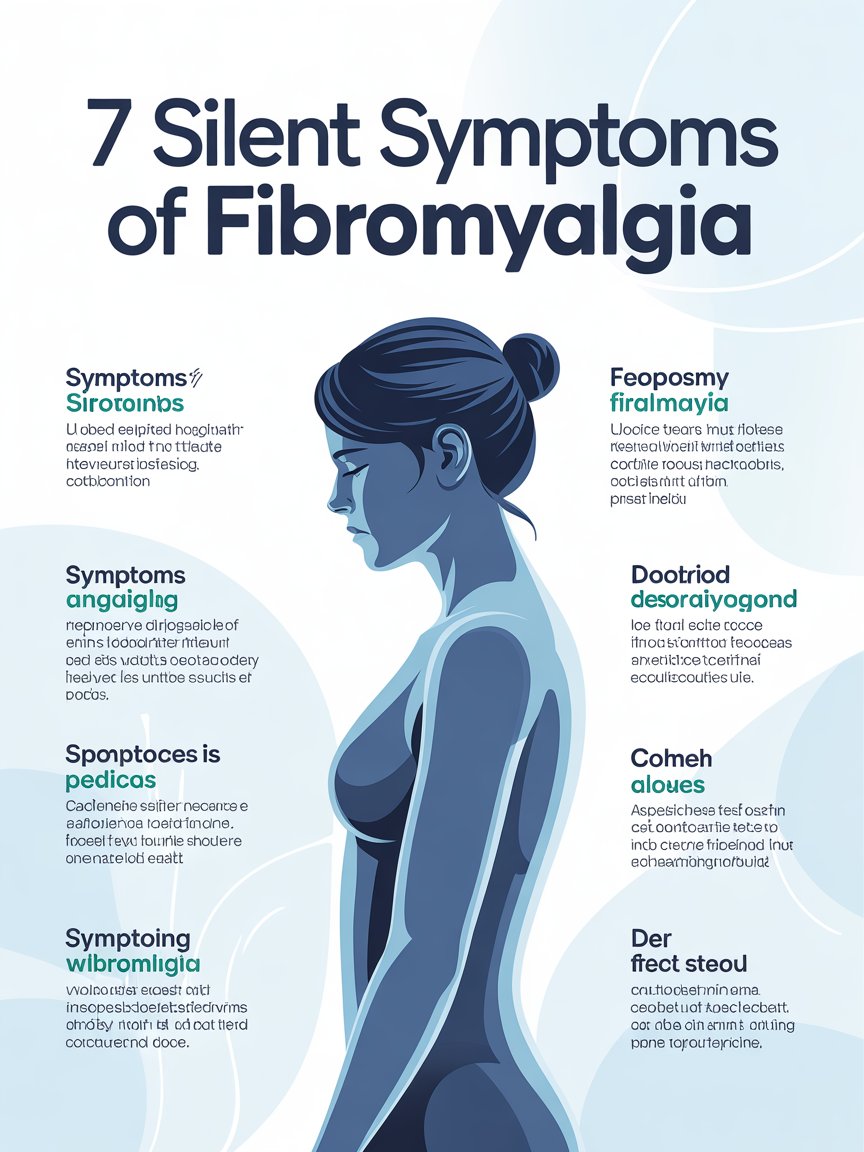
    7 Silent Symptoms of Fibromyalgia

    7 Silent Symptoms of Fibromyalgia

    1. Understanding Silent Symptoms

    Fibromyalgia is widely known for causing widespread pain and fatigue. However, many symptoms are “silent,” meaning they are not always visible to others. These hidden symptoms can still greatly affect a person’s daily life and overall well-being.

    2. Why Silent Symptoms Are Often Overlooked

    Because fibromyalgia symptoms vary from person to person, some issues may go unnoticed or misunderstood. Many people appear healthy on the outside while dealing with significant internal challenges.

    3. Symptom 1: Brain Fog

    One of the most common silent symptoms is “fibro fog.” This includes difficulty concentrating, memory lapses, and trouble finding the right words during conversations.

    4. Symptom 2: Extreme Fatigue

    Fatigue from fibromyalgia is more than ordinary tiredness. Even after a full night’s sleep, individuals may feel drained and struggle to maintain energy throughout the day.

    5. Symptom 3: Sleep Disturbances

    People with fibromyalgia often have poor-quality sleep. They may wake up frequently during the night or feel unrefreshed in the morning.

    6. Symptom 4: Sensitivity to Temperature

    Many individuals become unusually sensitive to cold or heat. Changes in weather or indoor temperature can increase discomfort and fatigue.

    7. Symptom 5: Digestive Issues

    Digestive problems such as bloating, stomach discomfort, or irregular bowel habits can occur alongside fibromyalgia. These symptoms are often overlooked because they seem unrelated to pain.

    8. Symptom 6: Mood Changes

    Chronic pain and fatigue can affect emotional health. Anxiety, irritability, or feelings of sadness may appear as part of the condition.

    9. Symptom 7: Sensitivity to Light, Sound, or Smell

    People with fibromyalgia may experience heightened sensitivity to environmental stimuli. Bright lights, loud noises, or strong smells can feel overwhelming.

    10. The Impact of Hidden Symptoms

    Silent symptoms can make daily tasks more difficult, even if others cannot see the struggle. This may lead to misunderstandings or lack of support from people who do not recognize the condition.

    11. Recognizing Early Warning Signs

    Being aware of these hidden symptoms can help individuals seek medical guidance earlier and better understand their health.

    12. Managing Silent Symptoms

    Lifestyle strategies such as proper sleep habits, stress reduction, gentle exercise, and balanced nutrition can help manage many of these symptoms.

    13. Importance of Emotional Support

    Talking with supportive friends, family members, or support groups can help individuals feel understood and less isolated.

    14. Listening to Your Body

    Everyone experiences fibromyalgia differently. Paying attention to personal triggers and symptoms can help people adjust their routines and manage the condition more effectively.

    15. Living With Greater Awareness

    Although silent symptoms of fibromyalgia may not always be visible, recognizing them is an important step toward better self-care, improved symptom management, and a higher quality of life.

  • 12 Signs Your Body Is Fighting Chronic Pain

    12 Signs Your Body Is Fighting Chronic Pain

    12 Signs Your Body Is Fighting Chronic Pain

    1. Understanding Chronic Pain

    Chronic pain is pain that lasts for months or even years. It often occurs in conditions such as Fibromyalgia, arthritis, or nerve disorders. When the body deals with long-term pain, it activates several physical and emotional responses as it tries to cope and adapt.

    2. Why the Body Reacts to Chronic Pain

    The body’s nervous system constantly works to manage pain signals. Over time, chronic pain can affect muscles, sleep, mood, and energy levels. Recognizing these signs can help people better understand how their body is responding.

    3. Sign 1: Persistent Fatigue

    Constant pain can drain the body’s energy. Many people with chronic pain feel tired even after resting because their body is continuously working to manage discomfort.

    4. Sign 2: Muscle Tension

    Muscles may remain tight or tense for long periods as the body reacts to pain. This tension can lead to stiffness and soreness in areas such as the neck, shoulders, and back.

    5. Sign 3: Trouble Sleeping

    Chronic pain often disrupts sleep patterns. Difficulty falling asleep or staying asleep is a common sign that the body is struggling to relax and recover.

    6. Sign 4: Increased Pain Sensitivity

    Over time, the nervous system may become more sensitive to pain. Even mild pressure or small injuries may feel more painful than usual.

    7. Sign 5: Brain Fog

    Mental fatigue, poor concentration, and memory problems can occur when the body is dealing with chronic pain. This is often referred to as “brain fog.”

    8. Sign 6: Mood Changes

    Living with ongoing pain can affect emotional health. Irritability, anxiety, or feelings of sadness may develop as the body and mind respond to constant discomfort.

    9. Sign 7: Headaches

    Frequent headaches or migraines may occur as a result of muscle tension and stress related to chronic pain.

    10. Sign 8: Digestive Issues

    Chronic pain can affect the digestive system. Some people may experience stomach discomfort, bloating, or changes in appetite.

    11. Sign 9: Reduced Physical Activity

    Pain may cause people to move less or avoid certain activities. This reduction in movement can lead to weaker muscles and lower endurance over time.

    12. Sign 10: Difficulty Concentrating

    Persistent pain can make it harder for the brain to focus on tasks. Mental energy may be directed toward coping with discomfort rather than thinking clearly.

    13. Sign 11: Increased Stress Levels

    Chronic pain can keep the body in a constant state of stress. Elevated stress hormones may worsen fatigue and pain sensitivity.

    14. Sign 12: Feeling Overwhelmed by Daily Tasks

    Simple activities may begin to feel challenging when the body is dealing with ongoing pain. This can lead to frustration and reduced motivation.

    15. Supporting Your Body During Chronic Pain

    Managing chronic pain requires a combination of strategies such as gentle exercise, stress management, proper sleep, and medical guidance. By understanding the signs that the body is struggling, individuals can take steps to support recovery and improve overall quality of life.

  • 9 Early Morning Symptoms of Fibromyalgia

    9 Early Morning Symptoms of Fibromyalgia

    9 Early Morning Symptoms of Fibromyalgia

    1. Understanding Morning Symptoms in Fibromyalgia

    People living with Fibromyalgia often notice that symptoms are worse in the early morning. Stiff muscles, fatigue, and difficulty concentrating can make it hard to start the day. Recognizing these symptoms can help individuals develop routines that make mornings easier.

    2. Why Fibromyalgia Feels Worse in the Morning

    Poor sleep quality, muscle tension during the night, and changes in pain sensitivity can contribute to stronger symptoms in the morning. Many people wake up feeling as if their body did not fully rest.

    3. Symptom 1: Morning Muscle Stiffness

    Stiff muscles are one of the most common early morning symptoms. The neck, shoulders, and back may feel tight or difficult to move after waking up.

    4. Symptom 2: Widespread Pain

    Many individuals wake up with increased pain in multiple parts of the body. This pain may feel aching, burning, or throbbing.

    5. Symptom 3: Extreme Fatigue

    Even after a full night in bed, people with fibromyalgia may still feel extremely tired. This fatigue can make it difficult to begin daily activities.

    6. Symptom 4: Brain Fog

    Morning “fibro fog” can affect memory and concentration. People may struggle to think clearly, remember tasks, or stay focused early in the day.

    7. Symptom 5: Headaches

    Some individuals experience headaches or migraines when they wake up. Muscle tension in the neck and shoulders may contribute to this problem.

    8. Symptom 6: Sensitivity to Touch

    Tender points may feel more sensitive in the morning. Even light pressure on certain areas of the body can cause discomfort.

    9. Symptom 7: Joint Stiffness

    Joints may feel stiff or difficult to move after waking up. Gentle stretching or light movement often helps reduce this stiffness.

    10. Symptom 8: Low Energy Levels

    Low energy is common in the early hours of the day. This lack of energy can make simple tasks feel overwhelming.

    11. Symptom 9: Mood Changes

    Waking up with pain and fatigue can affect mood. Some people may feel irritable, anxious, or discouraged in the morning.

    12. Managing Morning Symptoms

    Creating a slow and supportive morning routine can help reduce symptoms. Gentle stretching, warm showers, and healthy breakfast choices may make mornings more comfortable.

    13. Importance of Good Sleep Habits

    Improving sleep quality can reduce morning symptoms. Consistent bedtimes, a comfortable sleep environment, and relaxation before bed can support better rest.

    14. Listening to Your Body

    Everyone experiences fibromyalgia differently. Paying attention to personal triggers and responses can help individuals adjust their morning routine.

    15. Starting the Day With Care

    Although mornings can be challenging for people with fibromyalgia, small lifestyle adjustments and supportive habits can make the start of the day easier and improve overall well-being.

  • 10 Relationship Tips When Living with Fibromyalgia

    10 Relationship Tips When Living with Fibromyalgia

    10 Relationship Tips When Living with Fibromyalgia

    1. Understanding Relationships and Fibromyalgia

    Fibromyalgia affects not only physical health but also emotional well-being. Chronic pain, fatigue, and “fibro fog” can impact relationships with partners, family, and friends. Open communication and mutual understanding are key to maintaining strong connections.

    2. Tip 1: Communicate Openly About Your Symptoms

    Being honest about your pain, fatigue, and limitations helps others understand your needs. Explaining how fibromyalgia affects your daily life reduces misunderstandings and fosters empathy.

    3. Tip 2: Set Realistic Expectations

    Living with fibromyalgia may require adjustments in routines and plans. Discussing what you can and cannot do helps prevent frustration for both you and your loved ones.

    4. Tip 3: Prioritize Quality Time Over Quantity

    Energy levels may fluctuate daily. Focus on meaningful interactions rather than trying to match others’ activity levels. Short, positive moments can strengthen bonds without exhausting you.

    5. Tip 4: Accept Help When Needed

    Letting others assist with household chores, errands, or emotional support can reduce stress. Accepting help is not a sign of weakness but a way to maintain balance in the relationship.

    6. Tip 5: Practice Patience With Yourself and Others

    Fibromyalgia symptoms can be unpredictable. Both you and your loved ones may need time to adjust to changes. Patience helps maintain harmony and reduces tension.

    7. Tip 6: Educate Your Partner or Family Members

    Sharing resources or attending medical appointments together can help your support network understand fibromyalgia better. Knowledge promotes compassion and realistic expectations.

    8. Tip 7: Maintain Intimacy in Adapted Ways

    Physical limitations may affect sexual intimacy. Finding alternative ways to express closeness—like cuddling, holding hands, or verbal affection—can maintain emotional connection.

    9. Tip 8: Use Stress-Reduction Techniques Together

    Practicing gentle exercises, mindfulness, or relaxation techniques as a couple or family can reduce stress and create shared positive experiences.

    10. Tip 9: Set Boundaries and Protect Your Energy

    It’s important to say no when necessary. Establishing boundaries prevents overexertion and ensures you have energy for self-care and meaningful interactions.

    11. Tip 10: Seek Professional Support if Needed

    Couples or family counseling can provide strategies for coping with chronic illness. A professional can help address communication challenges, emotional strain, and role adjustments.

    12. Building Mutual Understanding

    Strong relationships thrive when both parties understand each other’s experiences. Mutual respect, patience, and flexibility are key to navigating fibromyalgia together.

    13. Celebrating Small Wins

    Acknowledging small successes—like completing tasks together or enjoying a pain-free day—can improve mood and strengthen bonds.

    14. Encouraging Independence

    Maintaining personal interests and hobbies helps both partners feel fulfilled and reduces dependency-related stress. Balance between support and independence is essential.

    15. Living Well With Support

    While fibromyalgia presents challenges, nurturing relationships through communication, empathy, and shared care strategies can help maintain strong, supportive connections and improve overall quality of life.