1. Why Diet Matters for Fibromyalgia
Fibromyalgia is a chronic condition that causes widespread pain, fatigue, and sleep disturbances. While diet cannot cure fibromyalgia, the foods you eat can influence inflammation, energy levels, and overall health. Making small and consistent dietary changes may help reduce symptoms and improve daily well-being. A balanced diet can support the body’s natural ability to cope with chronic pain.
2. Eat More Whole Foods
One of the simplest changes is to focus on whole, natural foods. Fruits, vegetables, whole grains, lean proteins, and healthy fats provide essential nutrients that support muscle and nerve function. Whole foods are also lower in additives and preservatives that may worsen symptoms. Replacing processed foods with fresh options can improve overall nutrition.
3. Increase Anti-Inflammatory Foods
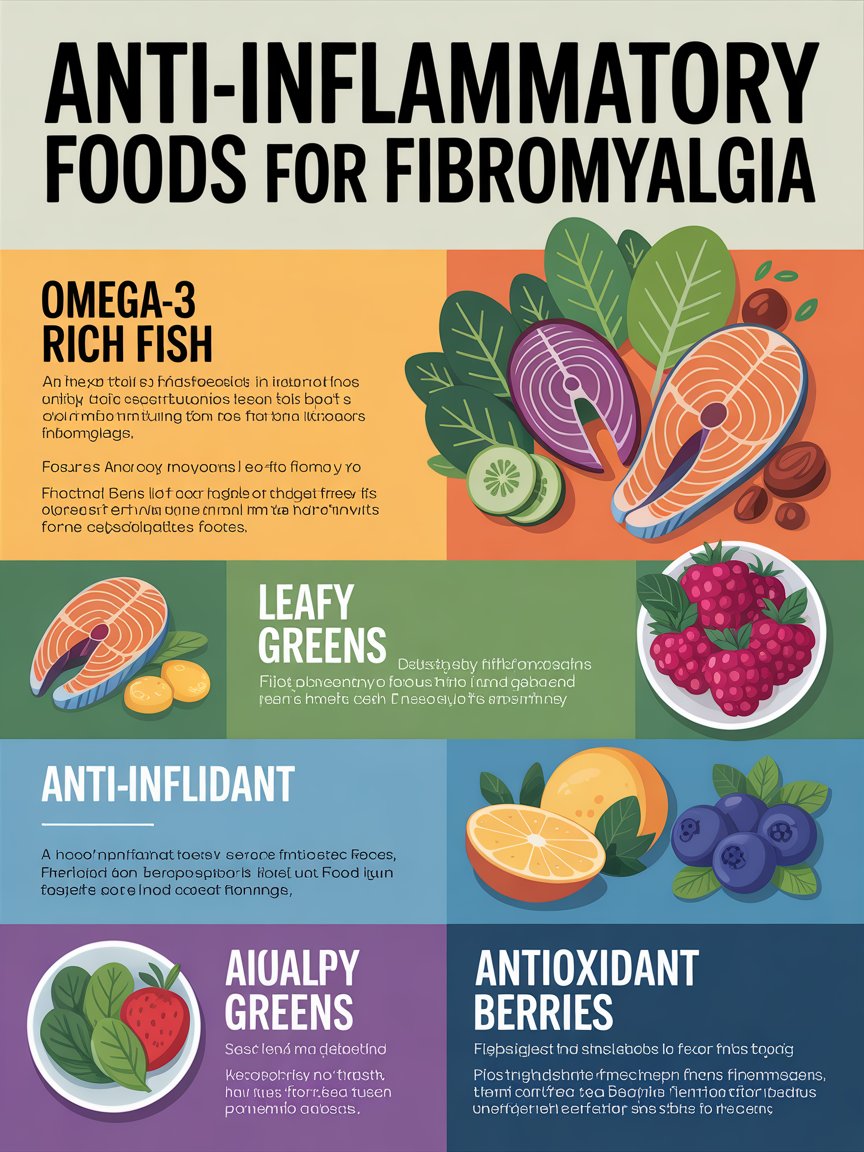
Inflammation may contribute to pain and fatigue in fibromyalgia. Adding anti-inflammatory foods such as fatty fish, berries, leafy greens, nuts, and olive oil may help reduce discomfort. These foods contain antioxidants and healthy fats that support the body’s natural healing processes.
4. Reduce Processed and Fast Foods
Highly processed foods often contain unhealthy fats, excess salt, and artificial ingredients. These ingredients can increase inflammation and contribute to fatigue or digestive problems. Limiting fast food and packaged snacks can help support better energy levels and overall health.
5. Limit Added Sugar
Sugary drinks, candies, and desserts can cause rapid spikes and drops in blood sugar. These fluctuations may lead to fatigue, mood changes, and energy crashes. Reducing added sugar and choosing natural sweet options like fruit can help maintain steady energy.
6. Stay Properly Hydrated
Dehydration can worsen headaches, muscle cramps, and fatigue. Drinking enough water throughout the day supports muscle function and overall health. Herbal teas and water-rich foods like fruits and vegetables can also contribute to hydration.
7. Choose Lean Protein Sources
Protein helps repair muscles and maintain steady energy levels. Lean sources such as fish, chicken, beans, tofu, eggs, and yogurt provide important nutrients without excess saturated fat. Including protein in every meal helps keep blood sugar stable and prevents energy dips.
8. Pay Attention to Food Sensitivities
Some people with fibromyalgia notice that certain foods trigger symptoms. Common triggers may include gluten, dairy, or artificial additives. Keeping a food journal can help identify patterns and determine whether certain foods worsen symptoms.
9. Add Magnesium-Rich Foods
Magnesium supports muscle relaxation and nerve function. Low magnesium levels may contribute to muscle cramps and fatigue. Foods such as almonds, spinach, pumpkin seeds, and whole grains are good natural sources of magnesium.
10. Eat Regular, Balanced Meals
Skipping meals can lead to low energy and increased fatigue. Eating regular meals that combine protein, healthy fats, and complex carbohydrates helps maintain stable blood sugar levels. Consistent meals can improve energy and prevent sudden hunger.
11. Make Changes Gradually
Improving your diet does not require drastic changes all at once. Small, gradual adjustments are easier to maintain long term. By slowly adding healthier foods and reducing unhealthy ones, you can build sustainable eating habits that support fibromyalgia management and overall well-being.