Category: Latest

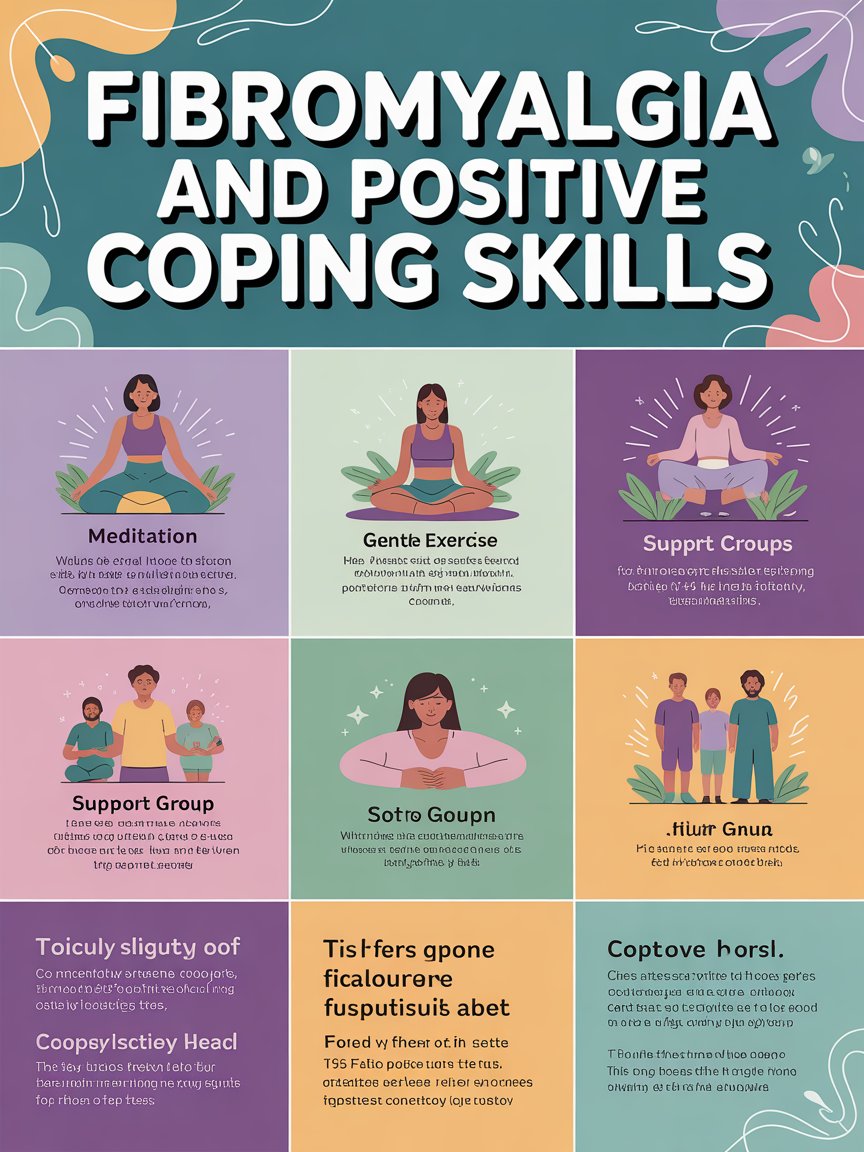
  • Fibromyalgia and Positive Coping Skills

    Fibromyalgia and Positive Coping Skills

    Fibromyalgia and Positive Coping Skills

    1. Understanding Coping With Fibromyalgia

    Fibromyalgia can affect many areas of life, including physical health, emotional well-being, and daily routines. Living with chronic pain and fatigue can sometimes feel overwhelming.

    Developing positive coping skills helps individuals manage symptoms more effectively and maintain a balanced outlook.

    2. Accepting the Condition

    Acceptance is an important step in coping with fibromyalgia. Acknowledging the condition allows individuals to focus on practical strategies rather than constantly fighting the reality of their symptoms.

    Acceptance can create a more peaceful mindset for managing daily challenges.

    3. Practicing Self-Compassion

    People with fibromyalgia may feel frustrated when they cannot do everything they once could. Practicing self-compassion means treating yourself with kindness and patience during difficult moments.

    This mindset helps reduce emotional stress and supports mental well-being.

    4. Setting Realistic Goals

    Setting achievable goals can make daily life more manageable. Instead of focusing on large tasks, breaking goals into smaller steps helps maintain motivation.

    Small successes can build confidence and create a sense of progress.

    5. Learning Activity Pacing

    Pacing activities helps prevent exhaustion and flare-ups. Spreading tasks throughout the day allows the body time to recover between activities.

    This approach helps maintain more stable energy levels.

    6. Using Relaxation Techniques

    Relaxation techniques such as deep breathing, meditation, or mindfulness can calm the nervous system. These practices help reduce stress and may lessen pain intensity.

    Regular relaxation can improve both physical and emotional comfort.

    7. Maintaining Gentle Physical Activity

    Light exercise such as walking, stretching, or yoga can help improve flexibility and circulation. Regular movement may also boost mood and reduce stiffness.

    Starting slowly and increasing activity gradually is important.

    8. Building a Support System

    Emotional support from friends, family, or support groups can make coping easier. Talking with people who understand fibromyalgia helps reduce feelings of isolation.

    Supportive relationships encourage resilience.

    9. Practicing Positive Thinking

    Maintaining a hopeful mindset can help individuals cope with daily challenges. Focusing on positive experiences and progress rather than limitations supports emotional strength.

    Positive thinking does not ignore difficulties but helps manage them more effectively.

    10. Managing Stress Effectively

    Stress can worsen fibromyalgia symptoms. Identifying stress triggers and using calming techniques can help reduce tension and fatigue.

    Regular stress management is a key coping skill.

    11. Staying Organized

    Organization can reduce mental overload. Using planners, notes, or reminders can make daily responsibilities easier to manage.

    Staying organized helps maintain a sense of control.

    12. Making Time for Enjoyable Activities

    Engaging in hobbies or relaxing activities can improve mood and provide a break from focusing on symptoms.

    Simple activities like reading, music, or creative hobbies can bring comfort and joy.

    13. Learning From Experience

    Over time, individuals with fibromyalgia often learn what strategies work best for them. Observing how different habits affect symptoms can guide better coping methods.

    This knowledge helps individuals adapt their routines.

    14. Building Emotional Resilience

    Emotional resilience helps people recover from difficult moments. Developing coping skills, seeking support, and maintaining hope strengthen resilience over time.

    Resilience helps individuals navigate the ups and downs of living with fibromyalgia.

    15. Moving Toward a Balanced Life

    Positive coping skills play a vital role in managing fibromyalgia. Through acceptance, self-care, supportive relationships, and healthy habits, individuals can create a more balanced and fulfilling life.

    With patience and consistent effort, coping strategies can improve both daily comfort and long-term well-being.
  • Managing Fibromyalgia One Day at a Time

    Managing Fibromyalgia One Day at a Time

    Managing Fibromyalgia One Day at a Time

    1. Understanding Daily Management

    Fibromyalgia is a long-term condition that often brings unpredictable symptoms such as pain, fatigue, and difficulty concentrating. Because symptoms can vary from day to day, managing fibromyalgia requires patience and flexible daily strategies.

    Focusing on one day at a time can make the condition feel more manageable.

    2. Starting the Day Gently

    Mornings can be difficult for people with fibromyalgia due to stiffness and fatigue. Beginning the day slowly with gentle stretching or light movement can help wake up the body.

    Allowing extra time in the morning can reduce stress and make the day feel less rushed.

    3. Setting Realistic Daily Goals

    Trying to accomplish too many tasks at once can increase fatigue and pain. Setting small, realistic goals helps maintain motivation without overwhelming the body.

    Completing manageable tasks provides a sense of achievement.

    4. Practicing Activity Pacing

    Pacing involves balancing activity with rest. Instead of completing all tasks at once, spreading them throughout the day helps conserve energy.

    This approach helps prevent overexertion and reduces the risk of symptom flare-ups.

    5. Taking Regular Breaks

    Short breaks during the day allow the body to recover. Rest periods help reduce fatigue and muscle tension.

    Even brief moments of relaxation can make daily activities easier.

    6. Maintaining Gentle Movement

    Although rest is important, staying completely inactive can increase stiffness. Gentle activities such as walking, stretching, or light yoga can support flexibility and circulation.

    Regular movement helps keep the body active without causing strain.

    7. Managing Stress Levels

    Stress can worsen fibromyalgia symptoms by increasing muscle tension and fatigue. Practicing relaxation techniques such as deep breathing or meditation can help calm the nervous system.

    Reducing stress contributes to better daily comfort.

    8. Prioritizing Quality Sleep

    Sleep plays a key role in managing fibromyalgia. Poor sleep can intensify pain and fatigue.

    Developing a consistent sleep routine and creating a comfortable sleeping environment may improve rest.

    9. Listening to the Body’s Signals

    The body often gives warning signs when it needs rest. Increased pain, fatigue, or tension may indicate that it is time to slow down.

    Responding to these signals early can prevent symptoms from worsening.

    10. Eating Balanced Meals

    Healthy nutrition supports energy levels and overall health. Eating balanced meals throughout the day can help maintain steady energy.

    Avoiding long gaps between meals may reduce fatigue.

    11. Staying Hydrated

    Drinking enough water throughout the day helps support body function and prevent dehydration-related fatigue.

    Keeping a water bottle nearby can make it easier to maintain hydration.

    12. Keeping a Symptom Journal

    Tracking daily symptoms can help identify patterns and triggers. Recording activities, stress levels, and sleep quality may reveal factors that influence symptoms.

    This information can help guide better daily decisions.

    13. Seeking Support When Needed

    Living with fibromyalgia can sometimes feel isolating. Talking with supportive friends, family members, or support groups can provide encouragement.

    Sharing experiences can reduce emotional stress.

    14. Practicing Self-Compassion

    Managing fibromyalgia requires patience and understanding. Some days may be more difficult than others.

    Being kind to yourself and accepting limitations can support emotional well-being.

    15. Taking Life One Step at a Time

    Managing fibromyalgia one day at a time helps reduce pressure and overwhelm. By focusing on balanced routines, gentle activity, rest, and self-care, individuals can create a more manageable lifestyle.

    With consistent habits and patience, it is possible to navigate daily life with fibromyalgia while maintaining hope and resilience.

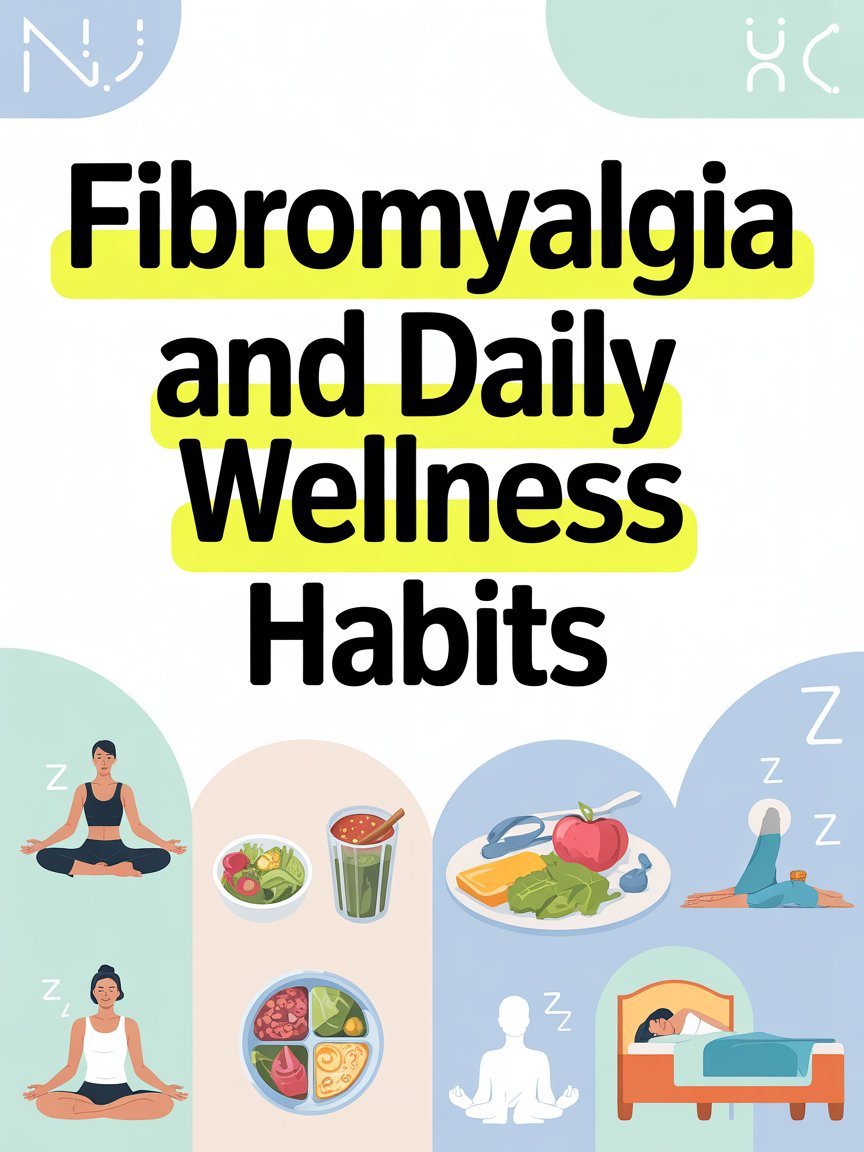
  • Fibromyalgia and Daily Wellness Habits

    Fibromyalgia and Daily Wellness Habits

    Fibromyalgia and Daily Wellness Habits

    1. Understanding Daily Wellness With Fibromyalgia

    Fibromyalgia affects many aspects of daily life, including pain levels, sleep quality, energy, and emotional well-being. Because symptoms can vary from day to day, maintaining consistent wellness habits can help create more stability.

    Daily wellness habits support both physical and mental health, making symptom management easier over time.

    2. Starting the Day With Gentle Movement

    Beginning the day with gentle stretching or light movement can help reduce morning stiffness. Simple activities like slow stretching or a short walk can wake up the body and improve circulation.

    This practice may help prepare the muscles and joints for daily activities.

    3. Maintaining a Consistent Sleep Schedule

    Sleep plays a major role in managing fibromyalgia symptoms. Going to bed and waking up at the same time each day helps regulate the body’s internal clock.

    A consistent sleep routine can improve rest and reduce fatigue.

    4. Eating Balanced and Regular Meals

    Nutrition is an important part of daily wellness. Eating balanced meals that include fruits, vegetables, lean proteins, and whole grains can support steady energy levels.

    Regular meals may also help prevent sudden drops in energy.

    5. Staying Hydrated Throughout the Day

    Proper hydration supports overall body function and energy levels. Drinking enough water can help reduce headaches, fatigue, and difficulty concentrating.

    Keeping a water bottle nearby can make hydration easier.

    6. Practicing Energy Pacing

    Pacing daily activities helps prevent exhaustion and flare-ups. Instead of doing many tasks at once, spreading activities throughout the day allows the body to recover.

    Short rest breaks between tasks can help maintain steady energy.

    7. Managing Stress Effectively

    Stress can worsen fibromyalgia symptoms. Daily stress management techniques such as deep breathing, meditation, or relaxation exercises can calm the nervous system.

    Regular stress relief practices support overall wellness.

    8. Incorporating Gentle Exercise

    Light exercise such as walking, stretching, or yoga can help maintain flexibility and strength. Regular movement can also improve mood and circulation.

    It is important to start slowly and increase activity gradually.

    9. Staying Organized

    Organization can reduce mental strain and improve productivity. Using planners, reminders, or simple to-do lists helps manage daily responsibilities.

    Staying organized can make the day feel more manageable.

    10. Taking Mental Breaks

    Mental fatigue can accompany fibromyalgia. Taking short breaks during work or daily tasks allows the mind to rest and recover.

    Even a few minutes of quiet time can refresh concentration.

    11. Listening to the Body’s Signals

    Paying attention to the body’s signals helps prevent overexertion. Increased pain or fatigue may indicate that it is time to slow down or rest.

    Responding early to these signals can reduce symptom flare-ups.

    12. Creating a Comfortable Environment

    A supportive environment can improve daily comfort. Comfortable furniture, proper lighting, and organized spaces reduce physical and mental strain.

    Small adjustments at home or work can make daily routines easier.

    13. Maintaining Social Connections

    Staying connected with supportive friends or family members can improve emotional well-being. Social interactions help reduce feelings of isolation and provide encouragement.

    Even small interactions can make a positive difference.

    14. Practicing Self-Care Activities

    Self-care activities such as reading, listening to music, or spending time outdoors can promote relaxation and emotional balance.

    Taking time for enjoyable activities is an important part of wellness.

    15. Building a Sustainable Wellness Routine

    Daily wellness habits create a foundation for long-term health with fibromyalgia. By combining healthy sleep, balanced nutrition, gentle movement, stress management, and self-care, individuals can improve their overall quality of life.

    Consistent habits can make living with fibromyalgia more manageable and support better physical and emotional well-being.

  • Best Comfort Strategies for Fibromyalgia

    Best Comfort Strategies for Fibromyalgia

    Best Comfort Strategies for Fibromyalgia

    1. Understanding Comfort Needs

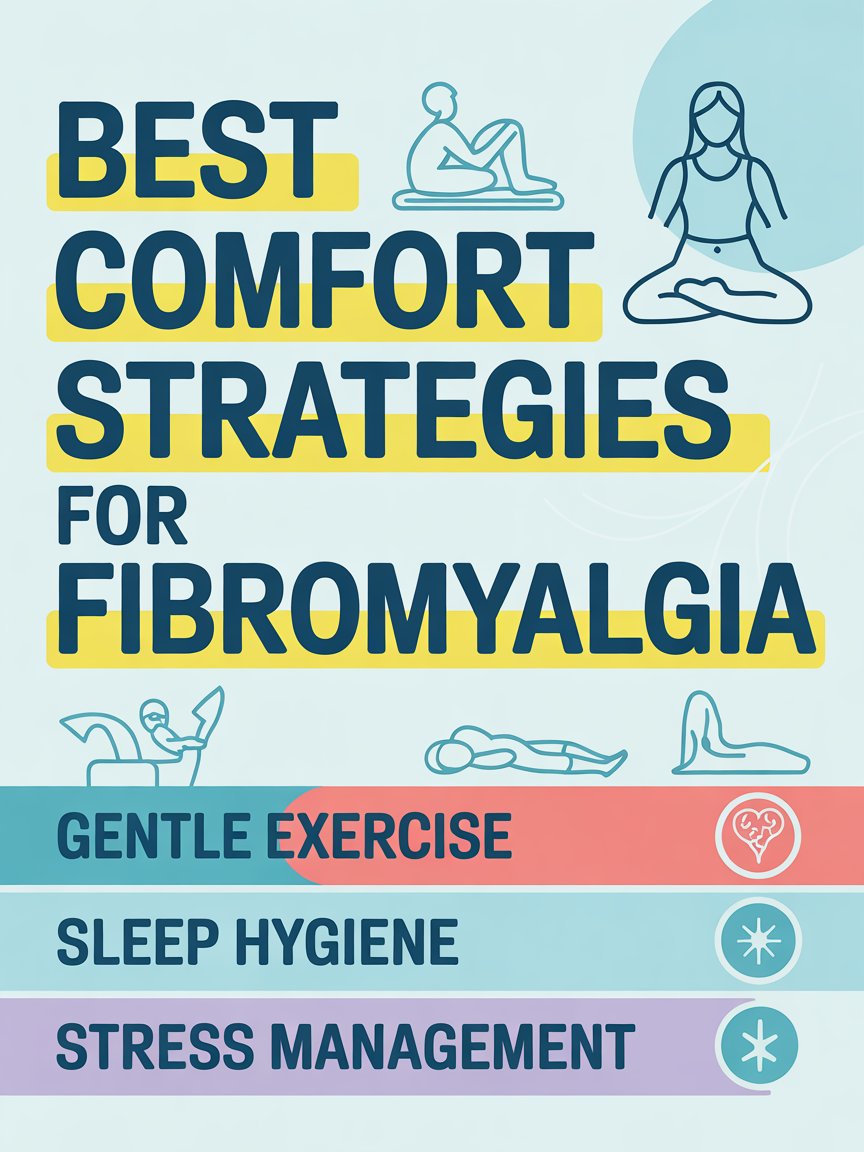
    Fibromyalgia causes widespread pain, fatigue, and stiffness, making daily life challenging. Comfort strategies focus on reducing physical discomfort, improving relaxation, and supporting overall well-being.

    2. Creating a Cozy Home Environment

    A comfortable home environment can help reduce pain and stress. Soft lighting, ergonomic furniture, supportive bedding, and warm surroundings can ease muscle tension and promote relaxation.

    3. Prioritizing Rest and Sleep

    Rest is essential for managing fibromyalgia. High-quality sleep can reduce fatigue and pain sensitivity. Establish a regular sleep routine, use supportive pillows, and maintain a calm, dark, and quiet bedroom.

    4. Gentle Stretching and Movement

    Light stretching or gentle movement helps relieve stiffness and improve circulation. Activities like yoga, tai chi, or slow walks can ease tension and provide a sense of comfort without overexertion.

    5. Heat and Cold Therapy

    Heat therapy, such as warm baths, heating pads, or warm compresses, can relax muscles and soothe pain. Cold therapy can reduce inflammation and numb areas of discomfort. Alternating heat and cold may also help.

    6. Comfortable Clothing and Footwear

    Soft, loose-fitting clothing reduces pressure on sensitive muscles and joints. Supportive shoes help prevent additional strain during walking or standing. Comfort in clothing can significantly reduce daily discomfort.

    7. Mindfulness and Relaxation Techniques

    Practicing mindfulness, meditation, or deep breathing exercises can calm the nervous system. These techniques help reduce stress, lower pain perception, and enhance overall comfort.

    8. Gentle Massage and Self-Massage

    Massage therapy can relieve muscle tension and promote relaxation. Gentle self-massage or professional massage sessions may provide both physical and emotional relief.

    9. Pain Management Tools

    Using tools like ergonomic chairs, cushions, or joint supports can reduce strain on sensitive areas. Hot/cold packs, foam rollers, and adaptive devices can enhance comfort during daily tasks.

    10. Managing Energy Through Pacing

    Pacing involves balancing activity and rest to avoid overexertion. Breaking tasks into smaller steps and taking frequent breaks helps conserve energy and reduces symptom flare-ups.

    11. Nutrition and Hydration

    A balanced diet with plenty of water can help maintain energy and support overall health. Avoiding excess sugar and processed foods may prevent energy crashes and worsening fatigue.

    12. Supportive Social Connections

    Emotional comfort is equally important. Talking to supportive friends, family, or fibromyalgia support groups can reduce stress, anxiety, and feelings of isolation.

    13. Adapt Your Environment for Ease

    Organize living spaces to reduce unnecessary movement and strain. Keep frequently used items within reach, and consider ergonomic arrangements for cooking, working, or cleaning.

    14. Pain Awareness and Early Response

    Being aware of pain signals allows early action to reduce discomfort. Adjusting posture, using heat/cold therapy, or taking short rests can prevent pain from escalating.

    15. Combining Strategies for Daily Comfort

    No single approach works for everyone. Combining multiple comfort strategies—rest, gentle movement, supportive tools, stress reduction, and emotional support—can improve daily life.

    With consistent practice, these comfort strategies can reduce the impact of fibromyalgia symptoms and help maintain a more relaxed, balanced, and fulfilling daily routine.

  • Fibromyalgia and Lifestyle Balance

    Fibromyalgia and Lifestyle Balance

    Fibromyalgia and Lifestyle Balance

    1. Understanding Lifestyle Balance With Fibromyalgia

    Fibromyalgia affects many aspects of daily life, including physical activity, sleep, emotional health, and energy levels. Because symptoms can vary from day to day, maintaining a balanced lifestyle becomes essential.

    Lifestyle balance helps individuals manage symptoms while still participating in meaningful activities.

    2. Why Balance Is Important

    Without balance, people with fibromyalgia may experience cycles of overexertion and exhaustion. Doing too much in a short period can lead to flare-ups and increased fatigue.

    A balanced lifestyle helps maintain steady energy and reduces symptom intensity.

    3. Creating a Stable Daily Routine

    Establishing a consistent routine can help regulate the body’s natural rhythms. Regular sleep times, meals, and activity periods support better overall functioning.

    Consistency can also reduce stress and mental overload.

    4. Balancing Activity and Rest

    Finding the right mix of activity and rest is crucial. Too much activity may worsen pain and fatigue, while too little movement can increase stiffness.

    Scheduling rest breaks throughout the day helps maintain energy levels.

    5. Prioritizing Quality Sleep

    Sleep plays a major role in managing fibromyalgia symptoms. Many individuals experience poor or non-restorative sleep, which can increase fatigue and pain.

    Creating a calming bedtime routine may improve sleep quality.

    6. Maintaining Gentle Physical Activity

    Light exercise such as walking, stretching, or yoga can help maintain muscle strength and flexibility. Regular movement also supports circulation and mood.

    Starting slowly and increasing activity gradually can prevent overexertion.

    7. Managing Stress Effectively

    Stress can significantly worsen fibromyalgia symptoms. Emotional tension often increases muscle tightness and fatigue.

    Practicing relaxation techniques such as deep breathing, meditation, or mindfulness can help reduce stress.

    8. Eating a Balanced Diet

    Nutrition plays an important role in maintaining energy levels. Eating a balanced diet with whole foods, fruits, vegetables, and lean proteins supports overall health.

    Stable blood sugar levels can help prevent sudden drops in energy.

    9. Listening to the Body

    Learning to recognize the body’s signals is key to maintaining balance. Increased pain, fatigue, or tension may indicate that it is time to slow down.

    Responding early to these signals can prevent symptom flare-ups.

    10. Setting Realistic Expectations

    Living with fibromyalgia often requires adjusting expectations. Setting achievable goals helps reduce frustration and encourages steady progress.

    Focusing on what can be accomplished each day creates a more positive outlook.

    11. Maintaining Emotional Well-Being

    Emotional health is closely connected to physical health. Chronic pain and fatigue can sometimes lead to stress, anxiety, or sadness.

    Taking time for enjoyable activities and emotional support can improve well-being.

    12. Building a Supportive Environment

    A supportive home and work environment can make daily life easier. Comfortable spaces, organized routines, and helpful tools reduce physical strain.

    These adjustments help conserve energy and improve comfort.

    13. Staying Socially Connected

    Maintaining relationships with family and friends is important for emotional health. Social connections provide encouragement and understanding.

    Even small social interactions can help reduce feelings of isolation.

    14. Adapting to Changing Needs

    Fibromyalgia symptoms can change over time. Lifestyle habits may need to be adjusted as energy levels and physical abilities shift.

    Flexibility in routines helps individuals maintain balance despite these changes.

    15. Living a Balanced Life With Fibromyalgia

    Achieving lifestyle balance with fibromyalgia requires patience, awareness, and consistent self-care. By managing activity levels, prioritizing rest, reducing stress, and maintaining healthy habits, individuals can improve their daily comfort.

    With thoughtful adjustments and supportive routines, it is possible to live a fulfilling and balanced life while managing fibromyalgia.

  • Fibromyalgia and Pain Awareness

    Fibromyalgia and Pain Awareness

    Fibromyalgia and Pain Awareness

    1. Understanding Pain in Fibromyalgia

    Fibromyalgia is primarily known for causing widespread and persistent pain throughout the body. This pain can affect muscles, joints, and soft tissues, making everyday activities more challenging.

    Pain awareness helps individuals recognize how their body responds to different situations and triggers.

    2. What Pain Awareness Means

    Pain awareness involves understanding when pain begins, how intense it becomes, and what may cause it. Being aware of these patterns can help people respond more effectively to symptoms.

    This awareness allows individuals to make adjustments before pain becomes overwhelming.

    3. How Fibromyalgia Pain Feels

    Fibromyalgia pain is often described as aching, burning, or throbbing. It may move from one area of the body to another and can vary in intensity from day to day.

    Recognizing these sensations can help individuals better communicate their experiences to healthcare providers and loved ones.

    4. The Role of the Nervous System

    Fibromyalgia is believed to affect how the brain and nervous system process pain signals. The body may become more sensitive to sensations that would not normally cause discomfort.

    This heightened sensitivity explains why pain awareness is especially important for people with fibromyalgia.

    5. Identifying Pain Triggers

    Certain factors may trigger or worsen pain symptoms. These can include stress, poor sleep, weather changes, or physical overexertion.

    Identifying these triggers can help individuals reduce their impact on daily life.

    6. Monitoring Daily Symptoms

    Keeping track of pain levels throughout the day can provide valuable insights. Some people use journals or mobile apps to record symptoms and activities.

    This information can reveal patterns that help with better symptom management.

    7. Recognizing Early Warning Signs

    Pain often increases gradually before becoming severe. Early warning signs might include muscle tightness, fatigue, or increased sensitivity.

    Responding early by resting or adjusting activities can help prevent a full flare-up.

    8. The Importance of Body Awareness

    Developing body awareness means paying attention to physical sensations without ignoring them. Learning to recognize discomfort early allows individuals to take action before pain intensifies.

    This practice encourages healthier responses to symptoms.

    9. Communicating About Pain

    Pain awareness also helps individuals describe their symptoms more clearly. Explaining the type, location, and intensity of pain can help healthcare providers understand the condition better.

    Clear communication can support more effective care.

    10. Using Relaxation Techniques

    Relaxation techniques such as deep breathing, meditation, or gentle stretching can help calm the nervous system.

    Reducing physical and emotional tension may help decrease pain intensity.

    11. Balancing Activity and Rest

    Too much activity can worsen fibromyalgia pain, while too little movement may cause stiffness.

    Balancing activity with regular rest periods supports better pain control.

    12. Creating a Comfortable Environment

    A supportive environment can help reduce pain triggers. Comfortable furniture, proper posture, and relaxing surroundings may ease muscle tension.

    Small adjustments in daily surroundings can improve overall comfort.

    13. Emotional Awareness and Pain

    Emotions can influence how pain is experienced. Stress, anxiety, or frustration may increase pain sensitivity.

    Being aware of emotional triggers can help individuals manage both mental and physical symptoms.

    14. Long-Term Pain Management

    Pain awareness is a long-term skill that develops over time. The more individuals understand their symptoms, the better they can respond to them.

    Consistent self-monitoring can lead to improved symptom control.

    15. Empowerment Through Awareness

    Understanding pain patterns allows individuals with fibromyalgia to take a more active role in managing their condition. By recognizing triggers, adjusting activities, and practicing self-care, they can reduce the impact of pain on daily life.

    Pain awareness empowers people to make informed decisions that support better health and well-being.

  • How to Support Someone With Fibromyalgia

    How to Support Someone With Fibromyalgia

    How to Support Someone With Fibromyalgia

    1. Understanding Fibromyalgia

    Fibromyalgia is a long-term condition that causes widespread pain, fatigue, sleep problems, and difficulty concentrating. Because the symptoms are often invisible, many people living with fibromyalgia may struggle to explain what they are experiencing.

    Understanding the condition is the first step in providing meaningful support.

    2. Listen With Empathy

    One of the most helpful things you can do is simply listen. People with fibromyalgia often feel misunderstood or dismissed.

    Listening with patience and empathy helps them feel validated and supported.

    3. Believe Their Experience

    Fibromyalgia symptoms may not always be visible, but they are very real. Doubting or minimizing someone’s pain can be discouraging.

    Showing belief and understanding can strengthen trust and emotional comfort.

    4. Learn About the Condition

    Taking time to learn about fibromyalgia can improve your ability to support someone effectively. Understanding common symptoms and triggers helps you recognize what they may be going through.

    Education also reduces misunderstandings about the condition.

    5. Be Patient With Their Energy Levels

    People with fibromyalgia often experience extreme fatigue. Their energy levels may vary from day to day.

    Being patient and flexible with plans can help reduce pressure and stress.

    6. Offer Practical Help

    Daily tasks such as cleaning, shopping, or cooking may become difficult during symptom flare-ups.

    Offering practical help with these activities can make a significant difference.

    7. Encourage Rest Without Judgment

    Rest is an essential part of managing fibromyalgia symptoms. Instead of viewing rest as laziness, recognize it as an important health need.

    Encouraging rest shows respect for their physical limits.

    8. Support Healthy Habits

    Encouraging healthy habits such as gentle exercise, balanced nutrition, and proper sleep can help improve well-being.

    You can support these habits by participating in relaxing or healthy activities together.

    9. Be Flexible With Plans

    Symptoms can change quickly, which may require canceling or adjusting plans.

    Showing flexibility and understanding helps reduce guilt or anxiety for the person with fibromyalgia.

    10. Provide Emotional Support

    Living with a chronic condition can affect emotional well-being. Feelings of frustration, sadness, or isolation are common.

    Offering reassurance and emotional support can help them cope with these challenges.

    11. Avoid Unsolicited Advice

    While suggestions may come from good intentions, constant advice can sometimes feel overwhelming.

    Instead, ask if they would like help or suggestions before offering them.

    12. Respect Their Limits

    Everyone with fibromyalgia has different limits when it comes to physical activity and daily tasks.

    Respecting these limits helps prevent symptom flare-ups and shows genuine care.

    13. Encourage Positive Activities

    Gentle activities such as walking, stretching, or creative hobbies may help improve mood and relaxation.

    Participating in these activities together can strengthen your connection.

    14. Stay Supportive During Flare-Ups

    During flare-ups, symptoms may become more intense. The person may need extra rest and understanding during this time.

    Providing patience and encouragement during difficult moments can be very comforting.

    15. Building a Supportive Relationship

    Supporting someone with fibromyalgia involves compassion, patience, and understanding. By listening, learning about the condition, and offering practical help, you can make a meaningful difference in their life.

    Your support can help them feel less alone and more confident in managing their condition.

  • Fibromyalgia and Stress Recovery

    Fibromyalgia and Stress Recovery

    Fibromyalgia and Stress Recovery

    1. Understanding Stress in Fibromyalgia

    Fibromyalgia is strongly influenced by stress levels. Emotional and physical stress can intensify symptoms such as pain, fatigue, and sleep problems. Many individuals notice that their symptoms worsen during stressful periods.

    Learning how to recover from stress is an important part of managing fibromyalgia.

    2. The Connection Between Stress and Pain

    Stress triggers the body’s fight-or-flight response, releasing hormones that increase muscle tension and sensitivity. For people with fibromyalgia, this response can amplify pain signals.

    Reducing stress helps calm the nervous system and may lessen symptom intensity.

    3. Recognizing Stress Triggers

    Stress triggers can vary from person to person. Work pressure, emotional challenges, lack of sleep, or physical overexertion may all contribute.

    Identifying these triggers allows individuals to take steps to reduce their impact.

    4. The Importance of Rest and Recovery

    After stressful events, the body needs time to recover. Rest allows muscles and the nervous system to relax and regain balance.

    Scheduling recovery time after demanding activities can help prevent symptom flare-ups.

    5. Practicing Deep Breathing

    Deep breathing exercises can quickly calm the body’s stress response. Slow and steady breathing helps relax muscles and improve oxygen flow.

    Even a few minutes of breathing practice can create a noticeable sense of calm.

    6. Gentle Movement for Stress Relief

    Light physical activities such as stretching, walking, or yoga can help release built-up tension. Movement improves circulation and supports relaxation.

    These activities should be performed gently to avoid overexertion.

    7. The Role of Quality Sleep

    Sleep is essential for both physical and emotional recovery. Poor sleep can increase stress sensitivity and worsen fibromyalgia symptoms.

    Creating a consistent bedtime routine may support better sleep quality.

    8. Mindfulness and Meditation

    Mindfulness practices encourage focusing on the present moment. Meditation, guided relaxation, or quiet reflection can reduce mental overload.

    Regular mindfulness practice may help stabilize mood and stress levels.

    9. Setting Healthy Boundaries

    Learning to say no to excessive demands is an important stress management strategy. Overcommitting can drain energy and worsen symptoms.

    Setting clear boundaries helps protect physical and emotional well-being.

    10. Staying Organized

    Disorganization and time pressure can increase daily stress. Using planners or schedules can help manage responsibilities more effectively.

    Better organization reduces mental strain and improves focus.

    11. Connecting With Supportive People

    Talking with trusted friends or family members can help relieve emotional stress. Supportive conversations provide comfort and understanding.

    Support networks play an important role in stress recovery.

    12. Engaging in Relaxing Activities

    Hobbies and enjoyable activities can shift attention away from stress. Reading, listening to music, or spending time in nature may promote relaxation.

    Regular relaxation helps maintain emotional balance.

    13. Maintaining a Balanced Lifestyle

    A balanced lifestyle that includes proper nutrition, physical activity, and rest supports long-term stress recovery. Consistency in healthy habits helps the body stay resilient.

    These habits can gradually improve overall well-being.

    14. Learning Patience With Recovery

    Stress recovery may take time, especially when living with fibromyalgia. Some days may feel more challenging than others.

    Practicing patience and self-compassion helps individuals stay motivated through difficult periods.

    15. Moving Toward Greater Calm and Stability

    Managing stress is a key part of living well with fibromyalgia. By recognizing stress triggers, prioritizing rest, and practicing relaxation techniques, individuals can support their body’s recovery.

    Over time, consistent stress management can lead to improved comfort and a more balanced daily life.

  • Living a Full Life With Fibromyalgia

    Living a Full Life With Fibromyalgia

    Living a Full Life With Fibromyalgia

    1. Understanding Life With Fibromyalgia

    Fibromyalgia can bring daily challenges such as widespread pain, fatigue, sleep disturbances, and cognitive difficulties. These symptoms may affect work, relationships, and everyday activities.

    However, with the right strategies and mindset, many people with fibromyalgia can still live meaningful and fulfilling lives.

    2. Accepting the Condition

    Acceptance is often the first step toward living well with fibromyalgia. While it may take time to adjust, acknowledging the condition allows individuals to focus on managing symptoms rather than fighting against them.

    Acceptance can create space for healthier coping strategies and emotional balance.

    3. Learning Personal Limits

    Understanding personal energy levels and physical limits is important. Pushing beyond these limits can worsen symptoms and lead to flare-ups.

    Recognizing when to slow down or rest helps protect long-term health.

    4. Creating a Balanced Routine

    A balanced daily routine can help manage symptoms more effectively. Planning time for work, rest, and relaxation supports steady energy levels.

    Consistency in daily habits can make life with fibromyalgia more manageable.

    5. Prioritizing Rest and Sleep

    Quality sleep plays a major role in symptom management. Many individuals with fibromyalgia struggle with non-restorative sleep, which can increase fatigue and pain.

    Developing healthy sleep habits can improve overall well-being.

    6. Staying Physically Active

    Although movement may feel difficult at times, gentle physical activity can support strength and flexibility. Activities like stretching, walking, or light yoga may reduce stiffness.

    Starting slowly and progressing gradually helps prevent overexertion.

    7. Managing Stress Levels

    Stress can worsen fibromyalgia symptoms by increasing muscle tension and fatigue. Finding effective ways to manage stress is an important part of daily life.

    Relaxation techniques such as deep breathing or meditation can help calm the body and mind.

    8. Eating a Balanced Diet

    Nutrition can influence energy levels and overall health. Eating a balanced diet with whole foods, fruits, vegetables, and healthy proteins may support better daily functioning.

    Maintaining stable blood sugar levels can also help prevent fatigue.

    9. Building a Support System

    Living with fibromyalgia can sometimes feel isolating. Having supportive friends, family members, or support groups can provide encouragement and understanding.

    Sharing experiences with others can make challenges feel more manageable.

    10. Communicating With Others

    Open communication helps others understand what living with fibromyalgia is like. Explaining symptoms and personal limitations can improve support and reduce misunderstandings.

    Honest conversations can strengthen relationships.

    11. Setting Realistic Goals

    Adjusting personal goals can help create a more positive outlook. Instead of focusing on limitations, individuals can focus on achievable goals that match their current abilities.

    Small accomplishments can build confidence and motivation.

    12. Maintaining Emotional Well-Being

    Chronic conditions can sometimes affect emotional health. Taking time to care for emotional needs is just as important as managing physical symptoms.

    Activities that bring joy and relaxation can support emotional balance.

    13. Adapting the Environment

    Simple adjustments at home or work can make daily tasks easier. Comfortable furniture, organized spaces, and supportive tools can reduce physical strain.

    A supportive environment can improve comfort and productivity.

    14. Staying Hopeful and Motivated

    Living with fibromyalgia requires patience and resilience. While symptoms may fluctuate, many individuals find ways to adapt and continue pursuing meaningful activities.

    Maintaining hope and focusing on progress can strengthen motivation.

    15. Embracing a Fulfilling Life

    Although fibromyalgia presents ongoing challenges, it does not define a person’s entire life. With supportive habits, balanced routines, and strong emotional resilience, individuals can continue to pursue their passions and goals.

    Living a full life with fibromyalgia means focusing on what is possible and celebrating each step forward.

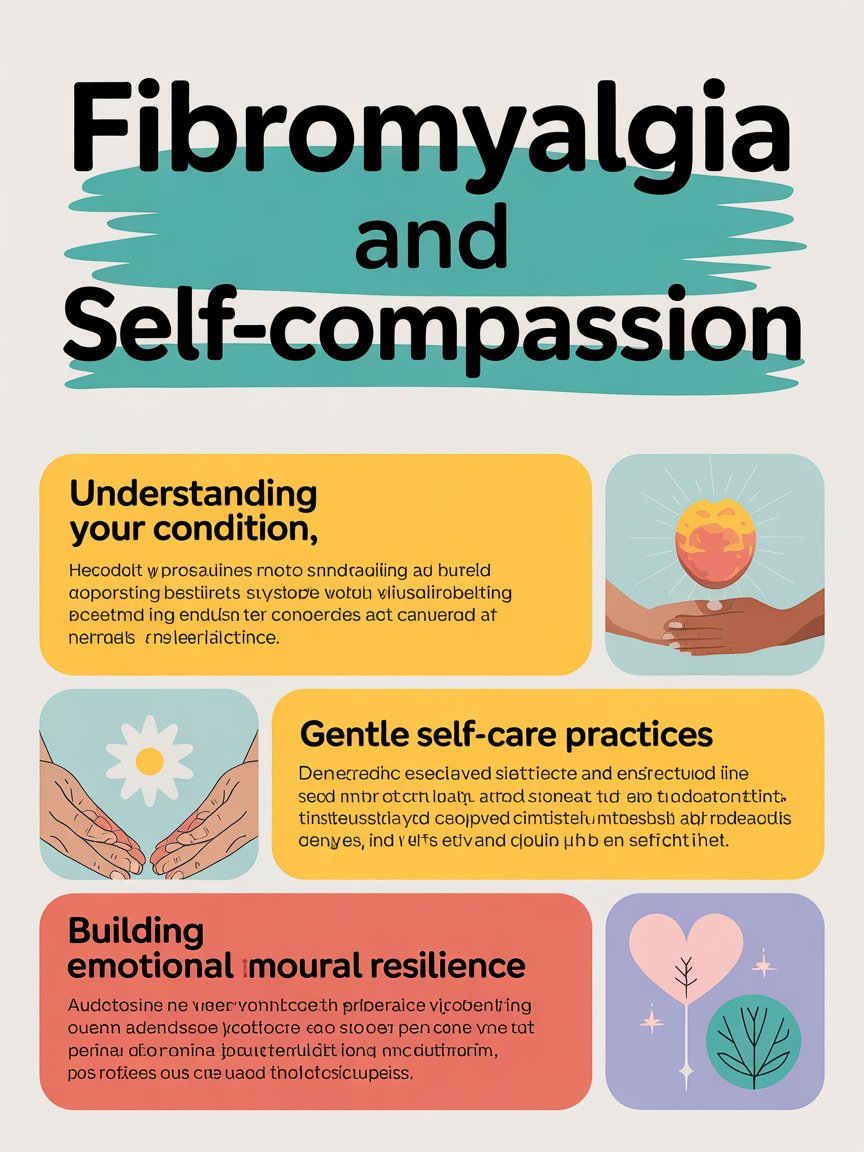
  • Fibromyalgia and Self-Compassion

    Fibromyalgia and Self-Compassion

    Fibromyalgia and Self-Compassion

    1. Understanding Self-Compassion in Fibromyalgia

    Fibromyalgia can affect many aspects of daily life, including physical health, emotional well-being, and personal expectations. Because symptoms can be unpredictable, many people feel frustrated when they cannot do everything they once could.

    Self-compassion involves treating yourself with kindness and understanding rather than self-criticism during difficult moments.

    2. Why Self-Compassion Matters

    Living with a chronic condition can sometimes lead to feelings of guilt or disappointment. People may blame themselves for needing rest or for not completing tasks as planned.

    Practicing self-compassion helps reduce emotional stress and encourages a healthier mindset.

    3. Accepting Physical Limitations

    Fibromyalgia symptoms such as pain, fatigue, and brain fog can make daily activities more challenging. Accepting these limitations does not mean giving up; it means recognizing what the body needs.

    Acknowledging personal limits allows individuals to make choices that protect their health.

    4. Letting Go of Self-Blame

    Many individuals with fibromyalgia struggle with self-blame, especially when others may not fully understand their condition. It is important to remember that fibromyalgia is a real medical condition and not a personal weakness.

    Replacing blame with understanding can support emotional healing.

    5. Practicing Kind Self-Talk

    The way people speak to themselves can influence emotional well-being. Harsh self-criticism can increase stress and frustration.

    Using gentle and supportive inner dialogue helps create a more positive mindset.

    6. Allowing Time for Rest

    Rest is an important part of managing fibromyalgia. Instead of feeling guilty about taking breaks, individuals can view rest as a necessary form of self-care.

    Listening to the body’s needs helps prevent worsening symptoms.

    7. Setting Realistic Expectations

    Adjusting expectations can reduce pressure and disappointment. Setting achievable goals makes daily tasks feel more manageable.

    Small accomplishments can provide a sense of progress and motivation.

    8. Celebrating Small Wins

    Living with fibromyalgia often means that even simple tasks require effort. Recognizing and celebrating small achievements can boost confidence and emotional resilience.

    Every step forward is meaningful.

    9. Managing Emotional Stress

    Emotional stress can worsen fibromyalgia symptoms. Self-compassion helps reduce stress by encouraging patience and understanding toward oneself.

    Relaxation techniques and mindfulness practices may support emotional balance.

    10. Building Healthy Boundaries

    Self-compassion also involves setting boundaries with others. Saying no to activities that cause excessive strain is a form of protecting your well-being.

    Healthy boundaries help conserve energy and reduce stress.

    11. Practicing Mindfulness

    Mindfulness encourages focusing on the present moment without judgment. This practice can help individuals observe their feelings and physical sensations with acceptance.

    Mindfulness can support both emotional and physical comfort.

    12. Seeking Emotional Support

    Talking with supportive friends, family members, or support groups can reduce feelings of isolation. Sharing experiences with others who understand fibromyalgia can be comforting.

    Supportive connections strengthen emotional resilience.

    13. Developing Patience With Yourself

    Progress with fibromyalgia management often happens gradually. Some days may feel easier, while others may be more challenging.

    Patience helps individuals stay compassionate with themselves throughout this journey.

    14. Creating a Self-Care Routine

    Regular self-care activities such as relaxation, gentle exercise, and healthy sleep habits can support overall well-being.

    A consistent routine helps nurture both physical and emotional health.

    15. Living With Kindness Toward Yourself

    Self-compassion is an essential part of living well with fibromyalgia. By treating yourself with patience, kindness, and understanding, it becomes easier to cope with daily challenges.

    Over time, practicing self-compassion can lead to greater emotional strength and a healthier relationship with your body and mind.