Category: Latest

  • Tips for Better Sleep With Fibromyalgia

    Tips for Better Sleep With Fibromyalgia

    Tips for Better Sleep With Fibromyalgia

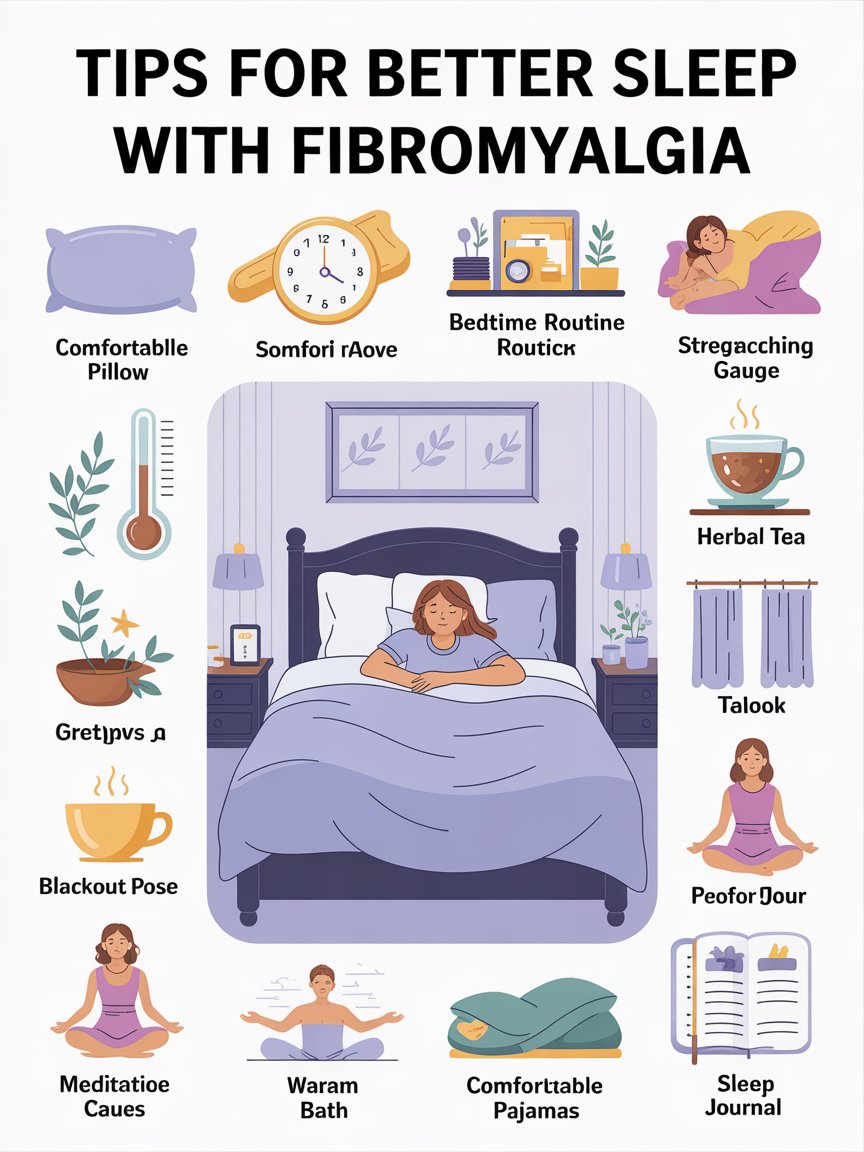
    1. Understanding Sleep Problems in Fibromyalgia

    Fibromyalgia often affects sleep quality, making it difficult for many patients to fall asleep or stay asleep throughout the night. Even after a full night in bed, people with fibromyalgia may wake up feeling tired and unrefreshed. Improving sleep habits can play a major role in reducing fatigue and managing symptoms.

    2. Creating a Consistent Sleep Schedule

    Going to bed and waking up at the same time every day helps regulate the body’s internal clock. A consistent sleep schedule trains the body to prepare for rest at the same time each night. Over time, this habit can make it easier to fall asleep and wake up feeling more refreshed.

    3. Building a Relaxing Bedtime Routine

    A calming routine before bed can signal to the body that it is time to relax. Activities such as reading, listening to soft music, or practicing deep breathing can help reduce stress before sleep. A relaxing routine can make the transition from wakefulness to sleep smoother.

    4. Creating a Comfortable Sleep Environment

    The bedroom environment plays an important role in sleep quality. A quiet, dark, and cool room can promote better rest. Comfortable bedding and supportive pillows can also help reduce pressure on sensitive muscles and joints.

    5. Limiting Screen Time Before Bed

    Electronic devices such as phones, tablets, and computers emit blue light that can interfere with sleep. This light can suppress the production of melatonin, the hormone that helps regulate sleep. Limiting screen use at least an hour before bedtime may improve sleep quality.

    6. Practicing Gentle Evening Stretching

    Light stretching before bed can help relax muscles and reduce stiffness. Gentle stretches can release tension built up during the day and prepare the body for rest. This can be particularly helpful for fibromyalgia patients who experience nighttime discomfort.

    7. Managing Stress Before Sleep

    Stress and anxiety can make it difficult to fall asleep. Practicing relaxation techniques such as meditation or mindfulness can calm the mind and body. Reducing mental tension before bedtime can lead to deeper and more restful sleep.

    8. Avoiding Heavy Meals Late at Night

    Eating large meals close to bedtime may interfere with sleep. The body needs time to digest food, which can make it harder to relax and fall asleep. Choosing lighter evening meals can help the body settle down for rest.

    9. Limiting Caffeine Intake

    Caffeine is a stimulant that can stay in the body for several hours. Drinking coffee, tea, or caffeinated beverages late in the day may disrupt sleep patterns. Reducing caffeine intake in the afternoon and evening can help improve sleep.

    10. Using Heat Therapy for Relaxation

    Warm baths or heating pads can help relax tight muscles before bed. Heat therapy improves blood flow and reduces muscle stiffness. Many fibromyalgia patients find that warmth helps them fall asleep more comfortably.

    11. Staying Physically Active During the Day

    Regular daytime activity can help improve nighttime sleep. Gentle exercise such as walking or yoga helps regulate the sleep cycle and reduce stress. However, intense exercise late in the evening may interfere with sleep for some people.

    12. Keeping a Sleep Journal

    Tracking sleep habits can help identify patterns that affect sleep quality. Recording bedtime, wake-up time, and nighttime disturbances may reveal helpful insights. This information can guide adjustments to daily routines.

    13. Reducing Noise and Light Disturbances

    External disturbances can interrupt sleep and prevent deep rest. Using blackout curtains, white noise machines, or earplugs can help create a more peaceful sleeping environment. Minimizing disruptions helps the body remain in deeper sleep stages.

    14. Talking to a Healthcare Professional

    If sleep problems continue despite lifestyle changes, professional guidance may be helpful. Healthcare providers can recommend treatments or therapies that improve sleep quality. Addressing sleep issues can significantly improve fibromyalgia management.

    15. Building Healthy Long-Term Sleep Habits

    Better sleep often comes from consistent and healthy habits over time. Establishing routines, managing stress, and creating a comfortable sleep environment all contribute to improved rest. With the right strategies, individuals with fibromyalgia can experience better sleep and improved overall well-being.


  • Fibromyalgia and Chronic Stress

    Fibromyalgia and Chronic Stress

    Fibromyalgia and Chronic Stress

    1. Understanding Fibromyalgia and Stress

    Fibromyalgia is a chronic condition characterized by widespread pain, fatigue, sleep problems, and increased sensitivity to pain. Many people living with fibromyalgia also experience chronic stress, which can make symptoms more intense. Understanding the connection between fibromyalgia and stress is important for better symptom management.

    2. What Is Chronic Stress?

    Chronic stress occurs when the body remains in a constant state of tension for long periods. Unlike short-term stress, which the body can recover from quickly, chronic stress keeps the body’s stress response system active. This ongoing stress can negatively affect both physical and emotional health.

    3. How Stress Affects the Nervous System

    Stress directly impacts the nervous system, which plays a major role in fibromyalgia. When a person experiences ongoing stress, the body releases stress hormones such as cortisol and adrenaline. These hormones can increase sensitivity to pain and worsen fibromyalgia symptoms.

    4. Stress as a Trigger for Fibromyalgia Flares

    Many individuals with fibromyalgia notice that their symptoms worsen during stressful periods. Emotional stress, work pressure, or major life changes can trigger flare-ups. Stress can increase muscle tension, fatigue, and overall discomfort.

    5. The Cycle of Stress and Pain

    Fibromyalgia and chronic stress often create a difficult cycle. Pain can cause stress, and stress can increase pain. This cycle may also lead to sleep disturbances, which further intensify fatigue and discomfort.

    6. Stress and Sleep Disturbances

    Sleep problems are common in fibromyalgia patients. Chronic stress can make it harder to fall asleep or stay asleep. Poor sleep prevents the body from properly recovering, which can worsen pain and fatigue.

    7. Emotional Impact of Chronic Stress

    Living with a chronic illness can be emotionally challenging. Constant pain and fatigue may lead to frustration, anxiety, or sadness. Emotional stress can further strain the body and contribute to worsening fibromyalgia symptoms.

    8. The Role of Relaxation Techniques

    Relaxation techniques can help reduce the impact of chronic stress. Practices such as deep breathing, meditation, and mindfulness can calm the nervous system. These techniques help the body shift from a stress response to a relaxation response.

    9. Physical Activity and Stress Reduction

    Gentle physical activity can also help manage stress levels. Activities like walking, stretching, or light yoga promote the release of endorphins, which improve mood and reduce tension. Regular movement can support both physical and emotional health.

    10. Importance of Time Management

    Managing daily responsibilities can reduce stress for fibromyalgia patients. Overloading the schedule may lead to exhaustion and flare-ups. Planning activities and allowing time for rest can help maintain balance.

    11. Building Healthy Coping Strategies

    Developing healthy coping strategies is essential for managing chronic stress. Talking with trusted friends, journaling, or engaging in relaxing hobbies can help relieve emotional pressure. These activities provide healthy outlets for stress.

    12. Creating a Calm Environment

    A calm and comfortable environment can help reduce daily stress. Soft lighting, quiet spaces, and relaxing music can promote relaxation. Creating a peaceful home atmosphere supports emotional well-being.

    13. Seeking Professional Support

    Some individuals benefit from professional guidance when dealing with chronic stress. Therapists or counselors can help patients develop effective stress management strategies. Professional support can also address anxiety or emotional struggles related to fibromyalgia.

    14. Recognizing Personal Stress Triggers

    Understanding what causes stress is an important step toward managing it. Identifying triggers such as work pressure, lack of sleep, or personal conflicts can help patients prepare better coping strategies. Awareness allows individuals to respond more effectively.

    15. Managing Stress for Better Fibromyalgia Control

    While chronic stress can worsen fibromyalgia symptoms, it can be managed with healthy habits and support. Relaxation, balanced routines, and emotional care all contribute to better symptom control. By reducing stress levels, individuals with fibromyalgia can improve their overall quality of life.

  • How to Build a Fibromyalgia Support System

    How to Build a Fibromyalgia Support System

    How to Build a Fibromyalgia Support System

    1. Understanding the Importance of Support

    Living with Fibromyalgia can be physically and emotionally challenging. Because the condition often involves chronic pain, fatigue, and unpredictable flare-ups, having a strong support system can make a significant difference. Support from others helps patients feel understood, less isolated, and better equipped to manage daily challenges.

    2. Starting With Family Members

    Family members are often the first and most important part of a support system. Educating them about fibromyalgia helps them understand what the patient is experiencing. When family members learn about symptoms and limitations, they can offer more patience, empathy, and practical help.

    3. Communicating Your Needs Clearly

    Open communication is essential when building a support network. Fibromyalgia patients should feel comfortable explaining their needs, limitations, and symptoms. Clear conversations help others understand how they can provide meaningful support.

    4. Including Close Friends

    Trusted friends can play an important role in emotional support. Friends who understand the condition can offer companionship, encouragement, and help during difficult days. Even simple activities like talking or spending time together can improve emotional well-being.

    5. Connecting With Support Groups

    Joining fibromyalgia support groups allows patients to connect with others who share similar experiences. These groups provide a safe space for discussing symptoms, coping strategies, and emotional challenges. Hearing from others with similar struggles can be very reassuring.

    6. Seeking Professional Guidance

    Healthcare professionals can also be part of a strong support system. Doctors, therapists, and counselors can help manage symptoms and provide advice on coping strategies. Professional guidance helps patients develop practical tools for living with fibromyalgia.

    7. Educating Your Support Network

    Many people may not fully understand fibromyalgia because it is an invisible illness. Taking time to educate loved ones about symptoms and daily challenges can improve their understanding. Awareness helps build empathy and stronger support.

    8. Building Emotional Support

    Emotional encouragement is just as important as physical help. Supportive people can provide reassurance during difficult moments. A kind word or understanding conversation can greatly improve a patient’s mental and emotional state.

    9. Asking for Help When Needed

    Some fibromyalgia patients hesitate to ask for help because they fear being a burden. However, asking for assistance during flare-ups can prevent overexertion and reduce stress. Accepting help is an important part of managing chronic illness.

    10. Creating a Balanced Support Network

    A strong support system often includes a mix of family, friends, healthcare providers, and support groups. Each type of support offers different benefits. Together, they create a network that addresses both physical and emotional needs.

    11. Encouraging Positive Relationships

    Healthy relationships are built on respect and understanding. Surrounding yourself with positive and supportive people can improve emotional resilience. Supportive relationships help reduce feelings of loneliness.

    12. Using Online Communities

    Online communities have become valuable resources for people with fibromyalgia. Social media groups and forums allow patients to share experiences and advice. These communities can provide support even when in-person connections are limited.

    13. Setting Healthy Boundaries

    While support is important, it is also essential to set boundaries. Fibromyalgia patients may need to protect their energy and avoid overwhelming situations. Clear boundaries help maintain both physical health and emotional balance.

    14. Supporting Yourself

    Self-support is an important part of any support system. Practicing self-care, maintaining healthy habits, and being patient with yourself can improve resilience. Self-compassion helps individuals cope with the challenges of fibromyalgia.

    15. Growing a Long-Term Support System

    Building a support system takes time and effort. Over time, patients can develop a network of understanding people who provide encouragement and practical help. With the right support, individuals living with fibromyalgia can feel more confident, connected, and capable of managing their condition.

  • Fibromyalgia and Temperature Sensitivity

    Fibromyalgia and Temperature Sensitivity

    Fibromyalgia and Temperature Sensitivity

    1. Understanding Temperature Sensitivity in Fibromyalgia

    Fibromyalgia is a chronic condition known for widespread pain, fatigue, and increased sensitivity to various stimuli. One common but often overlooked symptom is sensitivity to temperature. Many people with fibromyalgia notice that their symptoms worsen when exposed to extreme heat or cold.

    2. Why Temperature Changes Affect the Body

    Temperature sensitivity occurs because the nervous system in fibromyalgia patients tends to react more strongly to sensory signals. The body may interpret normal temperature changes as uncomfortable or even painful. This heightened response can lead to discomfort during weather changes.

    3. Cold Weather and Increased Pain

    Cold temperatures often cause muscles to tighten and joints to stiffen. For individuals with fibromyalgia, this can increase pain and stiffness. Many patients report more intense symptoms during winter or when exposed to cold environments.

    4. Heat Sensitivity and Fatigue

    While cold can worsen stiffness, excessive heat can also be problematic. Hot weather may lead to fatigue, dizziness, or headaches in some fibromyalgia patients. The body may struggle to regulate temperature efficiently.

    5. The Role of the Nervous System

    Fibromyalgia affects how the brain processes pain signals. This condition is linked to abnormalities in the central nervous system, which can amplify sensory experiences. As a result, temperature changes may feel more intense than they would for others.

    6. Circulation and Temperature Regulation

    Some people with fibromyalgia also experience circulation issues, which can contribute to temperature sensitivity. Poor circulation can make hands and feet feel unusually cold. This discomfort can sometimes lead to numbness or tingling sensations.

    7. Weather Changes and Symptom Flares

    Sudden weather changes, such as a rapid drop in temperature or shifts in humidity, may trigger fibromyalgia flare-ups. Many patients notice that their pain increases during seasonal transitions. Tracking weather patterns can sometimes help predict symptom changes.

    8. Dressing for Temperature Comfort

    Wearing layers is one of the easiest ways to manage temperature sensitivity. Layers allow individuals to adjust clothing according to changing conditions. Soft and breathable fabrics can also help maintain comfort throughout the day.

    9. Using Heat Therapy for Relief

    Heat therapy can help relax muscles and reduce stiffness. Warm showers, heating pads, and warm baths are commonly used to soothe fibromyalgia pain. Gentle heat can improve blood flow and provide temporary comfort.

    10. Cooling Strategies for Hot Weather

    During hot weather, staying cool is important. Using fans, air conditioning, or cool compresses can help regulate body temperature. Drinking plenty of water also helps the body stay balanced during heat exposure.

    11. Maintaining Indoor Comfort

    Controlling the indoor environment can make a significant difference for fibromyalgia patients. Maintaining a stable room temperature can prevent sudden discomfort. Comfortable indoor conditions help the body remain relaxed.

    12. Gentle Movement to Support Circulation

    Light physical activity can improve circulation and help the body adapt to temperature changes. Gentle exercises such as stretching or walking can keep muscles flexible and reduce stiffness caused by cold weather.

    13. Stress and Temperature Sensitivity

    Stress can intensify many fibromyalgia symptoms, including temperature sensitivity. When the body is under stress, it may become even more reactive to environmental changes. Relaxation techniques can help calm the nervous system.

    14. Recognizing Personal Triggers

    Every fibromyalgia patient experiences symptoms differently. Some individuals are more sensitive to cold, while others struggle with heat. Paying attention to personal triggers can help individuals prepare for uncomfortable conditions.

    15. Managing Temperature Sensitivity in Daily Life

    Although temperature sensitivity can be challenging, practical strategies can help manage it effectively. Dressing appropriately, maintaining comfortable indoor temperatures, and practicing self-care can reduce discomfort. With proper awareness and lifestyle adjustments, individuals with fibromyalgia can better cope with temperature-related symptoms.

  • Best Daily Habits for Fibromyalgia Patients

    Best Daily Habits for Fibromyalgia Patients

    Best Daily Habits for Fibromyalgia Patients

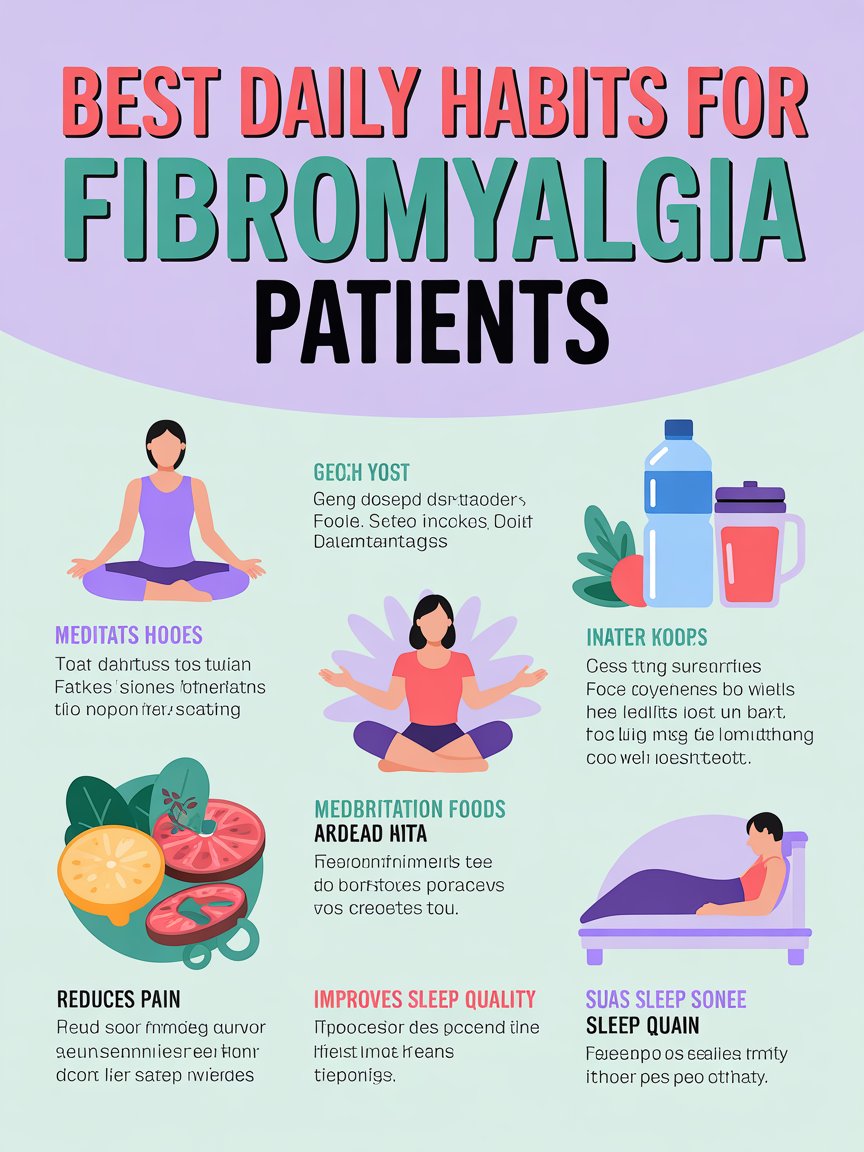
    1. Understanding the Importance of Daily Habits

    Living with Fibromyalgia can be challenging because symptoms such as widespread pain, fatigue, and sleep disturbances often affect daily life. Establishing healthy daily habits can help individuals manage symptoms more effectively. Small, consistent lifestyle choices can reduce flare-ups and improve overall well-being.

    2. Starting the Day With Gentle Movement

    Many people with fibromyalgia experience stiffness in the morning. Beginning the day with gentle stretching or light movement can help loosen tight muscles and improve circulation. Simple stretches or slow movements can gradually prepare the body for daily activities.

    3. Maintaining a Consistent Sleep Routine

    Quality sleep is essential for managing fibromyalgia symptoms. Going to bed and waking up at the same time each day helps regulate the body’s internal clock. A consistent sleep routine can reduce fatigue and support better physical and mental health.

    4. Practicing Light Daily Exercise

    Regular, low-impact exercise can help reduce pain and improve flexibility. Activities such as walking, swimming, or light yoga can strengthen muscles without putting excessive stress on the body. Consistent movement also helps improve energy levels over time.

    5. Eating Balanced and Nutritious Meals

    A healthy diet can support the body’s ability to manage chronic conditions like fibromyalgia. Eating balanced meals that include fruits, vegetables, whole grains, and lean proteins can provide the nutrients needed for muscle and nerve health. Proper nutrition also helps maintain stable energy levels throughout the day.

    6. Staying Hydrated

    Drinking enough water is an important habit for overall health. Hydration supports muscle function and helps reduce fatigue. Many fibromyalgia patients feel better when they maintain steady hydration during the day.

    7. Managing Stress Effectively

    Stress can worsen fibromyalgia symptoms and trigger flare-ups. Practicing relaxation techniques such as deep breathing, meditation, or mindfulness can help calm the nervous system. Reducing stress may also help ease muscle tension and pain.

    8. Pacing Daily Activities

    Overexertion can lead to increased pain and fatigue for people with fibromyalgia. Learning to pace activities and take regular breaks can help conserve energy. Balancing activity with rest is an important habit for long-term symptom management.

    9. Creating a Comfortable Environment

    A supportive and comfortable environment can make daily life easier for fibromyalgia patients. Using supportive pillows, ergonomic chairs, or comfortable bedding can help reduce strain on muscles and joints.

    10. Using Heat for Muscle Relief

    Heat therapy is often helpful for relieving muscle tension and stiffness. Warm baths, heating pads, or warm showers can relax muscles and improve blood circulation. Many patients use heat therapy as part of their daily routine.

    11. Practicing Gentle Stretching Throughout the Day

    Stretching at different times during the day can help prevent muscles from becoming too tight. Even short stretching breaks can improve flexibility and reduce discomfort. Consistency is key to maintaining muscle mobility.

    12. Keeping Track of Symptoms

    Maintaining a symptom journal can help individuals better understand their triggers and patterns. Recording sleep, diet, activity levels, and symptoms may reveal what helps or worsens fibromyalgia symptoms. This awareness can guide better daily habits.

    13. Staying Connected With Support Systems

    Living with a chronic condition can sometimes feel isolating. Staying connected with family, friends, or support groups can provide emotional encouragement. Support from others often makes it easier to cope with daily challenges.

    14. Practicing Self-Care and Relaxation

    Self-care is essential for maintaining both physical and emotional health. Activities such as reading, listening to calming music, or practicing relaxation exercises can help reduce stress and improve mood.

    15. Building a Sustainable Lifestyle

    Managing fibromyalgia is not about quick fixes but about building sustainable habits. Consistent sleep, gentle movement, healthy eating, and stress management all contribute to better long-term health. With the right daily habits, individuals living with fibromyalgia can improve their comfort and quality of life.

  • Fibromyalgia and Muscle Stiffness

    Fibromyalgia and Muscle Stiffness

    Fibromyalgia and Muscle Stiffness

    1. Understanding Fibromyalgia and Muscle Stiffness

    Fibromyalgia is a chronic condition that causes widespread pain, fatigue, and sensitivity throughout the body. One of the most common complaints among people living with this condition is persistent muscle stiffness. This stiffness can make daily activities more difficult and uncomfortable, especially in the morning or after long periods of rest.

    2. Why Muscle Stiffness Happens in Fibromyalgia

    Muscle stiffness in fibromyalgia is believed to be linked to how the nervous system processes pain signals. The brain and spinal cord may amplify pain sensations, making muscles feel tighter and more sensitive than usual. This abnormal pain processing can cause even minor tension to feel intense.

    3. The Role of the Nervous System

    Fibromyalgia is often associated with an overactive nervous system. When nerves become overly sensitive, muscles may react with tension or tightness. This constant state of heightened sensitivity can contribute to the ongoing stiffness many patients experience.

    4. Morning Stiffness and Its Impact

    Many people with fibromyalgia report that muscle stiffness is worst in the morning. After a night of sleep, muscles may feel tight and difficult to move. This stiffness can last from a few minutes to several hours, affecting the ability to start the day comfortably.

    5. How Poor Sleep Contributes to Stiffness

    Sleep disturbances are common in fibromyalgia and can worsen muscle stiffness. When the body does not get deep, restorative sleep, muscles may not recover properly. As a result, stiffness and soreness can build up over time.

    6. Physical Inactivity and Muscle Tightness

    While rest is sometimes necessary, too much inactivity can increase muscle stiffness. When muscles are not used regularly, they may become tight and less flexible. Gentle movement can help keep muscles more relaxed and mobile.

    7. The Role of Stress in Muscle Stiffness

    Stress can significantly affect muscle tension in fibromyalgia. Emotional stress often leads to physical tension, which may worsen muscle stiffness and pain. Managing stress can play an important role in reducing symptoms.

    8. Gentle Stretching for Relief

    Regular stretching is one of the most effective ways to reduce muscle stiffness. Gentle stretches can improve flexibility, increase blood flow to muscles, and help ease tension. Even a few minutes of stretching each day can make a noticeable difference.

    9. Benefits of Light Exercise

    Low-impact exercises such as walking, swimming, or yoga can help reduce muscle stiffness over time. These activities keep muscles active without putting too much strain on the body. Consistent movement helps maintain strength and flexibility.

    10. Heat Therapy for Relaxing Muscles

    Heat can be very soothing for stiff muscles. Warm baths, heating pads, or warm showers can help relax muscle tissue and improve circulation. Many people with fibromyalgia find heat therapy helpful during flare-ups.

    11. Massage and Muscle Relaxation

    Massage therapy may help relieve muscle stiffness by loosening tight muscles and improving blood flow. Gentle massage techniques are usually recommended because deep pressure may sometimes cause discomfort for sensitive muscles.

    12. Hydration and Muscle Function

    Proper hydration supports healthy muscle function. Dehydrated muscles may become more prone to cramping and stiffness. Drinking enough water throughout the day can help muscles stay more flexible.

    13. Maintaining Good Posture

    Poor posture can contribute to muscle tension and stiffness, especially in the neck, shoulders, and back. Paying attention to posture while sitting, working, or using electronic devices can help reduce unnecessary strain on muscles.

    14. Creating a Daily Routine for Muscle Care

    A balanced daily routine that includes gentle movement, relaxation, and proper rest can help manage muscle stiffness. Small habits such as stretching in the morning, taking short walks, and practicing relaxation techniques can support muscle health.

    15. Living Comfortably With Fibromyalgia

    Although muscle stiffness is a common symptom of fibromyalgia, many strategies can help reduce its impact. By combining gentle exercise, stress management, good sleep habits, and supportive therapies, individuals can improve comfort and maintain a better quality of life.

  • Massage Therapy for Fibromyalgia

    Massage Therapy for Fibromyalgia

    Massage Therapy for Fibromyalgia

    1. Understanding Fibromyalgia

    Fibromyalgia is a condition that causes widespread muscle pain, fatigue, sleep disturbances, and increased sensitivity to touch. Managing these symptoms often requires a combination of medical treatments and supportive therapies. Massage therapy is one approach that many people find helpful for relaxation and pain relief.

    2. What Is Massage Therapy?

    Massage therapy involves the manipulation of muscles and soft tissues to improve circulation and reduce tension. Different techniques are used depending on the individual’s needs. For people with fibromyalgia, gentle and careful massage is usually recommended.

    3. How Massage Helps Reduce Pain

    Massage may help reduce muscle tightness and improve blood flow to affected areas. Better circulation can support muscle recovery and relaxation. This may lead to temporary relief from fibromyalgia-related discomfort.

    4. Relaxing the Nervous System

    Fibromyalgia is often associated with an overly sensitive nervous system. Massage encourages the body’s relaxation response, helping reduce stress and muscle tension. A calmer nervous system may lead to lower pain sensitivity.

    5. Improving Sleep Quality

    Sleep disturbances are common in fibromyalgia. Massage therapy can promote relaxation and reduce physical discomfort before bedtime. This may help individuals fall asleep more easily and experience deeper rest.

    6. Reducing Muscle Stiffness

    Muscle stiffness is a frequent complaint among people with fibromyalgia. Gentle massage techniques can loosen tight muscles and increase flexibility. Regular sessions may help maintain better mobility.

    7. Types of Massage for Fibromyalgia

    Several massage styles may be helpful, including Swedish massage, myofascial release, and gentle therapeutic massage. These techniques focus on soft, controlled movements. Deep or aggressive pressure is usually avoided.

    8. Importance of Gentle Pressure

    People with fibromyalgia often have tender points that are sensitive to touch. Massage therapists must use light to moderate pressure to avoid causing discomfort. Communication during the session is essential.

    9. Emotional and Mental Benefits

    Massage therapy also supports emotional well-being. The relaxing environment and soothing touch can reduce anxiety and promote a sense of calm. Emotional relaxation may indirectly improve physical symptoms.

    10. Supporting Circulation and Healing

    Improved circulation allows oxygen and nutrients to reach muscles more effectively. This can support muscle health and reduce tension. Good circulation also helps remove metabolic waste from tissues.

    11. Frequency of Massage Sessions

    The ideal frequency of massage varies from person to person. Some individuals benefit from weekly sessions, while others prefer occasional treatments. Consistency often provides the best results.

    12. Combining Massage With Other Therapies

    Massage therapy works best when combined with other fibromyalgia management strategies. Gentle exercise, proper sleep, balanced nutrition, and stress management all contribute to overall health.

    13. Choosing a Qualified Therapist

    It is important to work with a massage therapist experienced in chronic pain conditions. They should understand fibromyalgia sensitivity and adapt techniques accordingly. Clear communication ensures a safe and comfortable experience.

    14. Listening to Your Body

    Every person responds differently to massage therapy. Some may feel immediate relief, while others may need time to notice benefits. Paying attention to your body’s reactions helps determine what works best.

    15. Making Massage Part of Self-Care

    Massage therapy can become a valuable part of a self-care routine for fibromyalgia. By reducing tension, promoting relaxation, and improving circulation, it may help manage symptoms. When used alongside medical care and healthy habits, massage can support a more comfortable and balanced life.

  • Fibromyalgia and Digestive Problems

    Fibromyalgia and Digestive Problems

    Fibromyalgia and Digestive Problems

    1. Understanding the Connection

    Fibromyalgia is widely known for causing widespread pain, fatigue, and sleep disturbances. However, many people with fibromyalgia also experience digestive issues. These symptoms can affect comfort, nutrition, and overall quality of life.

    2. The Role of the Nervous System

    Fibromyalgia involves increased sensitivity in the nervous system. This sensitivity may also affect the digestive tract, which is closely connected to the nervous system. As a result, digestion can become more reactive and unpredictable.

    3. Common Digestive Symptoms

    People with fibromyalgia may experience symptoms such as bloating, stomach pain, constipation, diarrhea, and nausea. These symptoms may appear occasionally or persist for long periods. Digestive discomfort can add to the overall burden of the condition.

    4. The Link With Irritable Bowel Syndrome

    Many individuals with fibromyalgia are also diagnosed with Irritable Bowel Syndrome. IBS is a condition that causes abdominal pain and changes in bowel habits. The two conditions often occur together, suggesting shared underlying mechanisms.

    5. The Gut–Brain Connection

    The digestive system communicates with the brain through the gut–brain axis. This communication network allows emotional stress and nervous system activity to influence digestion. In fibromyalgia, this connection may become more sensitive.

    6. Stress and Digestive Health

    Stress is known to trigger both fibromyalgia flare-ups and digestive problems. When the body is under stress, digestion may slow down or become irregular. Managing stress can therefore support both pain and digestive health.

    7. Food Sensitivities and Triggers

    Some people with fibromyalgia notice that certain foods worsen digestive symptoms. Common triggers may include highly processed foods, caffeine, or spicy meals. Identifying personal triggers can help reduce discomfort.

    8. The Role of Gut Microbiota

    The gut contains trillions of beneficial bacteria that support digestion and immune health. Research suggests that changes in gut bacteria may influence fibromyalgia symptoms. Maintaining a healthy gut environment may support overall well-being.

    9. Impact of Medications

    Certain medications used to manage fibromyalgia symptoms may affect digestion. Some drugs may cause constipation, nausea, or stomach irritation. Discussing side effects with a healthcare provider can help find better solutions.

    10. Importance of a Balanced Diet

    A diet rich in whole foods, fruits, vegetables, and lean proteins may support digestive health. Fiber helps regulate bowel movements, while proper nutrition supports energy levels. Balanced meals can improve overall comfort.

    11. Staying Hydrated

    Adequate hydration is essential for proper digestion. Drinking enough water helps prevent constipation and supports nutrient absorption. Herbal teas can also soothe digestive discomfort.

    12. Gentle Physical Activity

    Light exercise such as walking or stretching can support healthy digestion. Movement stimulates intestinal activity and may reduce bloating. Even short daily walks can make a difference.

    13. Practicing Mindful Eating

    Eating slowly and paying attention to portion sizes can reduce digestive strain. Mindful eating allows the body to process food more efficiently. It may also help identify which foods cause discomfort.

    14. Seeking Medical Advice

    Persistent digestive problems should be discussed with a healthcare provider. Doctors can evaluate symptoms and rule out other digestive conditions. Proper diagnosis ensures appropriate treatment.

    15. Supporting Digestive Wellness

    Managing digestive problems alongside fibromyalgia requires a holistic approach. Healthy eating, stress management, gentle activity, and medical guidance all play important roles. With the right strategies, many people can improve digestive comfort while living with fibromyalgia.

  • How to Prepare for a Fibromyalgia Flare

    How to Prepare for a Fibromyalgia Flare

    How to Prepare for a Fibromyalgia Flare

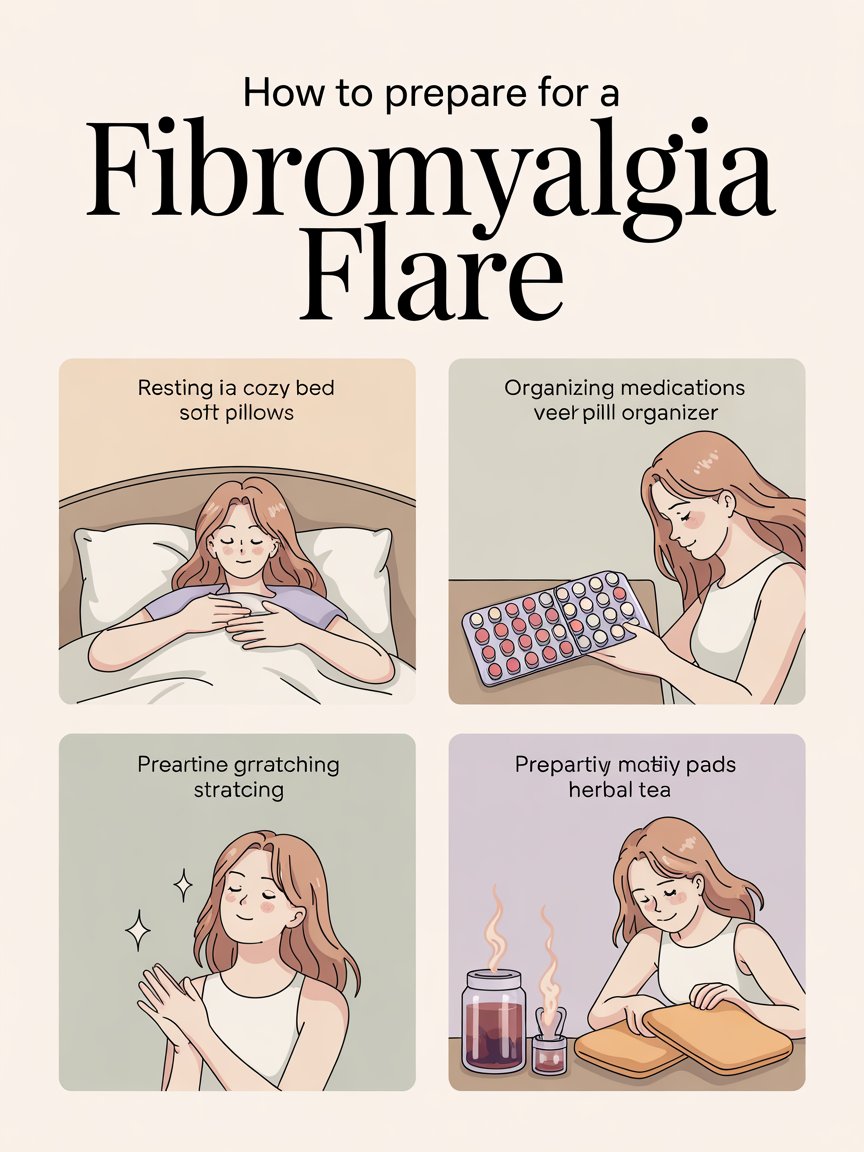
    1. Understanding Fibromyalgia Flares

    Fibromyalgia often involves periods when symptoms suddenly worsen, known as flare-ups. During a flare, pain, fatigue, and sensitivity may increase significantly. Preparing ahead of time can make these episodes easier to manage.

    2. Recognizing Early Warning Signs

    Many people notice certain signals before a flare begins. Increased fatigue, stiffness, poor sleep, or heightened stress may appear first. Paying attention to these early signs helps you take action sooner.

    3. Identifying Personal Triggers

    Fibromyalgia flares can be triggered by different factors such as stress, weather changes, overexertion, or poor sleep. Keeping track of what leads to flare-ups can help you avoid or reduce triggers. Awareness allows better planning.

    4. Creating a Flare Management Plan

    Having a simple plan in place can reduce stress when symptoms worsen. This may include adjusting activities, increasing rest time, and using pain management strategies. A prepared routine helps you respond calmly.

    5. Preparing a Comfort Kit

    Some people benefit from a flare-up comfort kit. This might include heating pads, comfortable blankets, pain relief creams, or relaxation tools. Keeping these items nearby makes it easier to manage discomfort quickly.

    6. Adjusting Your Schedule

    During a flare, energy levels may drop significantly. Planning flexible schedules allows you to reduce tasks when needed. Prioritizing essential activities helps prevent further exhaustion.

    7. Practicing Activity Pacing

    Pacing means balancing activity and rest throughout the day. Instead of pushing through pain, break tasks into smaller steps. This approach can prevent symptoms from worsening.

    8. Using Heat and Relaxation

    Heat therapy often helps relax muscles and reduce pain during flares. Warm baths, heating pads, or hot showers may provide relief. Combining heat with relaxation techniques can enhance comfort.

    9. Supporting Better Sleep

    Sleep problems often intensify fibromyalgia flares. Creating a calming bedtime routine can help improve sleep quality. Reducing noise, dimming lights, and limiting screen time may support restful sleep.

    10. Managing Stress Levels

    Stress is one of the most common flare triggers. Relaxation practices such as meditation, deep breathing, or gentle stretching can calm the nervous system. Lower stress levels may shorten flare duration.

    11. Maintaining Gentle Movement

    While rest is important, complete inactivity can increase stiffness. Gentle stretching or light walking may help maintain circulation. Small movements can prevent muscles from tightening further.

    12. Staying Hydrated and Nourished

    Proper hydration and balanced nutrition support the body during flare-ups. Drinking enough water and eating nutrient-rich foods helps maintain energy. Avoid skipping meals during difficult days.

    13. Communicating With Others

    Let family members, coworkers, or friends know when you are experiencing a flare. Clear communication encourages understanding and support. This may also allow flexibility with responsibilities.

    14. Consulting Healthcare Providers

    If flares become severe or frequent, discussing them with a healthcare provider is important. Medical professionals may suggest treatment adjustments or new coping strategies. Professional guidance ensures safe symptom management.

    15. Building Long-Term Resilience

    Preparing for fibromyalgia flares is about creating habits that support your health. By recognizing triggers, planning ahead, and practicing self-care, you can reduce the impact of flare-ups. With preparation and patience, managing fibromyalgia becomes more manageable over time.

  • Fibromyalgia and Emotional Health

    Fibromyalgia and Emotional Health

    Fibromyalgia and Emotional Health

    1. Understanding the Mind–Body Connection

    Fibromyalgia affects more than just the body. While it is known for widespread pain and fatigue, it also has a significant impact on emotional well-being. The constant cycle of discomfort and exhaustion can influence mood, stress levels, and overall mental health.

    2. Living With Chronic Pain

    Chronic pain can be physically draining and emotionally overwhelming. When pain persists daily, it may lead to frustration and feelings of helplessness. Over time, this ongoing strain can affect emotional balance.

    3. The Link Between Pain and Mood

    Pain and mood are closely connected through the nervous system. Increased pain sensitivity can influence brain chemicals that regulate emotions. This may explain why people with fibromyalgia sometimes experience mood fluctuations.

    4. Anxiety and Fibromyalgia

    Anxiety is common among individuals managing fibromyalgia. Unpredictable flare-ups can create worry about daily plans or responsibilities. Learning coping strategies can help reduce anxiety-related stress.

    5. Depression and Emotional Fatigue

    Living with long-term symptoms may increase the risk of depression. Emotional fatigue often accompanies physical exhaustion. Recognizing early signs of low mood is an important step toward seeking support.

    6. Stress as a Symptom Trigger

    Stress can worsen fibromyalgia symptoms and create a cycle of increased pain and emotional tension. When the body is under stress, the nervous system becomes more reactive. Managing stress helps protect both physical and emotional health.

    7. The Impact of Sleep Problems

    Sleep disturbances are a core symptom of fibromyalgia. Poor sleep can intensify irritability, sadness, and anxiety. Improving sleep habits may positively influence emotional stability.

    8. Social Isolation and Misunderstanding

    Because fibromyalgia is an invisible illness, others may not fully understand its impact. This can lead to feelings of isolation or loneliness. Open communication with loved ones can strengthen support systems.

    9. Self-Esteem and Identity Changes

    Chronic illness may alter daily routines and physical abilities. These changes can affect self-confidence and personal identity. Adjusting expectations with self-compassion is essential.

    10. The Role of Counseling and Therapy

    Professional counseling can provide valuable emotional support. Cognitive behavioral therapy (CBT) may help individuals develop healthier thought patterns. Therapy offers tools for coping with both pain and emotional challenges.

    11. Mindfulness and Relaxation Techniques

    Practices such as meditation, deep breathing, and gentle yoga can calm the nervous system. These techniques reduce stress hormones and promote emotional resilience. Regular practice may lead to lasting benefits.

    12. Building a Support Network

    Connecting with friends, family, or support groups provides reassurance and understanding. Sharing experiences with others facing similar challenges can reduce feelings of isolation. Strong social connections improve emotional well-being.

    13. Setting Healthy Boundaries

    Protecting emotional health often requires setting boundaries. Saying no to overwhelming commitments prevents burnout. Respecting personal limits supports long-term stability.

    14. Celebrating Small Achievements

    Living with fibromyalgia means adapting to changing energy levels. Recognizing small accomplishments builds confidence and positivity. Celebrating progress encourages motivation.

    15. Nurturing Emotional Wellness Daily

    Managing emotional health is an ongoing process. Through self-care, professional support, and stress management, individuals can strengthen emotional resilience. With understanding and consistent care, it is possible to maintain emotional balance while living with fibromyalgia.

    I prefer this response