Category: Latest

  • 9 Nutrition Tips for Fibromyalgia Management

    9 Nutrition Tips for Fibromyalgia Management

    9 Nutrition Tips for Fibromyalgia Management

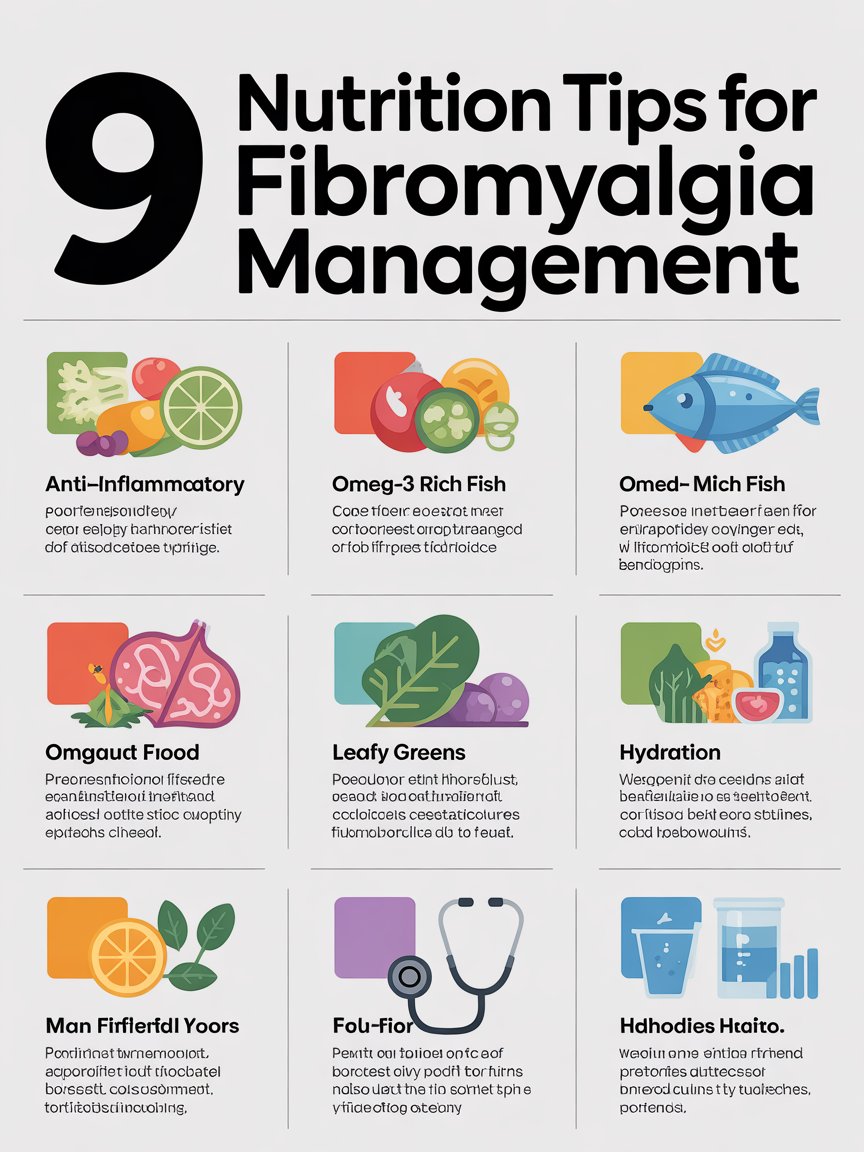
    Fibromyalgia can affect energy levels, pain sensitivity, digestion, and overall well-being. While there is no specific diet that cures the condition, the right nutritional choices can help reduce symptoms, improve energy, and support the body’s natural balance.

    Making small, consistent changes to your diet can have a big impact over time. Below are nine nutrition tips to help manage fibromyalgia more effectively.


    1. Focus on Whole, Unprocessed Foods

    Choose Nutrient-Dense Options

    Eat more fruits, vegetables, whole grains, and lean proteins.

    Reduce Inflammation

    Whole foods provide essential nutrients that help support the body and lower inflammation.


    2. Increase Anti-Inflammatory Foods

    Add Healthy Choices

    Include foods like berries, leafy greens, fatty fish, and olive oil.

    Support Pain Relief

    These foods may help reduce inflammation and ease discomfort.


    3. Stay Hydrated

    Drink Enough Water

    Proper hydration supports muscle and joint function.

    Improve Energy Levels

    Dehydration can worsen fatigue and brain fog.


    4. Balance Your Meals

    Combine Nutrients

    Include protein, healthy fats, and complex carbohydrates in each meal.

    Maintain Stable Energy

    Balanced meals help prevent energy crashes and keep you feeling steady.


    5. Limit Sugar and Processed Foods

    Avoid Energy Spikes

    Excess sugar can cause sudden increases and drops in energy.

    Reduce Flare-Ups

    Processed foods may contribute to inflammation and worsen symptoms.


    6. Identify Food Sensitivities

    Track What You Eat

    Some people may react to gluten, dairy, or additives.

    Reduce Symptoms

    Eliminating trigger foods may improve digestion and reduce pain.


    7. Include Magnesium-Rich Foods

    Support Muscle Health

    Magnesium helps relax muscles and may reduce cramps.

    Food Sources

    Include nuts, seeds, leafy greens, and whole grains.


    8. Don’t Skip Meals

    Maintain Energy

    Skipping meals can lead to fatigue and weakness.

    Keep a Routine

    Regular eating helps stabilize blood sugar and energy levels.


    9. Limit Caffeine and Alcohol

    Protect Sleep Quality

    Caffeine and alcohol can disrupt sleep patterns.

    Improve Recovery

    Better sleep supports pain management and overall health.

  • 12 Healing Foods for Chronic Pain Relief

    12 Healing Foods for Chronic Pain Relief

    12 Healing Foods for Chronic Pain Relief

    Chronic pain can affect your daily life, energy levels, and overall well-being. While medications and therapies are often necessary, your diet can also play a powerful role in managing pain. Certain foods contain anti-inflammatory compounds, antioxidants, and essential nutrients that help support the body and reduce discomfort naturally.

    By including healing foods in your daily meals, you can take a proactive step toward better pain management. Below are twelve foods known for their potential to support chronic pain relief.


    1. Leafy Green Vegetables

    Nutrient Powerhouses

    Spinach, kale, and Swiss chard are rich in vitamins and minerals.

    Reduce Inflammation

    They help fight oxidative stress and support overall health.


    2. Berries

    Antioxidant-Rich

    Blueberries, strawberries, and raspberries contain compounds that protect cells.

    Ease Pain Naturally

    They may help reduce inflammation linked to chronic pain.


    3. Fatty Fish

    Omega-3 Benefits

    Salmon, mackerel, and sardines are high in omega-3 fatty acids.

    Support Joint Health

    These fats may help reduce stiffness and pain.


    4. Turmeric

    Natural Anti-Inflammatory

    Curcumin in turmeric helps reduce inflammation.

    Support Pain Relief

    It may ease muscle and joint discomfort.


    5. Ginger

    Soothing Root

    Ginger contains compounds that reduce inflammation and pain.

    Improve Digestion

    It also supports digestive health.


    6. Nuts and Seeds

    Healthy Fats

    Almonds, walnuts, chia seeds, and flaxseeds provide essential nutrients.

    Reduce Inflammation

    They support heart health and reduce pain-related inflammation.


    7. Olive Oil

    Heart-Healthy Fat

    Extra virgin olive oil contains anti-inflammatory compounds.

    Daily Use

    It’s a great alternative to processed cooking oils.


    8. Whole Grains

    Sustained Energy

    Brown rice, quinoa, and oats provide fiber and nutrients.

    Stabilize Blood Sugar

    They help prevent energy crashes and fatigue.


    9. Green Tea

    Antioxidant Boost

    Green tea is rich in polyphenols that support overall health.

    Calm the Body

    It may help reduce inflammation and promote relaxation.


    10. Avocados

    Nutrient-Dense

    Avocados are rich in healthy fats, vitamins, and minerals.

    Support Joint Health

    They may help reduce inflammation and support mobility.


    11. Garlic

    Natural Anti-Inflammatory

    Garlic contains compounds that support immune function.

    Pain Reduction

    It may help reduce inflammation and improve circulation.


    12. Dark Chocolate

    Rich in Antioxidants

    Dark chocolate (in moderation) contains beneficial compounds.

    Mood Support

    It may help improve mood, which can influence pain perception.

  • 8 Diet Changes That Reduce Fibromyalgia Pain

    8 Diet Changes That Reduce Fibromyalgia Pain

    8 Diet Changes That Reduce Fibromyalgia Pain

    Fibromyalgia can make everyday life difficult with symptoms like widespread pain, fatigue, and brain fog. While there is no single diet that cures fibromyalgia, making smart dietary changes can help reduce inflammation, stabilize energy levels, and support overall health.

    Small, consistent improvements in your eating habits can lead to noticeable relief over time. Below are eight diet changes that may help reduce fibromyalgia pain.


    1. Eat More Anti-Inflammatory Foods

    Focus on Whole Foods

    Include fruits, vegetables, whole grains, nuts, and healthy fats in your meals.

    Reduce Pain Naturally

    These foods help lower inflammation, which may ease muscle and joint discomfort.


    2. Limit Processed Foods

    Avoid Hidden Additives

    Processed foods often contain preservatives, unhealthy fats, and excess sugar.

    Prevent Flare-Ups

    Reducing these foods may help decrease inflammation and pain.


    3. Reduce Sugar Intake

    Stabilize Energy Levels

    High sugar intake can cause energy spikes and crashes.

    Lower Inflammation

    Cutting back on sugar may help reduce pain and fatigue.


    4. Stay Hydrated

    Support Muscle Function

    Water helps keep muscles and joints working properly.

    Reduce Fatigue

    Proper hydration can improve energy and reduce stiffness.


    5. Include Healthy Fats

    Choose Good Fats

    Foods like olive oil, nuts, seeds, and fatty fish provide beneficial fats.

    Support Joint Health

    Healthy fats can help reduce inflammation and improve overall well-being.


    6. Identify Food Sensitivities

    Track Your Diet

    Some people may be sensitive to gluten, dairy, or certain additives.

    Reduce Symptoms

    Eliminating trigger foods may help reduce pain and digestive issues.


    7. Eat Balanced Meals

    Combine Nutrients

    Include protein, healthy fats, and complex carbohydrates in each meal.

    Maintain Steady Energy

    Balanced meals help prevent energy crashes and fatigue.


    8. Limit Caffeine and Alcohol

    Avoid Sleep Disruption

    Caffeine and alcohol can interfere with sleep quality.

    Improve Recovery

    Better sleep can help reduce pain and improve overall health.


    Conclusion

    Diet plays an important role in managing fibromyalgia symptoms. By focusing on whole, nutrient-rich foods and avoiding common triggers like processed foods and excess sugar, you can support your body and reduce pain naturally.

    Consistency and awareness are key. Over time, these dietary changes can help improve energy, reduce inflammation, and make daily life more manageable.

  • 10 Anti-Inflammatory Foods for Fibromyalgia

    10 Anti-Inflammatory Foods for Fibromyalgia

    10 Anti-Inflammatory Foods for Fibromyalgia

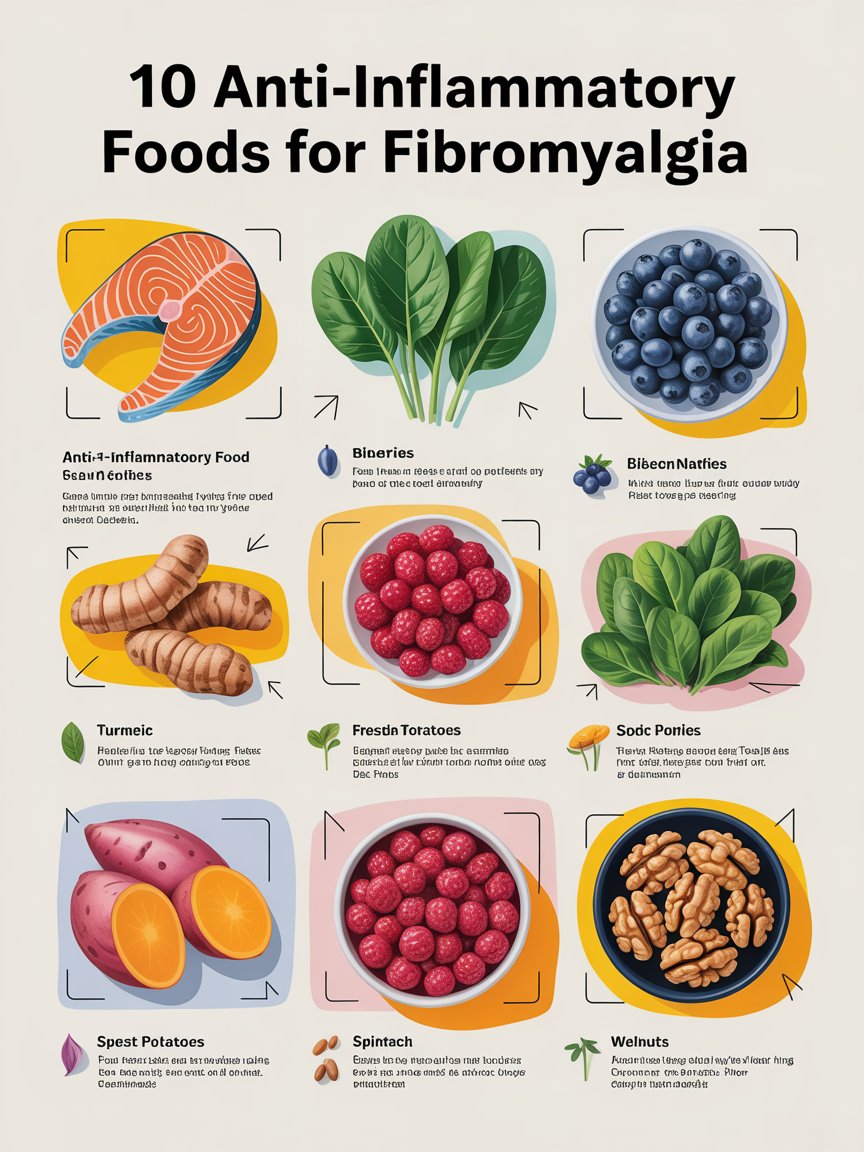
    Fibromyalgia is often linked with increased pain sensitivity and inflammation in the body. While diet alone cannot cure the condition, choosing the right foods can help reduce inflammation, support energy levels, and improve overall well-being.

    Incorporating anti-inflammatory foods into your daily meals may help ease symptoms and promote better health. Below are ten foods known for their anti-inflammatory benefits.


    1. Leafy Green Vegetables

    Nutrient-Rich Choices

    Spinach, kale, and other leafy greens are packed with vitamins and antioxidants.

    Reduce Inflammation

    These nutrients help protect cells and lower inflammation levels.


    2. Berries

    High in Antioxidants

    Blueberries, strawberries, and raspberries contain powerful compounds.

    Support Pain Reduction

    They may help reduce oxidative stress linked to chronic pain.


    3. Fatty Fish

    Rich in Omega-3s

    Salmon, mackerel, and sardines provide healthy fats.

    Ease Joint and Muscle Pain

    Omega-3 fatty acids may help reduce inflammation and stiffness.


    4. Nuts and Seeds

    Healthy Fats

    Almonds, walnuts, chia seeds, and flaxseeds are excellent sources of nutrients.

    Support Heart and Joint Health

    They help reduce inflammation and improve overall wellness.


    5. Olive Oil

    Natural Anti-Inflammatory

    Extra virgin olive oil contains compounds that reduce inflammation.

    Healthy Cooking Option

    It’s a great alternative to processed oils.


    6. Turmeric

    Powerful Spice

    Turmeric contains curcumin, known for its anti-inflammatory effects.

    Support Pain Relief

    It may help reduce muscle and joint discomfort.


    7. Ginger

    Natural Healing Root

    Ginger has anti-inflammatory and antioxidant properties.

    Ease Digestive Issues

    It may also help with nausea and digestion.


    8. Whole Grains

    Fiber-Rich Foods

    Brown rice, quinoa, and oats provide sustained energy.

    Reduce Inflammation

    They help maintain stable blood sugar levels.


    9. Green Tea

    Rich in Antioxidants

    Green tea contains polyphenols that support health.

    Calm the Body

    It may help reduce inflammation and promote relaxation.


    10. Avocados

    Healthy Fats and Nutrients

    Avocados are rich in vitamins and monounsaturated fats.

    Support Overall Health

    They may help reduce inflammation and support heart health.


    Conclusion

    A balanced diet rich in anti-inflammatory foods can play a supportive role in managing fibromyalgia symptoms. By including leafy greens, berries, healthy fats, and whole foods in your meals, you can help reduce inflammation and improve your overall health.

    Consistency is key. Making small, sustainable dietary changes can lead to long-term benefits, helping you feel more energized and better equipped to manage fibromyalgia.

  • 14 Alternative Therapies for Fibromyalgia

    14 Alternative Therapies for Fibromyalgia

    14 Alternative Therapies for Fibromyalgia

    Fibromyalgia is a chronic condition that affects the body through widespread pain, fatigue, and heightened sensitivity. While medications can help manage symptoms, many individuals turn to alternative therapies to support a more natural and holistic approach to care. These therapies focus on calming the nervous system, improving circulation, and enhancing overall well-being.

    By combining different approaches, people with fibromyalgia can often find better balance and relief. Below are fourteen alternative therapies that may help manage fibromyalgia symptoms.


    1. Acupuncture

    Target Energy Points

    Acupuncture uses thin needles placed at specific points in the body to stimulate healing.

    Pain Relief Support

    It may help reduce pain and improve overall energy flow.


    2. Massage Therapy

    Ease Muscle Tension

    Massage helps relax tight muscles and improve circulation.

    Promote Relaxation

    It can also reduce stress and support better sleep.


    3. Chiropractic Care

    Improve Alignment

    Chiropractic adjustments focus on spinal alignment and posture.

    Reduce Discomfort

    Proper alignment may help reduce pressure and pain.


    4. Aromatherapy

    Use Essential Oils

    Scents like lavender and eucalyptus can promote relaxation.

    Calm the Mind

    Aromatherapy may help reduce stress and improve mood.


    5. Yoga

    Gentle Movement

    Yoga combines stretching, breathing, and relaxation techniques.

    Improve Flexibility

    It can help reduce stiffness and increase mobility.


    6. Meditation

    Calm the Nervous System

    Meditation helps reduce stress and mental tension.

    Improve Pain Tolerance

    Regular practice may make it easier to cope with discomfort.


    7. Hydrotherapy

    Water-Based Healing

    Warm water therapy can relax muscles and ease joint pain.

    Improve Circulation

    Hydrotherapy supports blood flow and reduces stiffness.


    8. Tai Chi

    Slow, Controlled Movements

    Tai Chi focuses on gentle movements and deep breathing.

    Enhance Balance

    It can improve flexibility and reduce stress.


    9. Reiki

    Energy Healing

    Reiki involves gentle hand placement to promote energy balance.

    Deep Relaxation

    It may help reduce stress and support emotional well-being.


    10. Cognitive Behavioral Therapy (CBT)

    Mind-Body Connection

    CBT helps change negative thought patterns related to pain.

    Improve Coping Skills

    It can enhance emotional resilience and pain management.


    11. Biofeedback

    Control Body Responses

    Biofeedback teaches you how to manage physical responses like muscle tension.

    Reduce Stress

    It can help you gain better control over stress and pain.


    12. Reflexology

    Pressure Point Therapy

    Reflexology involves applying pressure to specific points on the feet or hands.

    Promote Relaxation

    It may help reduce tension and improve circulation.


    13. Herbal Therapy

    Natural Support

    Herbs like chamomile, turmeric, and ginger may help reduce inflammation and stress.

    Complement Treatment

    They can be used alongside other therapies with proper guidance.


    14. Sound Therapy

    Healing Through Sound

    Calming sounds or music can help relax the mind and body.

    Improve Sleep

    Sound therapy may support better sleep and reduce anxiety.

  • 6 Simple Remedies to Ease Fibromyalgia Pain

    6 Simple Remedies to Ease Fibromyalgia Pain

    6 Simple Remedies to Ease Fibromyalgia Pain

    Fibromyalgia can bring chronic pain, fatigue, and stiffness that make daily life challenging. While medications may help, simple natural remedies can also provide meaningful relief. These strategies focus on relaxing the body, supporting muscles and joints, and promoting overall well-being.

    Incorporating small, consistent habits into your routine can help ease discomfort and improve your quality of life. Here are six simple remedies to manage fibromyalgia pain.


    1. Warm Baths or Showers

    Soothe Muscle Tension

    Warm water helps relax tight muscles and ease stiffness.

    Promote Relaxation

    Adding Epsom salts can enhance relaxation and reduce discomfort.


    2. Gentle Stretching

    Increase Flexibility

    Daily light stretches prevent muscles from tightening and improve mobility.

    Reduce Morning Stiffness

    Stretching after waking can help make the day more comfortable.


    3. Heat Therapy

    Target Painful Areas

    Heating pads or warm compresses applied to sore spots can provide immediate relief.

    Boost Circulation

    Heat helps increase blood flow, which can reduce muscle soreness.


    4. Massage Techniques

    Relieve Tension

    Self-massage or professional massage helps loosen knots and improves circulation.

    Support Relaxation

    Massage also reduces stress, which can worsen pain.


    5. Mindfulness and Deep Breathing

    Calm the Nervous System

    Mindfulness and breathing exercises can reduce stress and pain perception.

    Improve Coping Skills

    These techniques make it easier to manage daily discomfort.


    6. Gentle Movement or Low-Impact Exercise

    Keep the Body Active

    Walking, yoga, or swimming helps reduce stiffness and improves flexibility.

    Support Energy Levels

    Regular movement can boost circulation, energy, and overall well-being.


    Conclusion

    Managing fibromyalgia pain doesn’t always require medications. Simple remedies such as warm baths, gentle stretching, massage, mindfulness, and light exercise can help ease discomfort and improve daily functioning.

    Consistency is key. By incorporating these natural strategies into your routine, you can support your body, reduce flare-ups, and enhance your quality of life.

  • 10 Natural Healing Methods for Fibromyalgia

    10 Natural Healing Methods for Fibromyalgia

    10 Natural Healing Methods for Fibromyalgia

    Fibromyalgia is a chronic condition that affects the body with widespread pain, fatigue, and sensitivity. While there is no single cure, many people find relief through natural healing methods that support the body and mind. These approaches focus on reducing stress, improving circulation, and promoting overall balance.

    By incorporating consistent and gentle practices into your routine, you can better manage symptoms and improve your quality of life. Below are ten natural healing methods that may help with fibromyalgia.


    1. Gentle Exercise

    Stay Active Safely

    Low-impact activities like walking, yoga, or stretching help reduce stiffness.

    Improve Flexibility

    Regular movement supports muscle health and overall mobility.


    2. Heat Therapy

    Relax Muscles

    Warm baths, heating pads, or warm compresses can ease tension.

    Boost Circulation

    Heat helps improve blood flow and reduce discomfort.


    3. Mindfulness and Meditation

    Calm the Nervous System

    Mindfulness reduces stress and promotes relaxation.

    Improve Pain Tolerance

    It may help you cope better with chronic pain.


    4. Balanced Nutrition

    Fuel Your Body

    Eating whole, nutrient-rich foods supports energy and healing.

    Reduce Inflammation

    An anti-inflammatory diet may help ease symptoms.


    5. Quality Sleep

    Prioritize Rest

    Good sleep is essential for recovery and symptom management.

    Create Healthy Habits

    A consistent sleep routine can improve sleep quality.


    6. Massage Therapy

    Release Tension

    Massage helps loosen tight muscles and improve circulation.

    Promote Relaxation

    It also reduces stress and supports overall comfort.


    7. Herbal Remedies

    Natural Support

    Herbs like chamomile, ginger, or turmeric may help reduce inflammation and stress.

    Gentle Healing

    These remedies can complement other treatments.


    8. Stress Management

    Identify Triggers

    Reducing stress can help prevent flare-ups.

    Practice Relaxation

    Deep breathing, journaling, or hobbies can help calm the mind.


    9. Hydration

    Support Body Functions

    Drinking enough water helps maintain muscle and joint health.

    Reduce Fatigue

    Proper hydration can improve energy levels.


    10. Pacing and Rest

    Balance Activity

    Avoid overexertion by breaking tasks into smaller steps.

    Prevent Flare-Ups

    Regular rest helps your body recover and maintain energy.


    Conclusion

    Natural healing methods can play a valuable role in managing fibromyalgia. By focusing on gentle exercise, proper nutrition, relaxation, and consistent routines, you can support your body and reduce symptoms over time.

    Each person’s experience with fibromyalgia is unique, so it’s important to find what works best for you. With patience and consistency, these natural approaches can help you move toward a more balanced and comfortable life.

  • 11 Home Remedies for Fibromyalgia Relief

    11 Home Remedies for Fibromyalgia Relief

    11 Home Remedies for Fibromyalgia Relief

    Fibromyalgia can bring persistent pain, fatigue, and discomfort that affect daily life. While medical treatment is important, many people find additional relief through simple home remedies that support the body naturally. These remedies focus on reducing tension, improving relaxation, and promoting overall well-being.

    Incorporating these strategies into your routine can help you better manage symptoms and improve your quality of life. Below are eleven home remedies that may provide relief from fibromyalgia.


    1. Warm Baths

    Soothe Muscles

    Soaking in warm water helps relax tight muscles and reduce pain.

    Promote Relaxation

    Adding Epsom salt may enhance the calming effect.


    2. Heating Pads

    Targeted Relief

    Applying heat to sore areas can ease stiffness and tension.

    Improve Comfort

    Heat therapy increases blood flow and helps muscles relax.


    3. Gentle Stretching

    Improve Flexibility

    Daily stretching helps reduce stiffness and improve movement.

    Ease Morning Pain

    It can be especially helpful after waking up.


    4. Herbal Teas

    Natural Calm

    Teas like chamomile or peppermint can help relax the body.

    Support Sleep

    Drinking tea in the evening may promote better rest.


    5. Light Exercise

    Stay Active

    Low-impact activities like walking or yoga can reduce pain over time.

    Boost Energy

    Regular movement helps improve stamina and reduce fatigue.


    6. Massage at Home

    Relieve Muscle Tension

    Using your hands or a massage tool can help loosen tight areas.

    Enhance Relaxation

    Self-massage can calm the nervous system.


    7. Good Sleep Habits

    Establish Routine

    Going to bed at the same time each night supports better sleep.

    Create a Calm Space

    A quiet, dark room can improve sleep quality.


    8. Hydration

    Support Body Function

    Drinking enough water helps muscles and joints work properly.

    Reduce Fatigue

    Proper hydration may improve energy levels.


    9. Deep Breathing

    Relax the Body

    Slow breathing reduces tension and stress.

    Calm the Mind

    It can help lower anxiety and improve overall comfort.


    10. Balanced Diet

    Reduce Inflammation

    Eating whole, nutrient-rich foods supports the body.

    Avoid Triggers

    Limiting processed foods may help reduce flare-ups.


    11. Rest and Pacing

    Listen to Your Body

    Taking breaks helps prevent overexertion.

    Balance Activity

    Pacing daily tasks can reduce fatigue and pain.

  • 7 Gentle Natural Treatments for Chronic Pain

    7 Gentle Natural Treatments for Chronic Pain

    7 Gentle Natural Treatments for Chronic Pain

    Chronic pain can affect every part of daily life, from physical comfort to emotional well-being. While medications may help, many people look for gentle, natural treatments to support long-term relief without harsh side effects. These approaches focus on calming the body, improving circulation, and reducing tension.

    By incorporating simple and consistent habits, you can ease discomfort and improve your quality of life. Below are seven gentle natural treatments that may help manage chronic pain.


    1. Warm Baths and Heat Therapy

    Relax Tight Muscles

    Warm water helps loosen stiff muscles and reduce tension.

    Improve Blood Flow

    Heat increases circulation, which may ease pain and promote relaxation.


    2. Gentle Stretching

    Increase Flexibility

    Light stretching helps reduce stiffness and improve range of motion.

    Prevent Pain Build-Up

    Regular stretching can keep muscles from becoming overly tight.


    3. Massage Therapy

    Ease Muscle Knots

    Massage can release tension and improve circulation.

    Promote Relaxation

    It also helps calm the nervous system and reduce stress-related pain.


    4. Mindfulness and Meditation

    Calm the Mind

    Stress often makes pain feel worse, and mindfulness helps reduce that effect.

    Improve Pain Tolerance

    Regular practice may help you cope better with discomfort.


    5. Herbal Teas and Natural Remedies

    Gentle Support

    Herbal teas like chamomile or ginger can help relax the body.

    Reduce Inflammation

    Some herbs have natural anti-inflammatory properties.


    6. Low-Impact Exercise

    Stay Active Safely

    Activities like walking or yoga can help reduce stiffness.

    Boost Overall Health

    Movement improves circulation and supports long-term pain management.


    7. Deep Breathing Techniques

    Relax the Body

    Slow breathing helps release tension and calm the nervous system.

    Reduce Stress

    Lower stress levels can lead to less pain and better comfort.

  • 9 Holistic Approaches to Fibromyalgia Care

    9 Holistic Approaches to Fibromyalgia Care

    9 Holistic Approaches to Fibromyalgia Care

    Fibromyalgia is a complex condition that affects both the body and mind, making a holistic approach especially valuable. Instead of focusing on just one symptom, holistic care looks at the whole person—physical health, emotional well-being, lifestyle, and environment.

    By combining natural therapies with healthy habits, many people find better balance and improved symptom control. Below are nine holistic approaches that can support fibromyalgia care.


    1. Mind-Body Practices

    Connect Mental and Physical Health

    Techniques like meditation, deep breathing, and mindfulness help calm the nervous system.

    Reduce Pain Perception

    A relaxed mind can make it easier to cope with chronic pain.


    2. Gentle Physical Activity

    Keep the Body Moving

    Low-impact exercises such as walking, yoga, or stretching help reduce stiffness.

    Improve Flexibility

    Regular movement supports muscle health and overall mobility.


    3. Balanced Nutrition

    Fuel Your Body

    Eating whole, nutrient-rich foods supports energy and reduces inflammation.

    Identify Triggers

    Some foods may worsen symptoms, so tracking your diet can be helpful.


    4. Quality Sleep Support

    Establish Healthy Sleep Habits

    Consistent sleep routines improve rest and recovery.

    Create a Sleep-Friendly Environment

    A quiet, dark, and cool room can enhance sleep quality.


    5. Stress Management

    Reduce Emotional Strain

    Chronic stress can worsen fibromyalgia symptoms.

    Practice Relaxation Techniques

    Activities like journaling, breathing exercises, or light hobbies can help manage stress.


    6. Massage and Bodywork

    Release Muscle Tension

    Massage therapy can help ease tight muscles and improve circulation.

    Promote Relaxation

    It also supports overall physical and mental calmness.


    7. Heat and Water Therapy

    Soothe the Body

    Warm baths or hydrotherapy can relax muscles and reduce pain.

    Improve Circulation

    Heat helps increase blood flow and comfort.


    8. Natural Supplements

    Support Body Functions

    Certain vitamins and minerals may help with energy and muscle health.

    Use With Guidance

    Always consult a healthcare provider before adding supplements.


    9. Emotional and Social Support

    Stay Connected

    Support from friends, family, or groups can reduce feelings of isolation.

    Improve Mental Health

    Sharing experiences and feelings can provide comfort and encouragement.