Category: Latest

  • 12 Causes of Nighttime Pain

    12 Causes of Nighttime Pain

    12 Causes of Nighttime Pain

    Nighttime pain can be frustrating and exhausting, especially when it interferes with sleep and recovery. Many people notice that their pain feels worse at night due to changes in body position, reduced movement, or underlying health conditions. Understanding the possible causes of nighttime pain can help you identify triggers and take steps to improve comfort during sleep.

    Below are twelve common causes of nighttime pain.


    1. Poor Sleeping Position

    Misaligned Spine

    Sleeping in a position that does not support the natural curve of the spine can place pressure on muscles and joints.

    Increased Morning Stiffness

    This can lead to neck, shoulder, or lower back pain by the time you wake up.


    2. Muscle Stiffness From Inactivity

    Lack of Movement

    During sleep, the body remains in one position for long periods.

    Tight Muscles

    This inactivity can cause muscles to stiffen, leading to discomfort during the night.


    3. Poor Mattress or Pillow Support

    Inadequate Body Support

    An old or unsupportive mattress may fail to properly support the body.

    Pressure Points

    This can create pain in areas like the hips, shoulders, and lower back.


    4. Inflammation

    Body’s Natural Rhythm

    Inflammatory chemicals in the body may increase during the night.

    Increased Pain Sensitivity

    This can make certain conditions feel more painful while resting.


    5. Stress and Anxiety

    Muscle Tension

    Emotional stress can cause muscles to tighten, especially in the neck and shoulders.

    Restless Sleep

    Stress may also make it harder to fall asleep or stay asleep.


    6. Chronic Pain Conditions

    Ongoing Health Issues

    Conditions such as fibromyalgia, arthritis, or nerve pain may worsen during the night.

    Heightened Pain Awareness

    When the body is still and quiet, pain sensations can feel more noticeable.


    7. Poor Circulation

    Reduced Blood Flow

    Certain sleeping positions can reduce circulation in parts of the body.

    Tingling or Numbness

    This may cause discomfort, tingling sensations, or aching during the night.


    8. Overexertion During the Day

    Muscle Fatigue

    Intense physical activity or overuse of muscles during the day can lead to soreness at night.

    Delayed Muscle Pain

    This soreness may become more noticeable when the body begins to rest.


    9. Dehydration

    Muscle Cramping

    Lack of proper hydration can contribute to muscle cramps and spasms.

    Nighttime Discomfort

    This may lead to sudden pain that disrupts sleep.


    10. Nerve Compression

    Pressure on Nerves

    Certain sleeping positions can compress nerves in the neck, back, or arms.

    Sharp or Radiating Pain

    This may cause tingling, numbness, or shooting pain.


    11. Hormonal Changes

    Natural Body Fluctuations

    Hormones that influence inflammation and pain sensitivity can vary throughout the day.

    Increased Night Sensitivity

    Some people may experience stronger pain signals during nighttime hours.


    12. Lack of a Relaxing Bedtime Routine

    Difficulty Relaxing

    Going straight from a busy day to bed without relaxing activities may keep the body tense.

    Disrupted Sleep

    Without proper relaxation, pain and tension may feel more intense.


    Conclusion

    Nighttime pain can result from a combination of physical, environmental, and lifestyle factors. Poor sleeping positions, muscle stiffness, inflammation, and stress are among the most common contributors.

    By identifying possible causes and making supportive adjustments—such as improving sleep posture, using supportive bedding, staying hydrated, and creating a calming bedtime routine—many people can reduce nighttime discomfort and enjoy better sleep.
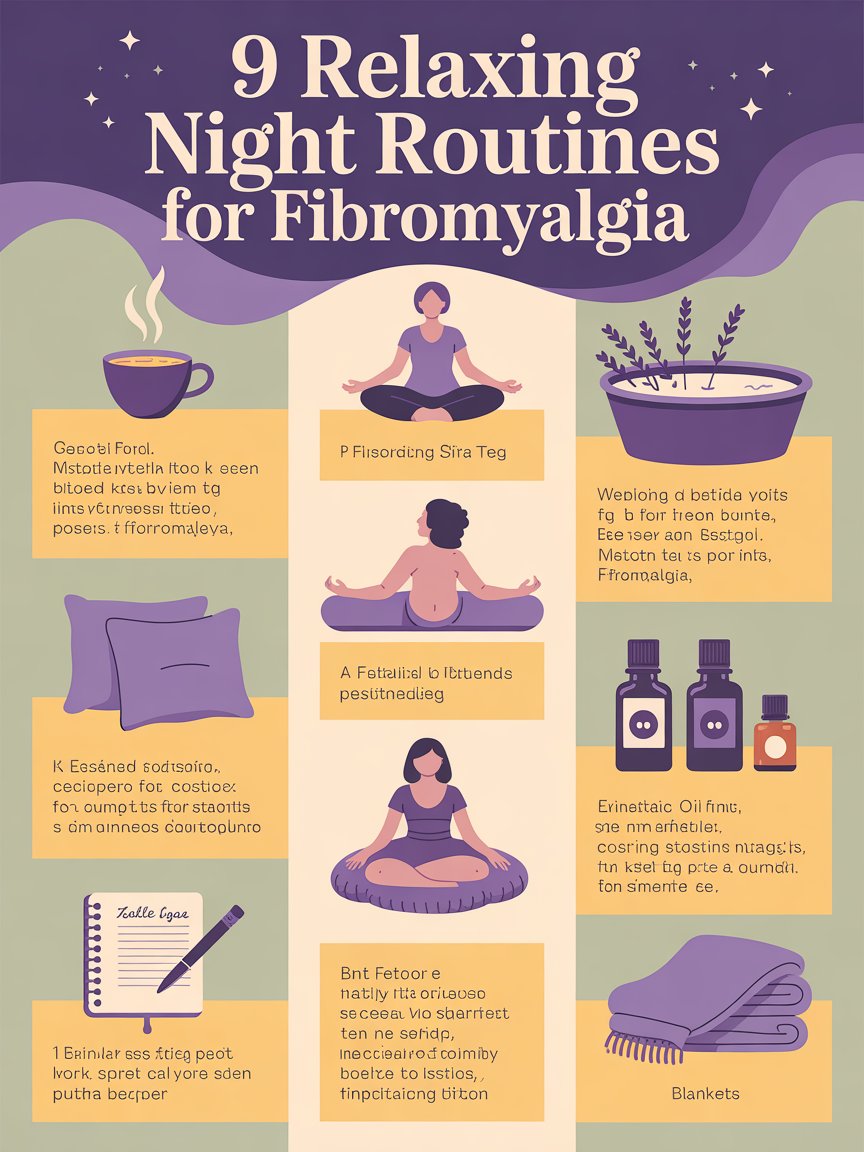

  • 9 Relaxing Night Routines for Fibromyalgia

    9 Relaxing Night Routines for Fibromyalgia

    9 Relaxing Night Routines for Fibromyalgia

    For people living with fibromyalgia, nighttime can sometimes be difficult due to pain, stiffness, and sleep disturbances. Creating a relaxing evening routine can help calm the body, reduce stress, and prepare the mind for restful sleep. Small habits practiced regularly before bed can make a meaningful difference in sleep quality and overall comfort.

    Here are nine relaxing night routines that may help people with fibromyalgia wind down and rest more comfortably.


    1. Take a Warm Bath

    Relax Muscles Before Bed

    A warm bath can help soothe sore muscles and reduce body tension after a long day.

    Promote Relaxation

    The warmth encourages the body to relax and may make it easier to fall asleep.


    2. Practice Gentle Stretching

    Ease Muscle Stiffness

    Light stretching can loosen tight muscles and improve flexibility.

    Prepare the Body for Rest

    Slow movements before bed help the body transition from activity to relaxation.


    3. Drink a Calming Herbal Tea

    Support Relaxation

    Herbal teas such as chamomile or peppermint are often used to promote relaxation.

    Create a Bedtime Ritual

    A warm drink can signal to the body that it is time to wind down.


    4. Dim the Lights

    Support Natural Sleep Hormones

    Lower lighting in the evening helps the body produce melatonin, the hormone responsible for sleep.

    Encourage Calmness

    A dim environment can help the mind slow down and relax.


    5. Practice Deep Breathing

    Calm the Nervous System

    Slow, deep breathing exercises can help reduce stress and tension.

    Improve Sleep Readiness

    Relaxed breathing prepares both the body and mind for sleep.


    6. Limit Screen Time

    Reduce Blue Light Exposure

    Phones, tablets, and computers emit blue light that can disrupt sleep signals.

    Protect Sleep Quality

    Turning off screens at least an hour before bedtime can help the body relax.


    7. Use Gentle Self-Massage

    Relieve Muscle Tension

    Massaging areas like the neck, shoulders, or hands can help reduce tightness.

    Promote Comfort

    Even a few minutes of gentle massage may help calm the body before sleep.


    8. Keep a Consistent Sleep Schedule

    Train the Body’s Internal Clock

    Going to bed and waking up at the same time each day helps regulate the sleep cycle.

    Improve Sleep Quality

    Consistency can make falling asleep easier over time.


    9. Practice Mindfulness or Meditation

    Quiet the Mind

    Mindfulness exercises or short guided meditations can reduce racing thoughts.

    Encourage Mental Relaxation

    A calm mind often leads to deeper and more restful sleep.


    Conclusion

    A relaxing nighttime routine can be an important tool for managing fibromyalgia symptoms and improving sleep. Simple habits like warm baths, gentle stretching, deep breathing, and limiting screen time can help calm the body and mind before bed.

    By creating a consistent and soothing bedtime routine, many people with fibromyalgia may find it easier to relax, reduce discomfort, and enjoy better sleep.

  • 6 Supplements That Support Better Sleep

    6 Supplements That Support Better Sleep

    6 Supplements That Support Better Sleep

    Getting quality sleep is essential for physical and mental health. While healthy habits like a consistent bedtime routine and limiting screen time are the foundation of good sleep, some supplements may also help support relaxation and better rest. Certain nutrients and natural compounds can influence hormones and neurotransmitters involved in the sleep cycle.

    Below are six supplements commonly associated with improved sleep support.


    1. Melatonin

    Regulates the Sleep-Wake Cycle

    Melatonin is a natural hormone produced by the body that helps control the circadian rhythm, which tells the body when it is time to sleep and wake up.

    Helpful for Sleep Timing Issues

    Melatonin supplements are often used for jet lag, shift work sleep problems, or delayed sleep schedules.


    2. Magnesium

    Promotes Relaxation

    Magnesium helps regulate neurotransmitters that influence sleep and relaxation in the nervous system.

    Supports Muscle Calmness

    Some studies suggest magnesium may help people fall asleep more easily and improve sleep quality, especially if they have low magnesium levels.


    3. L-Theanine

    Encourages Mental Relaxation

    L-theanine is an amino acid found in tea leaves that may promote relaxation without causing drowsiness.

    Reduces Stress Before Bed

    It may help calm the mind and reduce nighttime stress, making it easier to fall asleep.


    4. Valerian Root

    Traditional Herbal Sleep Aid

    Valerian root is an herbal supplement that has been used for centuries to support sleep and relaxation.

    Supports Calm Brain Activity

    It may work by increasing GABA activity in the brain, which can help reduce nervous tension and support sleep onset.


    5. Ashwagandha

    Helps Manage Stress

    Ashwagandha is an adaptogenic herb that helps the body manage stress and anxiety.

    Supports Relaxation

    By reducing stress hormones, it may help create a calmer state that supports better sleep.


    6. Vitamin D

    Supports Circadian Rhythm

    Vitamin D plays a role in regulating sleep patterns and overall circadian rhythm.

    Linked to Sleep Quality

    Research has found associations between vitamin D deficiency and poor sleep quality in some individuals.


    Conclusion

    Certain supplements may help support better sleep by promoting relaxation, regulating sleep hormones, and reducing stress. Melatonin, magnesium, L-theanine, valerian root, ashwagandha, and vitamin D are among the most commonly used options.

    However, supplements should be used carefully and ideally after consulting a healthcare professional. Good sleep habits—such as maintaining a consistent sleep schedule, reducing evening screen time, and creating a calm bedtime routine—remain the most effective foundation for healthy sleep.

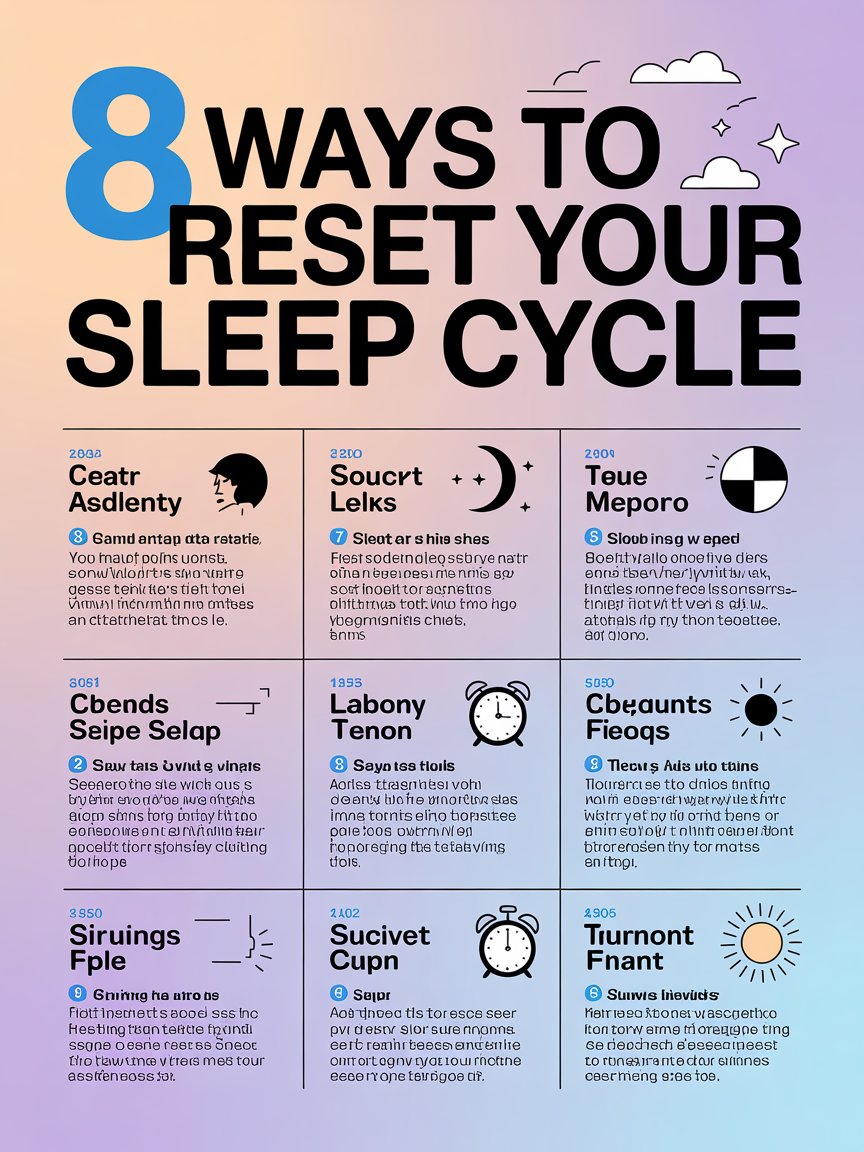
  • 8 Ways to Reset Your Sleep Cycle

    8 Ways to Reset Your Sleep Cycle

    8 Ways to Reset Your Sleep Cycle

    A disrupted sleep cycle can leave you feeling tired, unfocused, and physically uncomfortable throughout the day. For people dealing with chronic fatigue or pain conditions, maintaining a healthy sleep routine becomes even more important. Resetting your sleep cycle often requires small but consistent lifestyle changes that help your body return to a natural rhythm.

    Here are eight effective ways to help reset your sleep cycle and improve your overall sleep quality.


    1. Go to Bed at the Same Time Every Night

    Create a Consistent Schedule

    Going to bed and waking up at the same time every day helps regulate your body’s internal clock.

    Train Your Body to Sleep

    Consistency signals to your body when it should prepare for rest.


    2. Wake Up at the Same Time Each Morning

    Avoid Sleeping In Too Late

    Even on weekends, try to wake up around the same time each day.

    Support Natural Rhythms

    A consistent wake-up time helps stabilize your sleep cycle more quickly.


    3. Get Morning Sunlight

    Natural Light Exposure

    Spending time in natural sunlight early in the day helps reset your body’s circadian rhythm.

    Boost Alertness

    Morning light signals to the brain that it is time to wake up and be active.


    4. Limit Screen Time Before Bed

    Reduce Blue Light Exposure

    Phones, tablets, and computers emit blue light that can interfere with sleep hormones.

    Encourage Natural Sleep Signals

    Turning off screens at least an hour before bedtime can help your body relax.


    5. Avoid Caffeine in the Evening

    Understand Caffeine Effects

    Caffeine can stay in your system for several hours and delay sleep.

    Choose Calming Alternatives

    Herbal teas or warm water may be better evening drink options.


    6. Create a Relaxing Night Routine

    Prepare Your Body for Sleep

    Calming activities such as reading, gentle stretching, or deep breathing can signal that it is time to rest.

    Reduce Evening Stress

    Relaxation routines help calm both the body and the mind.


    7. Keep Your Bedroom Comfortable

    Control Light and Temperature

    A cool, dark, and quiet bedroom can make it easier to fall asleep.

    Improve Sleep Quality

    Comfortable bedding and a supportive mattress can also make a difference.


    8. Avoid Long Daytime Naps

    Protect Nighttime Sleep

    Long naps during the day can make it harder to fall asleep at night.

    Short Rest If Needed

    If you must nap, keep it short—about 20–30 minutes.


    Conclusion

    Resetting your sleep cycle takes patience and consistency. Simple habits such as maintaining a regular sleep schedule, reducing screen exposure at night, and getting morning sunlight can help the body return to a healthier rhythm.

    By gradually building these habits into your daily routine, you can improve sleep quality, increase energy levels, and support overall well-being.

  • 10 Night Habits That Make Pain Worse

    10 Night Habits That Make Pain Worse

    10 Night Habits That Make Pain Worse

    For people living with chronic pain conditions such as fibromyalgia, nighttime habits can have a significant impact on how the body feels the next day. Poor sleep routines, uncomfortable sleeping positions, and certain evening activities may increase muscle tension and pain sensitivity.

    Understanding which habits might worsen pain at night can help you make small adjustments that improve sleep quality and overall comfort. Here are ten night habits that may make pain worse.


    1. Using Your Phone Right Before Bed

    Blue Light Disrupts Sleep

    Looking at phones, tablets, or computers late at night exposes the eyes to blue light, which can interfere with the body’s natural sleep cycle.

    Poor Sleep Increases Pain

    When sleep quality drops, the body may become more sensitive to pain the next day.


    2. Drinking Caffeine Late in the Evening

    Stimulant Effects

    Caffeine found in coffee, tea, energy drinks, and some sodas can stay in the body for several hours.

    Sleep Disruption

    Consuming caffeine late in the day may make it harder to fall asleep or stay asleep.


    3. Skipping Gentle Evening Stretching

    Muscles Stay Tight

    Going to bed with tight muscles can increase stiffness and discomfort overnight.

    Reduced Flexibility

    Gentle stretching before bed may help relax muscles and prepare the body for sleep.


    4. Sleeping in an Unsupportive Position

    Strain on the Spine

    Sleeping positions that do not support the natural curve of the spine can cause neck and back pain.

    Increased Morning Stiffness

    Poor posture during sleep may worsen muscle tension by morning.


    5. Eating Heavy Meals Before Bed

    Digestive Discomfort

    Large or heavy meals close to bedtime can cause discomfort and disturb sleep.

    Restless Nights

    Poor digestion may lead to frequent waking during the night.


    6. Staying Up Too Late

    Inconsistent Sleep Schedule

    Irregular sleep times can confuse the body’s internal clock.

    Increased Fatigue

    Lack of sleep often increases pain sensitivity and fatigue.


    7. Stressful Thoughts Before Bed

    Mental Tension

    Thinking about worries or stressful situations at night can make it harder for the body to relax.

    Muscle Tightness

    Stress may cause muscles to remain tense, which can worsen pain.


    8. Using an Old or Uncomfortable Mattress

    Poor Body Support

    A mattress that is too soft or too firm may fail to support the body properly.

    Increased Pressure Points

    This can lead to discomfort in areas such as the shoulders, hips, and lower back.


    9. Not Creating a Relaxing Bedtime Routine

    Difficulty Falling Asleep

    Without a calming routine, the body may struggle to transition from activity to rest.

    Reduced Sleep Quality

    Relaxing habits like reading, meditation, or a warm bath can help signal the body that it is time to sleep.


    10. Ignoring Pain Signals

    Pushing Through Discomfort

    Trying to ignore pain without adjusting positions or routines may worsen symptoms.

    Listen to Your Body

    Making small adjustments when discomfort appears can help prevent worsening pain.


    Conclusion

    Nighttime habits play an important role in managing chronic pain and improving sleep quality. Simple changes such as limiting screen time, creating a calming bedtime routine, and maintaining a consistent sleep schedule can help reduce discomfort.

    By paying attention to evening habits and making supportive adjustments, many people can improve their sleep and reduce the impact of pain on their daily lives.

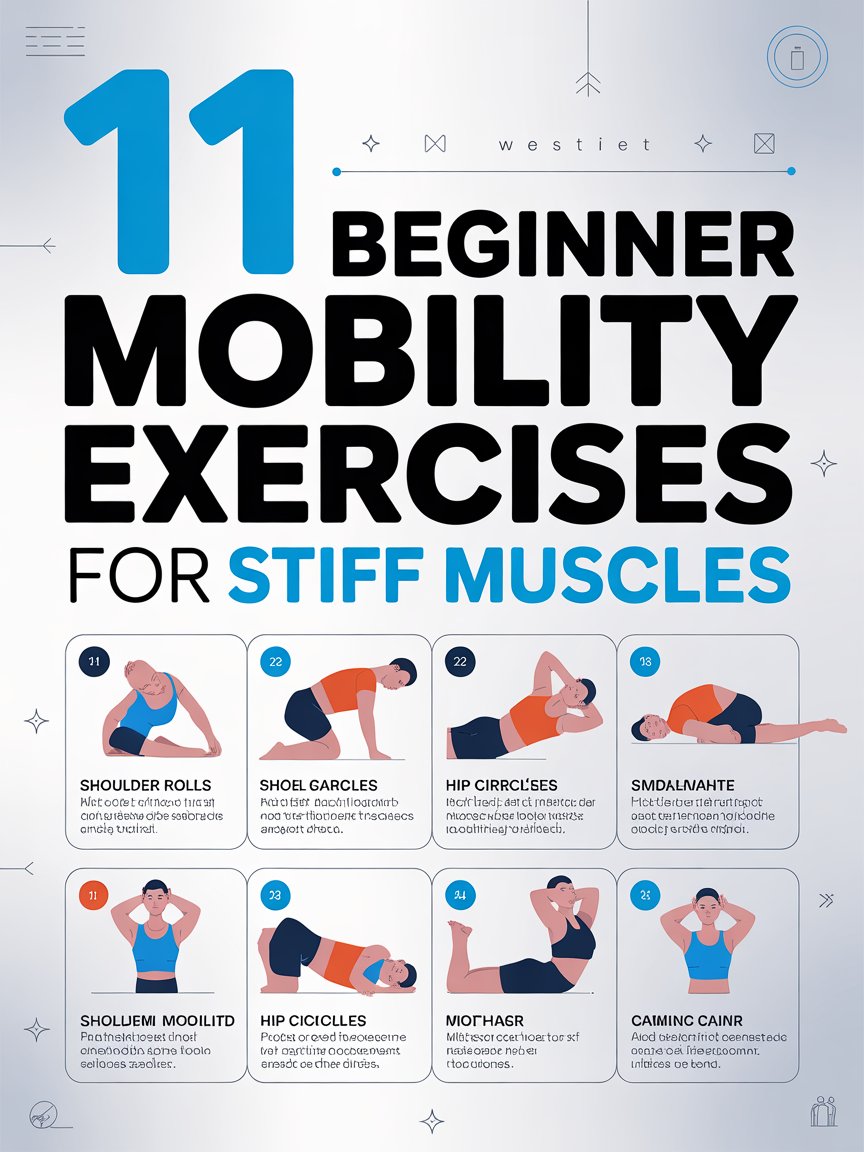
  • 11 Beginner Mobility Exercises for Stiff Muscles

    11 Beginner Mobility Exercises for Stiff Muscles

    11 Beginner Mobility Exercises for Stiff Muscles

    Stiff muscles can make everyday movements feel uncomfortable and restricted. Lack of movement, long hours of sitting, stress, or chronic conditions can all contribute to muscle stiffness. Gentle mobility exercises can help loosen tight muscles, improve flexibility, and support better overall movement.

    These beginner-friendly mobility exercises focus on slow and controlled movements that help the body move more comfortably. Practicing them regularly can help reduce stiffness and improve daily mobility.


    1. Neck Tilts

    How to Do It

    Sit or stand upright and slowly tilt your head toward one shoulder. Hold the stretch for a few seconds, then return to the center and repeat on the other side.

    Benefits

    This exercise helps relieve tension in the neck and improves flexibility.


    2. Shoulder Rolls

    How to Do It

    Stand or sit comfortably and roll your shoulders forward in slow circles five times, then reverse the direction.

    Benefits

    Shoulder rolls help release tension in the shoulders and upper back.


    3. Arm Circles

    How to Do It

    Extend your arms out to the sides and slowly make small circles. Gradually increase the size of the circles, then reverse direction.

    Benefits

    Arm circles improve shoulder mobility and warm up the upper body.


    4. Cat-Cow Stretch

    How to Do It

    Start on your hands and knees. Arch your back upward like a cat, then slowly drop your belly toward the floor while lifting your head.

    Benefits

    This movement helps increase flexibility in the spine and relieve back stiffness.


    5. Torso Twists

    How to Do It

    Stand with your feet shoulder-width apart and gently twist your upper body from side to side while keeping your hips stable.

    Benefits

    Torso twists improve spinal mobility and loosen the mid-back.


    6. Hip Circles

    How to Do It

    Stand upright and place your hands on your hips. Slowly rotate your hips in a circular motion, then switch directions.

    Benefits

    Hip circles help loosen tight hip joints and improve flexibility.


    7. Seated Leg Extensions

    How to Do It

    Sit in a chair and slowly extend one leg straight in front of you. Hold for a moment, then lower it and repeat with the other leg.

    Benefits

    This exercise improves knee mobility and gently activates leg muscles.


    8. Ankle Circles

    How to Do It

    Lift one foot slightly off the ground and rotate your ankle in slow circles. Repeat in the opposite direction before switching feet.

    Benefits

    Ankle circles improve joint mobility and support better balance.


    9. Standing Side Stretch

    How to Do It

    Raise one arm overhead and gently lean your upper body to the opposite side. Return to the center and repeat on the other side.

    Benefits

    This stretch helps loosen the sides of the body and improve flexibility.


    10. Hamstring Stretch

    How to Do It

    Stand tall and slowly bend forward at the hips, reaching toward your toes without forcing the stretch.

    Benefits

    This movement stretches the back of the legs and helps reduce lower body stiffness.


    11. Gentle Walking Warm-Up

    How to Do It

    Start with a slow walk for a few minutes, gradually increasing your pace slightly.

    Benefits

    Walking helps warm up the muscles, improve circulation, and prepare the body for movement.


    Conclusion

    Mobility exercises are a simple and effective way to reduce muscle stiffness and improve flexibility. By practicing gentle movements such as neck tilts, shoulder rolls, and hip circles, beginners can gradually increase their range of motion and comfort.

    Performing these exercises regularly, even for a few minutes each day, can support better movement, reduce tension, and promote overall physical well-being.

  • 7 Reasons to Try Aquatic Therapy

    7 Reasons to Try Aquatic Therapy

    7 Reasons to Try Aquatic Therapy

    Aquatic therapy is a gentle form of exercise performed in warm water, often used to help people manage pain, improve mobility, and support physical rehabilitation. Because water reduces pressure on joints and muscles, it can make movement easier for individuals who struggle with traditional exercise.

    For people living with chronic pain conditions such as fibromyalgia, aquatic therapy may offer a comfortable and supportive way to stay active. Below are seven reasons why many people consider trying aquatic therapy.


    1. Reduces Pressure on Joints

    Buoyancy Supports the Body

    Water naturally supports body weight, which reduces stress on joints and muscles.

    Easier Movement

    This support allows people to perform movements that might be difficult or painful on land.


    2. Helps Improve Muscle Strength

    Gentle Resistance

    Water provides natural resistance that helps strengthen muscles without heavy strain.

    Safe Strength Building

    The resistance of water allows muscles to work while reducing the risk of injury.


    3. Improves Flexibility

    Encourages Gentle Stretching

    Warm water helps relax muscles, making stretching movements easier.

    Better Range of Motion

    Regular aquatic therapy can help improve joint flexibility and mobility.


    4. Supports Pain Management

    Warm Water Relaxation

    Warm water can soothe sore muscles and reduce feelings of stiffness.

    Reduced Pain Sensitivity

    Many people report temporary relief from pain during and after aquatic therapy sessions.


    5. Improves Balance and Stability

    Controlled Movement

    Water slows down body movements, making it easier to maintain balance.

    Safer Environment

    This can be especially helpful for individuals who feel unstable during land exercises.


    6. Encourages Gentle Cardiovascular Activity

    Low-Impact Exercise

    Aquatic therapy can raise the heart rate while remaining gentle on the body.

    Supports Overall Fitness

    Regular sessions may help improve endurance and circulation.


    7. Promotes Relaxation and Stress Relief

    Calming Environment

    Being in warm water can help relax both the body and mind.

    Supports Emotional Well-Being

    Reduced stress may also help ease symptoms associated with chronic pain conditions.


    Conclusion

    Aquatic therapy provides a unique and supportive environment for people who want to stay active while managing pain or limited mobility. The buoyancy, warmth, and resistance of water allow individuals to move more comfortably and safely.

    For many people with chronic pain conditions, aquatic therapy can become a helpful part of a balanced approach to improving strength, flexibility, and overall well-being.

  • 10 Posture Fixes That Ease Pain

    10 Posture Fixes That Ease Pain

    10 Posture Fixes That Ease Pain

    Poor posture can place extra strain on muscles, joints, and ligaments, often leading to discomfort in the neck, shoulders, back, and hips. For people living with chronic pain or conditions such as fibromyalgia, posture plays an important role in managing daily discomfort.

    Small adjustments in the way you sit, stand, and move can reduce pressure on the body and improve overall comfort. Below are ten posture fixes that may help ease pain and support better body alignment.


    1. Keep Your Shoulders Relaxed

    Avoid Shoulder Tension

    Many people unconsciously lift or tighten their shoulders during the day. Keeping them relaxed and slightly pulled back helps reduce strain on the neck and upper back.

    Support Better Alignment

    Relaxed shoulders allow the spine to maintain a more natural position.


    2. Sit With Your Back Supported

    Use Proper Chair Support

    Choose a chair that supports the natural curve of your lower back. If needed, place a small cushion behind your lower back.

    Reduce Lower Back Pressure

    Proper support helps prevent slouching and reduces stress on spinal muscles.


    3. Keep Feet Flat on the Floor

    Maintain Balanced Sitting

    When sitting, keep both feet flat on the floor rather than crossing your legs.

    Improve Body Stability

    This position helps distribute body weight evenly and supports spinal alignment.


    4. Align Your Head With Your Spine

    Avoid Forward Head Posture

    Looking down at phones or screens for long periods can cause the head to lean forward.

    Protect the Neck

    Keeping the head aligned with the spine reduces neck strain and tension headaches.


    5. Adjust Your Screen Height

    Raise Your Monitor

    Your computer screen should be at eye level so you do not have to bend your neck downward.

    Prevent Neck Pain

    A properly positioned screen helps maintain a neutral neck posture.


    6. Take Frequent Movement Breaks

    Avoid Long Periods of Sitting

    Sitting in one position for too long can increase stiffness and muscle tension.

    Encourage Circulation

    Standing up, stretching, or walking briefly every 30–60 minutes can help reduce discomfort.


    7. Engage Your Core Muscles

    Support the Spine

    Lightly engaging your abdominal muscles while sitting or standing helps stabilize your spine.

    Improve Posture Naturally

    A stronger core supports better posture and reduces back strain.


    8. Distribute Weight Evenly When Standing

    Avoid Leaning to One Side

    Standing with weight shifted to one hip can place uneven pressure on the spine.

    Maintain Balance

    Keeping weight evenly distributed between both feet supports proper alignment.


    9. Use Proper Lifting Technique

    Bend Your Knees

    When lifting objects, bend your knees instead of bending your back.

    Protect the Lower Back

    Keeping the object close to your body helps reduce strain on the spine.


    10. Practice Gentle Posture Exercises

    Strengthen Supporting Muscles

    Exercises that strengthen the back, shoulders, and core can help improve posture.

    Build Long-Term Comfort

    Regular posture exercises may help prevent recurring muscle strain and discomfort.


    Conclusion

    Improving posture can make a significant difference in reducing everyday pain and muscle tension. Small changes such as sitting with proper support, adjusting screen height, and taking regular movement breaks can help protect the spine and surrounding muscles.

    By practicing good posture habits and staying mindful of body alignment throughout the day, many people can reduce discomfort and support long-term physical health.

  • 5 Foam Rolling Tips for Muscle Tenderness

    5 Foam Rolling Tips for Muscle Tenderness

    5 Foam Rolling Tips for Muscle Tenderness

    Muscle tenderness is a common challenge for people dealing with chronic pain, intense physical activity, or conditions like fibromyalgia. Foam rolling is a simple self-massage technique that can help reduce muscle tightness, improve circulation, and support recovery.

    A foam roller is a cylindrical tool used to apply gentle pressure to muscles. When used correctly, it can help release tension and improve flexibility. Below are five helpful foam rolling tips for managing muscle tenderness safely and effectively.


    1. Start Slowly and Gently

    Use Light Pressure

    When beginning foam rolling, it is important to apply gentle pressure. Rolling too aggressively can increase discomfort, especially for sensitive muscles.

    Allow Your Body to Adjust

    Move slowly and give your muscles time to relax as you roll over tender areas.


    2. Focus on Major Muscle Groups

    Target Common Tight Areas

    Muscles such as the calves, thighs, hamstrings, and upper back often respond well to foam rolling.

    Avoid Sensitive Joints

    Roll the muscles around joints rather than directly on the joints themselves to prevent irritation.


    3. Roll Slowly Over Tender Spots

    Pause on Tight Areas

    If you find a tender spot, pause gently on that area for about 20–30 seconds.

    Encourage Muscle Release

    Holding gentle pressure may help the muscle gradually relax and release tension.


    4. Combine Foam Rolling With Breathing

    Breathe Deeply

    Deep breathing while foam rolling can help your muscles relax and reduce tension.

    Support Relaxation

    Slow breathing helps calm the nervous system and can make the experience more comfortable.


    5. Stay Consistent but Moderate

    Use Short Sessions

    Foam rolling for 5–10 minutes at a time is often enough to help muscles relax.

    Make It a Routine

    Regular practice, a few times a week, may improve flexibility and reduce muscle tightness over time.


    Conclusion

    Foam rolling can be a helpful tool for managing muscle tenderness and improving mobility. By starting gently, focusing on key muscle groups, and practicing slow and controlled movements, individuals can safely incorporate foam rolling into their self-care routine.

    Consistency and listening to your body are essential. When used properly, foam rolling can support muscle relaxation, reduce stiffness, and contribute to overall physical comfort.

  • 9 Benefits of Warm Baths for Fibromyalgia

    9 Benefits of Warm Baths for Fibromyalgia

    9 Benefits of Warm Baths for Fibromyalgia

    Living with fibromyalgia often means dealing with persistent pain, fatigue, and muscle stiffness. Many people with this condition look for simple and natural ways to ease discomfort and relax the body. One gentle and accessible method is taking warm baths.

    Warm baths can help soothe muscles, calm the nervous system, and create a moment of relaxation during difficult days. While they are not a cure, they can be a helpful part of a daily self-care routine. Here are nine benefits of warm baths for people living with fibromyalgia.


    1. Helps Relax Tight Muscles

    Gentle Muscle Relief

    Warm water helps loosen tight and tense muscles, which may reduce discomfort and stiffness.

    Improves Comfort

    Relaxed muscles can make movement easier and less painful.


    2. Reduces Body Stiffness

    Improves Flexibility

    Heat can help soften muscles and joints, allowing the body to move more freely.

    Eases Morning Stiffness

    Many people find warm baths especially helpful after waking up or before bedtime.


    3. Improves Blood Circulation

    Better Oxygen Flow

    Warm water encourages blood vessels to expand, improving circulation throughout the body.

    Supports Muscle Recovery

    Improved blood flow may help deliver nutrients to muscles and tissues.


    4. Promotes Relaxation

    Calms the Nervous System

    Soaking in warm water can trigger the body’s relaxation response.

    Reduces Stress

    Lower stress levels may help reduce the intensity of fibromyalgia symptoms.


    5. May Improve Sleep Quality

    Prepares the Body for Rest

    Taking a warm bath before bedtime can help the body relax and prepare for sleep.

    Encourages Deeper Sleep

    Relaxed muscles and reduced tension may make it easier to fall asleep.


    6. Helps Reduce Pain Sensitivity

    Soothing Warmth

    Heat therapy can help decrease pain signals and create a comforting sensation.

    Temporary Pain Relief

    Many people experience short-term relief after soaking in warm water.


    7. Supports Gentle Movement

    Makes Stretching Easier

    Warm water can make muscles more flexible, which may make gentle stretching more comfortable.

    Encourages Light Activity

    Some people find that simple movements in warm water feel easier than on land.


    8. Provides Mental Relief

    Creates a Calm Moment

    Chronic pain can be emotionally draining. A warm bath can provide a peaceful break from daily stress.

    Boosts Mood

    Relaxation and comfort can improve overall emotional well-being.


    9. Encourages Daily Self-Care

    Builds Healthy Habits

    Taking time for a warm bath can become a regular self-care ritual.

    Supports Overall Wellness

    Small moments of relaxation can make a meaningful difference in managing chronic conditions.


    Conclusion

    Warm baths can be a soothing and supportive practice for people living with fibromyalgia. By relaxing muscles, improving circulation, and promoting better sleep, they offer a gentle way to reduce discomfort and support daily well-being.

    Adding a warm bath to a regular self-care routine may help create moments of relief and relaxation, making it easier to manage the challenges of fibromyalgia.