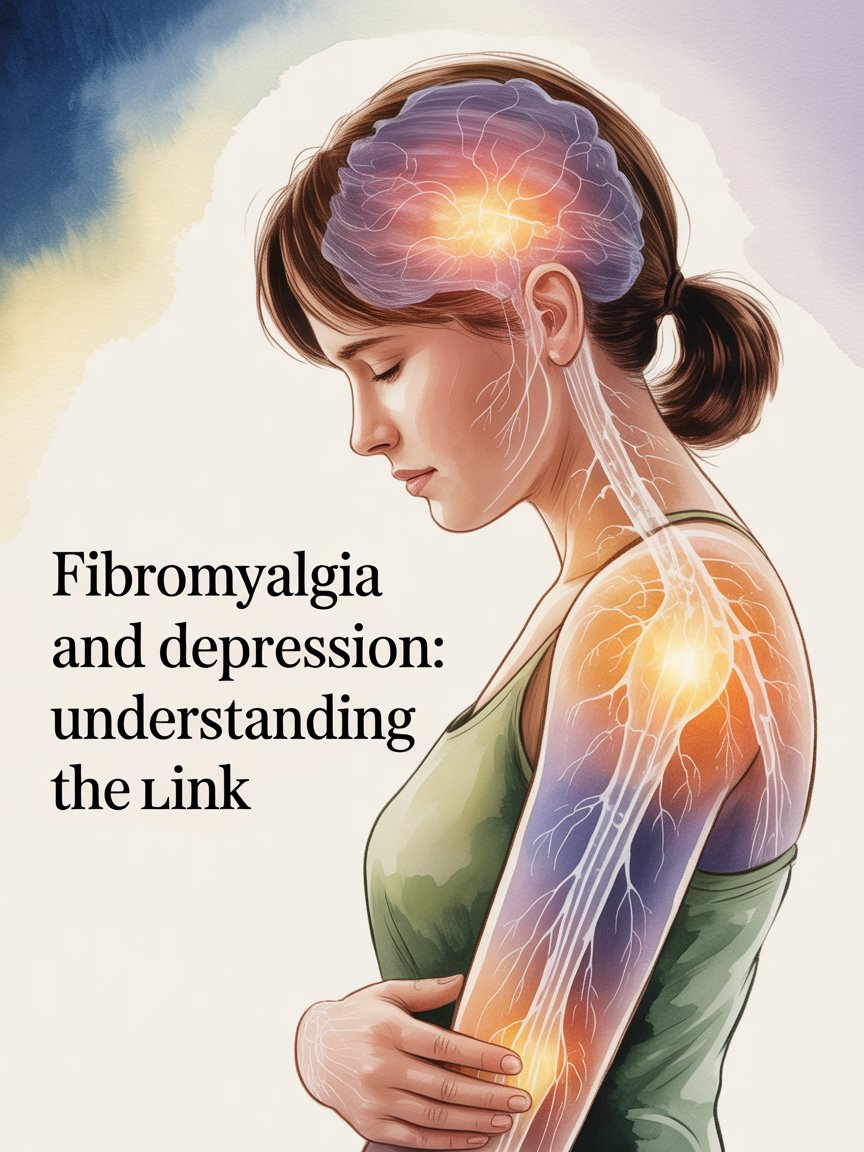
Fibromyalgia and Depression: Understanding the Link
1. Introduction to the Connection
Fibromyalgia is a long-term condition marked by widespread pain, fatigue, sleep disturbances, and cognitive difficulties. Many people living with fibromyalgia also experience Depression. Understanding how these two conditions are connected can help individuals seek better treatment and support.
2. How Common Is Depression in Fibromyalgia?
Overlapping Conditions
Research shows that depression occurs more frequently in people with fibromyalgia than in the general population. Chronic pain and emotional health often influence one another, creating a cycle that can be difficult to break without proper care.
3. The Brain–Body Connection
Shared Pathways
Fibromyalgia and depression share similar changes in brain chemistry. Neurotransmitters such as serotonin and norepinephrine play a role in both mood regulation and pain processing, which helps explain why these conditions often appear together.
4. Chronic Pain’s Emotional Toll
Living With Persistent Discomfort
Constant pain can wear down emotional resilience. When pain limits daily activities, work, or social life, feelings of sadness, frustration, or hopelessness may gradually develop.
5. Sleep Disturbances and Mood Changes
The Rest–Mood Relationship
Poor sleep is common in fibromyalgia and is strongly linked to depression. Inadequate or unrefreshing sleep can intensify pain sensitivity and lower mood, creating a repeating cycle of exhaustion and distress.
6. Fatigue and Loss of Motivation
When Energy Disappears
Severe fatigue can reduce motivation and interest in activities once enjoyed. This loss of engagement may resemble or contribute to depressive symptoms over time.
7. Brain Fog and Self-Esteem
Cognitive Challenges and Confidence
Cognitive difficulties, often called “fibro fog,” can affect memory and concentration. Struggling with mental clarity may impact self-confidence, especially at work or in social situations.
8. Stress and Nervous System Sensitivity
Heightened Emotional Responses
Fibromyalgia involves increased sensitivity in the central nervous system. This sensitivity may also influence emotional regulation, making individuals more vulnerable to mood changes during stressful periods.
9. Social Isolation and Loneliness
The Impact of Invisible Illness
Because fibromyalgia symptoms are not always visible, others may misunderstand the condition. This can lead to feelings of isolation, which increases the risk of depression.
10. Biological Factors Behind the Link
Hormones and Neurotransmitters
Hormonal imbalances and altered stress responses may contribute to both pain and mood disorders. The overlap suggests that fibromyalgia and depression are interconnected at a biological level, not simply emotional reactions.
11. The Importance of Early Recognition
Identifying Warning Signs
Persistent sadness, loss of interest, sleep changes, or feelings of worthlessness should not be ignored. Recognizing these signs early allows for timely support and treatment.
12. Treatment Approaches That Address Both
Integrated Care
Certain medications, therapy approaches, and lifestyle changes can help manage both fibromyalgia pain and depression. Treatments that target shared brain pathways may improve overall quality of life.
13. The Role of Therapy and Support
Emotional Coping Strategies
Cognitive behavioral therapy (CBT), support groups, and counseling can provide tools for managing negative thoughts and stress. Emotional support is just as important as physical symptom management.
14. Lifestyle Habits That Support Mood and Pain
Small Changes With Big Impact
Gentle exercise, balanced nutrition, regular sleep routines, and stress reduction techniques can positively influence both mood and pain levels. Consistency is key when building healthy habits.
15. Moving Toward Hope and Healing
You Are Not Alone
The connection between fibromyalgia and depression is real and medically recognized. Seeking help for mental health is not a sign of weakness—it is part of comprehensive care. With proper support, many people find ways to manage both conditions and improve their overall well-being.
Leave a Reply