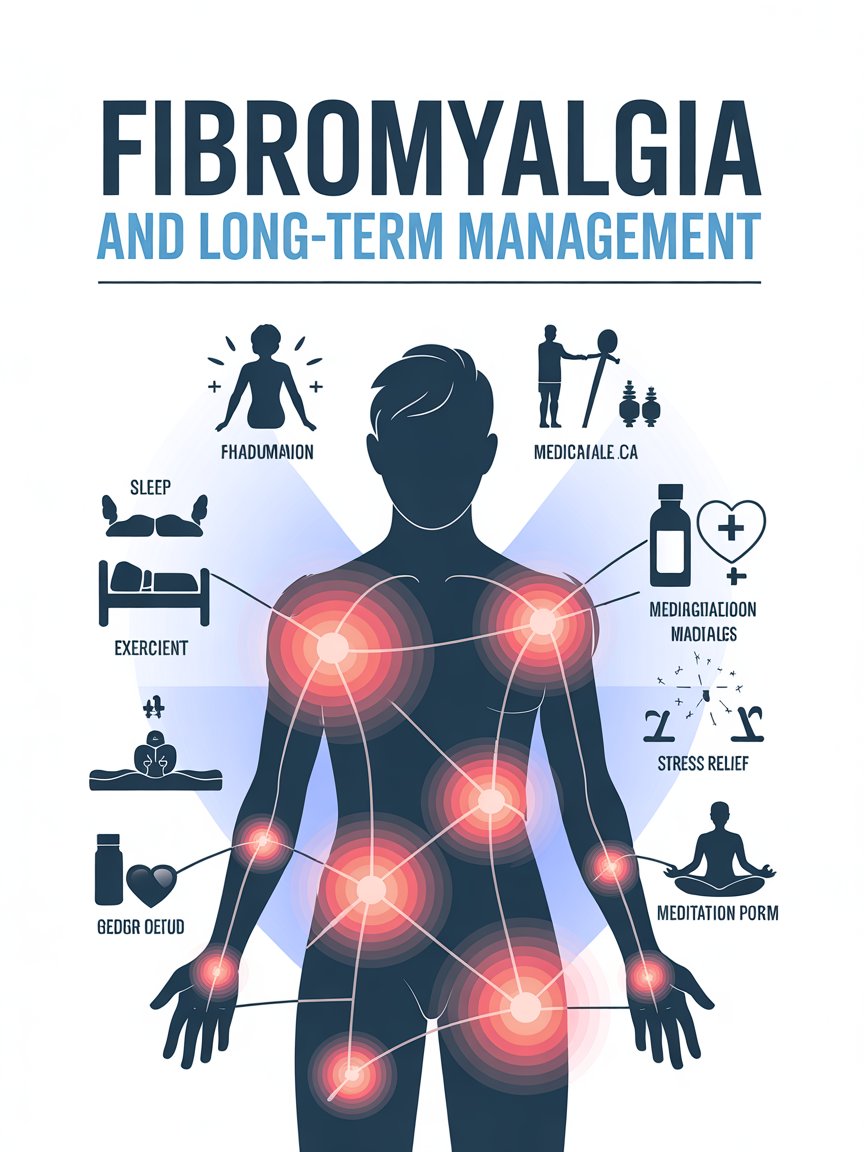
Fibromyalgia and Long-Term Management
1. Understanding Long-Term Management of Fibromyalgia
Fibromyalgia is a long-term condition that requires ongoing care and management. Because symptoms such as widespread pain, fatigue, and sleep disturbances can persist for years, developing a long-term strategy is essential.
Effective management focuses on reducing symptoms, improving daily functioning, and maintaining a good quality of life.
2. Recognizing the Nature of Chronic Conditions
Fibromyalgia is considered a chronic condition, meaning it may not completely disappear but can be managed effectively. Symptoms often fluctuate, with periods of improvement followed by flare-ups.
Understanding this pattern helps individuals prepare for changes and adjust their lifestyle accordingly.
3. Building a Personalized Treatment Plan
Each person experiences fibromyalgia differently, so treatment plans should be personalized. Some individuals may benefit more from physical therapies, while others may need stronger focus on stress management or sleep improvement.
Working with healthcare professionals can help create a balanced approach that suits individual needs.
4. Managing Pain Over Time
Pain management is a central part of long-term fibromyalgia care. Techniques such as gentle stretching, heat therapy, relaxation exercises, and medication when prescribed can help reduce discomfort.
Combining different strategies often provides better results than relying on a single approach.
5. Improving Sleep Quality
Sleep problems are common with fibromyalgia and can worsen other symptoms. Establishing healthy sleep habits can support long-term symptom control.
Maintaining consistent bedtimes, limiting caffeine, and creating a relaxing bedtime routine can improve sleep quality.
6. Staying Physically Active
Regular movement helps maintain muscle strength and flexibility. Gentle activities such as walking, yoga, or swimming can help reduce stiffness and improve energy levels.
Starting slowly and increasing activity gradually can help prevent flare-ups.
7. Managing Fatigue
Fatigue is one of the most challenging symptoms of fibromyalgia. Energy management techniques such as pacing activities, taking breaks, and prioritizing tasks can help conserve energy.
Balancing activity and rest is essential for long-term stability.
8. Maintaining Emotional Well-Being
Living with chronic pain can affect emotional health. Anxiety, frustration, and mood changes may occur over time.
Practicing stress management techniques such as meditation, breathing exercises, or counseling can support emotional resilience.
9. Nutrition and Healthy Lifestyle
A balanced diet can support overall health and energy levels. Eating nutrient-rich foods and staying hydrated helps the body function more efficiently.
Healthy lifestyle habits may also support immune health and reduce inflammation.
10. Identifying and Avoiding Triggers
Some individuals notice that certain factors worsen their symptoms. Common triggers may include stress, poor sleep, overexertion, or sudden weather changes.
Keeping track of these triggers can help individuals make adjustments to reduce flare-ups.
11. Regular Medical Checkups
Regular visits with healthcare providers allow symptoms to be monitored and treatment plans to be adjusted when necessary.
Healthcare professionals can also help identify related conditions and recommend appropriate therapies.
12. Education and Self-Awareness
Learning more about fibromyalgia can empower individuals to take an active role in their care. Understanding symptoms, triggers, and management strategies helps people make informed decisions.
Self-awareness also helps individuals recognize early signs of flare-ups.
13. Support Systems and Community
Support from family, friends, and support groups can make long-term management easier. Sharing experiences with others who understand the condition can provide emotional comfort and practical advice.
Strong support networks can reduce feelings of isolation.
14. Adapting to Changing Needs
Fibromyalgia symptoms can change over time, so management strategies may also need to evolve. Flexibility and willingness to adjust routines can help maintain stability.
Adapting to new challenges is part of long-term coping with chronic conditions.
15. Living Well With Fibromyalgia
Although fibromyalgia is a lifelong condition, many people learn to manage it successfully. With the right combination of medical care, lifestyle adjustments, and emotional support, individuals can lead fulfilling and active lives.
Long-term management focuses not only on reducing symptoms but also on improving overall well-being and maintaining independence.
Leave a Reply