Fibromyalgia and Mind-Body Connection
1. Understanding the Mind-Body Connection
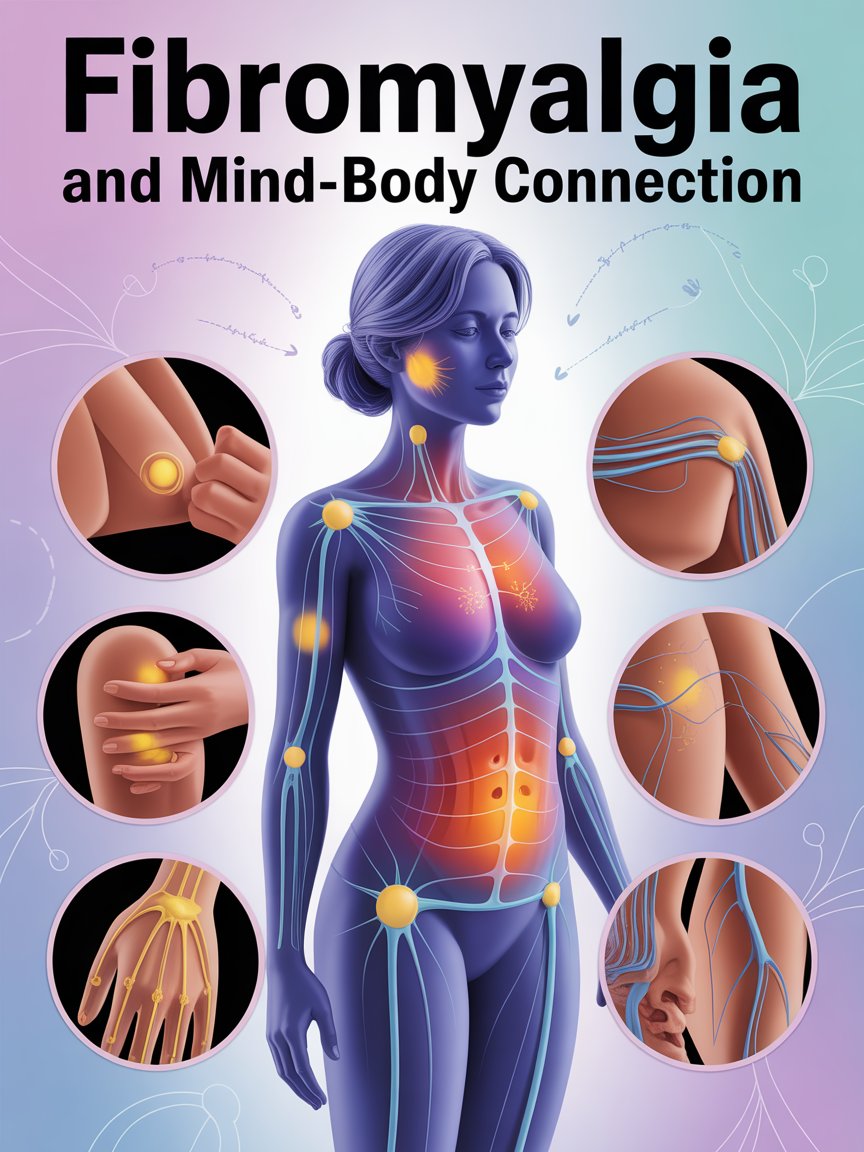
Fibromyalgia is a complex condition that affects both the body and the mind. People with fibromyalgia often experience physical symptoms such as pain, fatigue, and stiffness, along with emotional challenges like stress or anxiety.
The mind-body connection refers to the way mental and emotional states can influence physical health. In fibromyalgia, this connection plays a significant role in how symptoms develop and change.
2. How the Brain Processes Pain
The brain and nervous system control how pain signals are interpreted. In fibromyalgia, the brain may become more sensitive to these signals.
This heightened sensitivity can cause normal sensations to feel painful, making the body react more strongly to physical stimuli.
3. Emotional Stress and Physical Symptoms
Emotional stress can trigger or worsen fibromyalgia symptoms. When the body experiences stress, it releases hormones that prepare the body for action.
However, chronic stress can increase muscle tension and intensify pain and fatigue.
4. The Role of the Nervous System
The nervous system connects the brain with the rest of the body. In fibromyalgia, the nervous system may become overactive or overly responsive.
This heightened activity can increase pain sensitivity and contribute to other symptoms such as headaches and fatigue.
5. Sleep and Mental Well-Being
Sleep problems are common in fibromyalgia and can affect both physical and mental health. Poor sleep can worsen pain and make it harder to manage stress.
Improving sleep quality can support better mood and overall symptom management.
6. The Impact of Anxiety and Worry
Living with chronic pain can sometimes lead to anxiety or persistent worry. These emotional responses may increase muscle tension and intensify discomfort.
Learning ways to manage anxiety can help reduce the physical effects of stress.
7. Depression and Chronic Pain
Long-term health conditions can sometimes affect mood. Some people with fibromyalgia may experience symptoms related to Depression.
Addressing emotional health is an important part of managing the overall condition.
8. Relaxation Techniques and Pain Reduction
Relaxation techniques can help calm the nervous system and reduce muscle tension. Practices such as deep breathing, meditation, and progressive muscle relaxation may help lower stress levels.
These techniques support both mental and physical well-being.
9. Mindfulness and Awareness
Mindfulness focuses on paying attention to the present moment without judgment. This practice can help individuals become more aware of their thoughts, feelings, and physical sensations.
Mindfulness may reduce stress and improve the ability to cope with chronic pain.
10. Gentle Movement and Mental Balance
Activities like yoga, stretching, and slow walking combine physical movement with mental focus. These exercises encourage relaxation while improving flexibility and strength.
Gentle movement can support both emotional balance and physical comfort.
11. Positive Thinking and Coping Skills
Maintaining a positive outlook can help individuals cope with chronic conditions. Developing coping strategies and focusing on achievable goals can improve resilience.
Positive thinking does not eliminate pain but may help reduce emotional distress.
12. Social Support and Emotional Health
Support from friends, family, and community groups can strengthen the mind-body connection. Feeling understood and supported reduces emotional stress.
Sharing experiences with others facing similar challenges can also provide encouragement.
13. Professional Guidance and Therapy
Healthcare professionals may recommend counseling or therapy to support emotional health. Psychological therapies can help individuals develop strategies for managing stress and pain.
Professional support can improve overall quality of life.
14. Building Healthy Daily Habits
Healthy habits such as regular sleep, balanced nutrition, and moderate activity help maintain both mental and physical health.
Consistent routines can stabilize mood and support long-term symptom management.
15. Strengthening the Mind-Body Relationship
Understanding the mind-body connection allows individuals with fibromyalgia to approach their condition more holistically. Addressing both emotional and physical factors can lead to better symptom control.
With balanced care and self-awareness, people with fibromyalgia can improve their well-being and manage their symptoms more effectively.
Leave a Reply