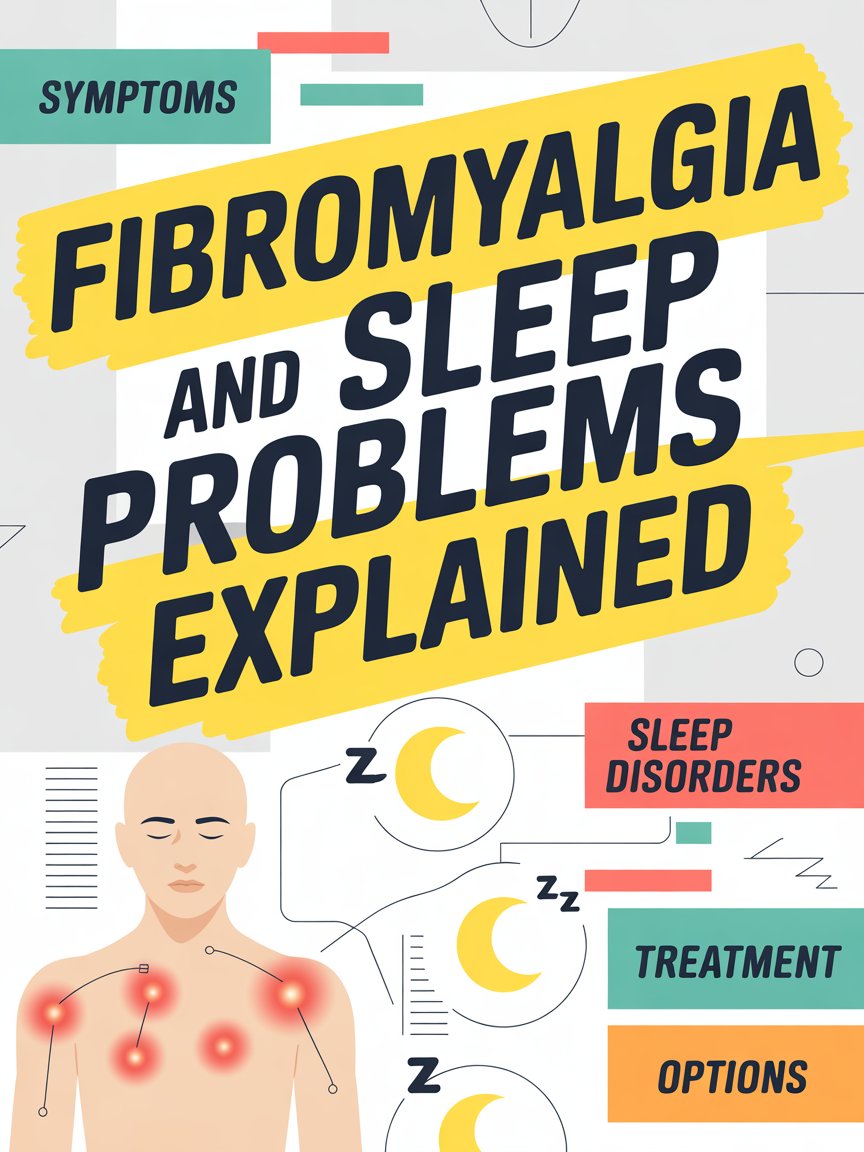
Fibromyalgia and Sleep Problems Explained
1. The Strong Connection Between Fibromyalgia and Sleep
Sleep problems are one of the most common and frustrating symptoms of fibromyalgia. Many people with fibromyalgia feel tired even after a full night in bed. Poor sleep increases pain sensitivity, while pain makes it harder to sleep, creating a difficult cycle that affects daily life.
2. Why Fibromyalgia Disrupts Normal Sleep
Fibromyalgia affects how the brain processes pain and sleep signals. Even during sleep, the nervous system may remain overactive, preventing deep, restorative rest. This leads to frequent awakenings and light sleep that does not fully refresh the body.
3. Common Sleep Problems in Fibromyalgia
People with fibromyalgia often experience insomnia, restless sleep, and frequent waking during the night. Some may struggle to fall asleep, while others wake up too early and cannot return to sleep. These ongoing sleep disturbances worsen fatigue and pain the next day.
4. Non-Restorative Sleep and Morning Fatigue
Non-restorative sleep means waking up feeling unrefreshed despite sleeping for many hours. This is a hallmark symptom of fibromyalgia. Morning stiffness, brain fog, and low energy levels are common results of poor-quality sleep.
5. The Role of Pain in Sleep Disturbance
Chronic muscle and joint pain make it difficult to find a comfortable sleeping position. Pain can cause frequent turning during the night and sudden awakenings. Managing pain before bedtime can help improve sleep quality.
6. Fibro Fog and Its Link to Poor Sleep
Fibro fog refers to problems with memory, focus, and clear thinking. Lack of quality sleep makes these cognitive symptoms worse. Improving sleep can lead to better concentration, mental clarity, and overall daily functioning.
7. Restless Legs Syndrome and Fibromyalgia
Restless legs syndrome (RLS) is more common in people with fibromyalgia. It causes uncomfortable sensations in the legs and a strong urge to move them, especially at night. This condition can further interrupt sleep and increase nighttime discomfort.
8. Sleep Apnea and Breathing Problems During Sleep
Some people with fibromyalgia also have sleep apnea, a condition where breathing repeatedly stops and starts during sleep. Sleep apnea leads to poor oxygen levels and frequent awakenings, worsening fatigue and pain. A sleep study may be needed if symptoms suggest breathing issues during sleep.
9. The Impact of Stress and Anxiety on Sleep
Stress and anxiety can make it harder to relax and fall asleep. Worrying thoughts at bedtime keep the brain active and delay sleep onset. Relaxation techniques such as deep breathing, meditation, or gentle stretching can help calm the mind before sleep.
10. The Role of Sleep Environment
A noisy, bright, or uncomfortable sleep environment can worsen sleep problems in fibromyalgia. Reducing light and noise, maintaining a comfortable room temperature, and using supportive bedding can improve sleep quality. Small changes to the bedroom can make a big difference.
11. Bedtime Routines That Support Better Sleep
Having a consistent bedtime routine helps signal the body that it is time to sleep. Going to bed and waking up at the same time each day improves sleep patterns. Avoiding screens, caffeine, and heavy meals before bed can also support better sleep.
12. Gentle Exercise and Daytime Activity
Light physical activity during the day can improve sleep at night. Gentle exercises such as walking, stretching, or yoga help reduce stiffness and promote relaxation. However, intense exercise close to bedtime may worsen sleep problems.
13. Medications and Sleep Support
Doctors may recommend medications to help manage pain, improve sleep, or treat related conditions like anxiety. Some medications can improve sleep quality, while others may interfere with sleep. Always discuss sleep-related side effects with a healthcare provider.
14. When to See a Doctor About Sleep Problems
If sleep problems persist despite lifestyle changes, it is important to consult a doctor. Ongoing sleep disturbances can worsen fibromyalgia symptoms and overall health. A healthcare provider may suggest a sleep study or adjust treatment plans to improve sleep.
15. Improving Sleep to Improve Fibromyalgia Symptoms
Better sleep can lead to reduced pain, improved mood, and increased daily energy. While sleep problems are common in fibromyalgia, small changes in habits and proper medical support can make a meaningful difference. Focusing on sleep health is an important part of managing fibromyalgia long term.
Leave a Reply