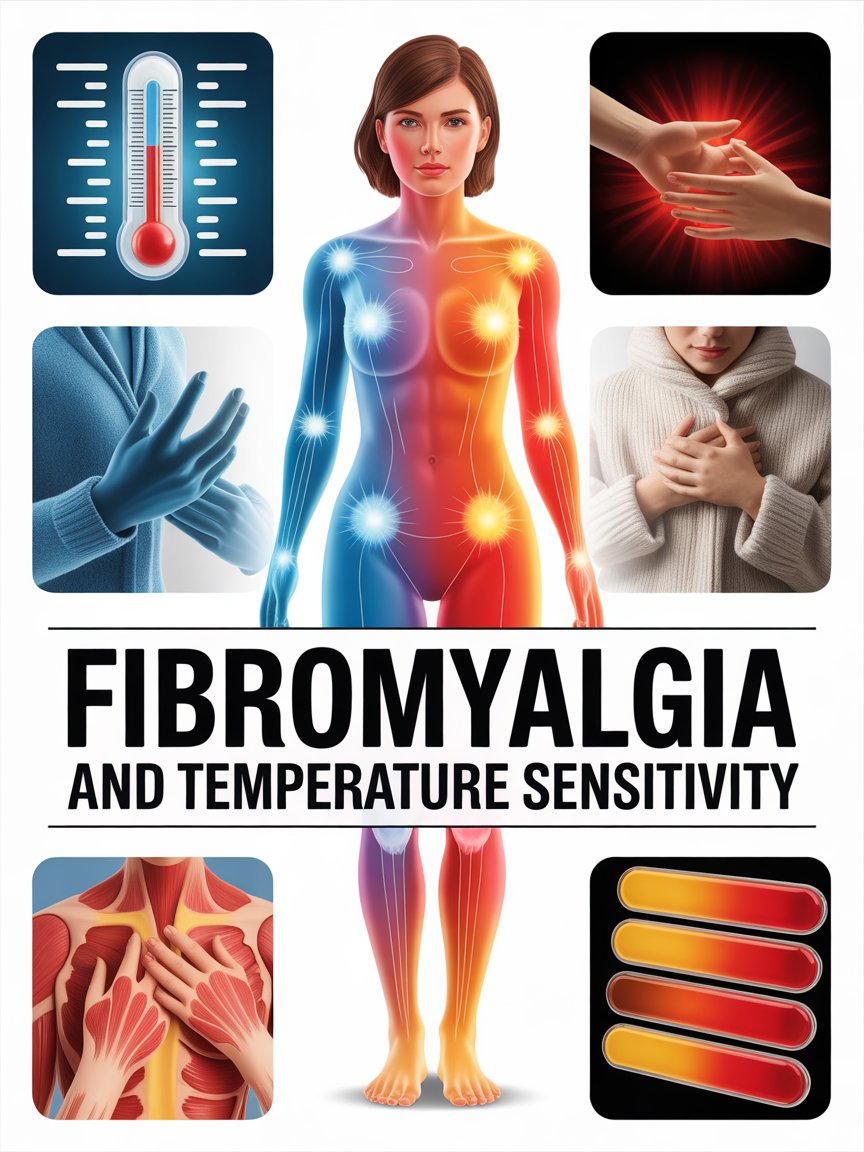
Fibromyalgia and Temperature Sensitivity
1. Understanding Temperature Sensitivity in Fibromyalgia
Fibromyalgia is a chronic condition known for widespread pain, fatigue, and increased sensitivity to various stimuli. One common but often overlooked symptom is sensitivity to temperature. Many people with fibromyalgia notice that their symptoms worsen when exposed to extreme heat or cold.
2. Why Temperature Changes Affect the Body
Temperature sensitivity occurs because the nervous system in fibromyalgia patients tends to react more strongly to sensory signals. The body may interpret normal temperature changes as uncomfortable or even painful. This heightened response can lead to discomfort during weather changes.
3. Cold Weather and Increased Pain
Cold temperatures often cause muscles to tighten and joints to stiffen. For individuals with fibromyalgia, this can increase pain and stiffness. Many patients report more intense symptoms during winter or when exposed to cold environments.
4. Heat Sensitivity and Fatigue
While cold can worsen stiffness, excessive heat can also be problematic. Hot weather may lead to fatigue, dizziness, or headaches in some fibromyalgia patients. The body may struggle to regulate temperature efficiently.
5. The Role of the Nervous System
Fibromyalgia affects how the brain processes pain signals. This condition is linked to abnormalities in the central nervous system, which can amplify sensory experiences. As a result, temperature changes may feel more intense than they would for others.
6. Circulation and Temperature Regulation
Some people with fibromyalgia also experience circulation issues, which can contribute to temperature sensitivity. Poor circulation can make hands and feet feel unusually cold. This discomfort can sometimes lead to numbness or tingling sensations.
7. Weather Changes and Symptom Flares
Sudden weather changes, such as a rapid drop in temperature or shifts in humidity, may trigger fibromyalgia flare-ups. Many patients notice that their pain increases during seasonal transitions. Tracking weather patterns can sometimes help predict symptom changes.
8. Dressing for Temperature Comfort
Wearing layers is one of the easiest ways to manage temperature sensitivity. Layers allow individuals to adjust clothing according to changing conditions. Soft and breathable fabrics can also help maintain comfort throughout the day.
9. Using Heat Therapy for Relief
Heat therapy can help relax muscles and reduce stiffness. Warm showers, heating pads, and warm baths are commonly used to soothe fibromyalgia pain. Gentle heat can improve blood flow and provide temporary comfort.
10. Cooling Strategies for Hot Weather
During hot weather, staying cool is important. Using fans, air conditioning, or cool compresses can help regulate body temperature. Drinking plenty of water also helps the body stay balanced during heat exposure.
11. Maintaining Indoor Comfort
Controlling the indoor environment can make a significant difference for fibromyalgia patients. Maintaining a stable room temperature can prevent sudden discomfort. Comfortable indoor conditions help the body remain relaxed.
12. Gentle Movement to Support Circulation
Light physical activity can improve circulation and help the body adapt to temperature changes. Gentle exercises such as stretching or walking can keep muscles flexible and reduce stiffness caused by cold weather.
13. Stress and Temperature Sensitivity
Stress can intensify many fibromyalgia symptoms, including temperature sensitivity. When the body is under stress, it may become even more reactive to environmental changes. Relaxation techniques can help calm the nervous system.
14. Recognizing Personal Triggers
Every fibromyalgia patient experiences symptoms differently. Some individuals are more sensitive to cold, while others struggle with heat. Paying attention to personal triggers can help individuals prepare for uncomfortable conditions.
15. Managing Temperature Sensitivity in Daily Life
Although temperature sensitivity can be challenging, practical strategies can help manage it effectively. Dressing appropriately, maintaining comfortable indoor temperatures, and practicing self-care can reduce discomfort. With proper awareness and lifestyle adjustments, individuals with fibromyalgia can better cope with temperature-related symptoms.
Leave a Reply